
5 Minutes
Leaked images reveal Renault's newest city EV
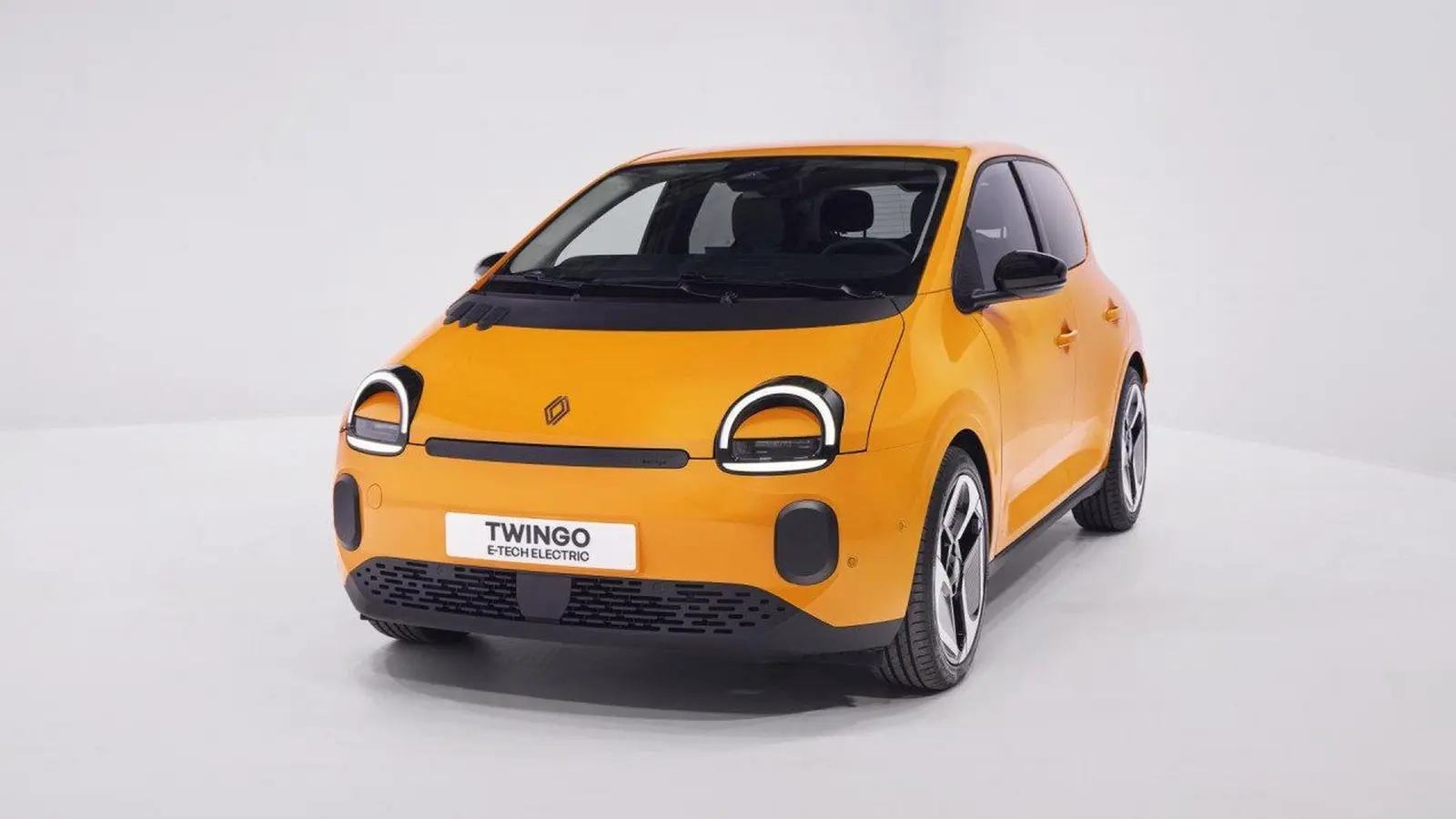
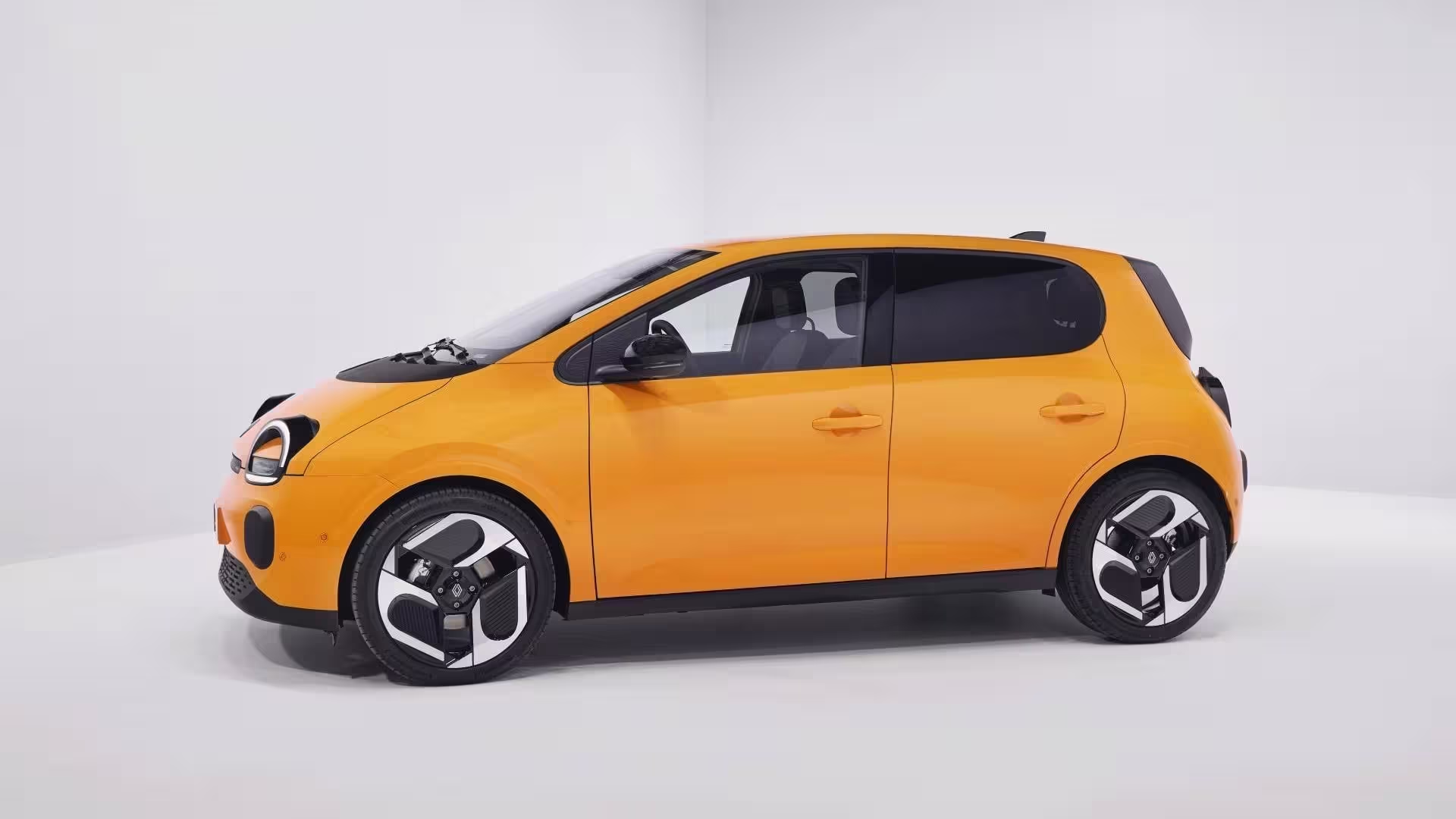
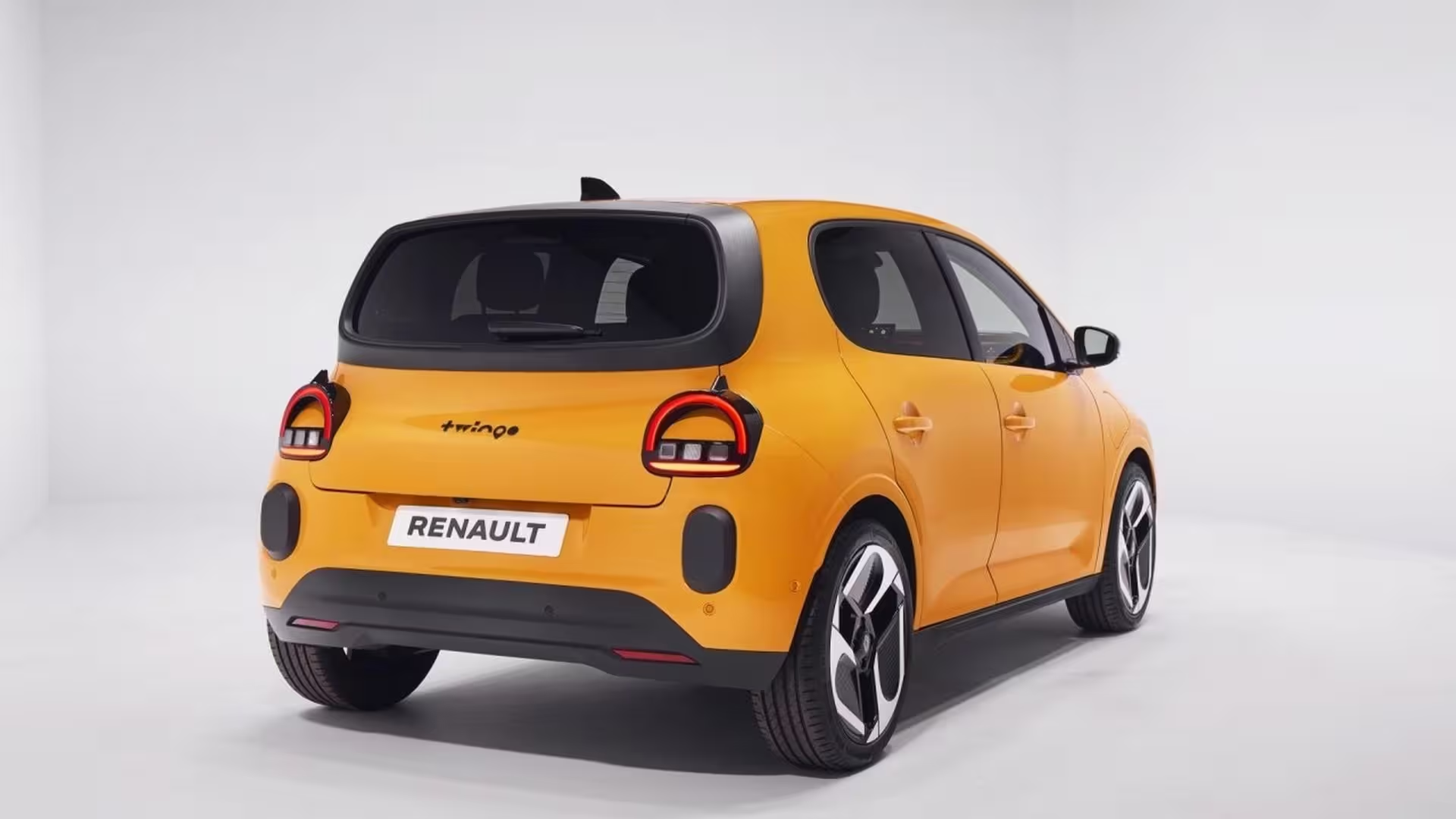
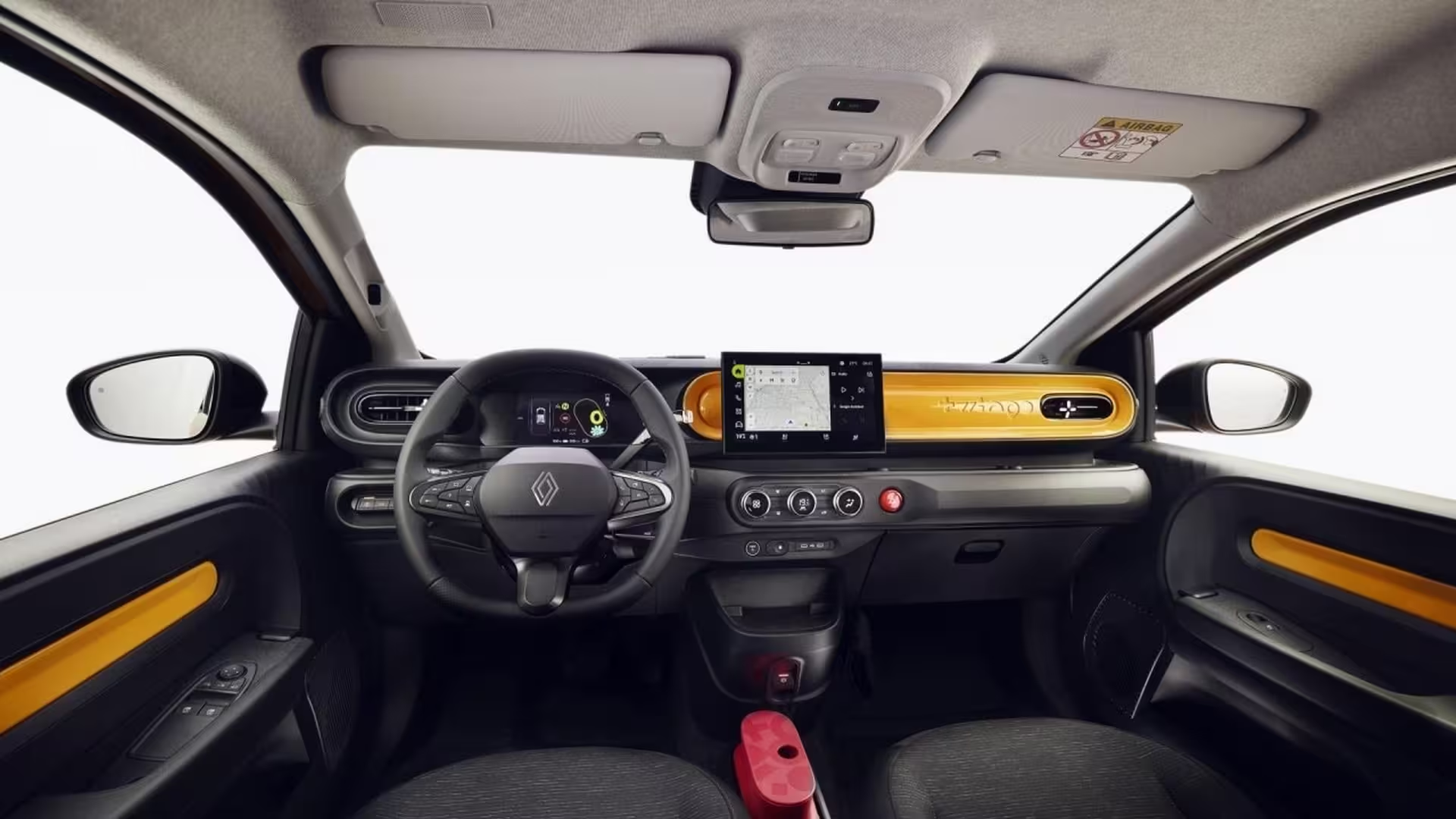
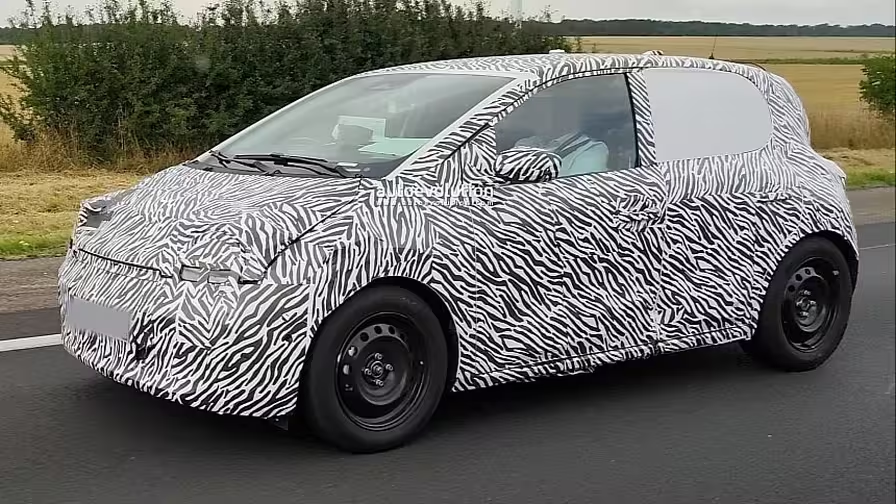
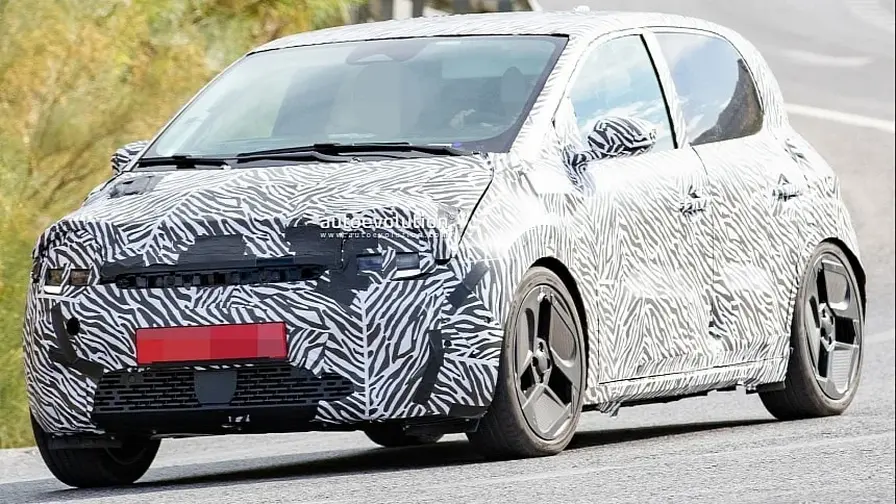
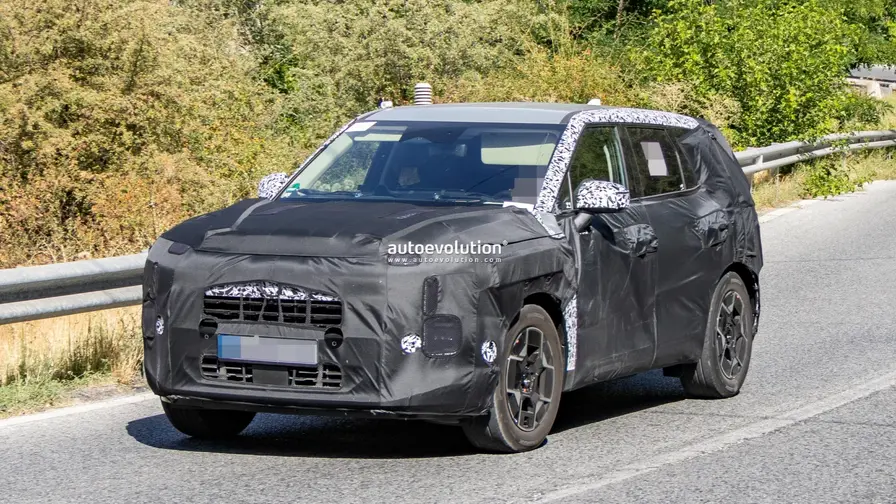
Embargoed photos of the new Renault Twingo E-Tech surfaced ahead of its scheduled November 6 reveal, circulating first on specialist sites and social channels. The pictures and accompanying tips sketch a compact electric city car that leans hard into charm and retro appeal — so much so that looks might outweigh specs for some buyers.
Fast-tracked development and likely arrival
Renault reportedly brought the Twingo E-Tech from concept to production-ready in under 100 weeks, a development pace the company told Autocar it achieved by reusing proven components and platforms. The concept was shown in October 2024, and the production model could arrive within about a year of that reveal, possibly sooner if the production program had already started in the background.
Where it will be made and platform sharing
Expect the Twingo to be built at Renault's REVOZ plant in Novo Mesto, Slovenia. Underneath, the car is believed to ride on the AmpR Small EV platform shared with the Renault 5 and Renault 4. That common architecture reduces engineering time and cost, allowing Renault to offer a characterful small electric car at a competitive price point.
Key specifications you should know
While Renault has not confirmed every figure, the leaked details outline a clear positioning: an affordable, city-focused BEV with conservative but sensible hardware.
- Battery type: lithium iron phosphate (LFP) cells
- Battery capacity: around 27.5 kWh (alleged)
- Motor output: roughly 60 kW (81 hp) and 175 Nm (129 lb-ft)
- WLTP range: about 260 km (likely optimistic in real-world use)
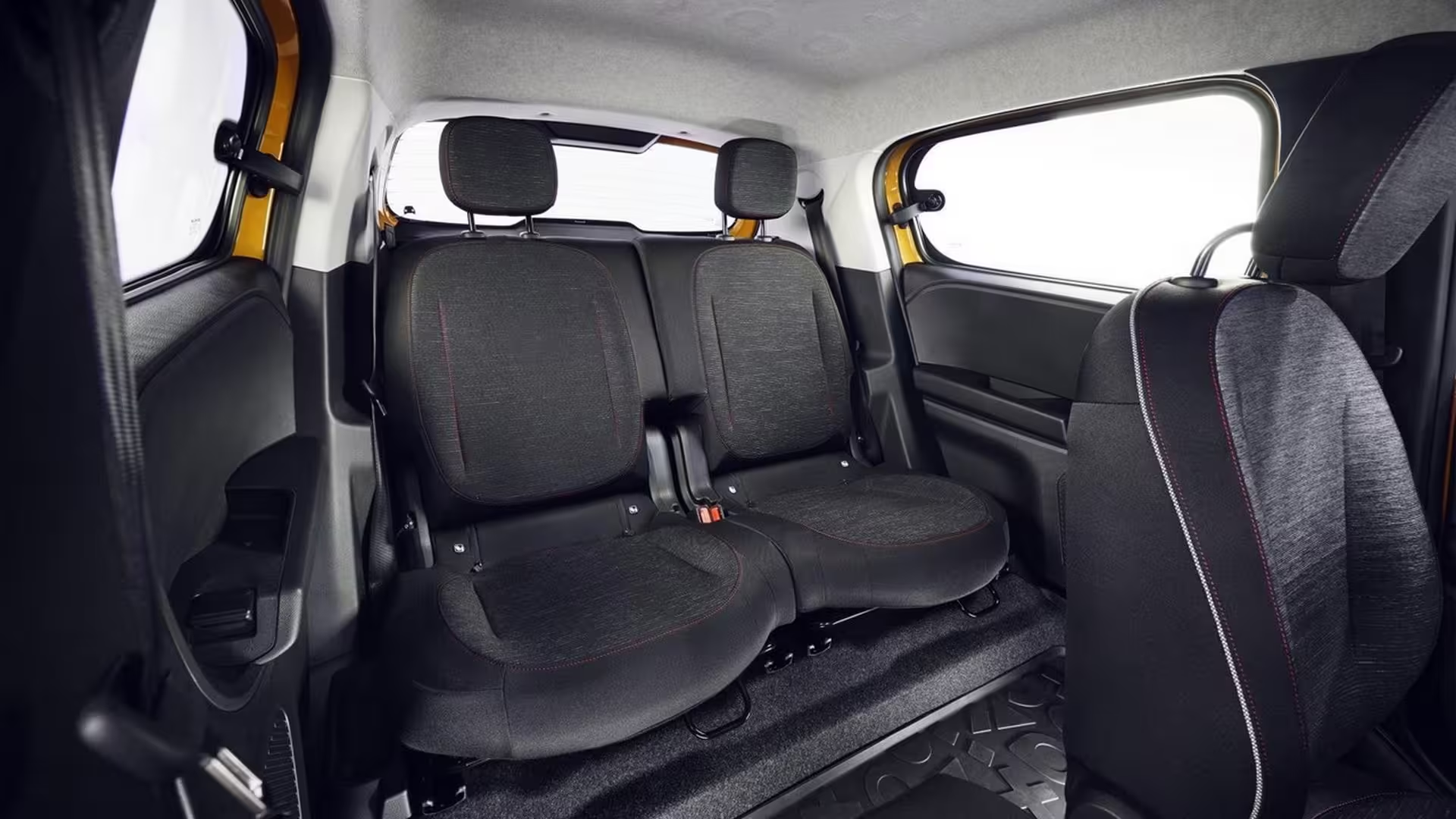
- Seating: 4 passengers
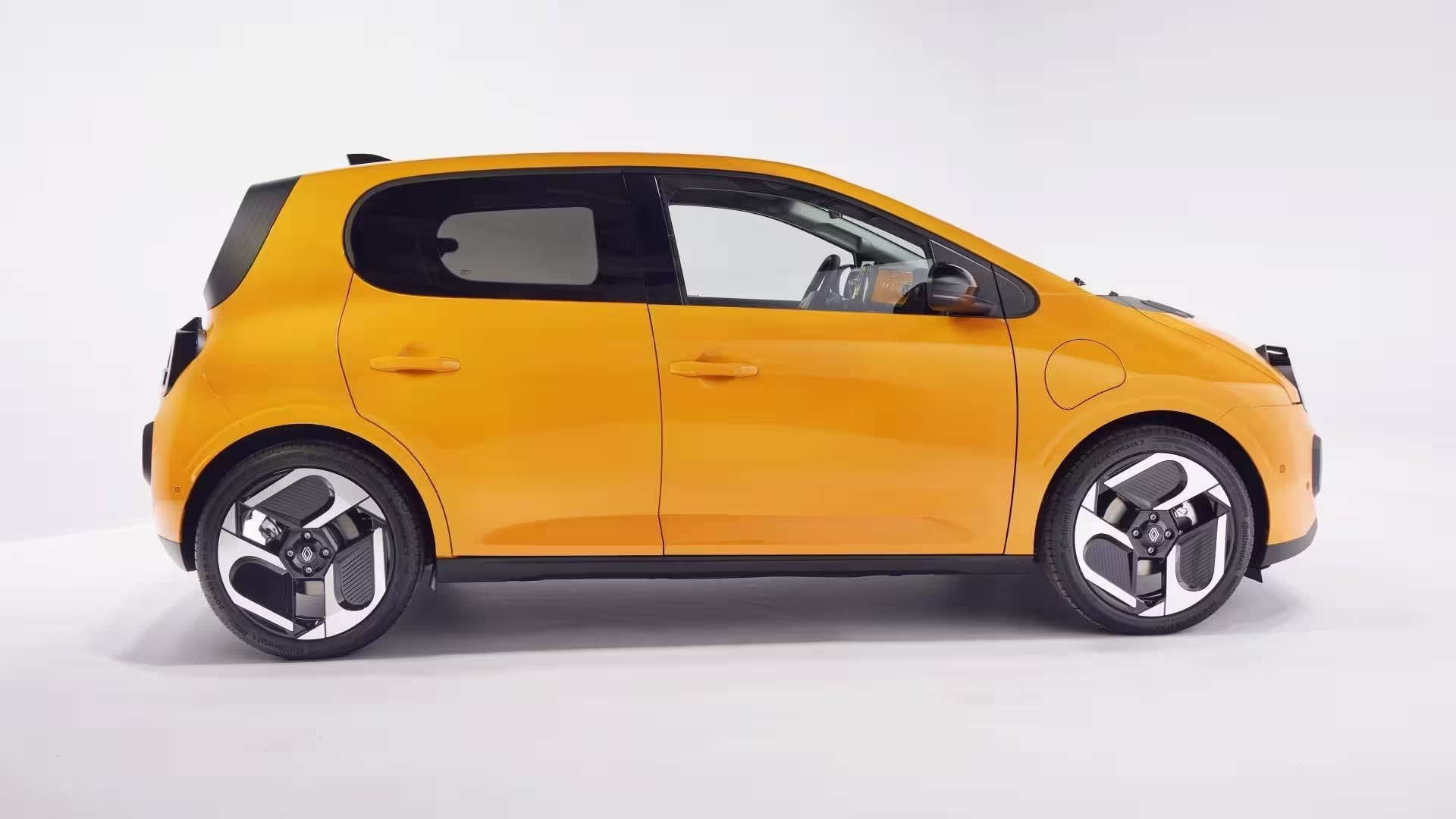
- Dimensions: approximately 3.79 m long, 1.73 m wide, 1.47 m tall, 2.49 m wheelbase
- Boot capacity: near 360 liters
Those numbers paint a picture of a true urban runabout rather than a long-distance EV. The 27.5 kWh pack is modest even for city use, but paired with a light curb weight and efficient drive systems it could be sufficient for daily commuting and weekend errands.
Range, charging and real-world usability
Renault's quoted WLTP range of 260 km should be taken as an optimistic benchmark. In mixed driving or hilly terrain the usable range will fall short of that number. For many urban drivers doing around 30 to 50 km per day, however, the Twingo could go several days between charges and may only need plugging in once or twice a week.
Fast charging will be limited by a small battery capacity, and public rapid sessions are likely to take 20 to 30 minutes for a meaningful top-up. That is acceptable for occasional longer trips, but the car is best viewed as a city-focused second car or primary commuter vehicle where home or workplace charging is available.
Why LFP and what it means for ownership
Choosing LFP cells is a cost and safety decision. Compared with nickel manganese cobalt chemistry, LFP batteries are cheaper per kWh, less prone to thermal runaway, and tend to offer strong longevity characteristics. Yet LFP energy density is lower, which helps explain the relatively small pack capacity in the Twingo E-Tech.
Renault seems to accept a trade-off: lower purchase price and improved battery resilience versus shorter range and a relatively heavy pack for its size. Industry estimates suggest LFP packs can remain useful for many years, but automakers still plan for battery life spans that could lead to replacement considerations after a decade-plus of use.
Price and market positioning
Leaked pricing points to a starting figure around €20,000. That's competitive for a branded small BEV but not inexpensive relative to conventionally powered rivals such as the Dacia Sandero, which offers more room for the money. Renault appears to be betting on emotional appeal and urban convenience to win buyers who value design and brand cachet over pure practicality.
Hypothesis: buyers will pay a premium for nostalgia and personality
Early adopters and style-conscious buyers may happily accept the limited range and battery size in exchange for the Twingo's styling and Renault heritage. The brand's challenge will be converting nostalgia into sustainable sales once incentives fade and customers compare total cost of ownership.
Competition and who should consider the Twingo E-Tech
The Twingo E-Tech competes with other compact electric city cars and budget BEVs. Its closest advantages are charisma, compact dimensions, and platform efficiencies that keep costs down. Buyers who live in urban or suburban environments, who have reliable access to charging at home or work, and who prioritize design over long-range capability will find it compelling.
Those who need spacious interiors, longer trips without frequent charging, or the lowest possible purchase price may look toward larger hatchbacks, small crossovers, or budget petrol-powered models instead.
Final thoughts
Leaked images and early spec reports make the Renault Twingo E-Tech look like a cleverly positioned urban EV: compact, characterful, and engineered to be affordable through platform sharing and LFP battery tech. Its success will hinge on how many buyers are willing to pay roughly €20,000 for a small, four-seat city car with limited range but strong visual appeal.
In short, Renault is not selling just a car, it is selling a lifestyle choice: a nostalgic, city-first EV that promises personality over range anxiety. If that resonates, the Twingo could become a familiar sight in European cities — at least for the next decade.


Leave a Comment
Comments (2)
Is €20k really smart for a tiny 4-seater with that LFP pack? Feels like paying for looks not range. Who's lived with small EVs long-term?
Wow this is cute, love the retro vibe! But 27.5 kWh sounds tiny and 260km WLTP? Sure... in lab conditions. Still would grab one for city runs tbh