
4 Minutes
Mazda's bold step: a gas engine that claims to out-clean EVs
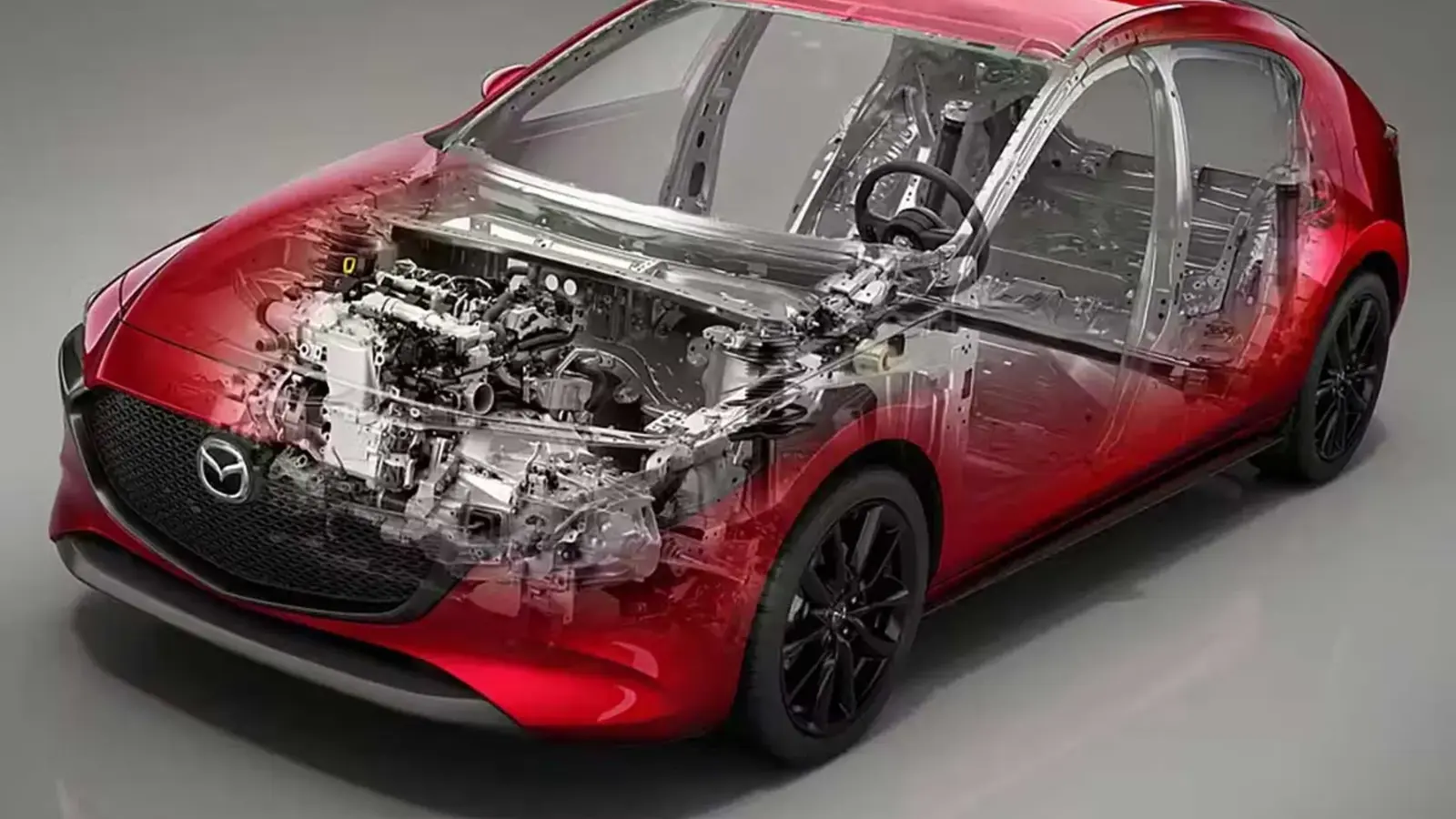
Mazda says its new Skyactiv-Z engine pushes internal-combustion technology into territory many assumed reserved for electric vehicles. The Japanese automaker isn’t just improving fuel economy — it has reworked combustion, thermal management and hybrid integration to produce an engine package designed to cut traditional pollutants and raise efficiency dramatically.
How Mazda evolved Skyactiv into something new
For more than a decade Mazda has refined its Skyactiv philosophy: simpler, lighter, and thermally smarter engines. The Skyactiv-Z is the next chapter. Rather than chasing turbocharging complexity or piling on emissions hardware, Mazda built on a core idea first introduced as SPCCI — spark-controlled compression ignition — and pushed it further.
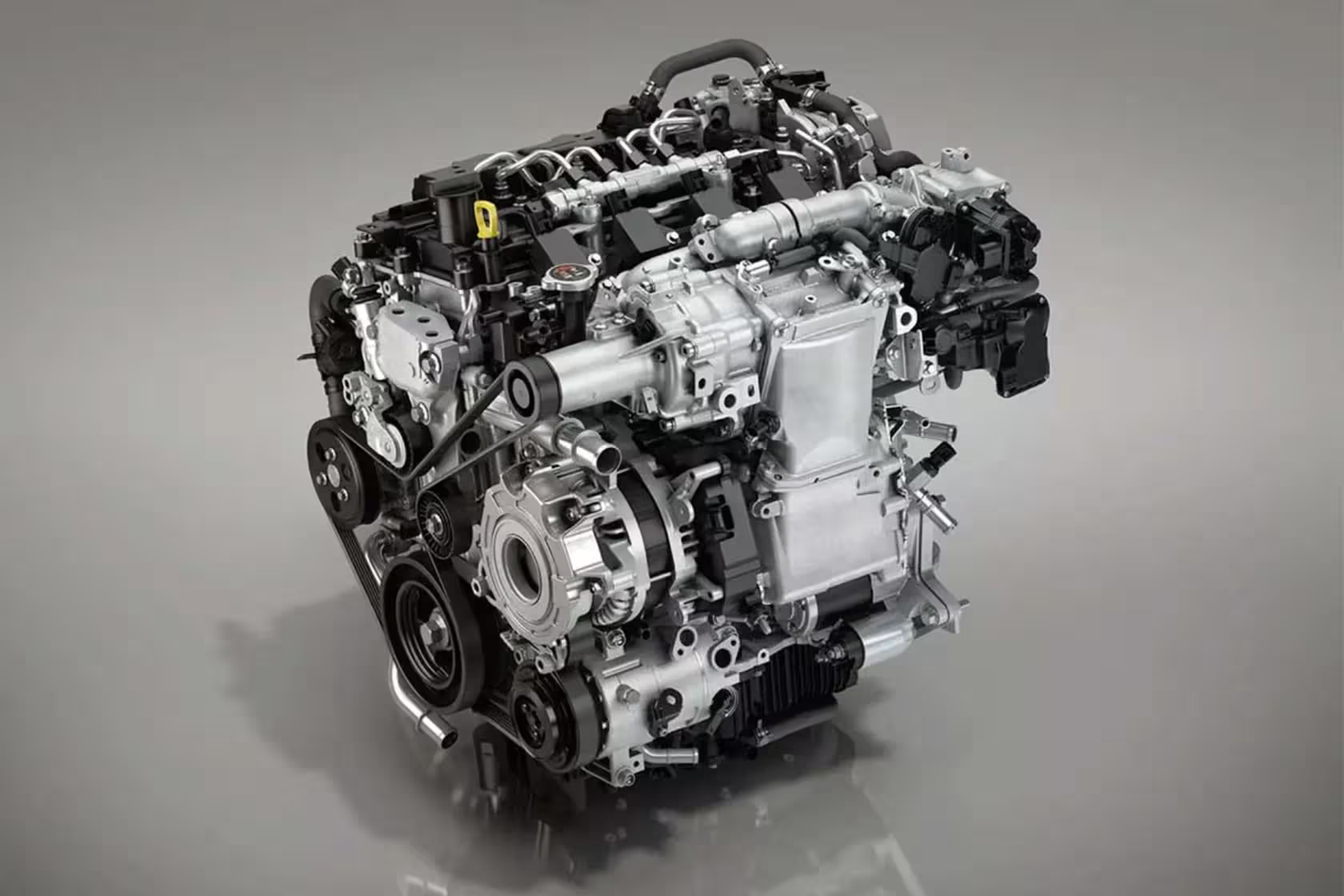
In practical terms, the system combines the control of spark ignition with the efficiency of compression ignition. A very lean air-fuel mixture enters the cylinder, compressed close to its auto-ignition threshold. A small, precisely timed fuel injection near the spark plug followed by a spark creates a pressure wave that triggers uniform, complete combustion of the lean mixture. The result is:
- much lower particulate soot production
- lower peak temperatures, which reduces NOx formation
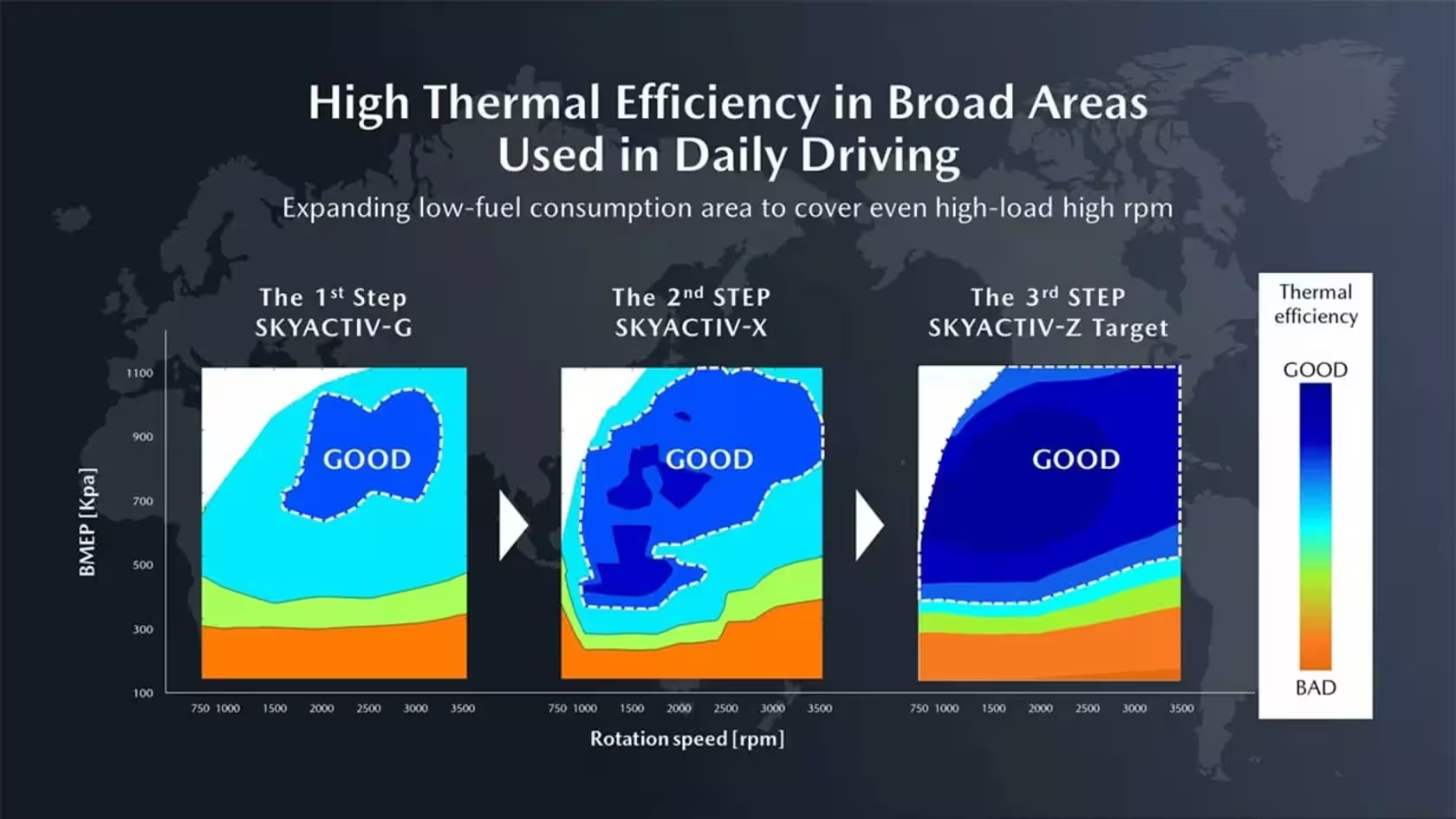
- higher thermal efficiency compared with conventional gasoline engines
Mazda engineers previously achieved a compression ratio around 16:1 and reported efficiency gains of roughly 20–30 percent over earlier generations. Skyactiv-Z takes these foundations and adds two major advances: hybrid integration and aggressive waste-heat recovery.
Hybrid-first architecture and waste-heat harvesting
Skyactiv-Z is designed from day one to work with an electric motor. That hybrid pairing allows the engine to operate with even leaner mixtures and smoother load control, maximizing efficiency without compromising drivability. On top of that, Mazda uses thermal insulation and a waste-heat recovery system that converts engine heat normally lost to the environment into electricity to feed the hybrid system.
The implications are significant: higher real-world fuel economy, preserved or improved power delivery, and the ability to meet stringent emissions standards such as Euro 7 without heavy sacrifices to performance.

First application and packaging
Mazda plans to debut Skyactiv-Z in the CX-5 SUV, a high-volume model that gives the new engine immediate market relevance. Engineers designed the powertrain to be modular: it can serve as
- the heart of a mild-hybrid system
- a range-extending generator in battery-electric vehicles
That flexibility helps Mazda balance regulatory pressure, consumer demand for low emissions, and the realities of charging infrastructure in many regions.
Why this matters in the age of electrification
A striking claim — that a gasoline engine could be 'cleaner' than an electric car — needs context. Electric vehicles produce zero tailpipe emissions, but their lifecycle emissions depend on electricity generation and battery production. Mazda’s approach targets tailpipe pollutants and real-world fuel efficiency while preparing the engine to run on lower-carbon or carbon-neutral fuels.
The company is testing synthetic and carbon-neutral fuels, and experimenting with advanced aftertreatment and gas-cleaning systems. Long-term ambitions even include technologies that could capture CO2 rather than only emitting it.
Key highlights
- SPCCI-based combustion with lean-burn ratios and high compression
- Integrated electric motor for hybrid efficiency and smoother operation
- Waste-heat recovery converts lost heat into electric energy
- First fitment: Mazda CX-5, with potential as a range-extender for EVs
- Designed to meet future Euro 7-style limits while maintaining power
"The goal was not to replace electrification but to make combustion engines relevant and cleaner in a mixed powertrain future," Mazda engineers explain.
Market positioning and outlook
Skyactiv-Z represents a pragmatic path for manufacturers and buyers who face uneven EV adoption worldwide. It could give fleet operators, regions with limited charging infrastructure, and drivers seeking familiar fueling options a low-emissions alternative. Whether consumers and regulators will embrace a combustion engine that claims near-zero emissions depends on independent testing, lifecycle assessments, and how quickly low-carbon fuels scale.

In short, Skyactiv-Z is an ambitious fusion of combustion science, hybrid electrification and thermal engineering. It won’t end the EV era, but it may redefine the role of internal combustion for years to come.

Leave a Comment
Comments (2)
Is this even true? lifecycle emissions vary, batteries aside. sounds clever but who pays for synthetic fuel? hmm
wait, a petrol engine cleaner than an EV? wild. if Mazda pulls this off, big props, but prove it.. real tests pls