
3 Minutes
Immediate pause at Dearborn as Ford fixes a broken hood die
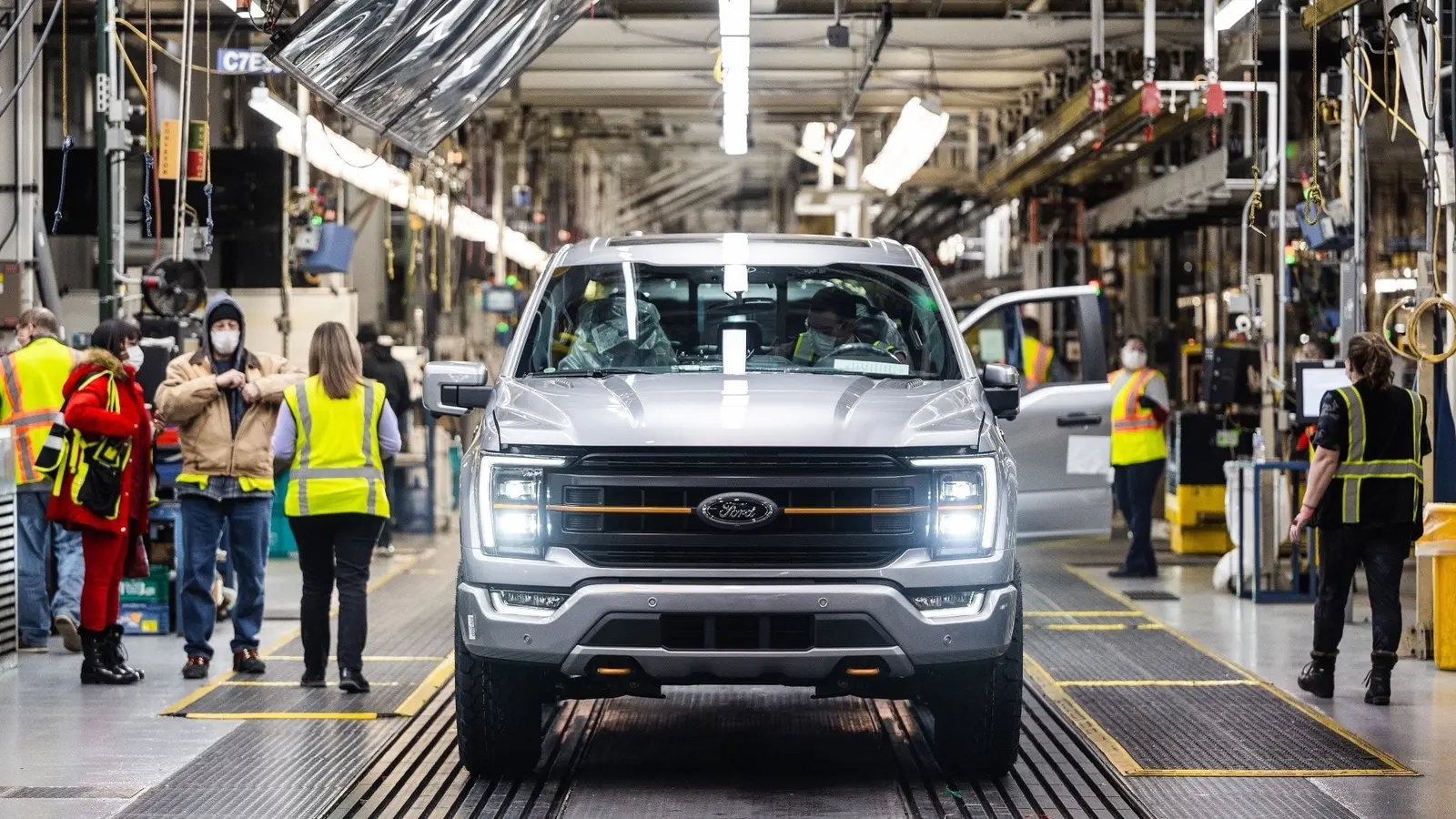
Ford has reportedly stopped assembly of its flagship F-150 for a planned three- to four-day outage at the Dearborn plant after a critical hood die failed at a nearby stamping facility. The short-term shutdown, timed around the US Memorial Day weekend, could erase roughly 2,500 trucks from the production run and adds fresh strain as the automaker tries to recover from earlier supply disruptions.
What went wrong
The issue is not a supplier fire or semiconductor shortage this time, but an internal equipment failure. A hood die is a heavy-duty mold used to stamp and shape aluminum into outer and inner panels before they are fitted to the F-150. When that die broke, the stamping plant had to pause operations while technicians repair or replace the tool, forcing the Dearborn assembly line offline for the affected shifts.

Sources familiar with the situation say production stopped on Thursday evening and the plant remained offline through Friday, Saturday and potentially Sunday, with Monday coinciding with the Memorial Day holiday. The timing converts what might have been a short repair into a full, multi-day stoppage for the factory.
Production context and recovery plans
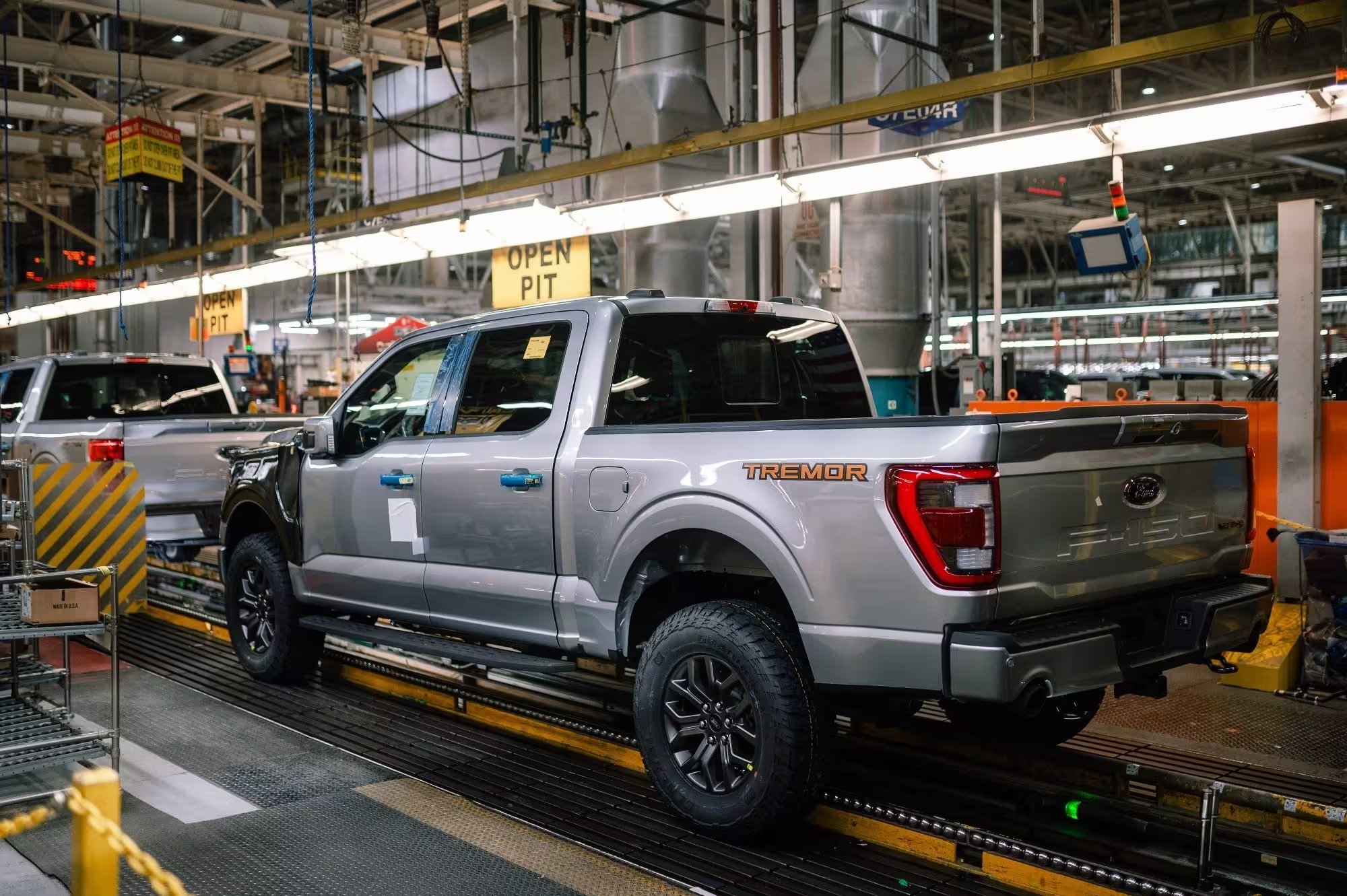
Ford has been running the Dearborn facility nearly flat out, operating two 10-hour shifts and effectively producing for 20 hours each day. Still, the company is reportedly about 60,000 trucks short compared with last year, largely a hangover from two fires at Novelis' aluminum plant in Oswego, New York, in November 2025. Those events choked supply of a crucial material and forced temporary shutdowns and production changes across Ford's truck lines.
To try to close the gap, Ford previously canceled summer shutdowns at some factories and leaned into overtime. Now it is exploring options to recoup lost output, which could include adding a third shift or scheduling a so-called super Saturday or super Sunday to make up hours. Even so, analysts and company sources caution that full recovery will likely stretch into the later part of the year.


Estimated impact
- Anticipated short-term loss: about 2,500 F-150 pickups. - Broader shortfall year-to-date: roughly 60,000 trucks versus 2025. - Possible mitigation: extra weekend shifts or a temporary third shift to boost output.
These measures can reduce the shortfall but will not erase the earlier disruption caused by the Novelis fires, which remains the largest single factor depressing 2026 production.
Market implications and rivalry with GM
The F-150 family remains the backbone of Ford’s lineup and part of the F-Series streak as America’s best-selling truck range for decades. Yet production hiccups open a window for rivals. General Motors, with the Chevrolet Silverado, is closing the gap in market share, helped in part by Ford’s constrained supply this year.
For context, Ford sold about 828,832 F-Series trucks in the US in 2025, while Chevrolet moved roughly 577,434 Silverados. Supply interruptions do not mean an immediate change in market leadership, but they tighten dealer inventories and can shift short-term buying patterns.
What drivers and dealers should expect
Dealers may see limited inventory pressure if outages continue, which can affect dealer ordering and delivery timelines. For consumers, model availability, specific trims and popular options may take longer to source, prompting some buyers to consider alternative trucks or extended wait times.
In short, the Dearborn pause is a reminder of how even a single broken stamping tool can ripple through a global production chain. Ford appears set to prioritize rapid repair and targeted make-up shifts, while the broader recovery from last year’s Novelis disruptions will continue to shape F-150 supply and market dynamics through the rest of 2026.

Leave a Comment
Comments (2)
Honestly, feels like supply chain dominoes. They should run a super Saturday, buyers hate waits though.
Wait, a single hood die broke and they lose 2,500 trucks? That sounds... extreme. If true, Ford really needs more spare tooling or faster repairs.