
4 Minutes
An alarming number: 625 kg
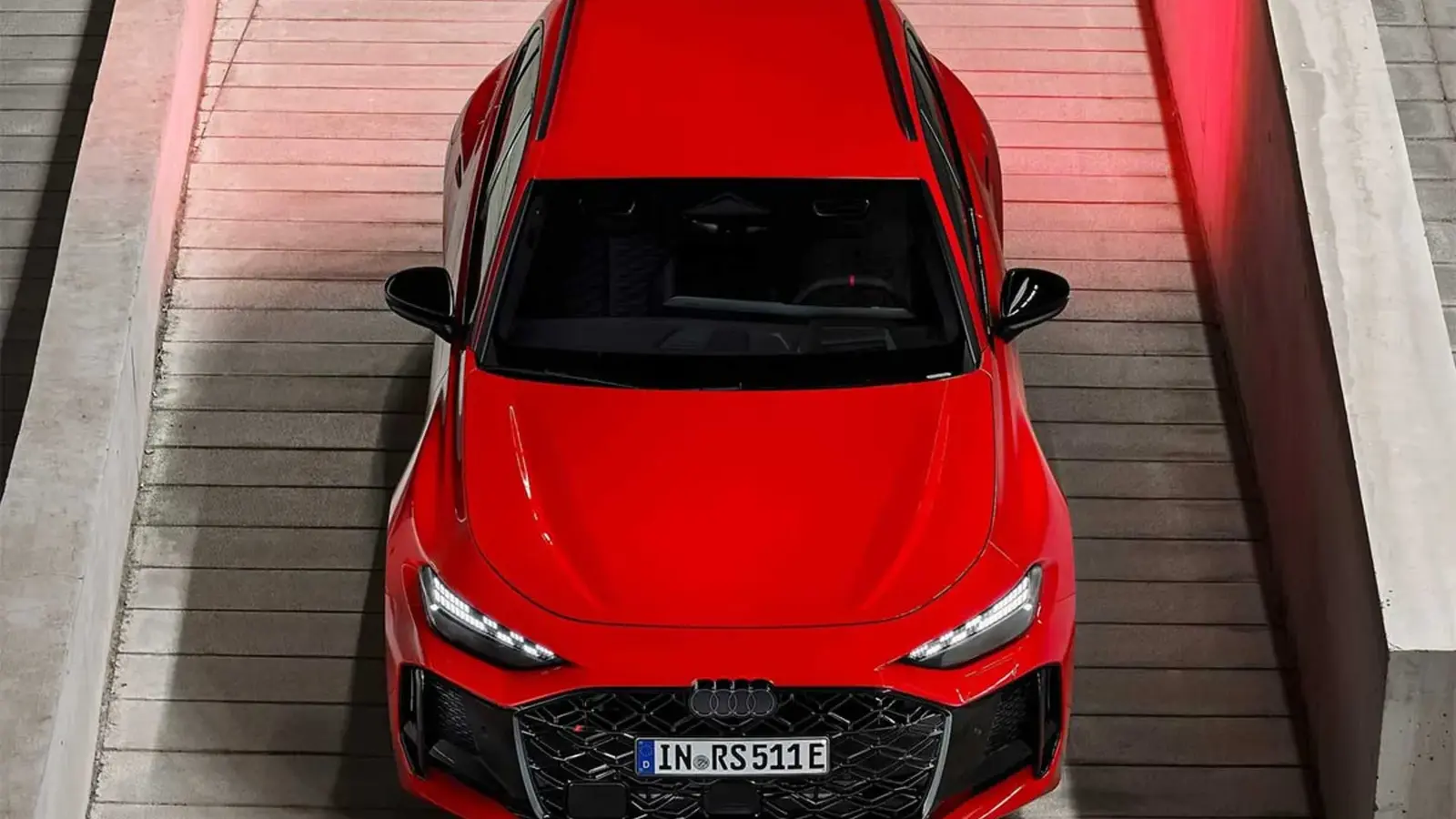
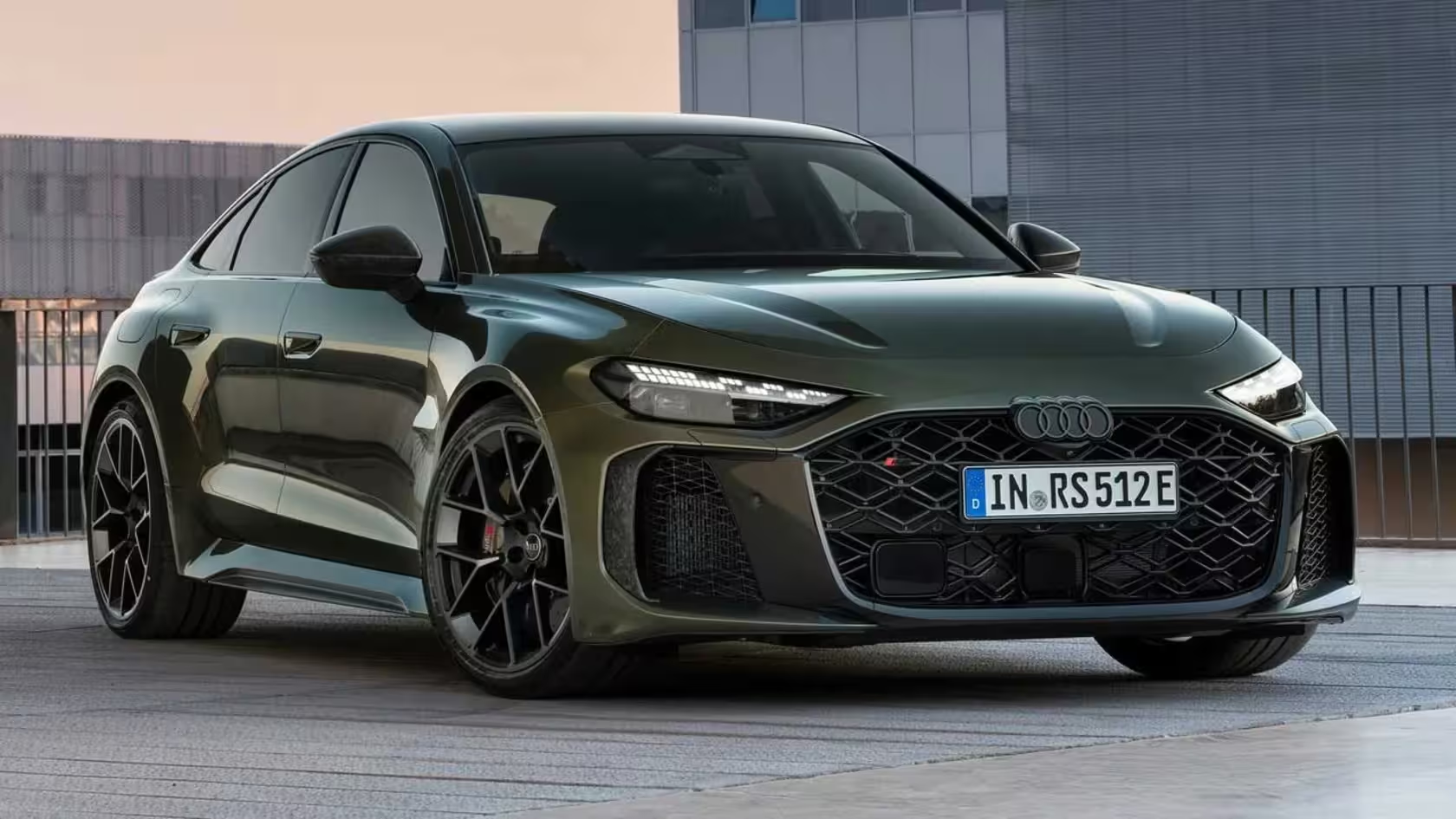
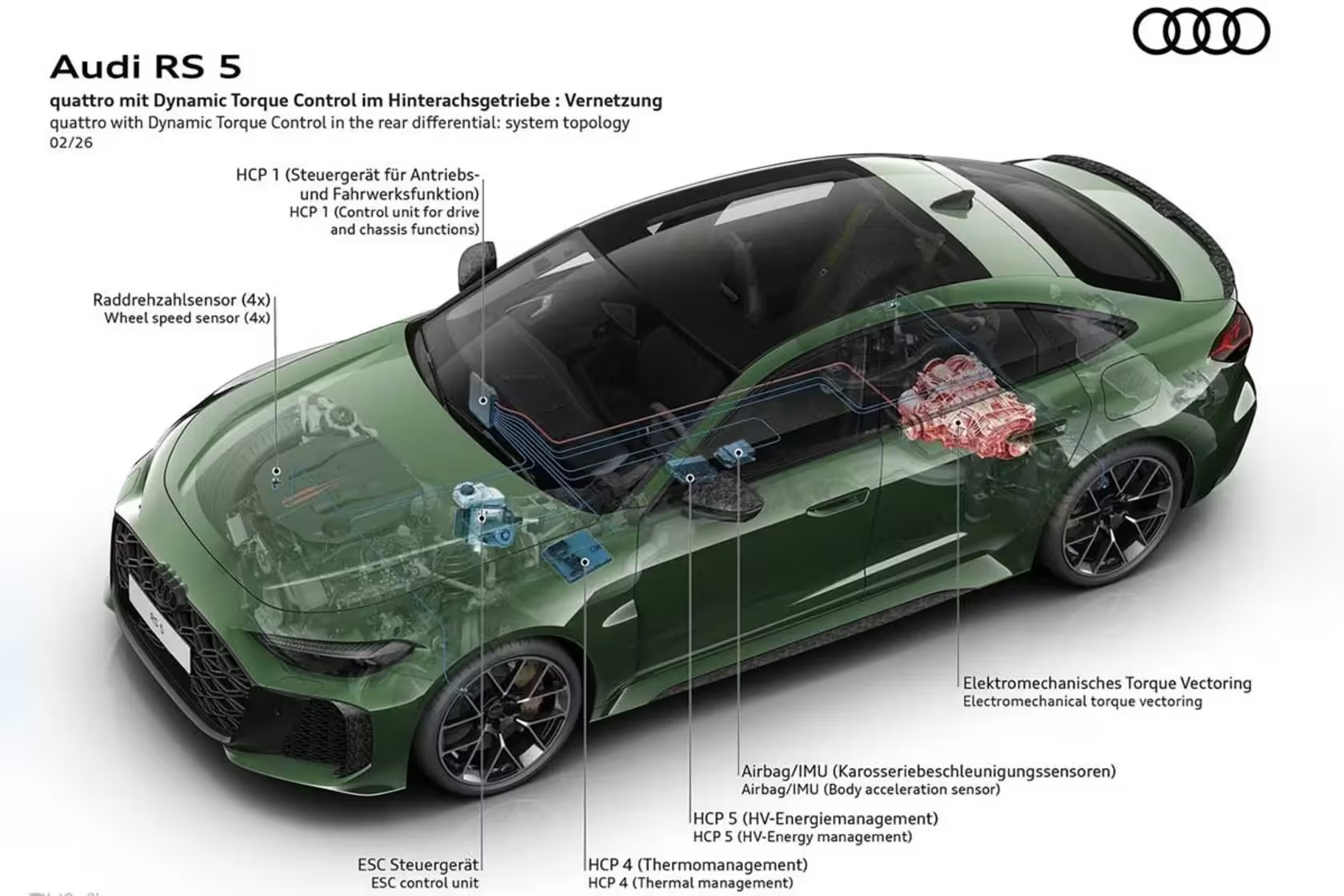
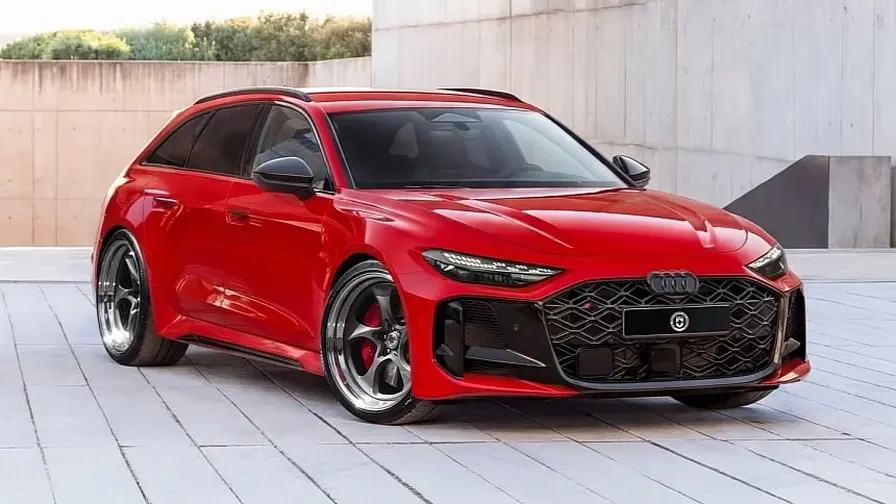
When Audi unveiled the new RS5, one spec dominated headlines—not peak power or torque, but sheer mass. The latest RS5 has ballooned by roughly 625 kg compared with its predecessor, bringing curb weight to about 2,355 kg for the coupe and 2,370 kg for the Sportback. For context: that’s in the ballpark of an Audi A4 on steroids. The reason is blunt and structural—this is Audi Sport’s first plug-in hybrid (PHEV) RS model, and electrification brings batteries, motors, and packaging penalties that are hard to avoid.
Why performance cars are suddenly so heavy
The shift toward PHEV powertrains in high-performance cars is less a stylistic choice than a response to increasingly strict emissions regulations. Automakers in Europe face steep CO2 reduction targets—55% by 2030 and up to 90% by the mid-2030s versus 2021 levels—and the forthcoming Euro 7 rules (expected November 2026) will widen real-world testing and even tally particulate emissions from tires and brakes. For many brands, the pragmatic way to keep their multi-cylinder engines while meeting rules is to add electric drive and a sizable battery. The consequence: dramatic weight gains.
A difficult trade-off
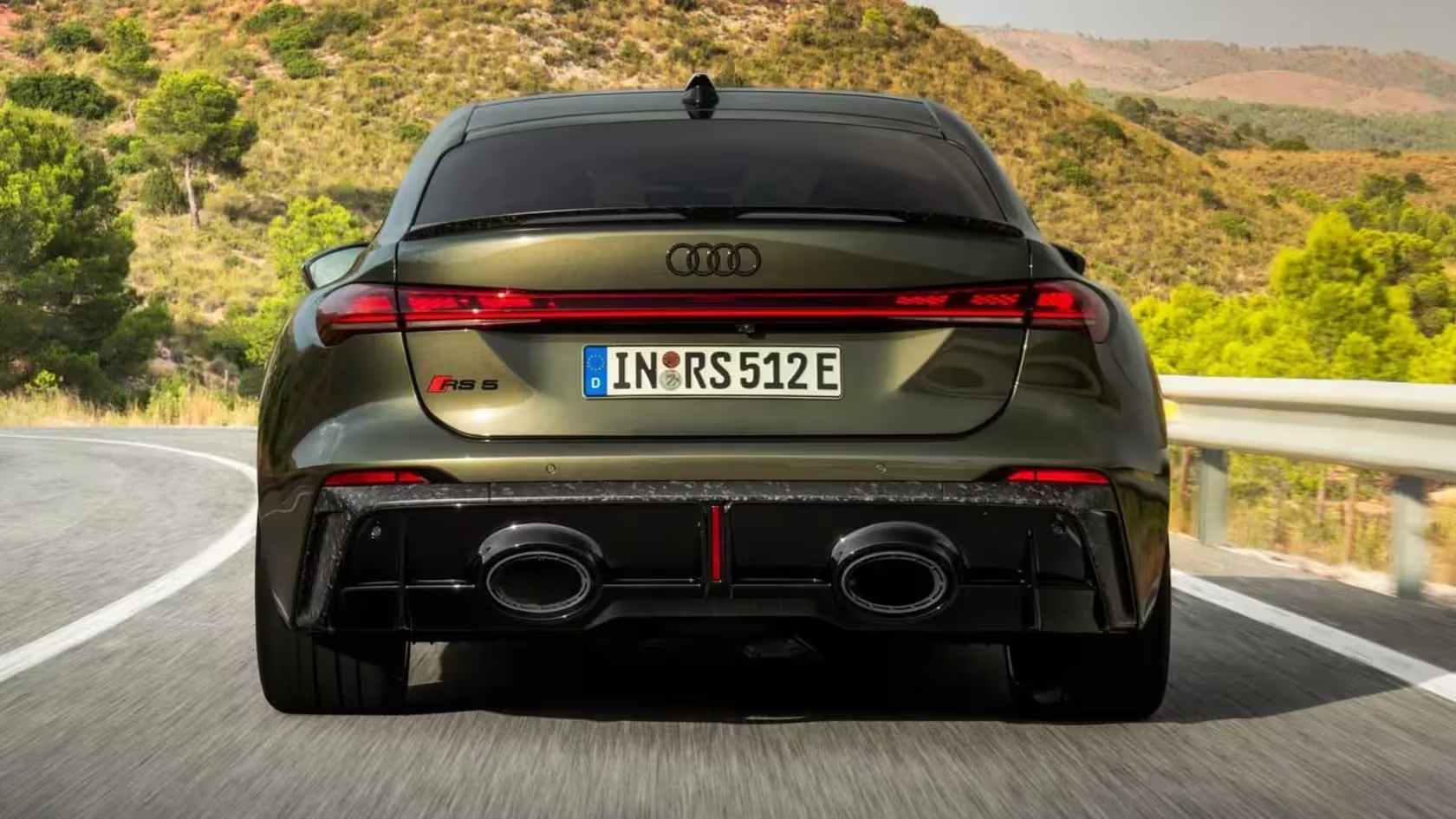
Audi could have chased lower mass by replacing its V6 with a smaller four-cylinder to shave kilograms, but that would have sacrificed character and appeal. Mercedes-AMG’s four-cylinder C63 experiment showed that downsizing can damage desirability and sales. On paper, the PHEV RS5 is cleaner: CO2 emissions drop to about 88 g/km and combined fuel consumption is claimed at 3.9 L/100 km—provided the 22 kWh battery is charged. By comparison, the older RS4 emitted roughly 219 g/km and consumed near 9.7 L/100 km.
But those eco-numbers are conditional. In electric city driving, the RS5’s EV range reaches up to 86 km. Once the battery is depleted, fuel consumption jumps to roughly 9.6 L/100 km—almost the same as the much lighter previous generation. So the environmental and fuel benefits depend heavily on driver behavior and charging habits.
Weight vs. dynamics: the unintended consequences
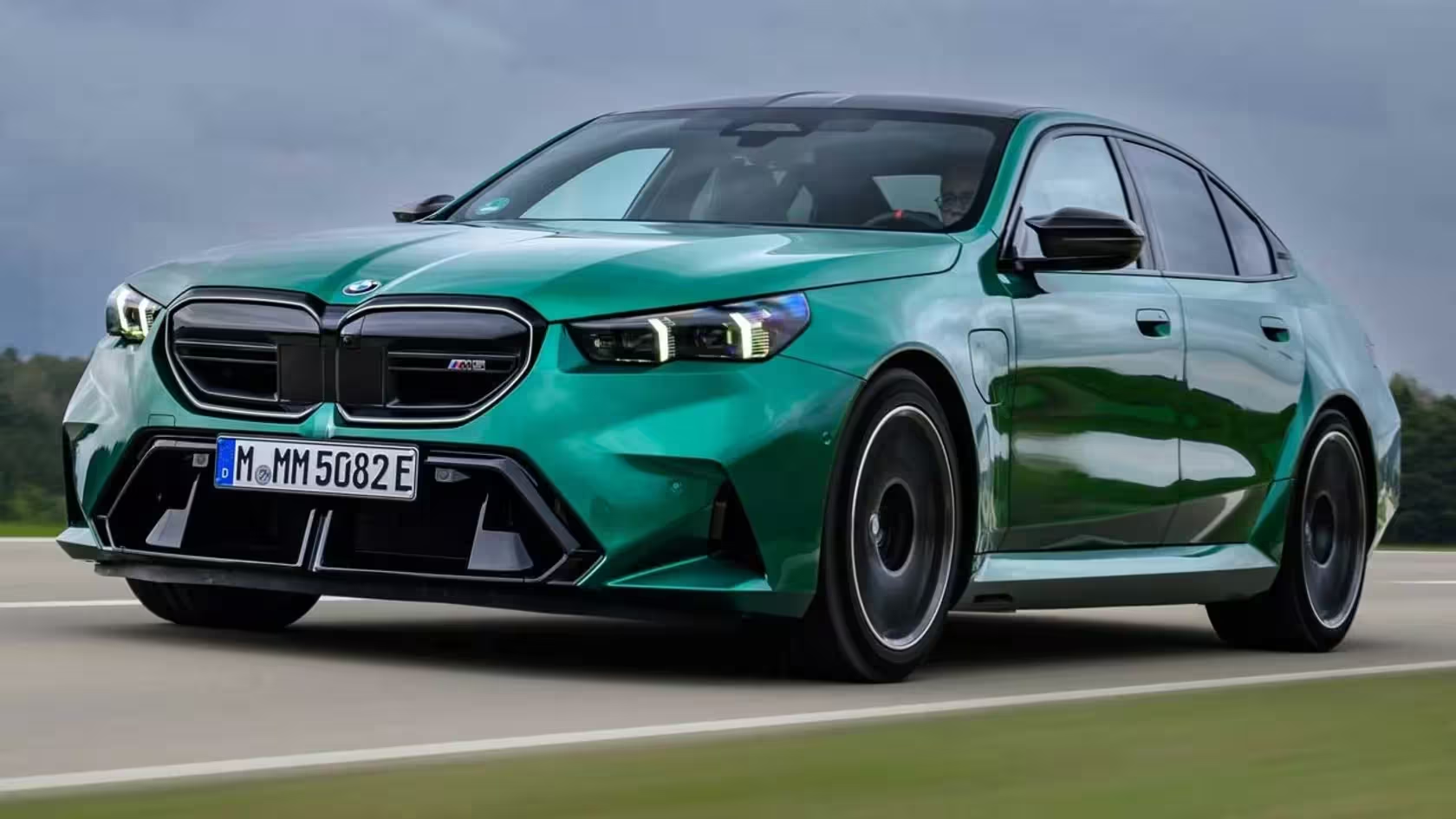
Heavier cars change the physics: more mass affects cornering agility, braking distances, tire and brake wear, and unsprung dynamics. The new RS5 is paradoxical—270 kg heavier than the earlier RS6 sibling and only about 80 kg lighter than a V8 BMW M5, which sits in the next class up. Even the Mercedes C63 weighed in at around 2,090 kg, a reminder this trend is industry-wide.
Audi could offset pounds with expensive measures such as increased aluminum use or carbon-fiber panels, but that would push prices even higher and undermine market viability. For many buyers, the added cost for lightweight materials simply doesn’t balance with emissions compliance requirements.

Key specs and quick facts
- Platform: Audi Sport plug-in hybrid setup
- Battery: ~22 kWh usable capacity
- Electric range: up to 86 km (urban) on a full charge
- CO2: around 88 g/km (when charged)
- Combined fuel economy: 3.9 L/100 km (when charged); ~9.6 L/100 km after battery depletion
"This is the cost of survival for multi-cylinder performance cars in the Euro 7 era," one industry analyst commented. The phrase catches the mood in performance-car circles—enthusiasts understand the compromise, but many are uneasy.
What’s being lost?
Besides nimbleness, the shift to heavy PHEVs is threatening icons. Audi has confirmed that updating its legendary five-cylinder engine to meet Euro 7 will be uneconomical; the engine may be retired as soon as next year. That’s emblematic: some of the most cherished engines—auditory signatures and emotional selling points—are expensive to re-engineer to comply with new standards.
Market positioning and buyer choices
Manufacturers face three choices: electrify and accept weight, downsize and risk losing halo appeal, or go all-electric and change the driving experience entirely. Audi chose to preserve the V6 character while adding electric assist. That keeps the RS5 recognizably fast and sonorous—at least when the combustion engine is in play—but it changes the buying proposition.
For buyers and enthusiasts:
- If you prioritize authentic combustion-engine feel and lighter weight, look to lightly used pre-PHEV models.
- If daily emissions and urban EV range matter, PHEVs offer strong advantages when regularly charged.
- If long-term simplicity and maximum performance sit at the top of your list, fully electric performance cars are an increasingly viable—but different—alternative.
Outlook: a bittersweet future
The RS5’s weight gain is a clear example of the auto industry’s current tug-of-war: keep the engines fans love, or adopt smaller or fully electric powertrains to meet regulatory pressure. Euro 7 and aggressive CO2 targets may not kill internal combustion overnight, but they will change the shape, weight, and sound of performance cars. For many enthusiasts the transition will feel like a tidal shift: cleaner on paper, but heavier and less pure at the wheel.
Whether you view this evolution as necessary progress or the end of an era, the trade-offs are increasingly tangible every time a new PHEV performance model is launched. The question for buyers and automakers alike is how much weight—literally and figuratively—they are willing to accept.

Leave a Comment
Comments (2)
88 g/km only when charged? So once the battery's flat it drinks almost the same fuel as before. Is Audi banking on owners plugging in daily, or is this just clever math?
Wow 625 kg?? That's insane. A car the weight of a small whale, but still rocking a V6. Love the noise, hate the extra mass. Corners will feel heavy, unless you got $$$ for carbon