
3 Minutes
EU new-car market slips as electrified models gain ground
The European Automobile Manufacturers' Association (ACEA) reported a 3.9% decline in new car registrations across the EU in January 2026 compared with the same month a year earlier. The figures underline a market in transition: traditional gasoline and diesel models continue to lose traction while hybrid and electric alternatives capture an expanding share.
What the January numbers show
January's breakdown exposes sharp shifts by powertrain:
- Gasoline-only registrations plunged dramatically in several markets, with France seeing the steepest fall at 48.9% year-on-year.
- Diesel fell by 22.3%, leaving diesel with roughly an 8.1% share of new registrations for the month.
- Hybrids dominated January sales with about 38.6% market share.
- Battery-electric vehicles (BEVs) reached 19.3% of registrations, while plug-in hybrid electric vehicles (PHEVs) accounted for 9.8%.
The four largest EU markets — Germany, France, Italy and Spain — accounted for the bulk of activity, pushing electrified solutions ahead of conventional internal combustion engine (ICE) cars.
Manufacturers: winners and positioning
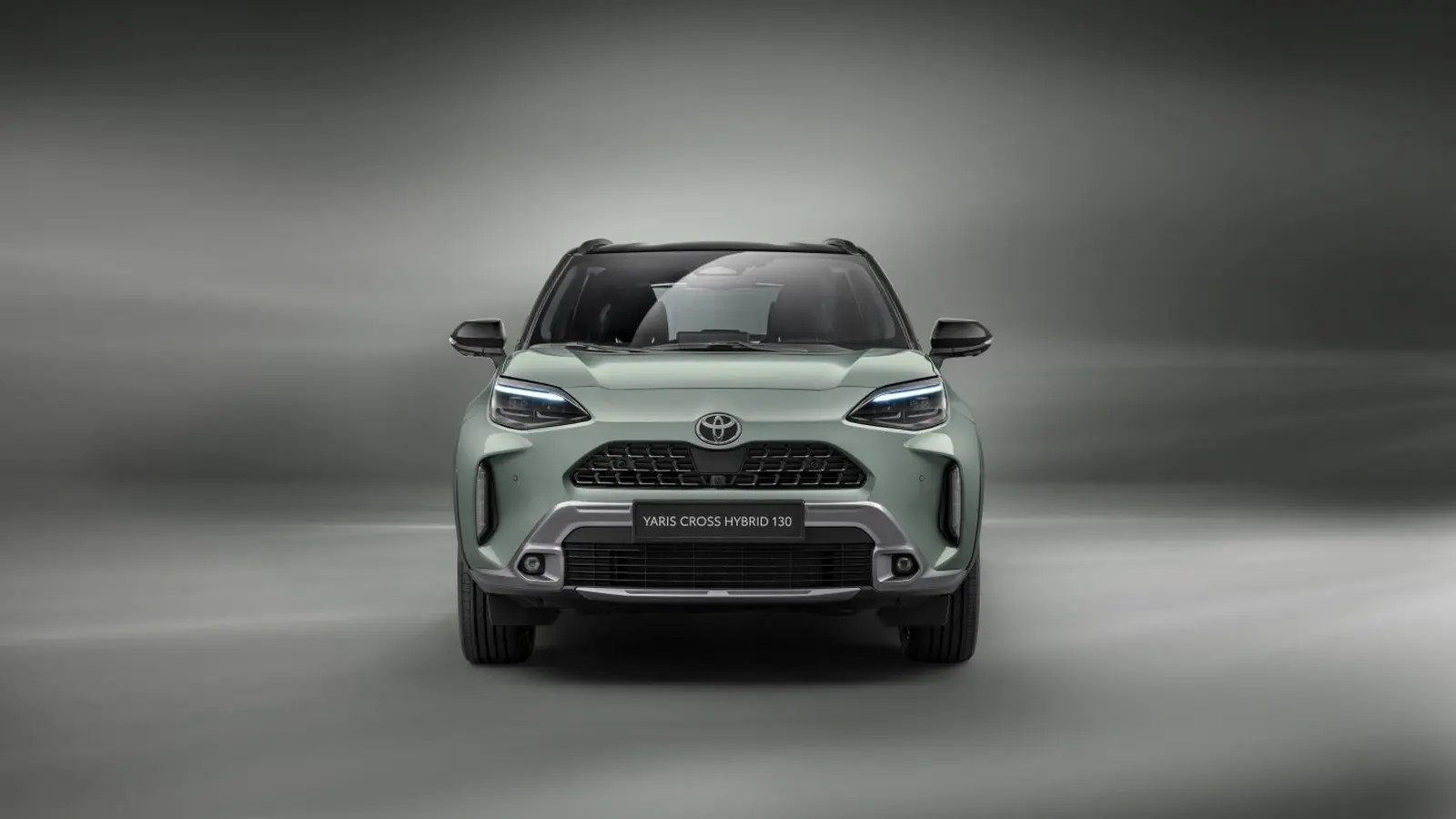
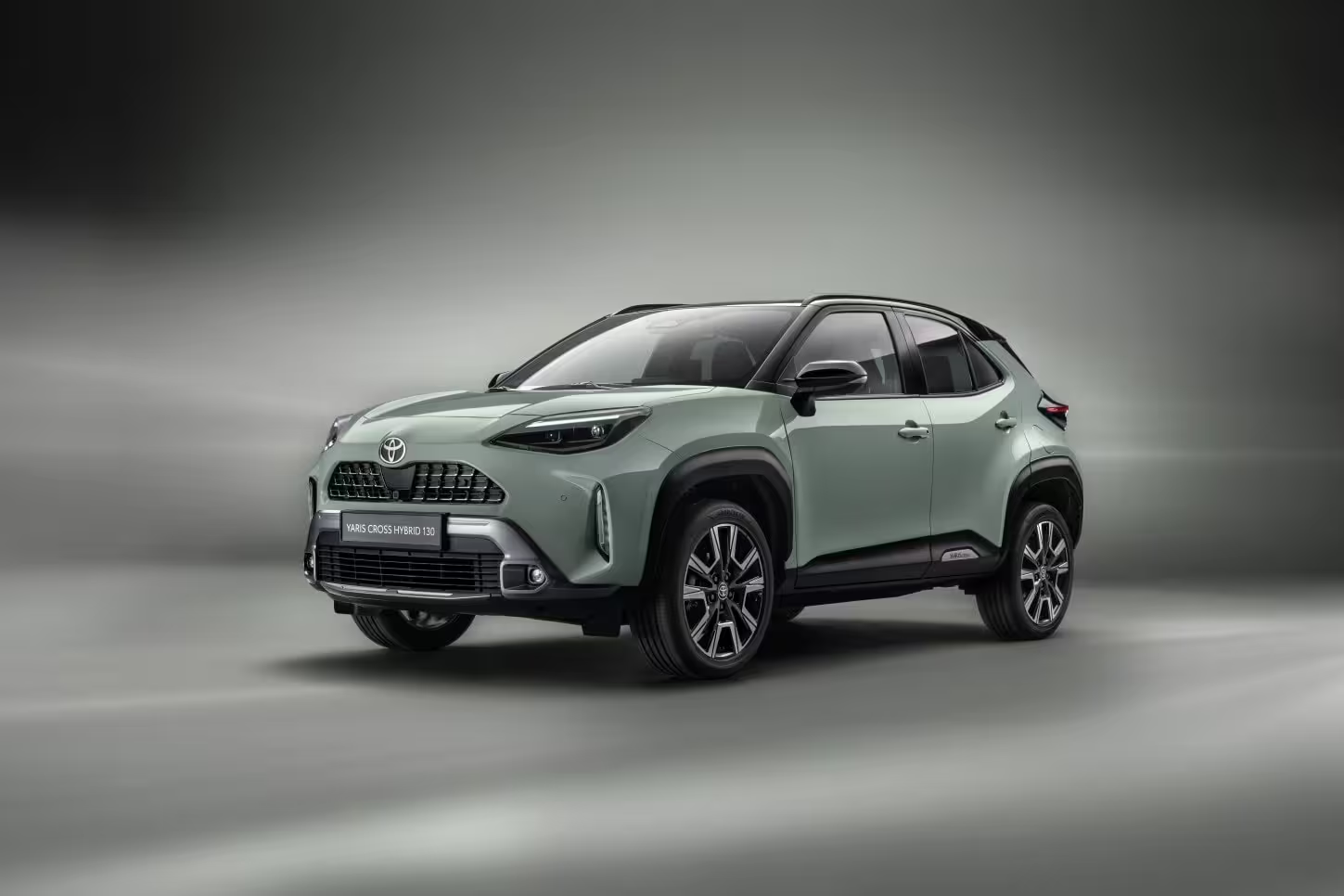
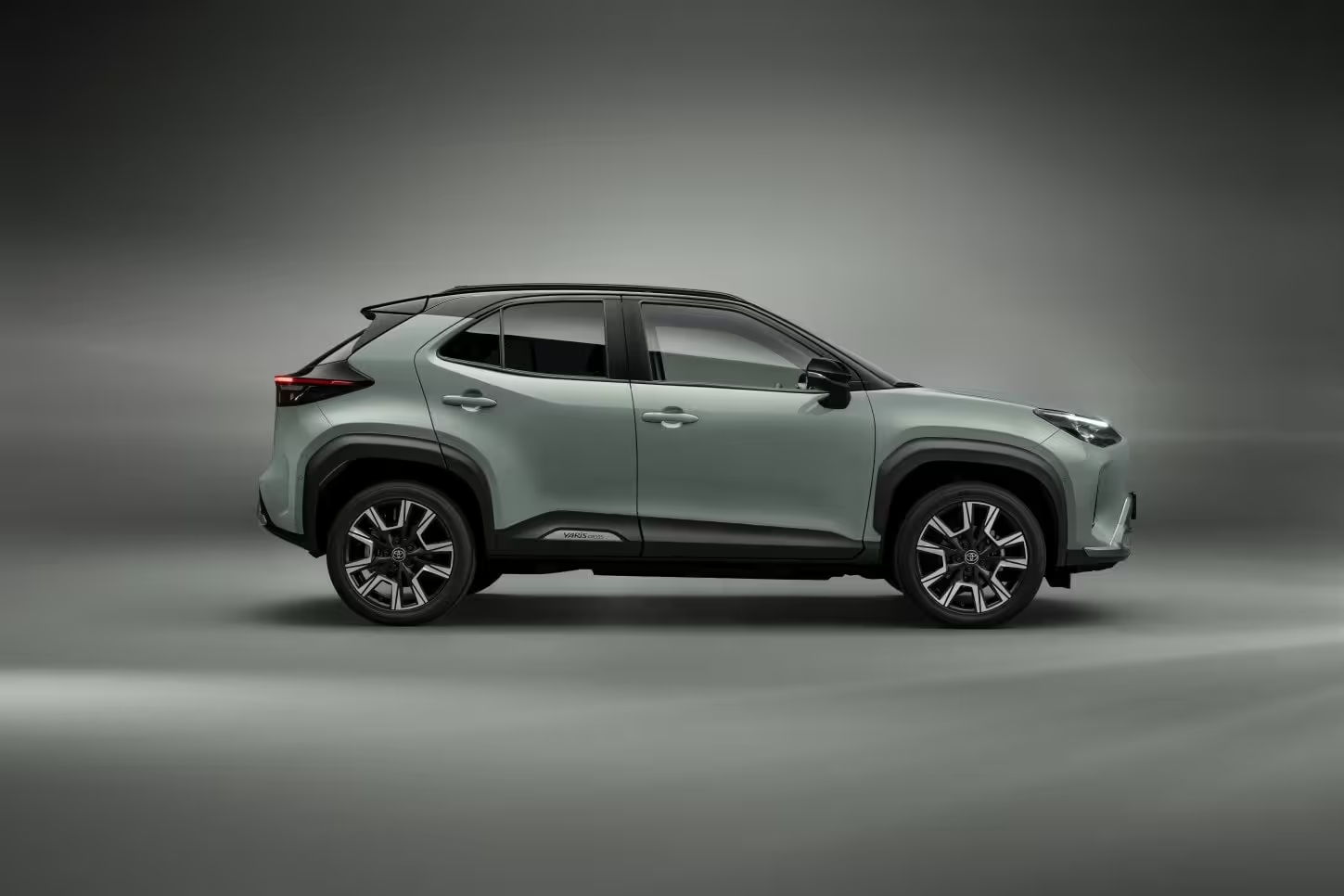
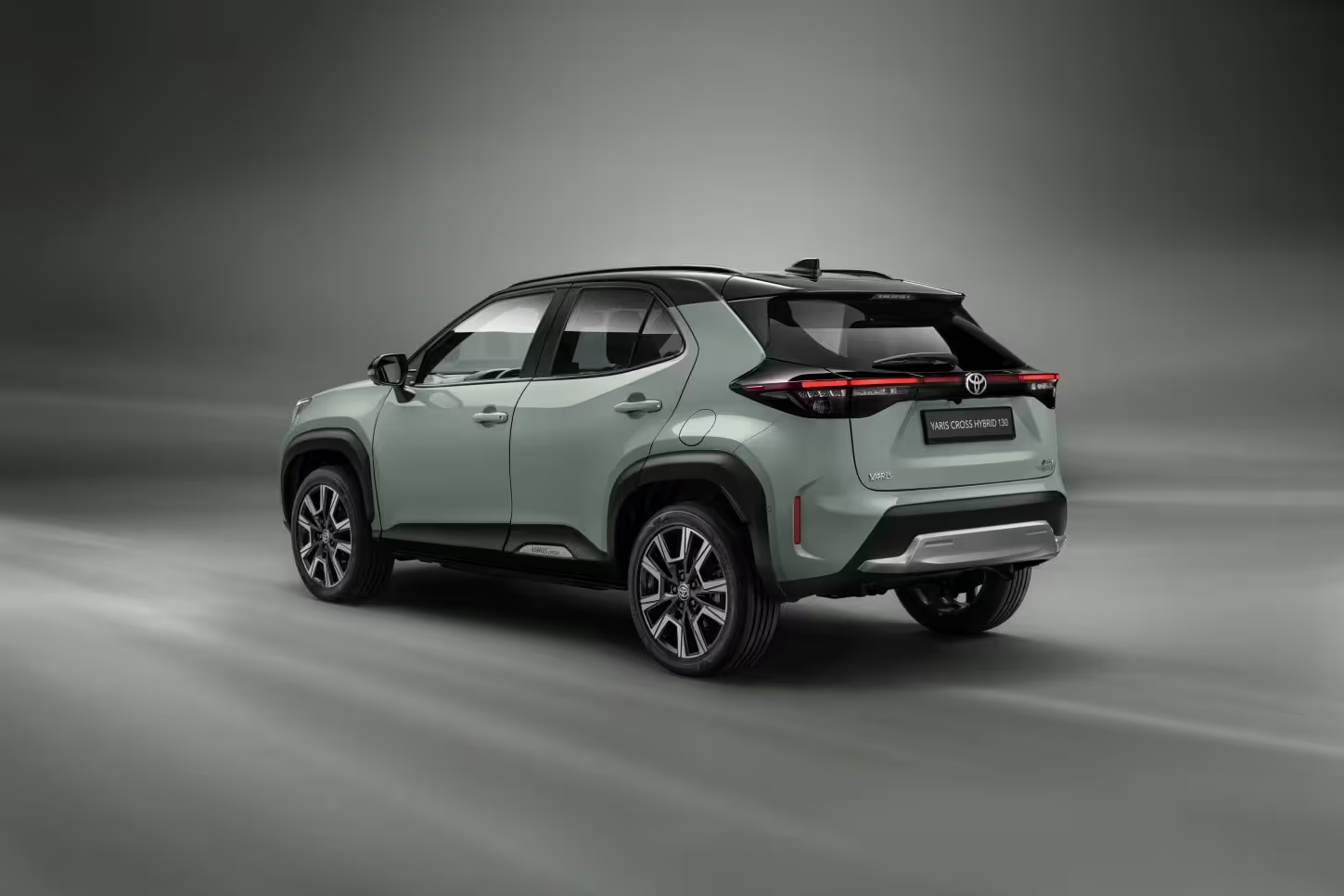
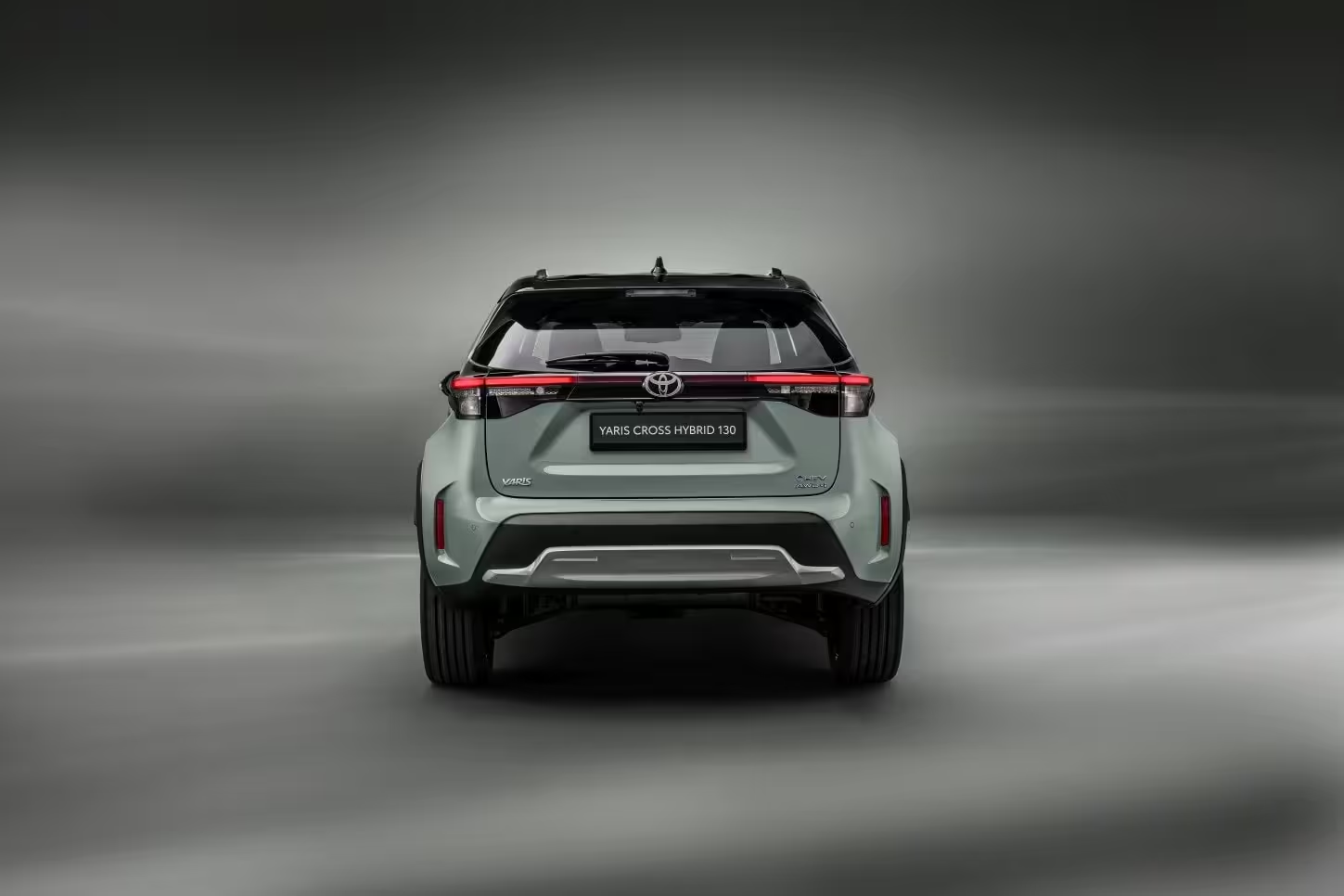
By group volumes, Volkswagen Group led January with 219,708 registrations. Stellantis followed with 146,750, Renault Group posted 75,243 and Toyota reached 61,572. Toyota’s high hybrid volume stands out: the Japanese brand sells more hybrids in Europe than any rival, with the subcompact Yaris Cross Hybrid especially popular among city buyers.
Volkswagen Group also heads the EU plug-in and BEV segments, outselling the likes of Tesla and BMW Group in the battery-electric space for the period.
Context: why consumers are choosing hybrids and EVs
Several structural forces are accelerating the shift away from gasoline and diesel:
- Regulation: Low-emission zones in many cities penalize older ICE cars, making ownership both inconvenient and costly.
- Tax policy: Purchase incentives, benefit-in-kind (BIK) schemes for company cars, and other fiscal nudges favor low- and zero-emission vehicles.
- Technical and compliance burdens: New emissions standards such as Euro 7 increase development costs and influence retailers' model mixes.
Given this environment, hybrids often represent the best compromise: simpler and cheaper to operate than pure ICE in urban settings but without the charging infrastructure demands of BEVs. That practical appeal helps explain why hybrid models are leading registration charts right now.
Popular models and competition
Top-selling hybrid and electrified models across Europe include:
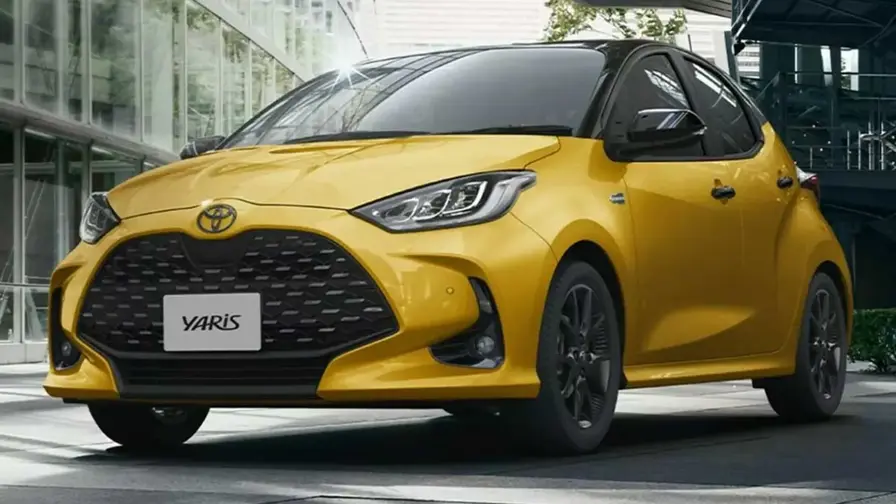
- Toyota Yaris Cross Hybrid, Yaris Hybrid, Corolla Hybrid, and C-HR Hybrid
- Renault Clio E-Tech Full Hybrid and Captur E-Tech Full Hybrid
- Hyundai/Kia group: Tucson Hybrid and Sportage Hybrid gaining traction
- Honda HR-V e:HEV as a strong alternative in the compact crossover segment
These models are positioned as efficient, city-friendly alternatives to traditional petrol and diesel hatchbacks and SUVs, often benefitting from lower running costs and better urban access.
Market outlook and takeaways
Electric vehicles set a new benchmark in 2025 with a 17.4% market share for the full year, while hybrids closed 2025 at about 34.5% and gasoline-only models still held roughly 26.6% of the market. January 2026 suggests that momentum will stay with electrified powertrains, especially hybrids and BEVs, as policy and consumer preference continue to favour lower-emission options.
Key highlights:
- The EU market is contracting slightly in the short term but structurally shifting to electrified mobility.
- Hybrids are the interim mainstream—balancing cost, convenience and regulatory compliance.
- Manufacturers with strong hybrid and BEV portfolios are best placed to gain market share.
For buyers, the message is clear: evaluate total cost of ownership, local low-emission rules, and charging access before choosing between hybrid, PHEV or full battery-electric options.

Leave a Comment
Comments
No comments yet. Be the first.