
Peugeot previews the future of its compact hatchback
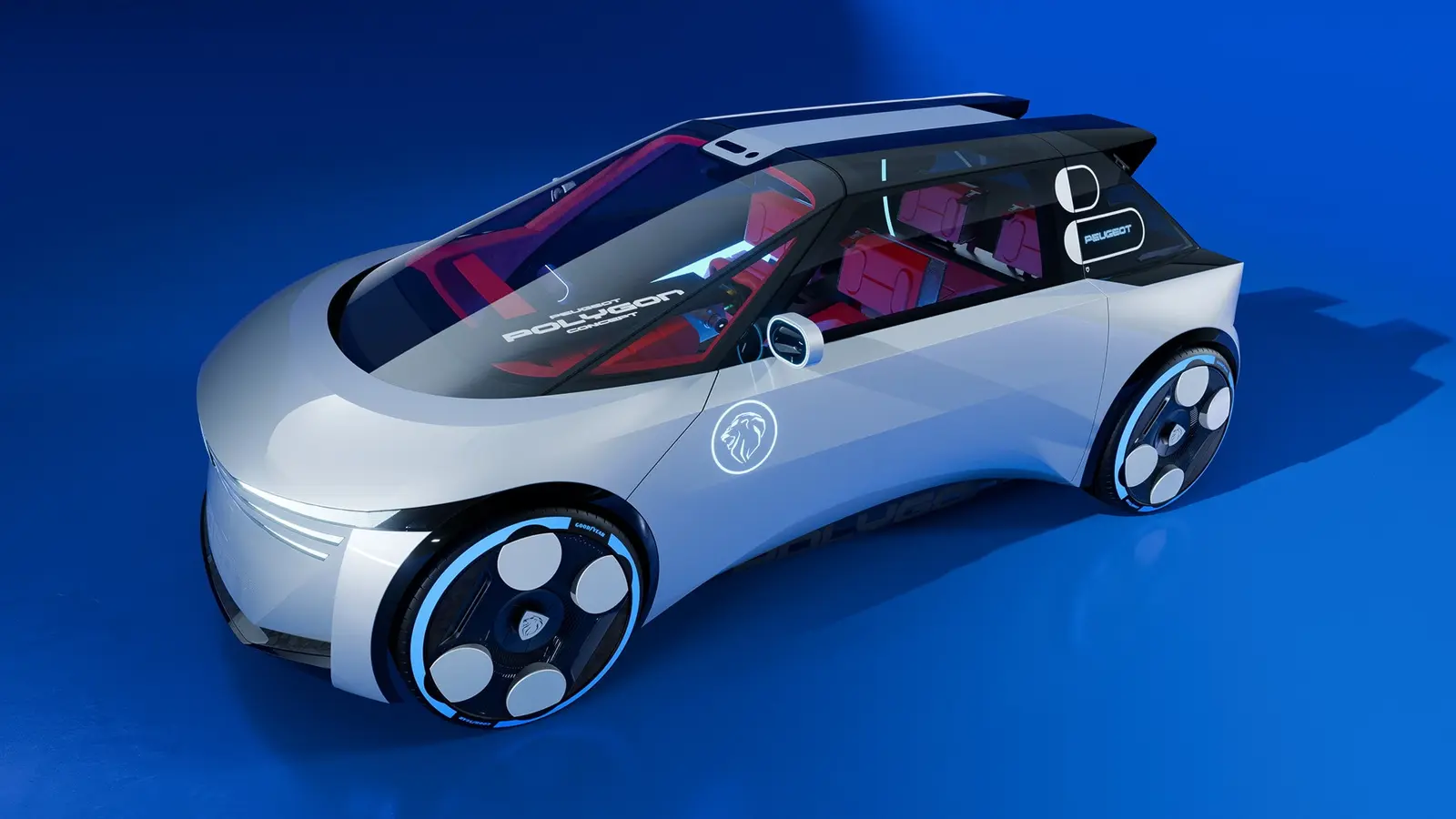
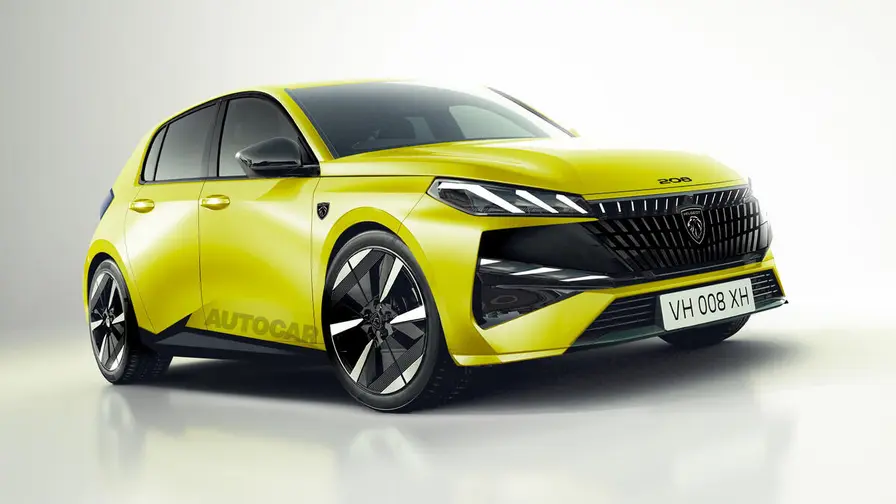
Peugeot has lifted the veil on the Polygon concept, a bold study that teases the look and tech direction for the next-generation 208 supermini. The single teaser image released by the French brand already reveals a striking, futuristic silhouette and a number of details that hint at how Peugeot plans to reimagine its small-car lineup for an electric future.
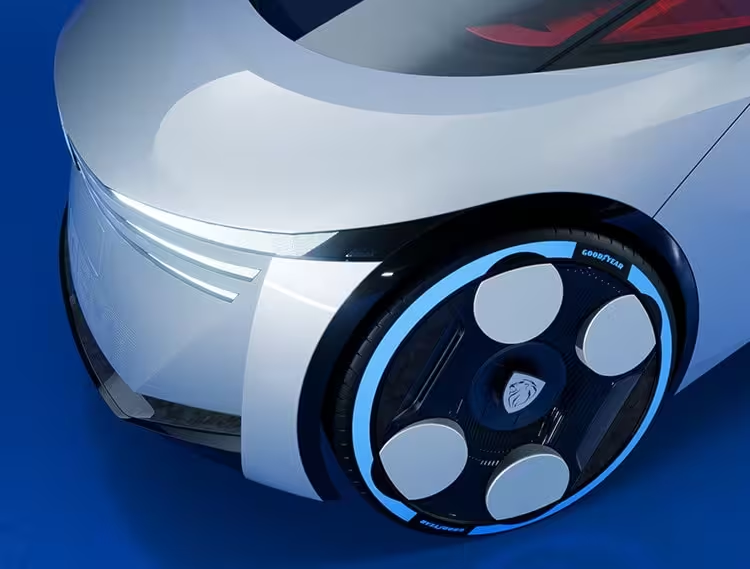
The Polygon concept isn't just about show-car flair — it reads like a compact manifesto for a modern electric hatch. The front fascia is clean and minimalist, suggesting a production-friendly styling that could survive the transition to the showroom with only modest changes. A sharply raked windscreen sweeps into a semi-glazed roof, which appears to have removable or modular panels, while broad, almost bulbous bodywork is interrupted by crisp character lines running the car’s full length.
Design highlights
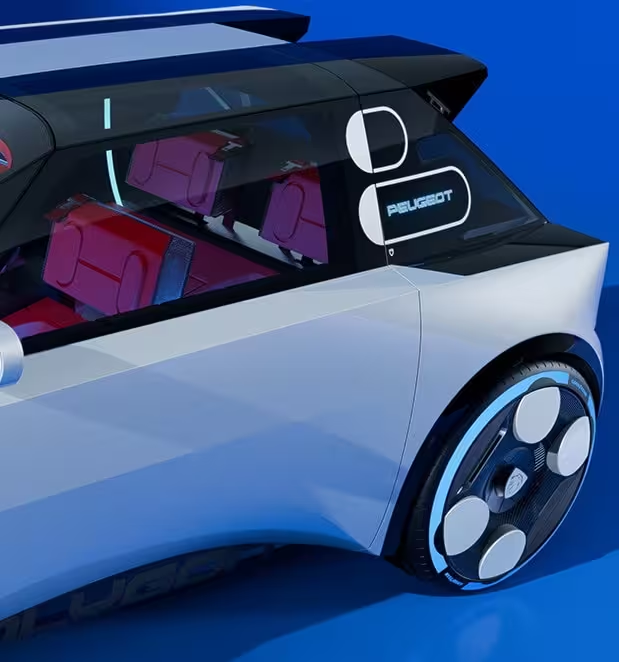
Long doors designed for easy access, oval-shaped door mirrors that may actually be camera housings, and muscular wheel arches give the Polygon a planted stance. The rear has been pushed far back — wheelbase maximized, overhangs minimized — and the roof sports a double-bubble spoiler that joins the concept’s sharply creased rear end.
Key exterior elements:
- Slim, minimal front end likely aimed at better aerodynamics
- Semi-glazed roof with possible modular panels
- Camera-style mirrors and extended doors for ingress/egress
- Compact proportions with rear axle pushed backward
"The Polygon speaks to the Peugeot of tomorrow — compact, efficient and strikingly progressive," said one of the brand’s design leads in comments accompanying the teaser.
Interior and technology cues
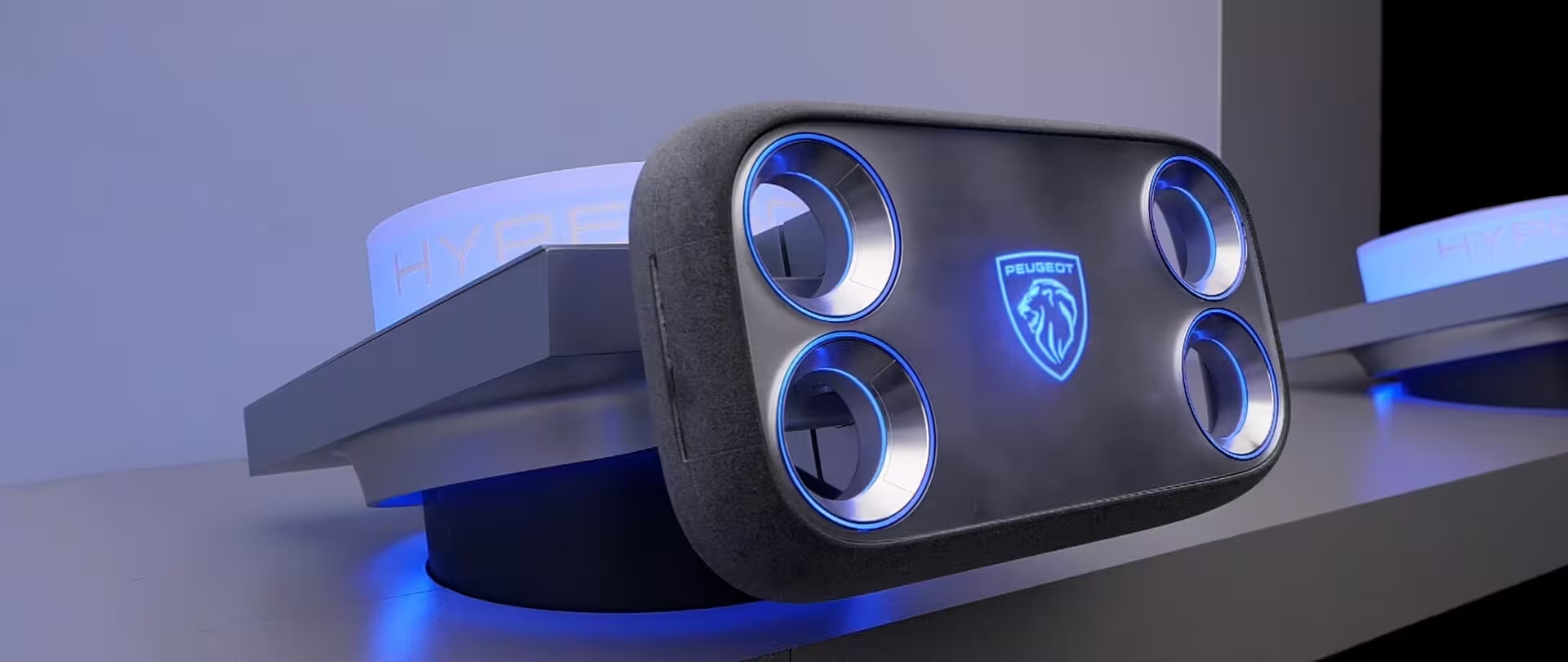
Inside, Peugeot highlights a Hypersquare steering unit — a rectangular, illuminated control with a backlit Peugeot badge and four drilled holes. This console ties into a steer-by-wire system, a technology the automaker calls central to the driving pleasure of tomorrow’s models. The name 'Polygon' is emblazoned on a plaque that stretches from the base of the windscreen toward the steering column, reinforcing the concept’s identity.
What this means for the next-gen Peugeot 208
If the Polygon previews the next 208, expect production versions to be toned down but faithful to the concept’s spirit. Mechanically, the production 208 should ride on Stellantis’ new STLA Small platform — a dedicated small-car EV architecture due to appear around a year from now. That platform will also underpin the future Opel/Vauxhall Corsa, which was hinted at recently by the GSE Vision Gran Turismo concept.
Possible technical takeaways:
- STLA Small platform as foundation for next-gen 208
- Shared architecture with Opel/Vauxhall Corsa
- Potential for substantial battery options — trade speculation points to an 82 kWh pack based on similar one-off concepts
Market positioning and expectations
Peugeot looks to balance bold design with practical, affordable electric mobility in the supermini segment. The next 208 is likely to be marketed as an urban EV that retains sporty Peugeot character while delivering improved range, efficiency and in-car technology.
Peugeot will officially unveil the Polygon concept on November 12 at 13:00 CET (07:00 AM EST), with a livestream on the company’s YouTube channel. Expect more details on design language, interior tech and electrification options during the reveal.
Highlights:
- Futuristic design with production-ready cues
- Steer-by-wire Hypersquare wheel
- STLA Small platform for the next 208 and Corsa
- Official reveal streamed Nov 12, 13:00 CET
Whether the Polygon becomes a close preview of the production 208 or remains an influential design study, it signals Peugeot’s intent to push styling, packaging and EV technology forward in the competitive small-car market.

Leave a Comment
Comments
No comments yet. Be the first.