
3 Minutes
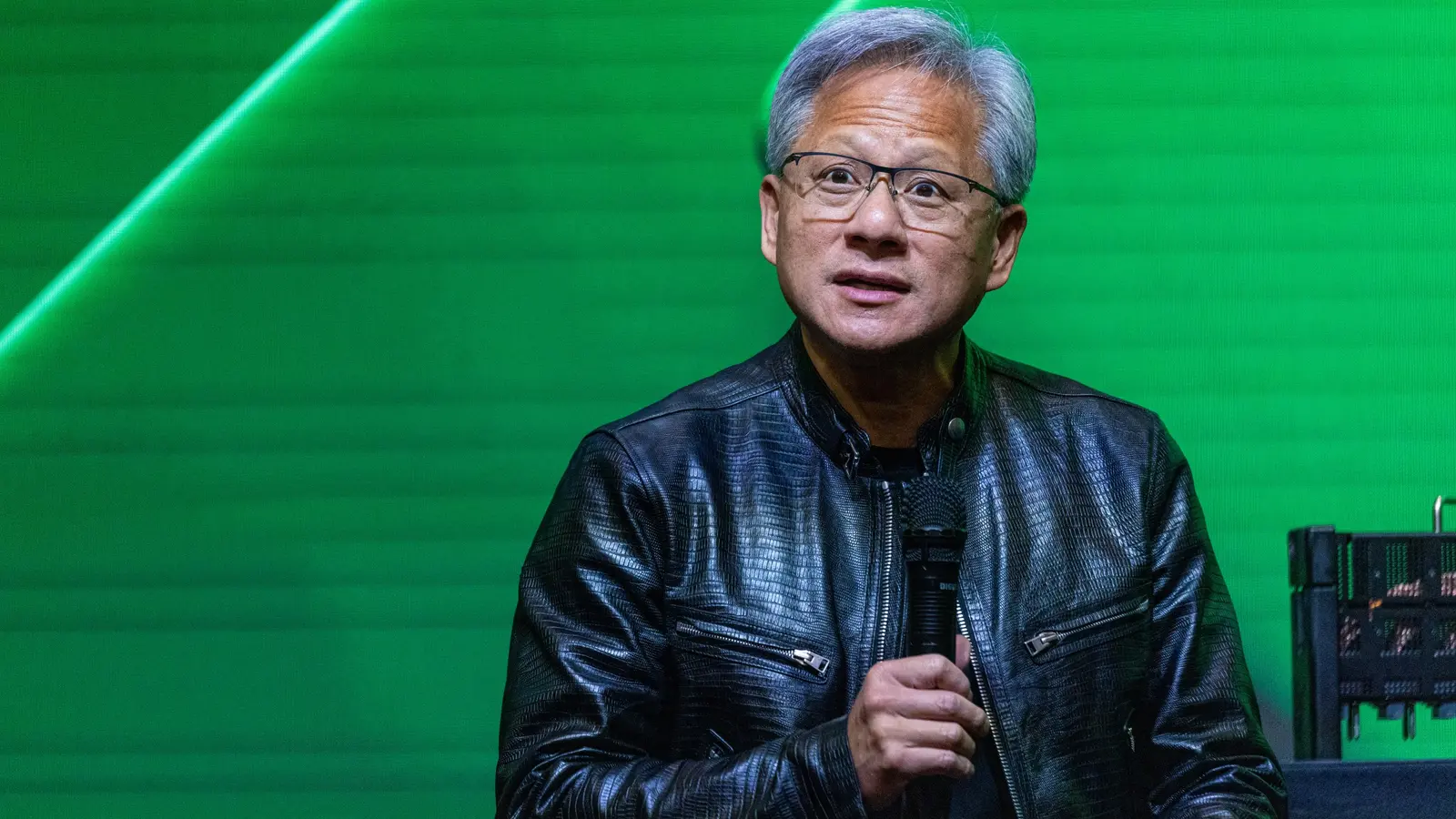
At a Financial Times summit in London, Nvidia CEO Jensen Huang sounded a blunt alarm: China is closing in on AI leadership, and if Western policymakers slow down innovation, Beijing could come out ahead. His message was simple — speed up, don’t wall off.
A stark warning from the London stage
Speaking at the Future of AI Summit, Huang said China is now "nanoseconds behind America" in AI progress — a vivid way to describe a gap that’s narrowing faster than many expected. He warned that export controls and heavy-handed regulation in the U.S. could blunt American momentum, giving China the runway to accelerate its own capabilities.
How China is closing the gap
Huang pointed to coordinated state support as a major factor. From energy subsidies to targeted investments in semiconductor fabs and AI research, Beijing has created an ecosystem that pushes companies to scale quickly. Combine that with a large, motivated developer community and national goals for AI self-reliance, and you get rapid, mission-driven progress.
Are U.S. policies doing more harm than good?
Recent U.S. export restrictions — including limits on Nvidia’s advanced Blackwell chips to China — aim to protect national security. Huang argues these measures have unintended consequences. By restricting access to top-tier hardware, the U.S. may be accelerating China’s own chip programs and slowing collaboration with developers worldwide. He also singled out state-level regulation and rising energy costs as brakes on U.S. innovation.
What Huang means by "winning"
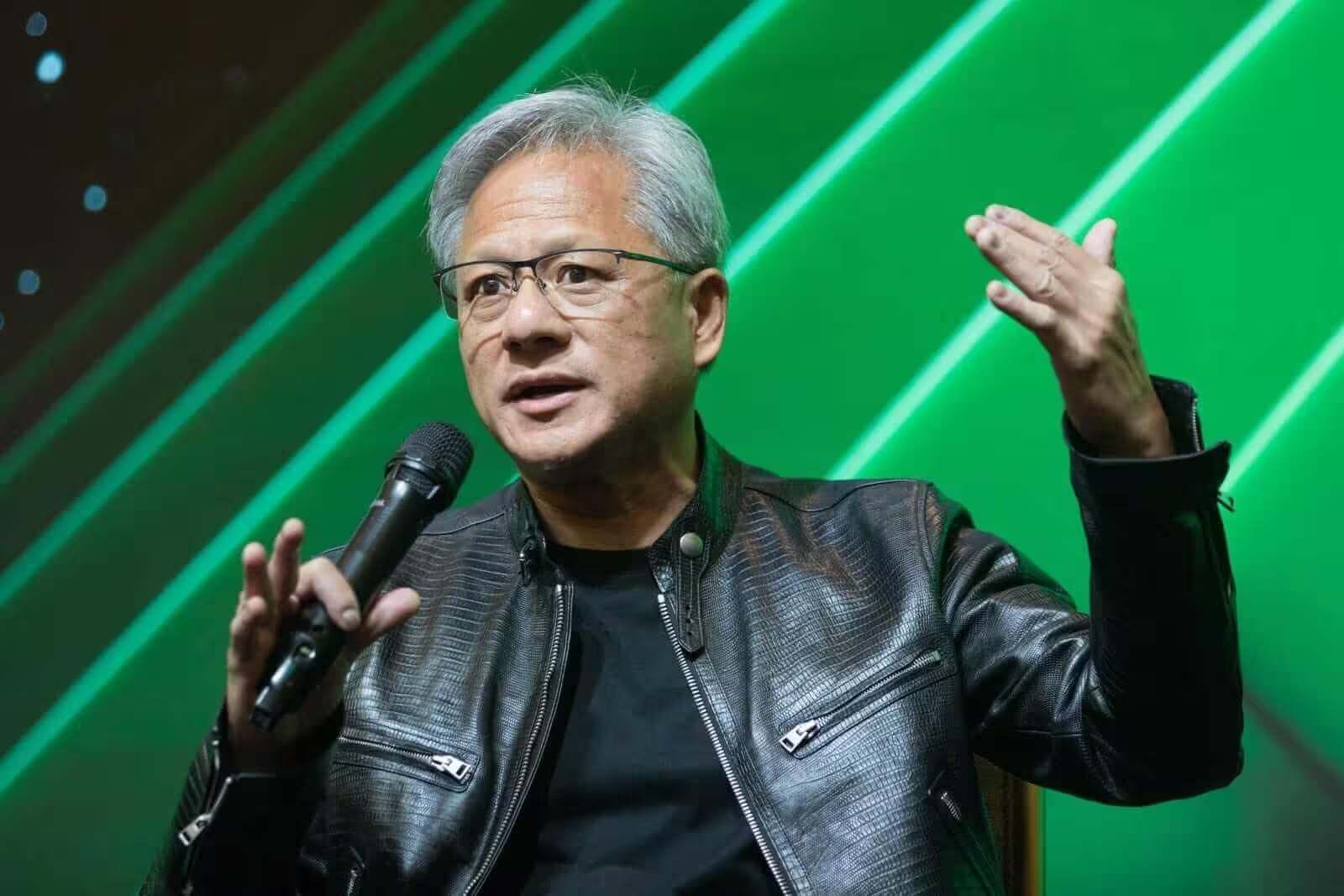
Huang clarified his position after markets briefly reacted to his remarks. He isn’t predicting American defeat; rather, he urges the U.S. to win by outpacing competitors: build faster, attract developers globally, and lead through innovation instead of isolation. "We want America to win," he said, "but winning means building faster, not building walls."
Market ripple effects and the bigger picture
When Huang’s comments hit the news, Nvidia shares dipped briefly — a reminder of how sensitive markets are to geopolitical and policy signals. Despite fluctuations, Nvidia remains a tech titan, recently valued around US$4.7 trillion after topping US$5 trillion earlier in the year.
Huang’s warning arrives amid growing U.S.–China tech tensions. Washington focuses on limiting access to cutting-edge AI hardware, while Beijing doubles down on domestic capability. The debate now centers on strategy: slow the field through restrictions, or accelerate U.S. competitiveness by reducing friction for developers and industry.
Whatever side you take, Huang’s call is provocative and timely: in the global AI race, leadership may hinge less on walls and more on who moves fastest and builds the broadest developer ecosystem.








Leave a Comment
Comments
No comments yet. Be the first.