
3 Minutes
BMW X7 M concept surfaces — but it’s only digital
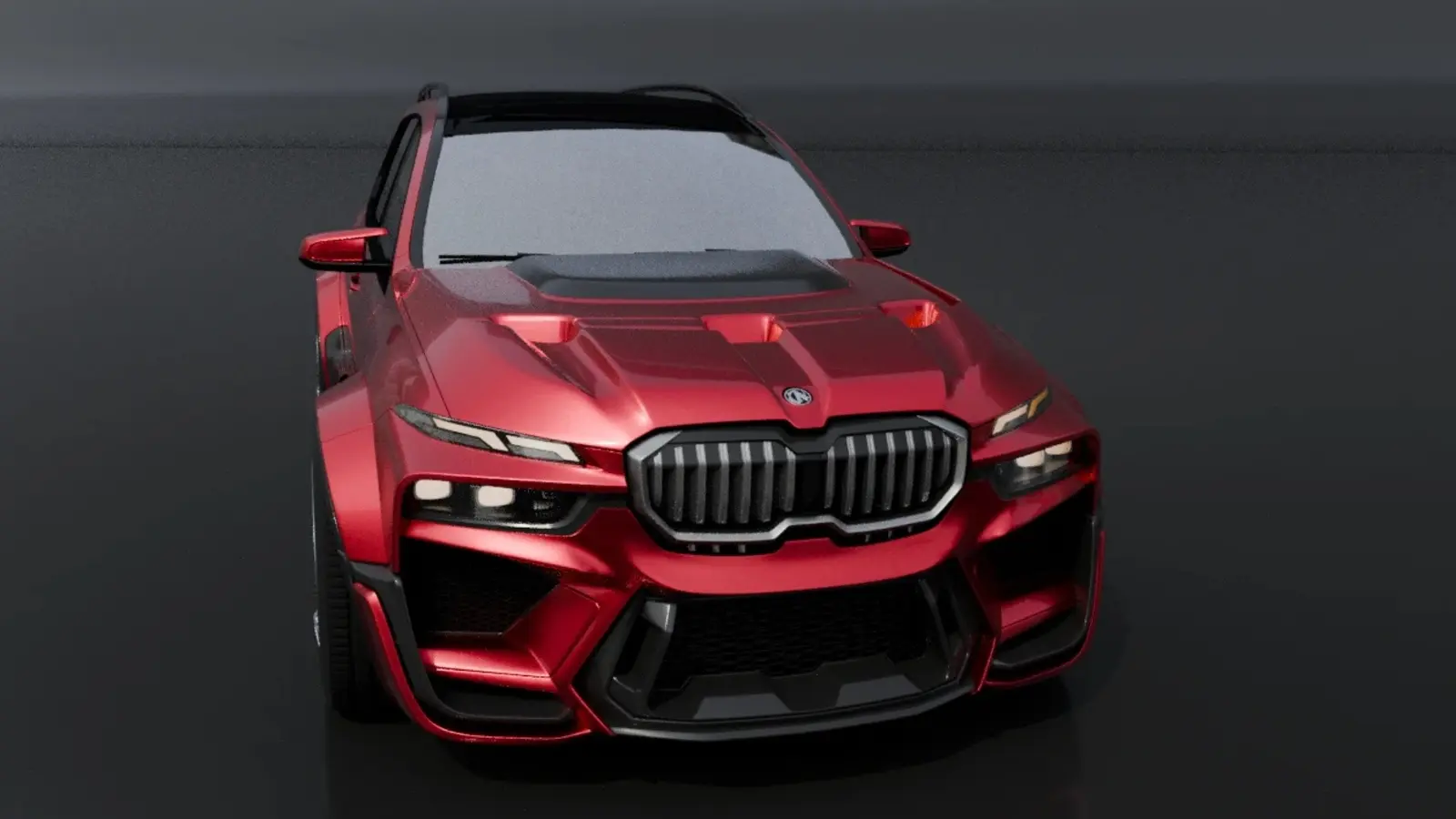
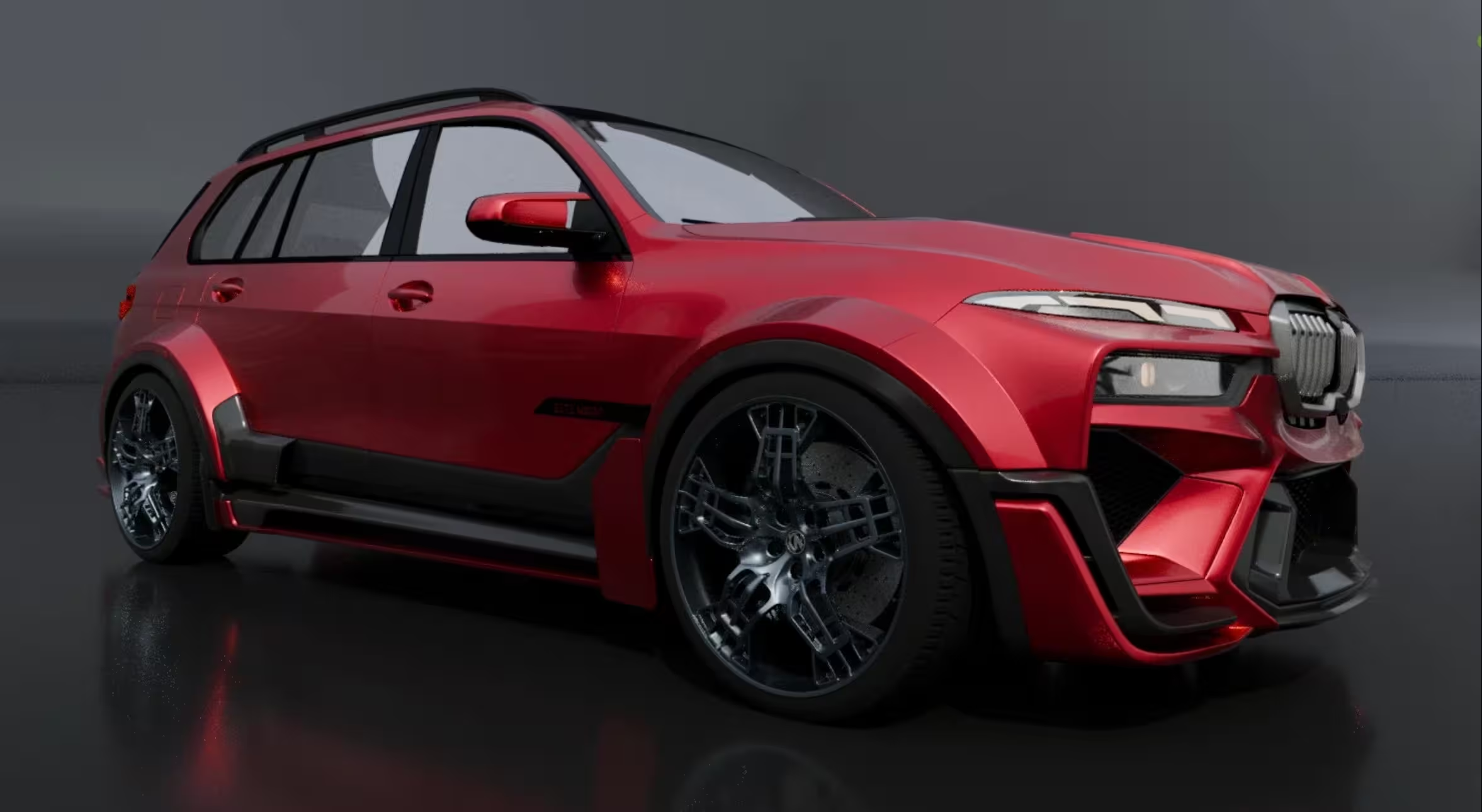
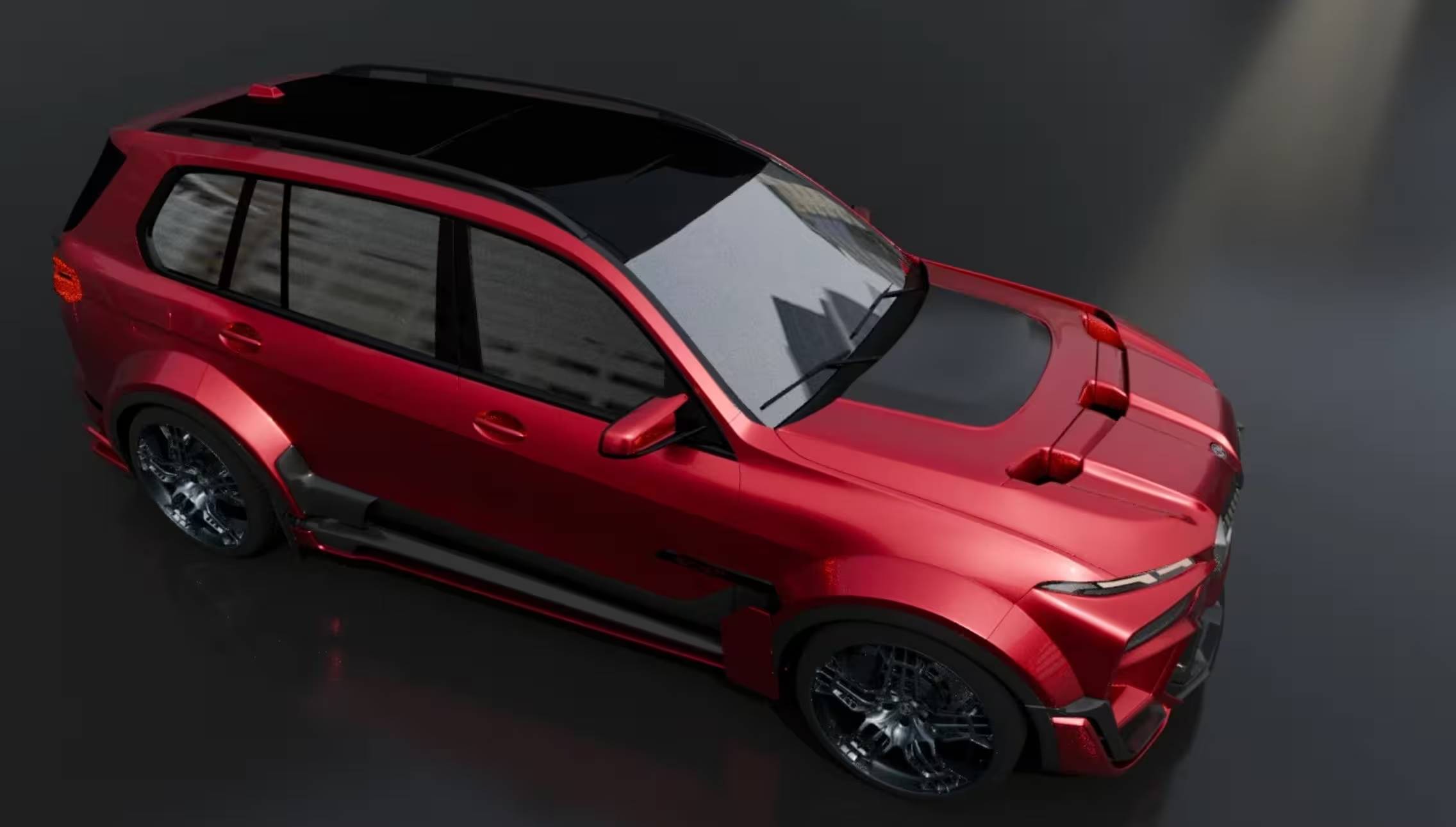
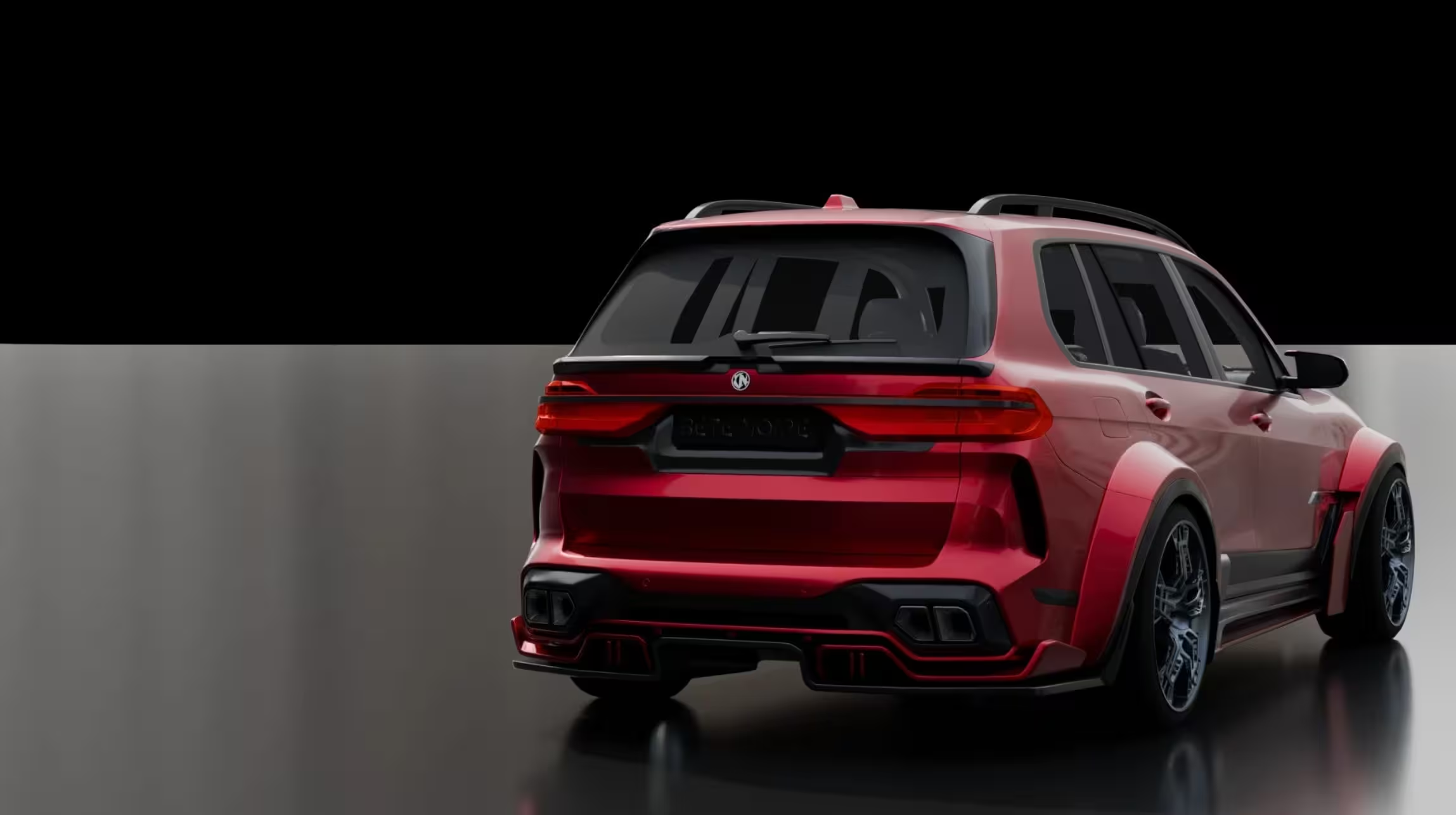
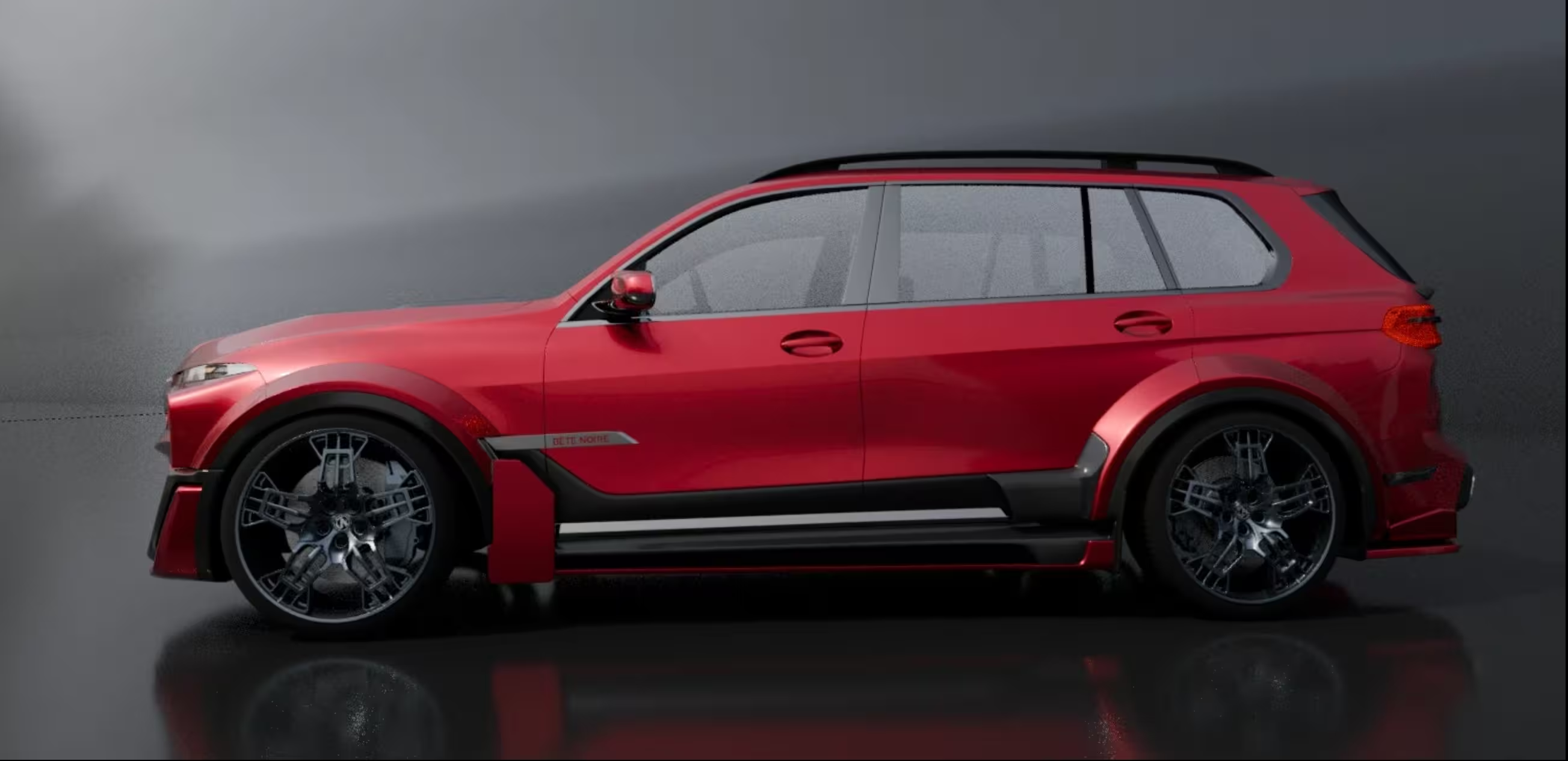
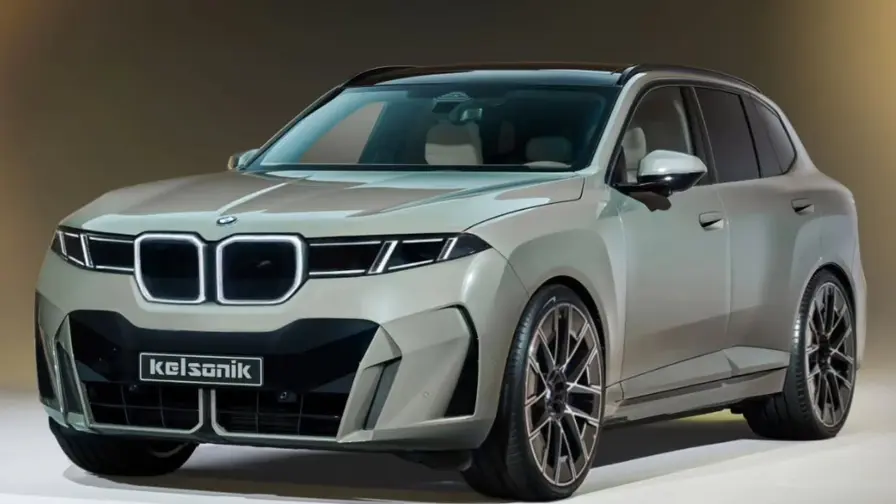
A dramatic render imagining a top-tier BMW X7 M has been making the rounds, but don’t cancel your AMG GLS 63 test drive just yet. The artwork, created by digital designer Narek Keshishyan on Behance, visualizes a widebody, slammed X7 with aggressive aero, vented hood, reworked bumpers and beefy brakes. It’s an attention-grabbing look, but for now it remains a creative exercise rather than a production blueprint.
Where the new X7 really stands
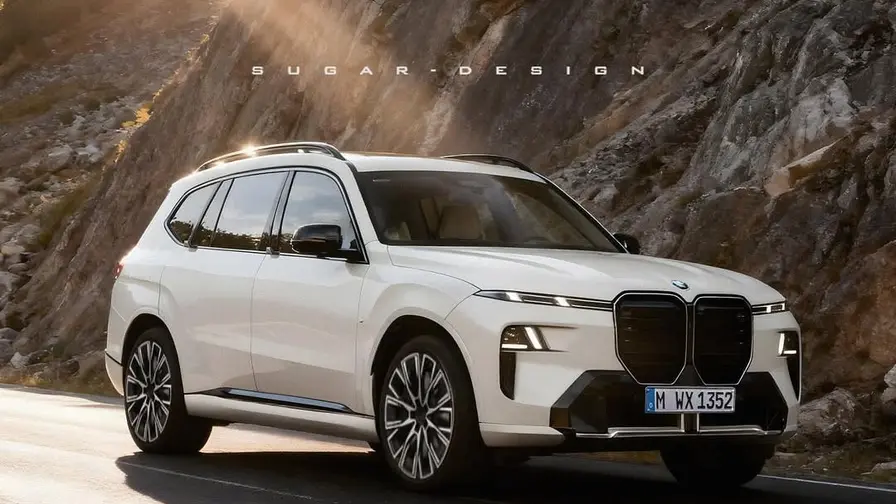
BMW is preparing a ground-up replacement for the current X7 (in production since late 2018). The next-generation X7 will follow BMW’s Neue Klasse design language, introducing a pillar-to-pillar digital cockpit and, notably, spawning an iX7 battery-electric variant alongside traditional internal-combustion versions. Expect the 4.4-liter twin-turbo V8 to remain available in performance-focused trims.
Production and timing
- Reveal window: late 2026 to early 2027
- Assembly: Spartanburg, South Carolina
- Lineup: ICE versions plus at least one iX7 BEV configuration
Why a real X7 M seems unlikely — for now
Despite the appetite for high-performance SUVs, BMW’s M Division has historically been cautious with full-size luxury crossovers. The rendered X7 M would slot above the existing xDrive40i and M60i models (MSRP roughly $86,700 and $113,900 respectively), but BMW currently relies on Alpina to occupy the ultra-luxe, high-output niche with the XB7. That relationship gives BMW room to deliberate whether an official X7 M is commercially and technically justified.
How an X7 M could fit into the market
If BMW ever greenlights an X7 M, it would have to be distinct from the Alpina XB7 rather than redundant. Alpina’s 2026 XB7 arrives with a 631-hp tuned V8, a 0-60 mph sprint in about 3.9 seconds, and a starting price near $156,000. An X7 M would likely aim for a slightly sharper driving character and competitive power figures to challenge Mercedes-AMG’s flagship GLS.
Quick comparison (hypothetical X7 M targets)
- Competitors: 2026 Mercedes-AMG GLS 63 (603 hp, 0–60 mph in 4.1s), Alpina XB7 (631 hp, 0–60 mph 3.9s)
- Expected features: adaptive suspension, upgraded brakes, active aero, M-specific drivetrain tuning
"The digital X7 M looks louder than it probably needs to be — it’s Mansory-esque — but it underscores a real question: should BMW offer a factory M halo for its largest SUV?"
Design vs. reality: renders often flirt with excess
Keshishyan’s render emphasizes a lowered stance and extreme visual cues that may be too showy for BMW’s M identity, which typically balances performance with understated precision. Still, renders like this are useful: they focus conversation on what buyers want from a full-size performance SUV — more power, sharper handling, luxury tech — and how BMW might differentiate between M, Alpina and i models.
Market positioning and what to watch for
BMW’s new X7 and its iX7 sibling will compete in a crowded field: Mercedes GLS, Audi’s forthcoming Q9, Lexus LX, Cadillac Escalade (and Escalade IQ), Lincoln Navigator, Infiniti QX80, and Range Rover. Pricing, performance, and distinctiveness will determine whether BMW needs both an Alpina and an M halo, or if one model can deliver everything buyers expect.
If BMW does decide to build an X7 M, expect the following to be prioritized:
- Genuine performance upgrades (powertrain and chassis)
- Subtle yet functional aero
- Differentiated interior with M-specific displays and options
Until then, the X7 M remains a compelling “what if” — a digital tease that lets enthusiasts imagine BMW’s biggest SUV pushed to its limits.

Leave a Comment
Comments
No comments yet. Be the first.