
3 Minutes
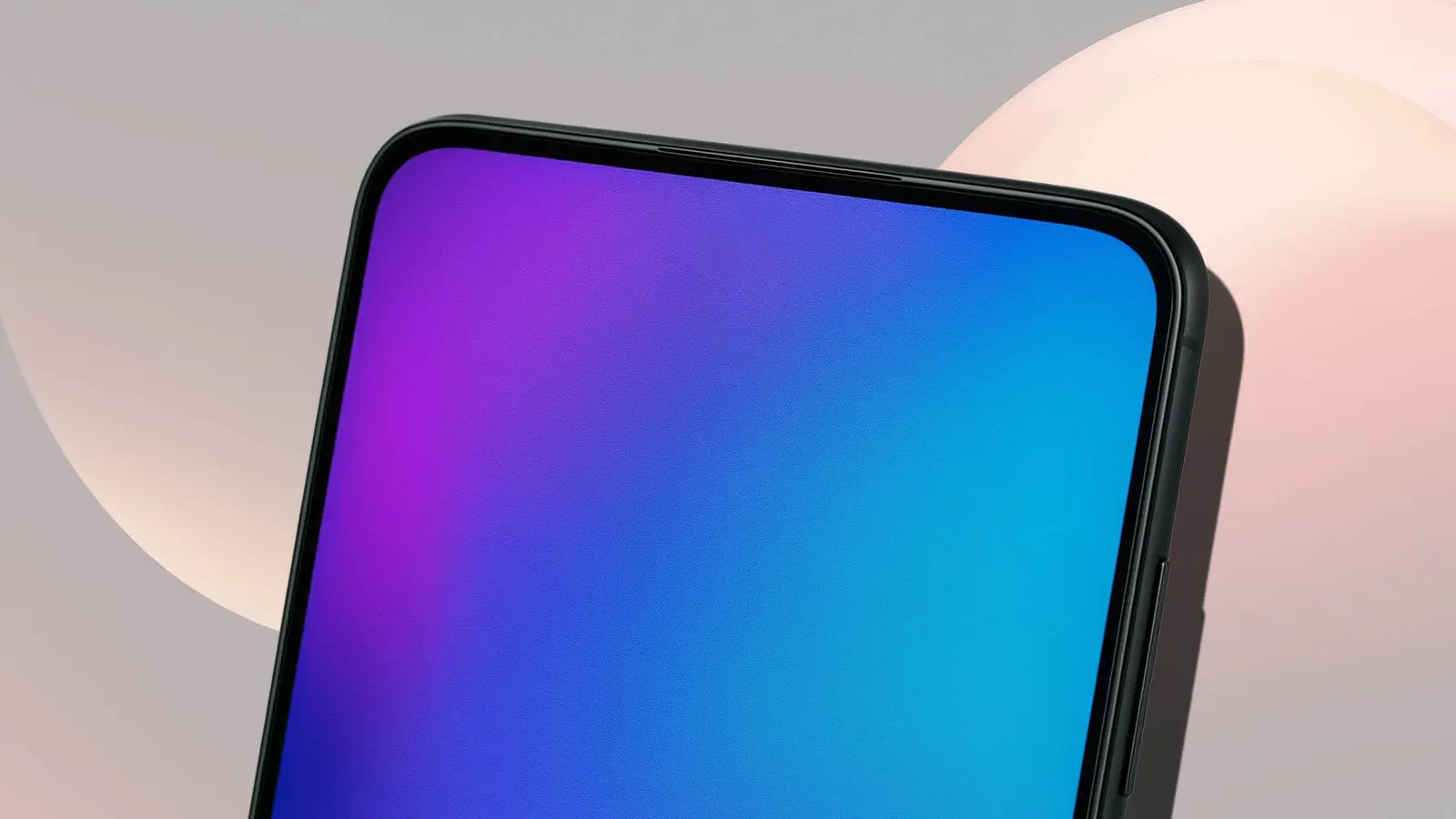
Apple may be closer than you think to delivering the ‘all-screen’ iPhone we’ve been dreaming about. Recent leaks and analyst commentary point to in-display front cameras and even TrueDepth components moving under the OLED — a design shift that could arrive with Apple’s 20th‑anniversary model.
What the rumors are saying — and who’s talking
Chinese tipster Digital Chat Station has been resurfacing claims that Apple will progressively shrink the front cutout, moving from a notch to a punch‑hole and, eventually, to an under‑display camera. The latest whisper says the front camera itself could be tucked beneath the panel on Apple’s 2027 iPhone lineup — a move that would finally enable a seamless screen without visible interruptions.
That’s not all: earlier leaks suggested the TrueDepth camera array used for Face ID could follow suit, hiding under the display as well. If true, the next step wouldn’t just be an aesthetic change — it would alter how Apple handles front‑facing authentication and selfie imaging.
Timeline and the 20th‑anniversary twist
There’s also chatter about naming. Some insiders expect Apple to skip “iPhone 19” and market the 2027 models as “iPhone 20” to mark two decades since the original iPhone. That anniversary headline would be a tidy moment to unveil a bold redesign.
But not everyone agrees on the timetable. Display industry veteran Ross Young — a reliable source on Apple’s panel plans — argues the full notchless transition will take longer, potentially arriving around 2030 in a phased rollout. In other words, we might see incremental steps (punch‑hole, partial under‑panel tech) before a truly invisible front camera becomes the norm.

Why this matters for users and the industry
Imagine video calls, gaming and HDR content without a visible interruption at the top of the screen — that’s the main selling point. Beyond looks, embedding camera and Face ID hardware under the OLED requires new materials, pixel designs and software adjustments to preserve image quality and secure biometric performance.
- Pros: cleaner display, more immersive media, a stronger design statement for Apple’s milestone year.
- Challenges: maintaining selfie detail and low‑light performance, ensuring reliable Face ID through the panel, and managing cost increases that could affect pricing.
What this could mean for Android phones
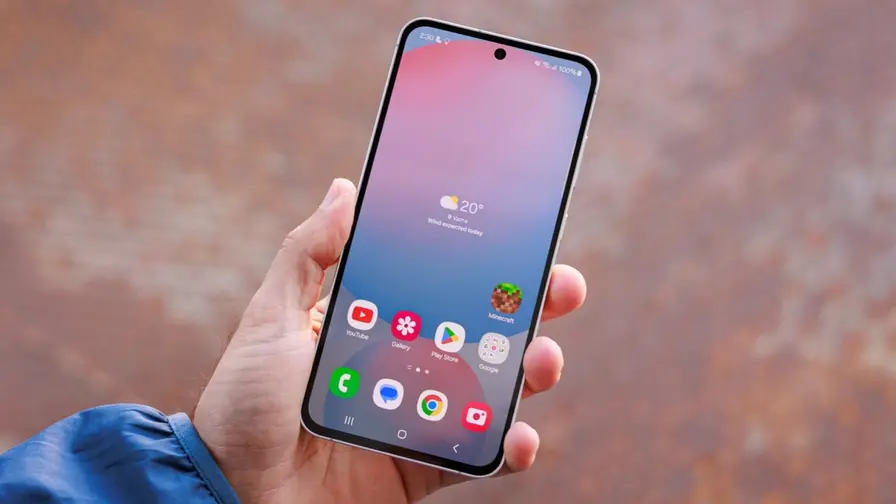
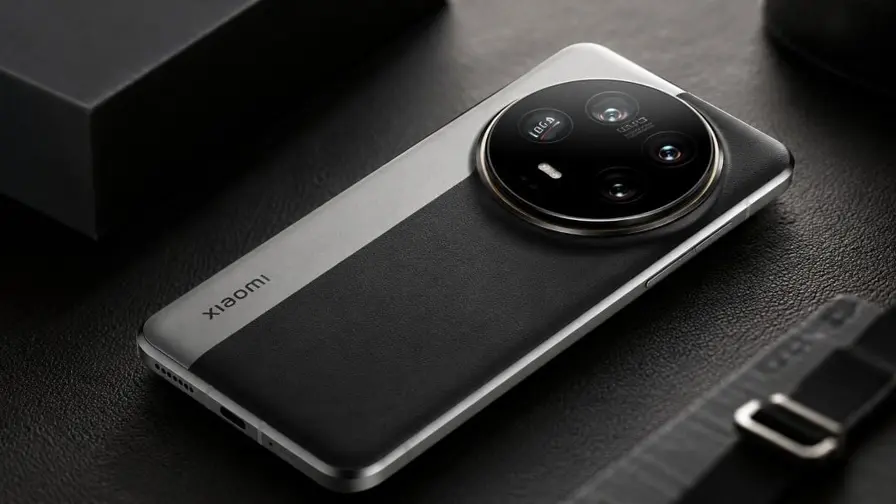
Apple’s move often nudges Android makers to accelerate similar upgrades. Several Android vendors already experiment with under‑display cameras, but Apple’s decision to adopt the tech at scale would likely push rival brands to refine their implementations faster — and fast‑track adoption across midrange models over time.
So whether you’re an iPhone enthusiast or an Android watcher, the race to ‘all screen’ is heating up — and it’s as much about engineering tradeoffs as it is about design bragging rights.
Where things stand now
At this stage the story is a mix of leaks and analyst forecasts: plausible, intriguing, but not sealed. If Apple does move the front camera and TrueDepth system under the display for the 2027 release, it could mark a major milestone. If not, expect a multi‑year transition as the company balances performance, cost and manufacturing complexity.
Either way, the push toward a true all‑screen iPhone is under way — and whether it arrives in 2027 or later, the next few years will be decisive for smartphone display design.
.avif "Apple's iPhone 18 to Feature Under-Display Face ID, Paving the Way for a Seamless Screen Experience")









Leave a Comment
Comments
No comments yet. Be the first.