
3 Minutes
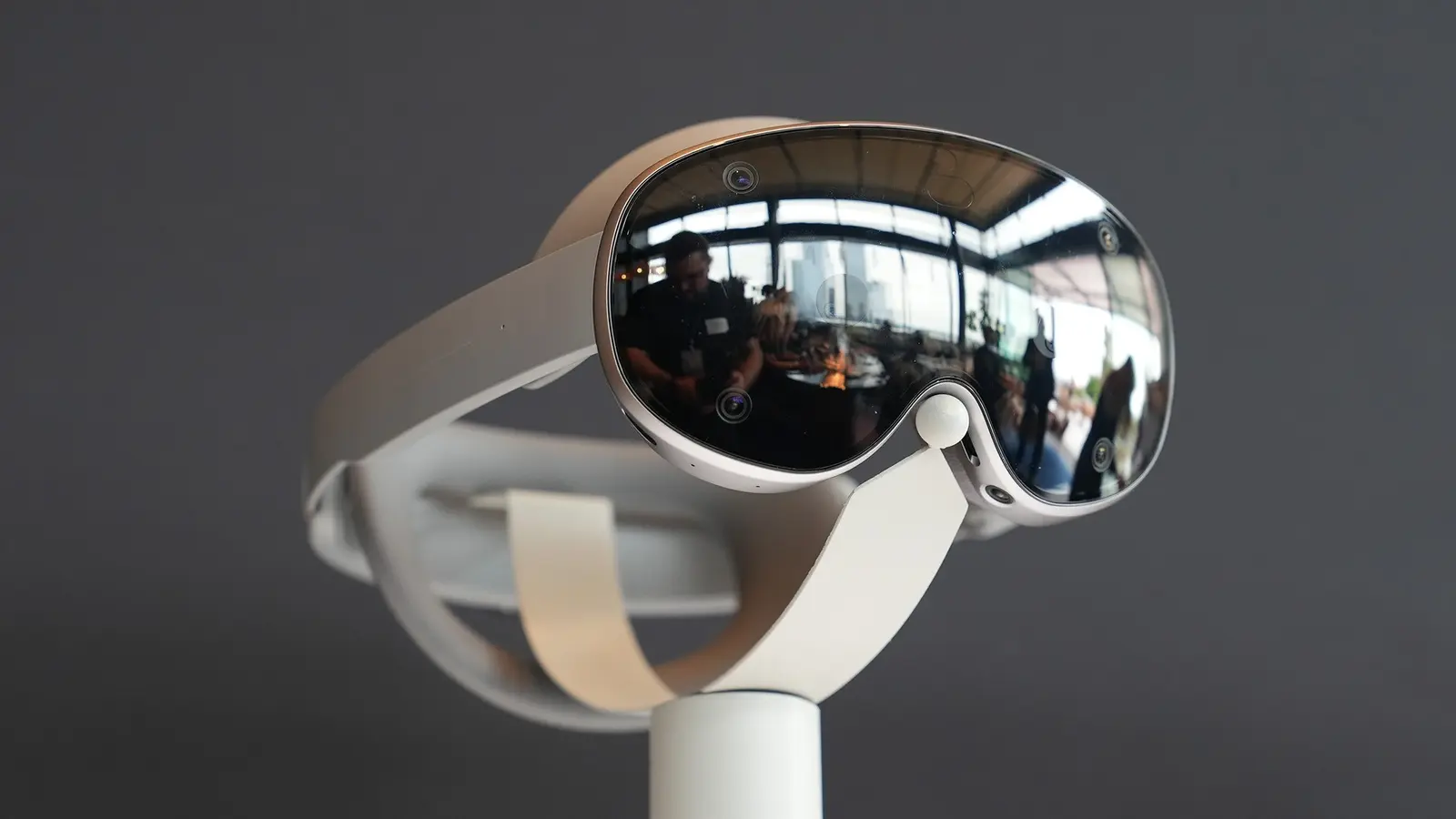
Samsung Display has quietly begun mass production of micro‑OLED panels using OLEDoS (OLED on Silicon) technology for the Galaxy XR headset, positioning itself as a second supplier alongside Sony. The move could nudge down component costs and widen the adoption of 4K-class micro‑OLED in AR/VR devices.
Why Samsung’s ramp-up matters for XR and VR
Sony has supplied the Galaxy XR’s current displays: two 1.3" OLEDoS panels, one per eye, each packing a staggering 3,552 x 3,840 pixels. Samsung Display joining the roster eases supply constraints and introduces competition—something hardware makers and buyers both welcome.
Competition in this niche is important. Micro‑OLED panels are still a fraction of the broader OLED market, but they promise much higher pixel densities for headsets. As more manufacturers ramp up production, prices should fall and headsets can become both cheaper and sharper.
How OLEDoS works and the recent technical twists
OLEDoS creates OLED emitters on top of a silicon wafer. One common approach builds white OLEDs and applies color filters to produce RGB output; another uses dedicated red, green and blue OLED diodes arranged on silicon, eliminating the filter and boosting light efficiency.
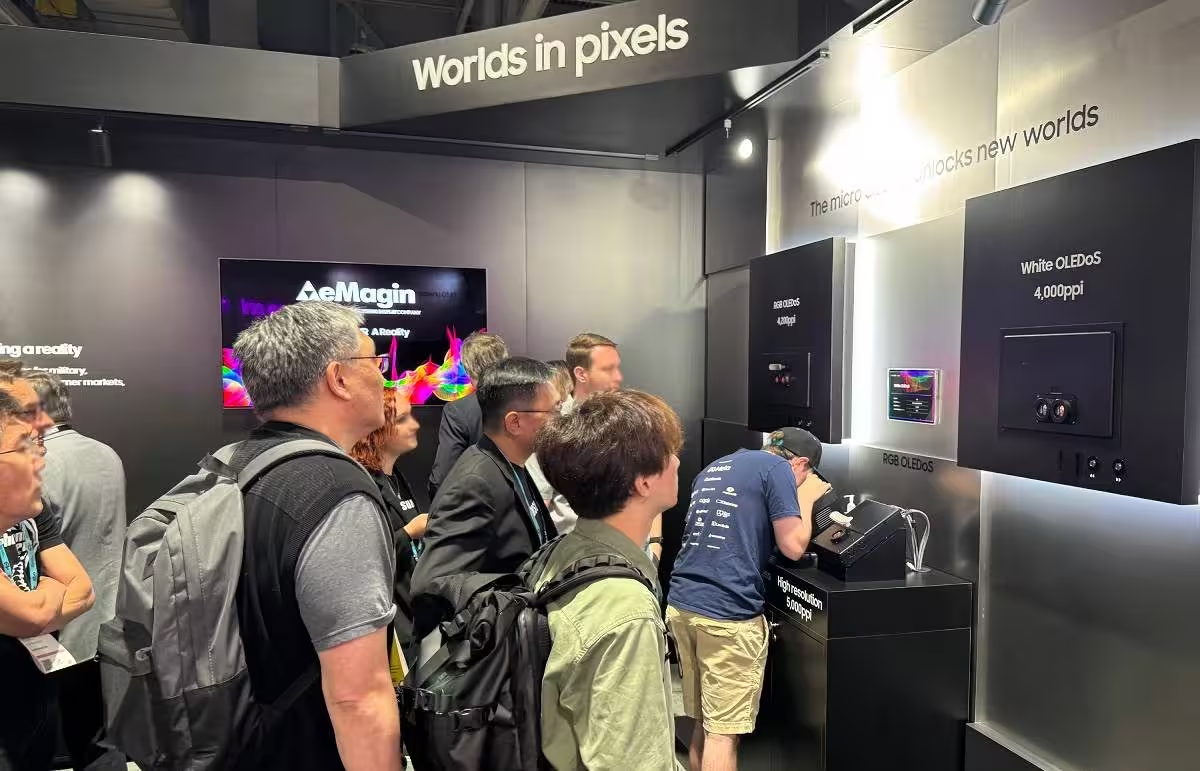
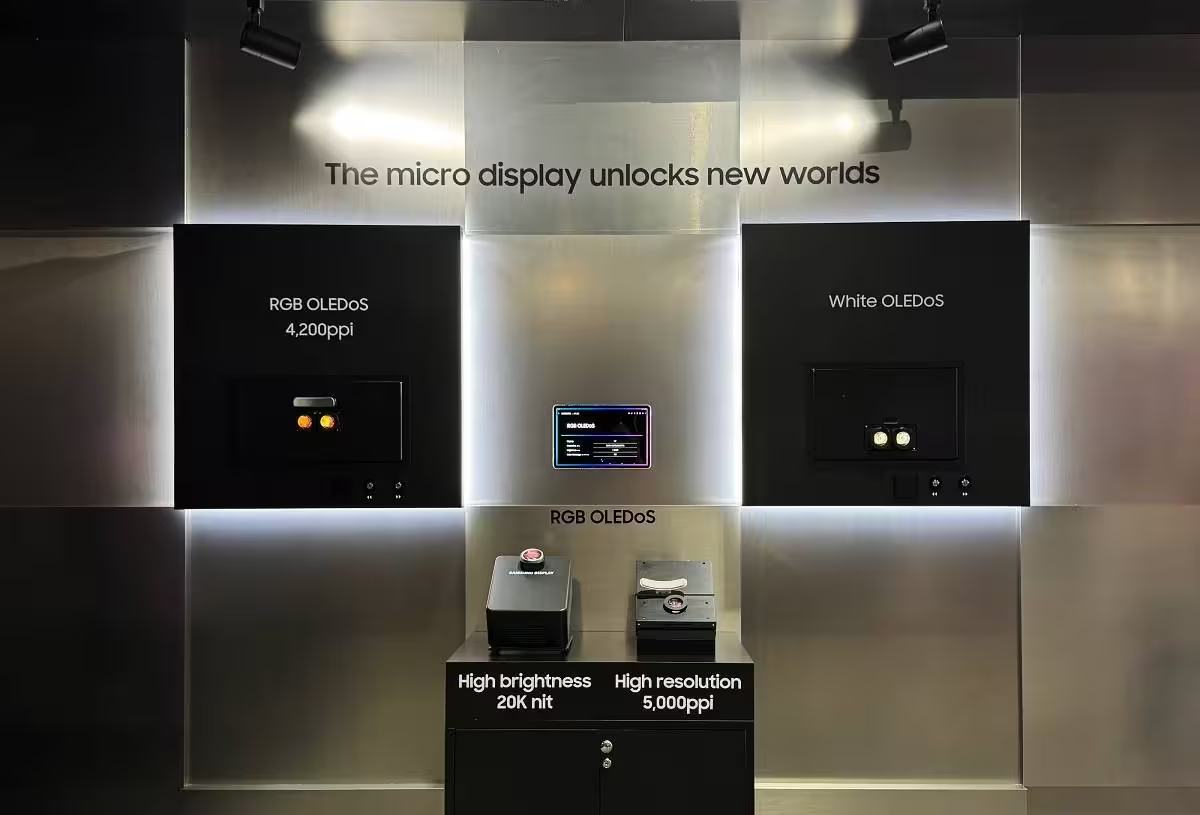
Samsung has already demonstrated both approaches. The panels used in the Galaxy XR today are the white‑OLED + color‑filter type at 1.3" with 3,552 x 3,840 pixels. Samsung has also shown 1.3" RGB OLEDoS variants and smaller 0.62" panels in both white-only and RGB designs—signaling flexibility for different headset designs.
Price trajectory and industry ripple effects
Price is still a barrier. Market researcher Omdia tracked 0.49" OLEDoS panels at roughly $25 in 2024, forecasting declines to about $20 and then $17 over successive years. Larger panels cost significantly more, but the principle is clear: more suppliers typically mean lower prices and faster adoption.
That matters beyond Samsung and Sony. Apple used OLEDoS in the Vision Pro, and while plans for a cheaper Vision model were reportedly scrapped, Apple had explored Samsung panels as a cost-saving option. DJI’s Goggles 2 already use OLEDoS at 1080p, and Meta is rumored to be targeting OLEDoS for a possible 2026 Quest model (the Quest 3 relies on LCD today).
What this could mean for consumers and developers
- Sharper visuals: Higher pixel density reduces screen-door effect and improves immersion.
- Lower costs over time: Competition should pressure prices, helping mainstream adoption.
- More supply stability: Multiple vendors reduce the risk of shortages and production delays.
Imagine a future where midrange headsets offer near‑4K per‑eye clarity at a price point previously reserved for lower-resolution devices. Samsung Display stepping in makes that future a little closer.






Leave a Comment
Comments
No comments yet. Be the first.