
3 Minutes
Samsung is reportedly preparing a U.S. credit card and a suite of financial services to take on Apple’s growing payments ecosystem. The move, driven by a partnership with Barclays and using Visa’s network, signals Samsung’s intent to become a larger part of everyday spending — not just hardware sales.
What the Wall Street Journal says
According to The Wall Street Journal, Samsung and British bank Barclays are in "advanced talks" to launch a Samsung-branded credit card in the United States. The card would run on Visa’s payment network and is positioned clearly to compete with Apple Card, which is backed by Goldman Sachs and operates on Mastercard. Insiders say discussions have been going on longer than expected, but a formal announcement could arrive by year-end.
Why Samsung is pushing into finance
At a glance, this is about expanding Samsung’s footprint in consumers’ wallets — and beyond. Smartphones, wearables and subscriptions already keep users inside brand ecosystems. A credit card gives Samsung a direct line into everyday payment behavior, recurring revenue, and valuable data on purchasing patterns.
For Barclays, the deal is a strategic U.S. play. The bank has been looking to broaden its American presence, and partnering with a major device maker gives it instant scale and consumer reach.
More than just a card: a mini fintech stack
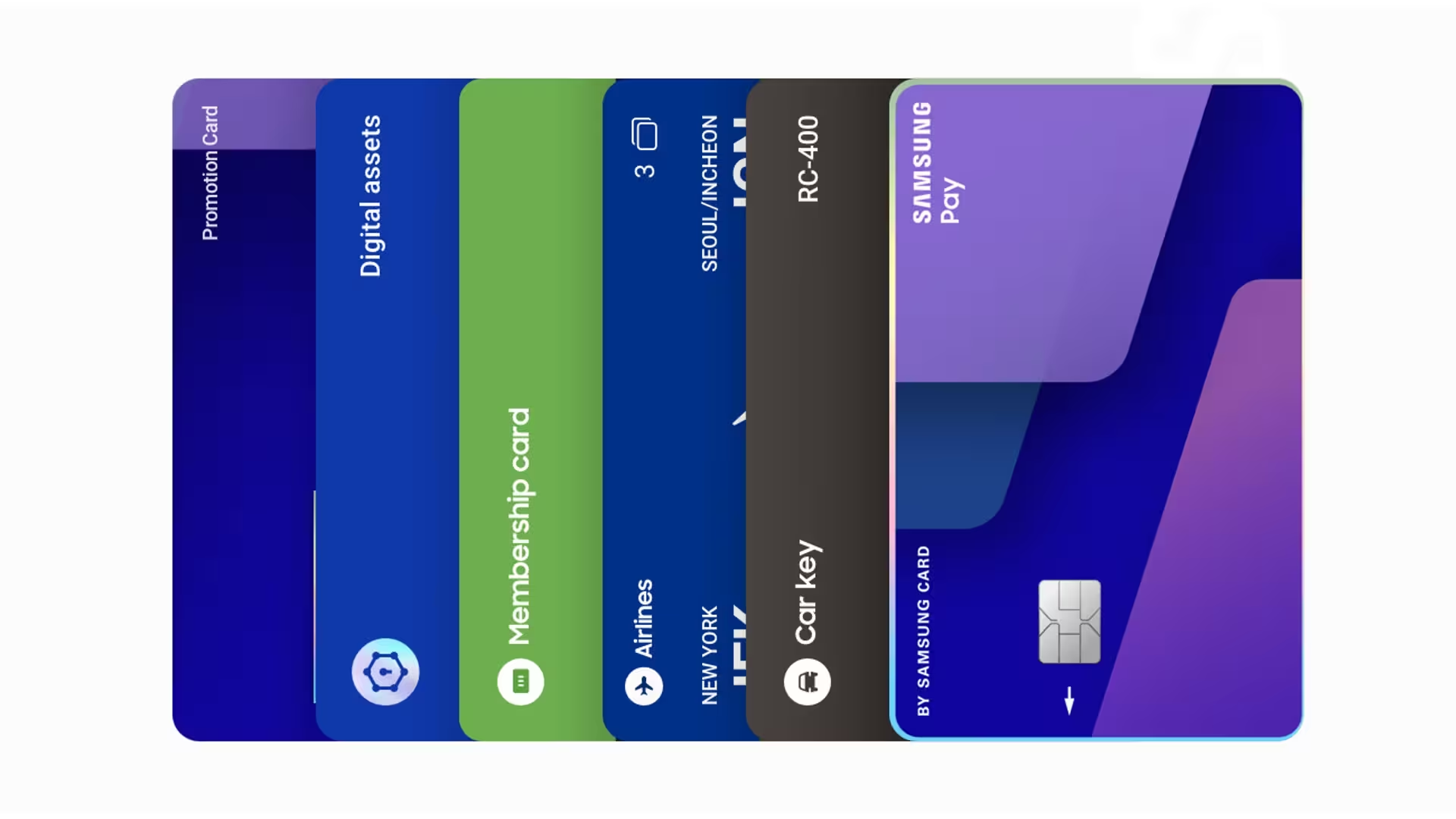
Sources say Samsung isn’t limiting itself to a single credit card. The company hopes to bundle financial products such as:
- High-yield savings accounts
- Digital prepaid accounts
- Buy-now-pay-later (BNPL) options
Barclays is expected to back at least some of these services, making the launch more of a small-scale banking ecosystem than a standalone plastic card. Imagine financing big-ticket devices at checkout directly through Samsung — that’s the kind of frictionless experience the company is likely aiming for.
How this stacks up against Apple Card
Apple’s card has the advantage of deep integration with iOS and Apple Wallet, plus high-profile backing from Goldman Sachs and Mastercard. But the Apple Card has faced regulatory and operational setbacks — and reports have suggested Goldman Sachs may be looking to retreat from some consumer lending efforts.
Samsung’s differentiator could be cross-platform reach (Android is widespread), partnerships with established banks like Barclays, and a package of services that mix savings, prepaid options, and BNPL. Whether that will be enough to sway users away from Apple’s ecosystem remains an open question.
Samsung’s prior fintech experiments
This isn’t Samsung’s first foray into payments. The company has experimented with digital and physical cards in several markets:
- Samsung Pay Card launched in South Korea in 2020 on the Mastercard network.
- A digital Samsung Pay Card rolled out in the U.K. in 2020.
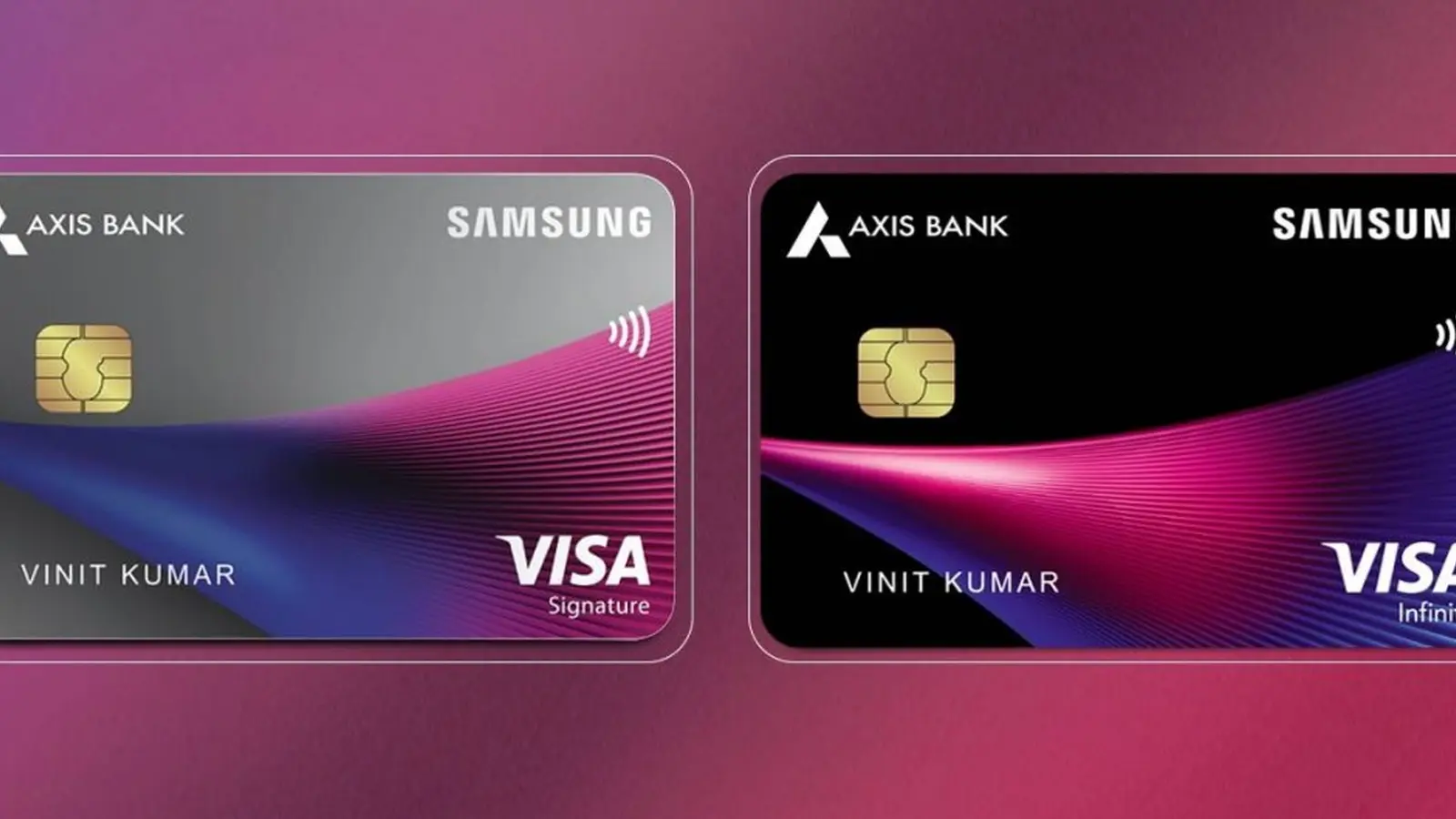
- In 2022, Samsung India launched a co-branded credit card with Axis Bank.
Those regional products give Samsung a blueprint: partner with established banks, leverage existing card networks, and layer device-driven perks on top.
What to watch next
Key signals to follow include whether Samsung and Barclays set a firm timeline for launch, whether Goldman Sachs remains tied to Apple Card partnerships, and how the new Samsung offerings are priced and rewarded. Will Samsung offer device-centric perks or better BNPL terms? Pricing and integration will likely determine how many users jump aboard.
For now, expect more headlines as the talks continue. If Samsung and Barclays announce a formal plan, U.S. consumers could soon see a new challenger in the payment space — one that blends hardware, software, and finance in a way that mirrors the broader tech industry trend toward vertical integration.








Leave a Comment
Comments
No comments yet. Be the first.