
7 Minutes
GT7’s latest Time Trial hands you the keys to a legendary Honda
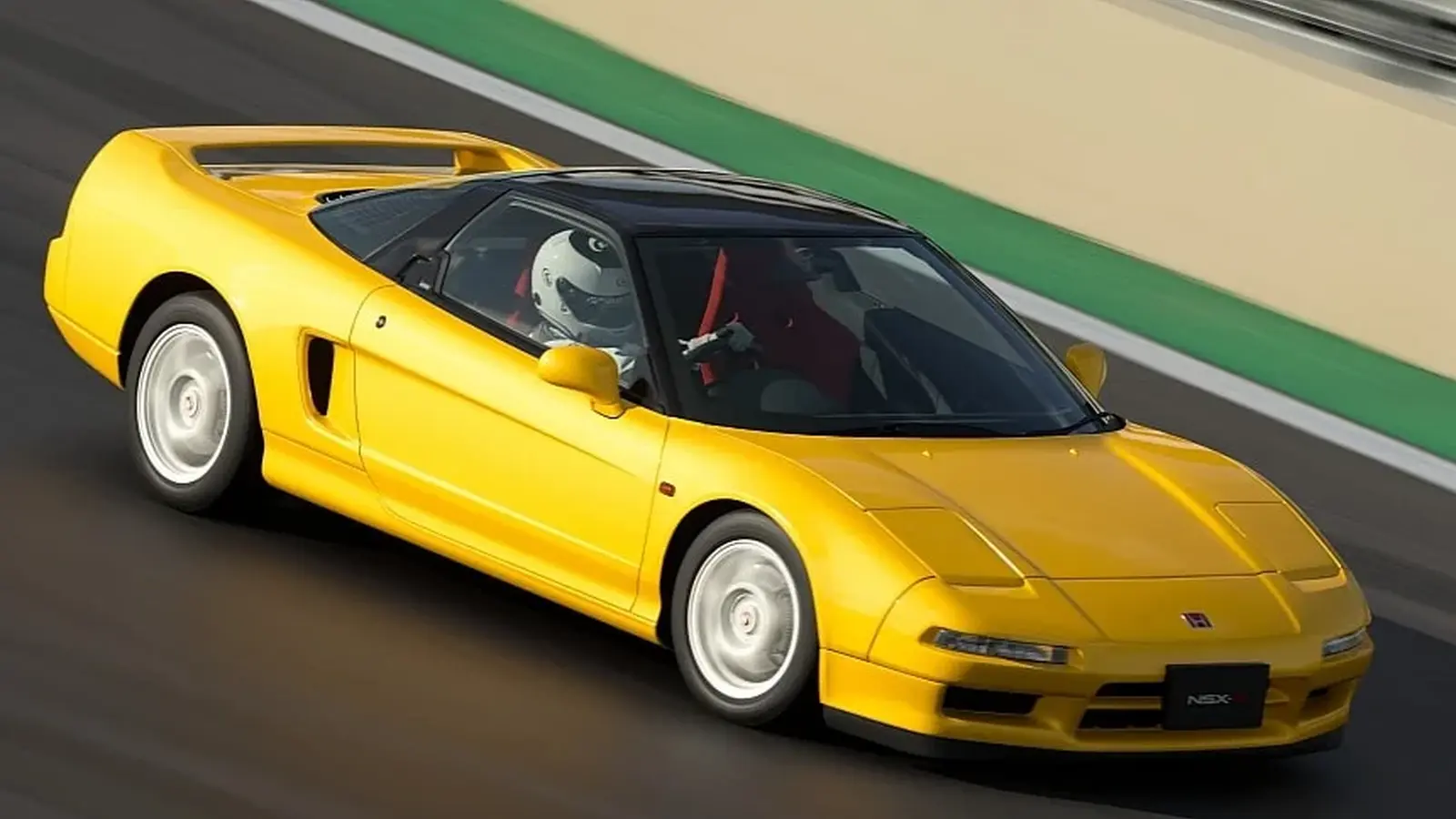
Gran Turismo 7 is letting players drive a 1992 Honda NSX Type R for free this month — and it’s the kind of event that reminds you why racing sims still have teeth. Polyphony Digital dropped a Time Trial at Autodromo Interlagos that pairs one of the most celebrated Japanese sports cars with one of the world’s most demanding circuits. The result is a tight, visceral challenge: fast straights, sharp turns and a classic chassis that rewards smooth revs and confident trail braking.
Why Interlagos suits the NSX Type R
Interlagos is no accident as the chosen venue. Its mix of technical corners and a long straight favors cars that balance high-revving power with nimble handling — and that’s precisely where the NSX Type R shines. In GT7 you’ll sense the car’s character almost immediately: light front end, eager V6 feel, and a tail that asks for respect. Polyphony’s Time Trials often highlight a car’s core strengths, and driving the NSX here can feel almost Senna-esque in the right moments.
Event essentials
- Car: 1992 Honda NSX Type R (available free for two weeks in preset colors)
- Track: Autodromo Jose Carlos Pace (Interlagos), Brazil
- Top global lap (72h after release): 1:46.595 (player from Hungary)
- Gold target: sub 1:49.792
- Silver & Bronze markers: Silver close to the top times; Bronze at 1:57.254
Warm-up runs: why I shuffled through the garage
Before I jumped into the NSX, I ran a few warm-up laps in cars I own in the GT7 world — partly because I enjoy variety, and partly to get a telescope on how the Interlagos layout would expose mistakes. My choices were deliberately broad: a compact family sedan, a modern front-engined sport coupe, and two Gran Turismo concept racers. The goal was to feel the braking markers, tyre behaviour, and the kerb geometry before driving the Type R.
Mazda Atenza Sedan XD L Package ’15 — an unlikely warm-up
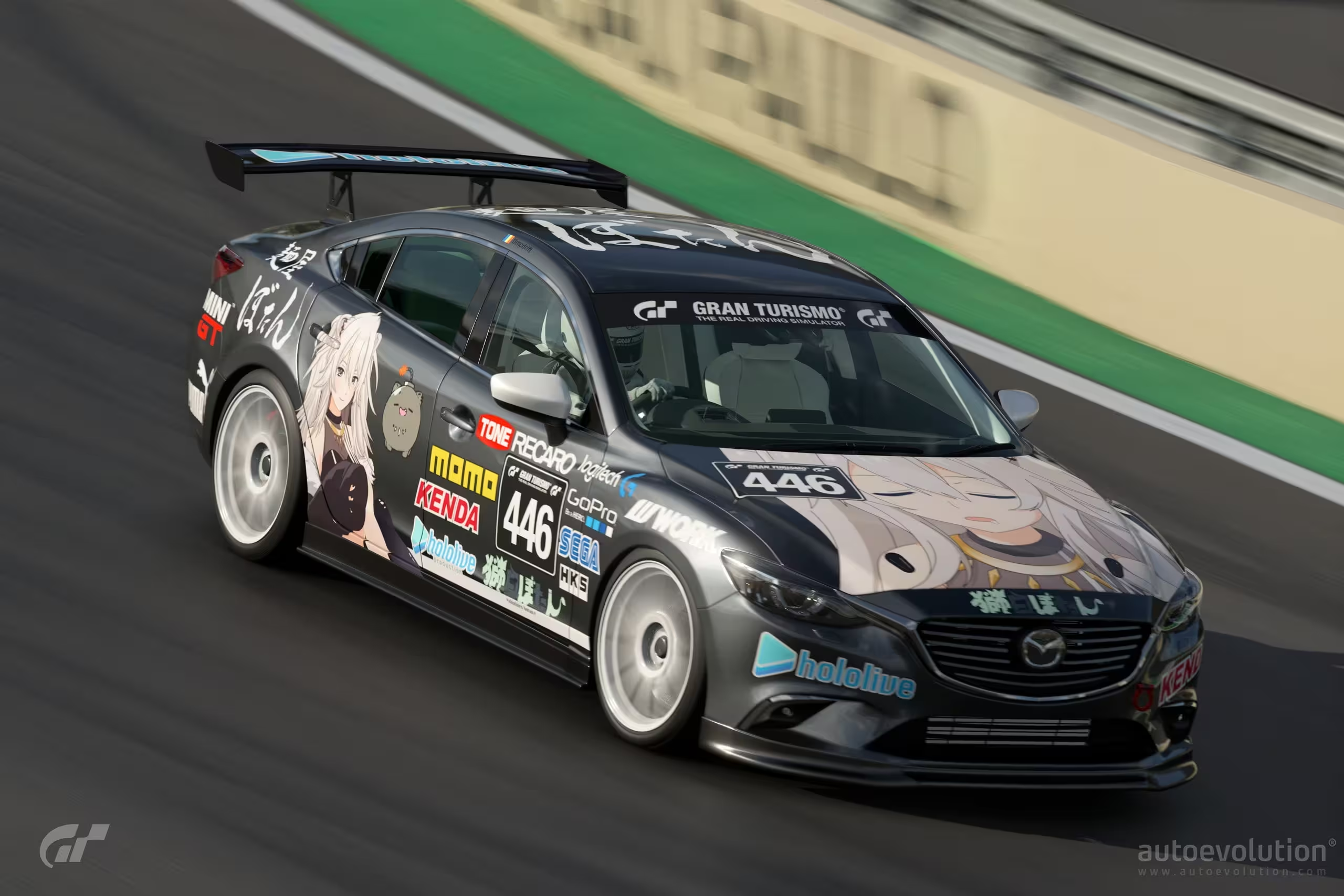
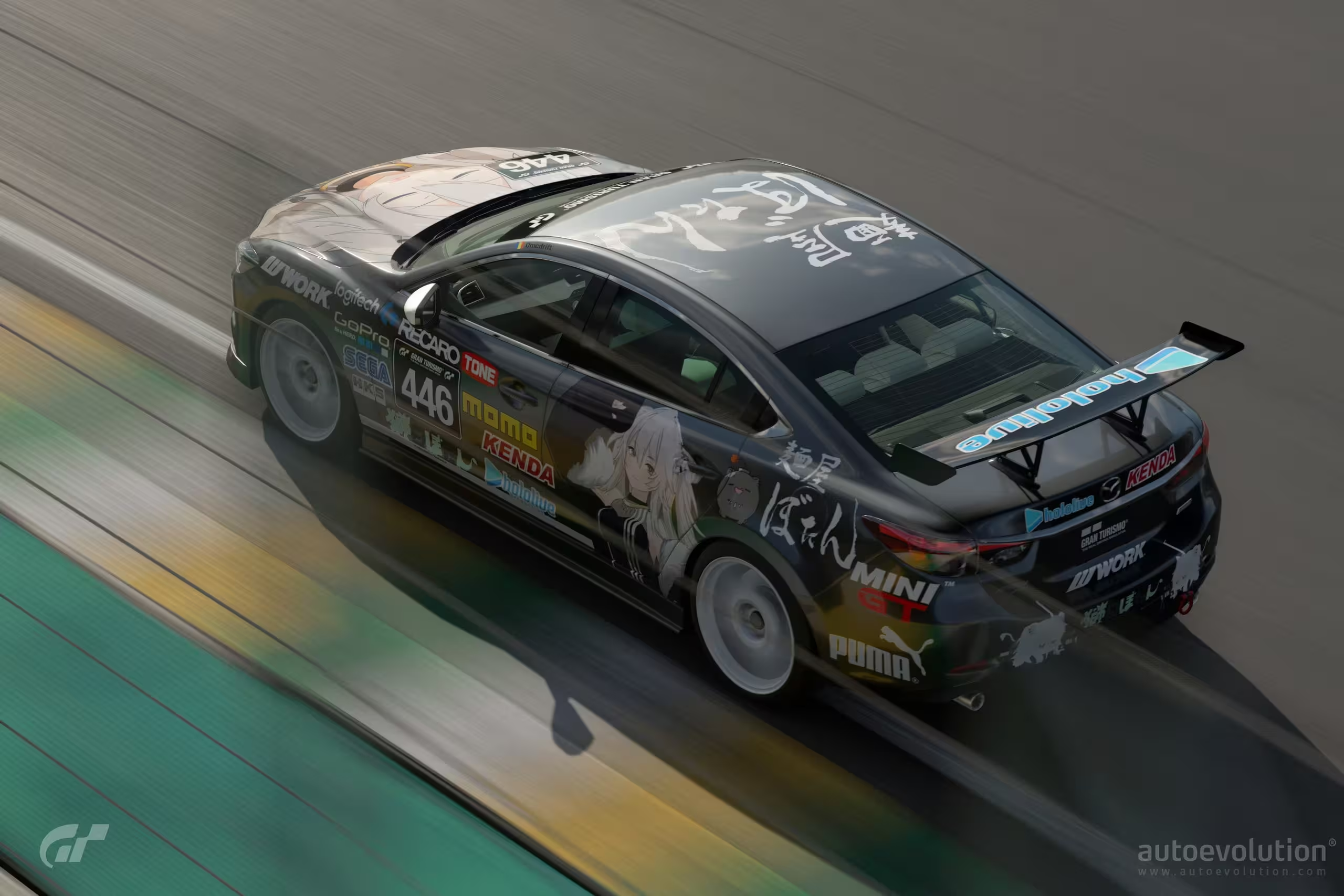
Starting small can teach restraint. The Mazda Atenza (less than 40,000 credits in-game) is a humble road car with under 180 bhp on paper, but its all-wheel-drive system and upgraded lightening made it a serviceable test mule. I ditched weight — almost 500 kg via upgrades — and even slapped an Itasha livery on for fun. The result was predictable: modest top speed, stable mid-corner manners, but nothing that would shave seconds off a Time Trial. My first lap hovered just over two minutes, and it was clear I needed something sharper.

Nissan Z Performance ’23 — more power, more grin
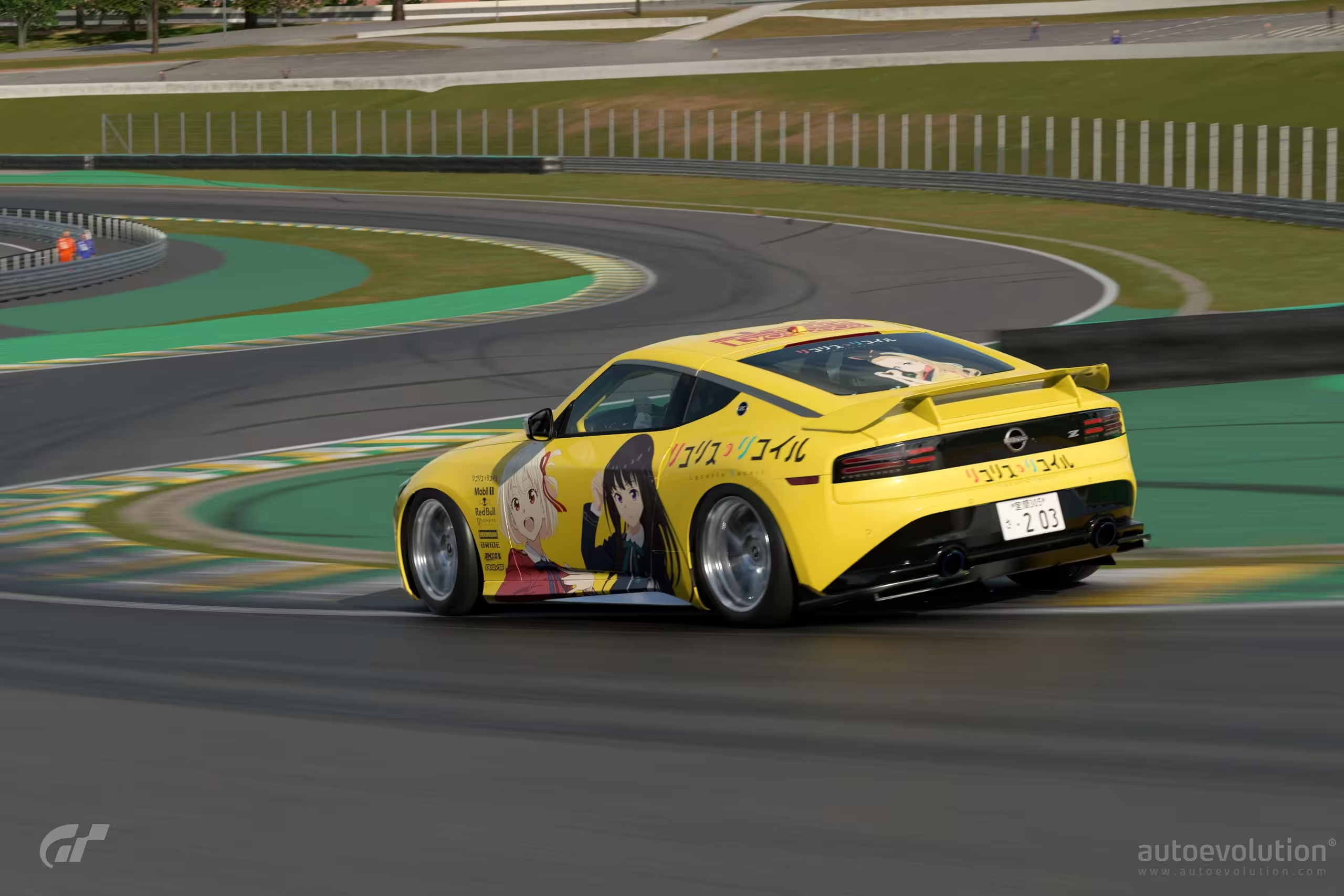
Switching to a rear-wheel-drive, front-engine platform like the Nissan Z Performance immediately improved lap times and the smile factor. I lightened the Z considerably and hit 161 mph (260 kph) down the main straight. With Sports Hard tyres (the mandated compound for this trial), I managed a 1:48.858 on my first serious lap — proof that power plus sensible weight reduction matters on Interlagos.
Group 3 and Vision Gran Turismo entries — corner speed matters
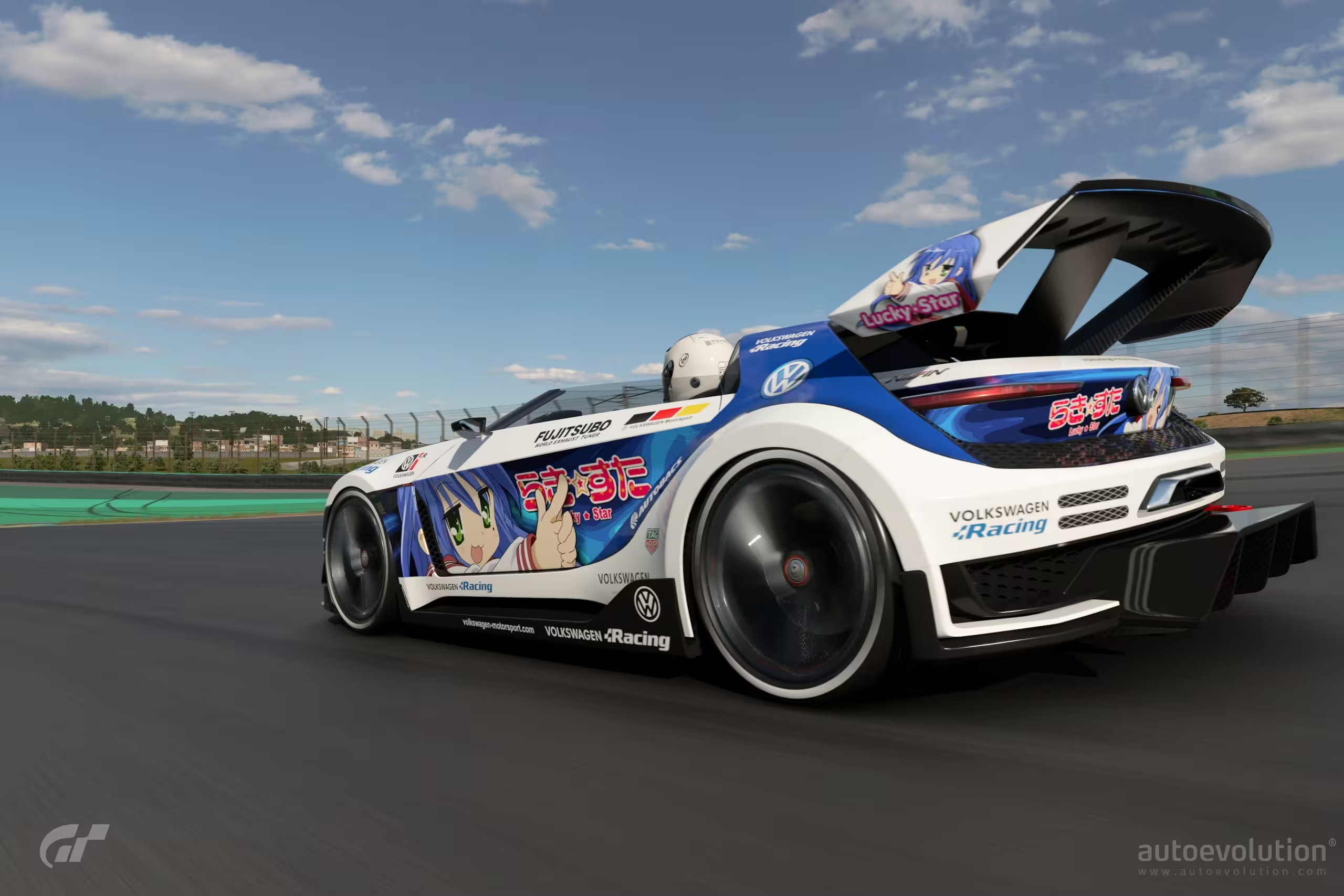
I also tried the Volkswagen GTI Vision Gran Turismo (Gr.3) and the Mercedes-Benz AMG Vision Gran Turismo Racing Series. The VW, despite not being a car I’d pick for real-world driving, was astonishing through the turns: a mid-engine layout and rear-wheel drive made it much faster in the technical sections and produced a 1:39.594 first lap. The Mercedes felt richer and more exotic, topping out around 167 mph (270 kph) down the straight but feeling close to AMG GT3 behavior overall. Both cars showed one of the Time Trial lessons clearly: corner speed often beats outright horsepower at Interlagos.
About the free NSX Type R — what to expect
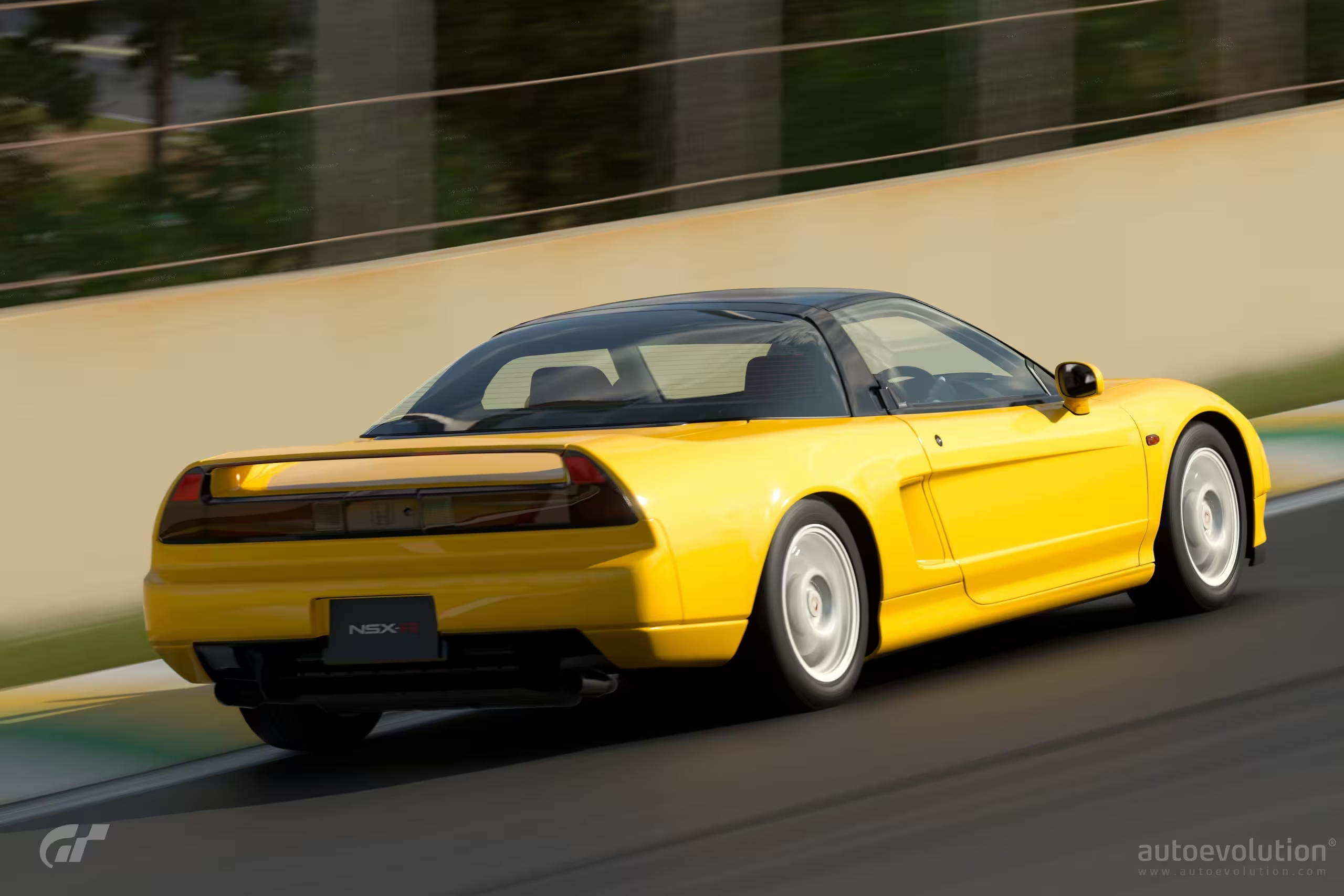
If you don’t own the 1992 Honda NSX Type R in your GT7 garage, now is a good time to try it — Polyphony has made it free to use for the event for roughly two weeks if you accept the preset palette. In-game the NSX costs just over 400,000 credits, so the trial is a nice opportunity for players who want to sample the car’s dynamics without buying it.
Key takeaways for driving the NSX in GT7
- Tune your revs: The NSX loves being revved. Its performance window rewards aggressive throttle application and late upshifts when used correctly.
- Watch the oversteer: The Type R in GT7 leans slightly towards oversteer under pressure. Controlled throttle and quick correction are more valuable than brute braking into corners.
- Brake markers are sacrosanct: Misjudge your braking point heading into Turn 1 and you’ll invalidate a lap. I learned that one the hard way.
- Tire compound matters: Sport Hard tires are the Time Trial standard; knowing their grip drop-off is essential for consistent lap times.
Lap targets and leaderboard strategy
As of 72 hours after the event launched, a Hungarian player held the top slot with a 1:46.595. Gold is accessible for many — anything under 1:49.792 should net you the reward. If you’re chasing the smaller incremental improvements (Silver or the top leaderboard), focus on these routines:

- Consistent exits: Losing time on exit from slow corners like Turns 1 and 4 kills your lap time more than a slightly conservative entry.
- Rev management: Keep the engine in its sweet spot; the NSX can be unforgiving if you fall out of the torque curve mid-corner.
- Clean lap philosophy: One clean flyer beats multiple aggressive laps because of the risk of invalidation.
How this event compares to past GT7 Time Trials
Polyphony has delivered memorable Time Trials before — the Ferrari GTO ’84 in July and the Aston Martin Vulcan back in October were both strong showcases — but there’s an argument to be made that the NSX event captures something purer. The Jaguar XJ13 event of March 2024 may still stand as the most thrilling for me, mainly because the car’s handling required absolute respect for the layout. With the NSX, GT7 balances nostalgia and precision: it’s fast enough to feel exciting, yet planted enough to reward clean driving.
Market context and community buzz
GT7 updates and Spec III rumors keep the community engaged — and events like this one fuel conversations about missing cars and desired manufacturer additions. Players frequently ask whether Polyphony should add more modern Mercedes-AMG models, or whether certain JDM classics could be expanded in the roster. Free-time trials like the NSX Type R reveal what players want most: authentic driving experiences with iconic models and meaningful leaderboard competition.
Final thoughts — why you should try the event
If you’re a GT7 player who’s been watching more racing than playing lately, this Time Trial is a strong reason to get back behind the wheel. The 1992 Honda NSX Type R is a compact lesson in balance and rev-happy performance, and Interlagos exposes both strengths and weaknesses. Whether you’re chasing gold, improving consistency, or just enjoying a yellow Indy Pearl livery as you carve through Turn 1, there’s something deeply satisfying about extracting a clean lap from a car that rewards finesse.
And if you’re new to Time Trials: don’t rush. Practice one section at a time, keep an eye on tyre temps and wear, and study the braking markers others post. Tidgney’s tutorial (linked in community hubs) classifies this event as medium difficulty — useful reassurance for players who might be intimidated. As Max Verstappen once quipped, “Understeer is slow.” Here, on Interlagos, being brave but surgical with the brakes is the fastest route to glory.
Up next in our coverage: a look at the restyled Triumph Scrambler 1200 XE, and continued tracking of GT7’s Spec III rumors.


Leave a Comment
Comments (3)
Nice writeup, but calling it Senna-esque feels over the top. Still, free NSX is a smart move, i'll try the Time Trial tonight, need better brake points tho
Is the NSX really that forgiving in-game? Sounds fun but I'm skeptical about tyre wear realism, anyone tested long runs — or is it just 1 lap glory?
Never thought Interlagos + NSX would feel this raw. Love the rev happy vibe, but that tail... needs respect. gonna try gold but probably wipeout lol