
4 Minutes
Xiaomi's YU7 overtakes Tesla's crown in China
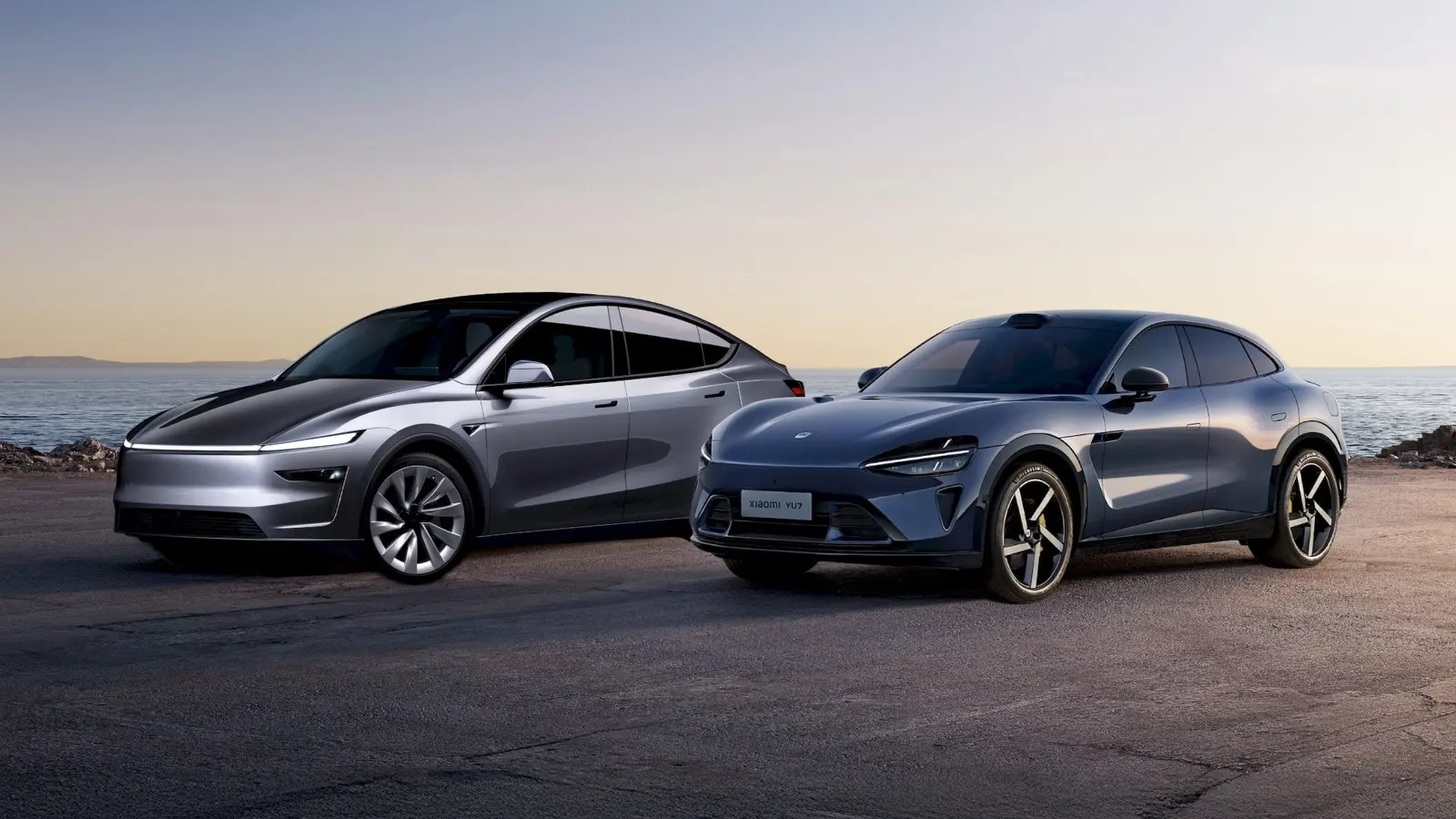
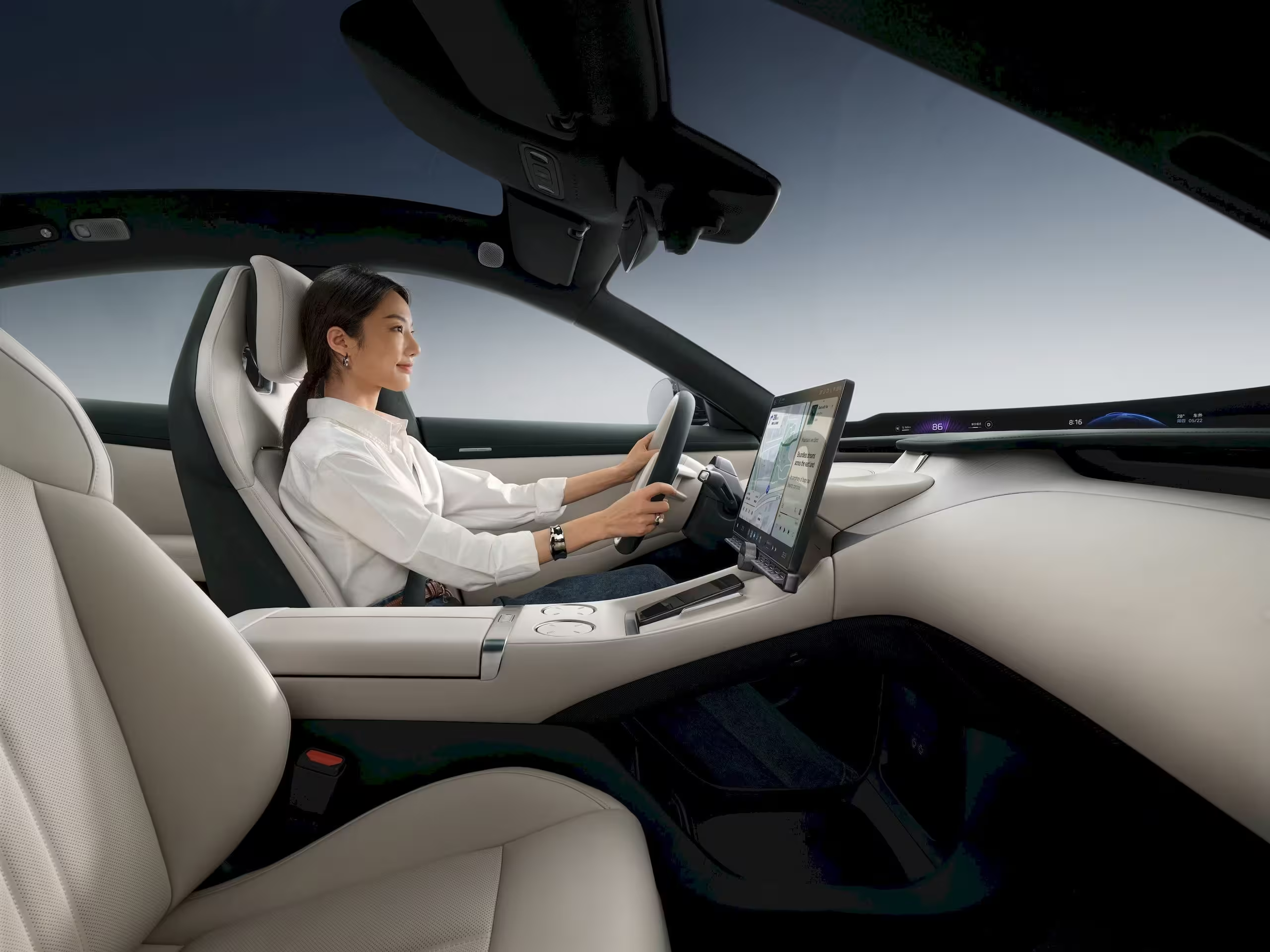
Xiaomi scored a major milestone in October when its YU7 compact crossover outsold the Tesla Model Y in China — the first time a rival has managed to topple the market leader in that segment. The momentum follows Xiaomi's rapid rise after the SU7 sedan established itself as a bestseller, and October’s figures suggest the electric-vehicle landscape in China is shifting fast.
Xiaomi reported 48,654 total deliveries in October, with the YU7 accounting for 33,662 units. By contrast, Tesla’s combined deliveries for Model Y and Model 3 in China totaled just 26,006 for the same month. Those numbers underline how quickly new entrants can carve out share when production ramps and consumer demand lines up.
Not just a one-car story
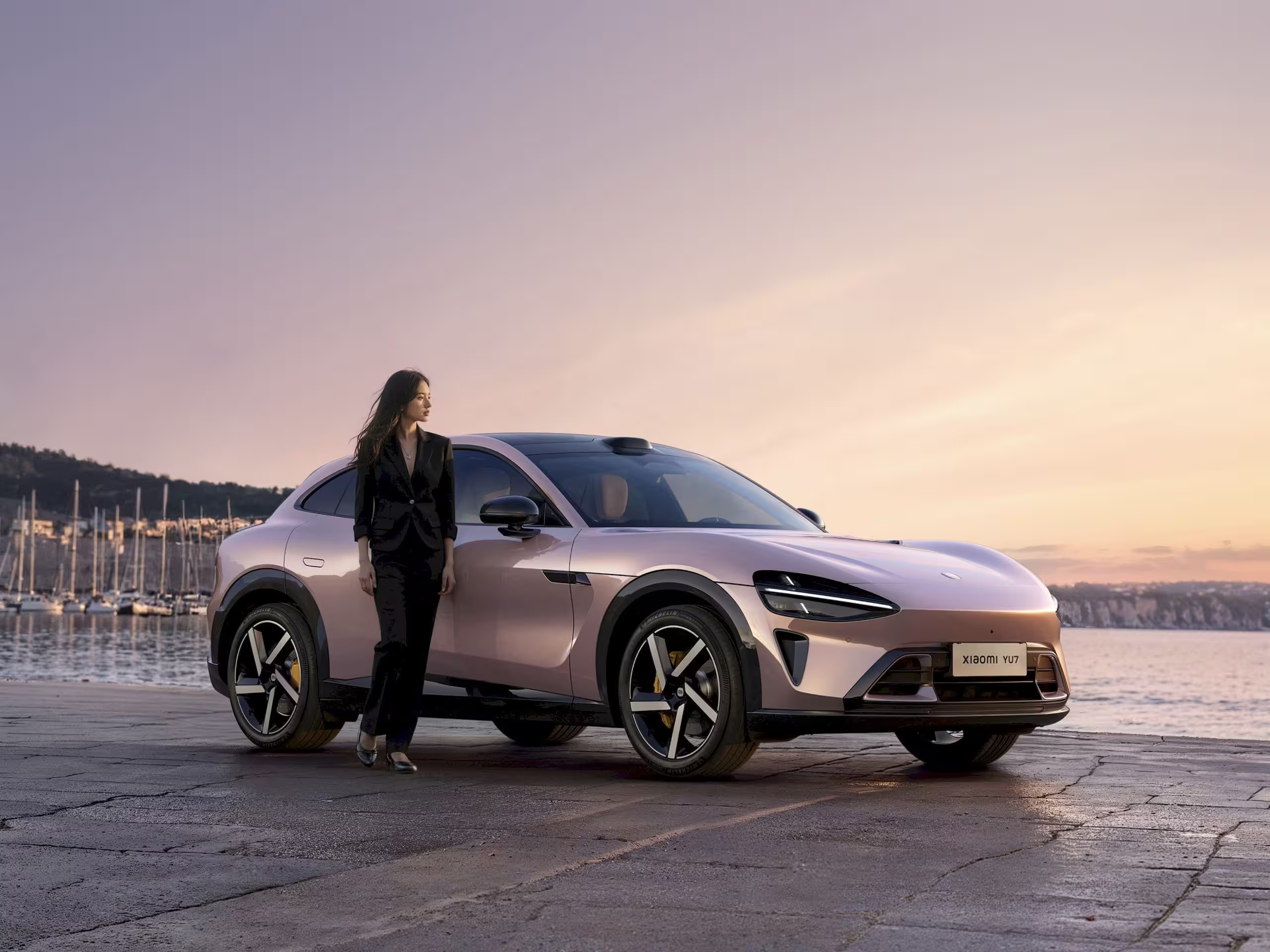
Xiaomi’s EV push has not been accidental. The company leaned on its tech heritage, streamlined production partnerships, and aggressive pricing and feature packaging to draw buyers. The SU7 showed Xiaomi could build a credible sedan, and the YU7 has translated that credibility into crossover sales — the fastest-growing segment in many markets.
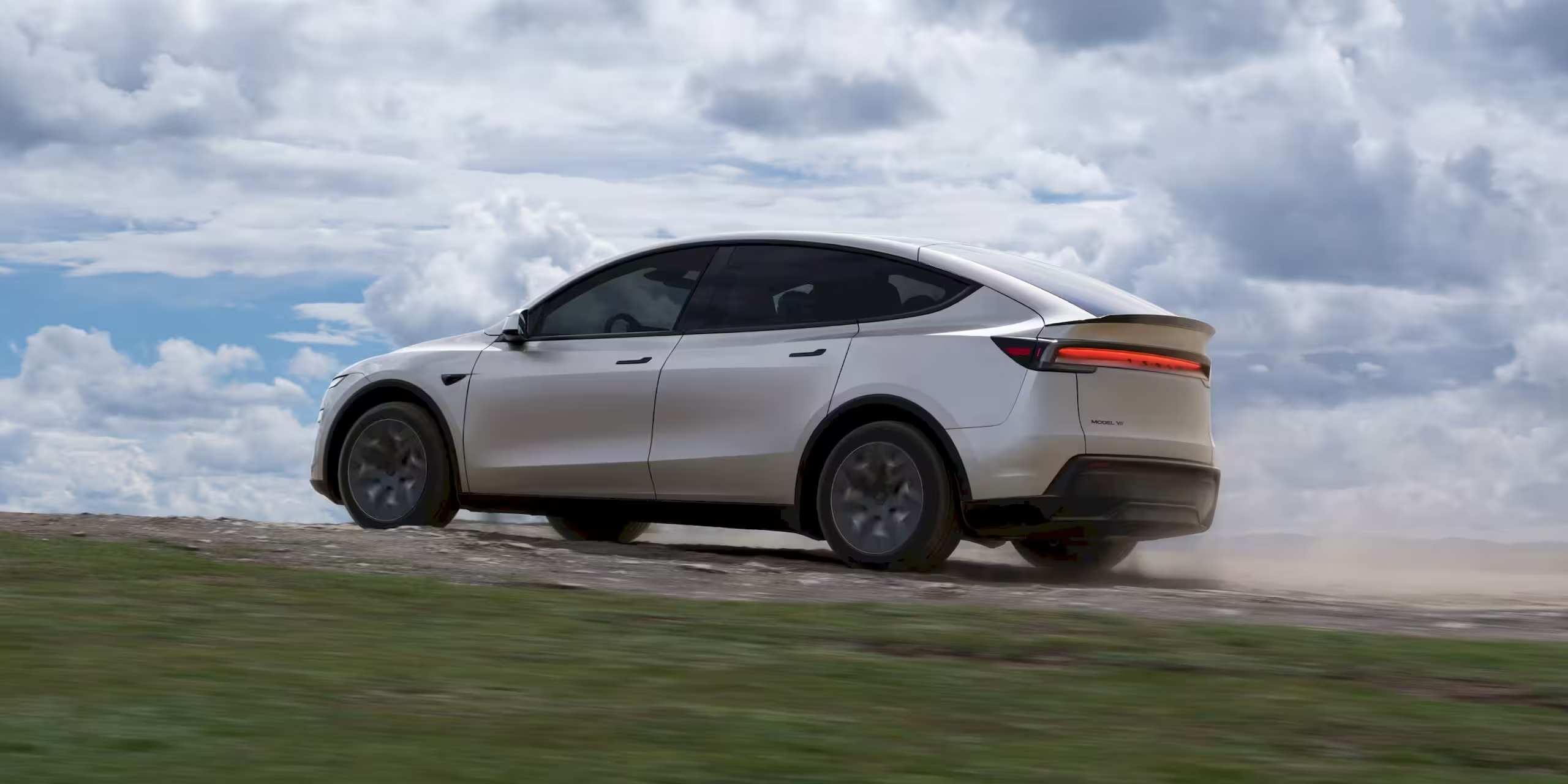
Tesla, meanwhile, had one of its weakest months in China in years. Deliveries plunged 36% year-over-year in October, a level not seen since November 2022. January–October sales are down 8.4% YoY, and while exports from Giga Shanghai hit 35,491 vehicles in October — a high since November 2023 — overall exports are still down about 14% YoY for the January–October period.
Why this matters: competition, product cycles and perception
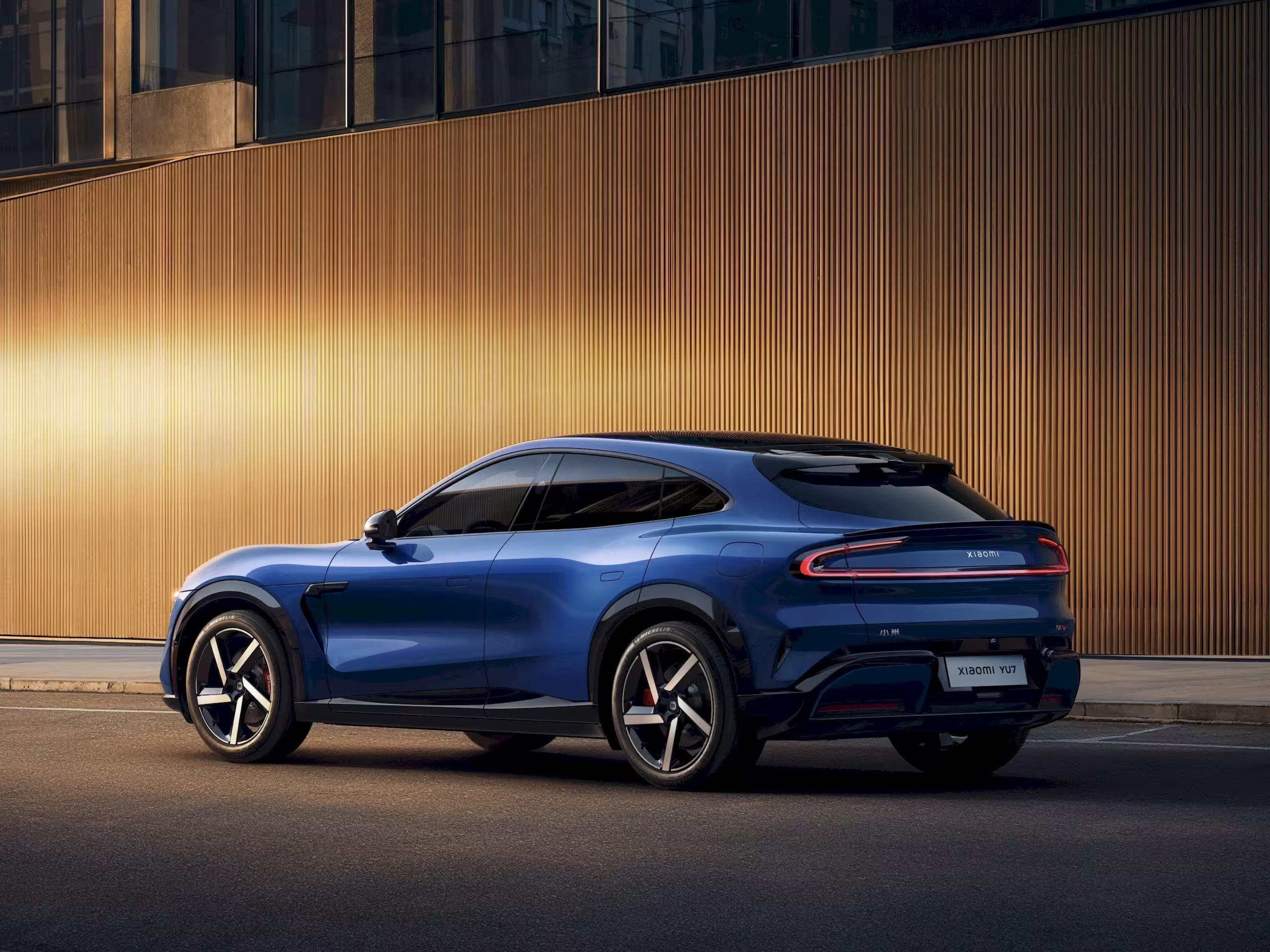
The headline numbers illustrate more than a single monthly fluctuation. They reflect a broader trend: established automakers and new tech-backed entrants are launching competitive EVs with modern features, attractive range and smart interiors. Consumer tastes are evolving; price-sensitive buyers in China are quick to switch to models that offer better value, local connectivity and contemporary design.
Some factors behind Xiaomi’s October surge:
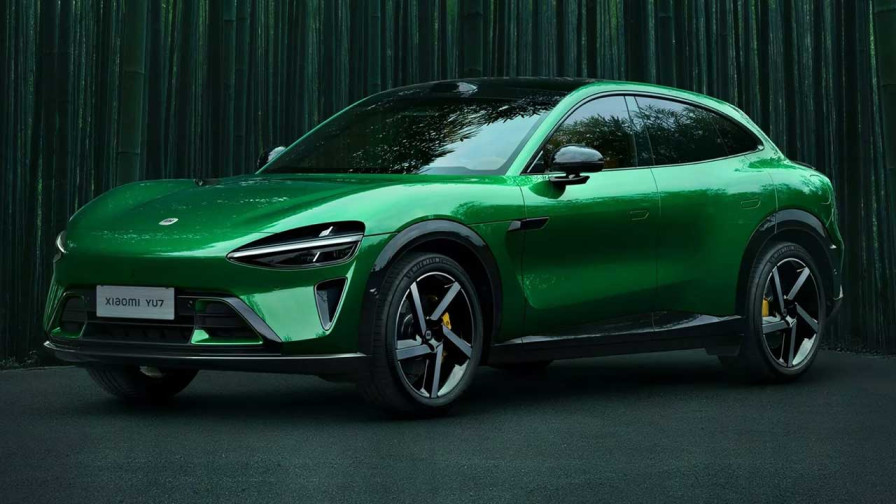
- Rapid production ramp-up for the YU7 and strong dealer availability.
- Brand halo from the SU7 sedan translating into crossover interest.
- Aggressive pricing and feature set tailored to Chinese buyers.
Where Tesla stands
Tesla’s position is complicated. The brand still has substantial global recognition, a charging ecosystem and software strengths. But the company’s product pipeline has slowed, and public departures of vehicle program leaders have fueled perception that Tesla’s vehicle development pace has stalled. The recently introduced Model Y L (longer wheelbase) delivered a boost in September but lost momentum in October, suggesting initial appeal can fade quickly in a competitive market.
Quote: "October shows how quickly the balance can shift when newcomers combine strong product execution with factory throughput," said a market analyst following China’s EV segment.
What this means for buyers and the market
For consumers, more competition typically means better value: more features, improved range, and faster refresh cycles. For Tesla, the October results are a reminder that leadership in EVs is not guaranteed; manufacturing continuity, product updates and local market alignment matter.
Quick highlights:
- Xiaomi: 48,654 deliveries in October; YU7 = 33,662 units.
- Tesla: 26,006 Model Y and Model 3 deliveries in China in October.
- Giga Shanghai exports: 35,491 units in October, but overall exports down YoY.
Looking ahead
Will this be a permanent shift? Not necessarily overnight — Tesla still holds technological and brand advantages in software and charging infrastructure — but the October figures make clear that competitors have closed the gap in product appeal. Expect more aggressive launches, incentives, and model updates from both incumbents and newcomers. The longer-term winners will be companies that combine strong EV architecture, localized features, efficient production and a clear pricing strategy.
For car enthusiasts and industry watchers, October was a milestone: a sign that the next phase of the EV market will be driven by execution as much as brand legend. Xiaomi’s YU7 is a case study in how a well-priced, well-marketed compact crossover can disrupt the market, while Tesla’s slump underlines the cost of standing still.
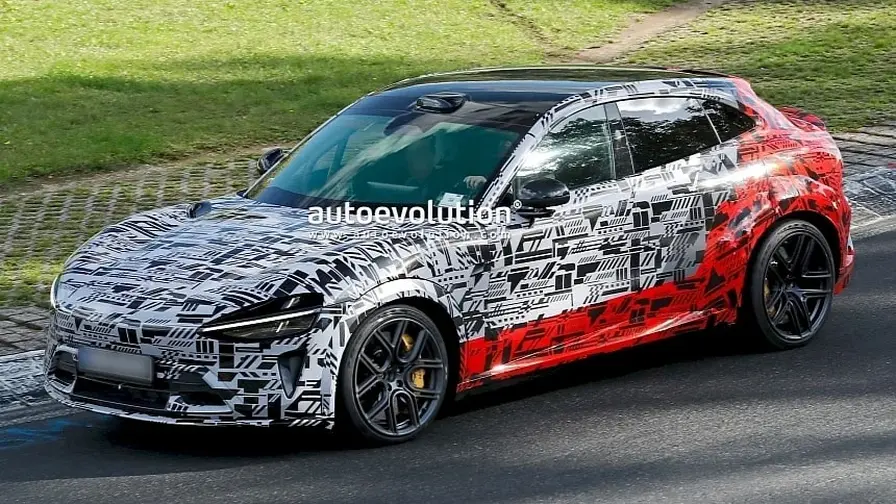
Whether Tesla can reclaim share will depend on refresh cadence, new models and how it responds to local competition. For now, the YU7’s success is a clear message — in China’s electric market, momentum can change in months, not years.


Leave a Comment
Comments (2)
Is this legit or a one-month blip? Tesla still has charging edge and software, but Xiaomi's ramp and pricing are scary. resale/value concerns.
wow didnt expect Xiaomi to topple Tesla in China so fast, the YU7 must hit a sweet spot... curious about long term quality tho