
4 Minutes
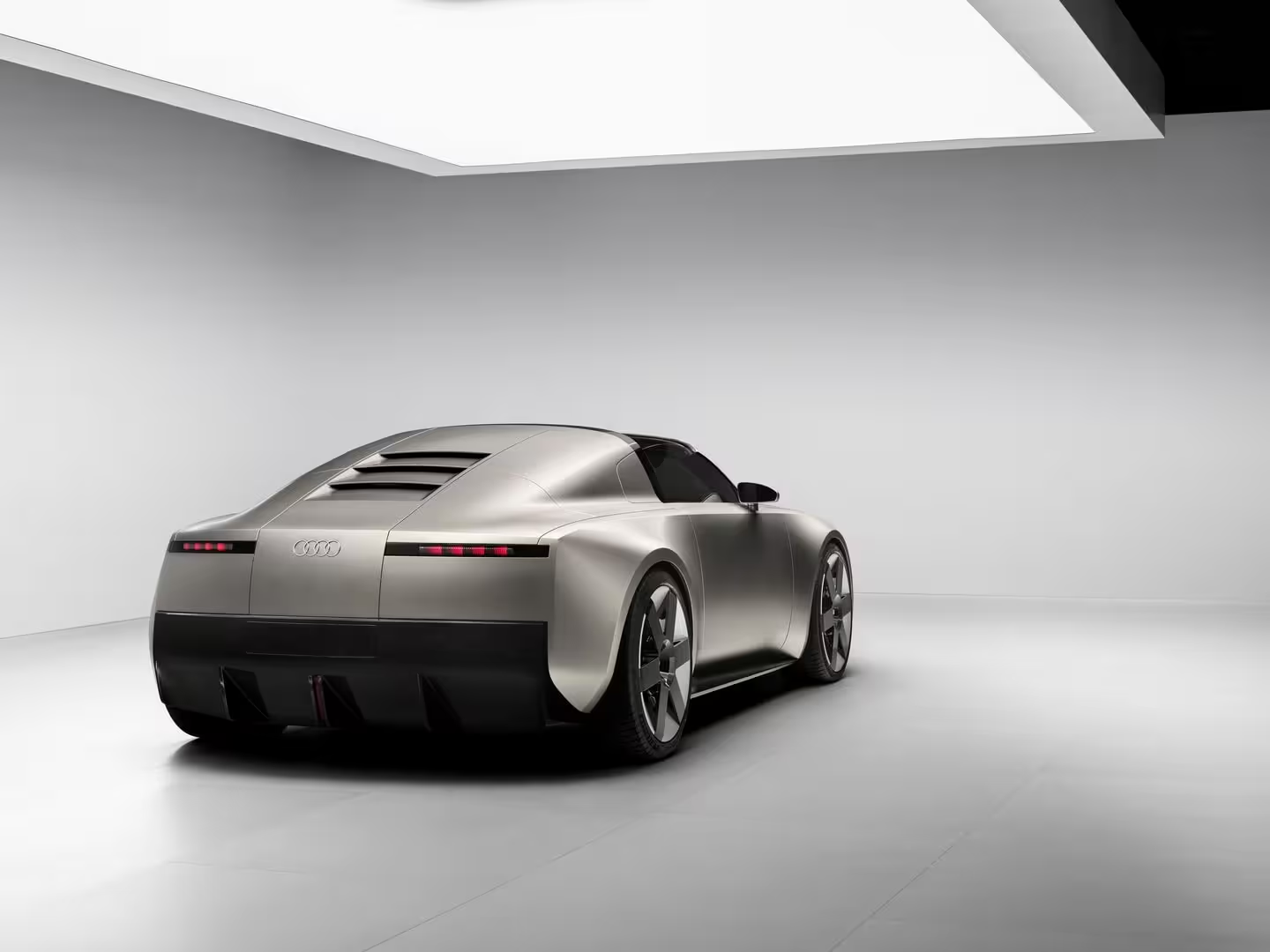
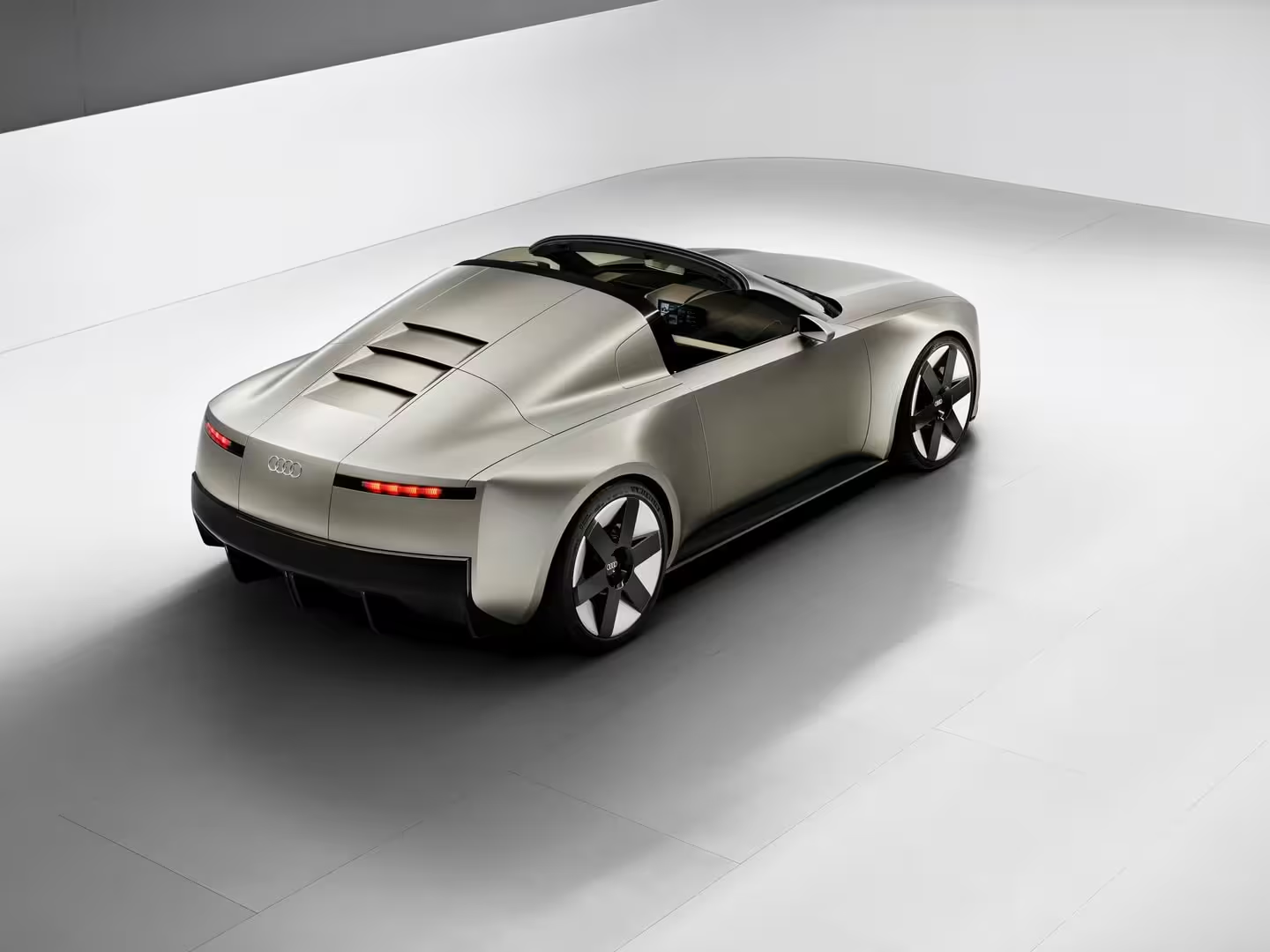
When Audi unveiled the Concept C at IAA 2025, it intended to signal a new era of "radical simplicity". Instead, the design provoked confusion and, in some corners, outright rejection. For brand loyalists the worry isn't just about a new look — it's about the fate of the A8, Audi's flagship that has long anchored the marque's identity.
Why the Concept C sparked such a visceral reaction
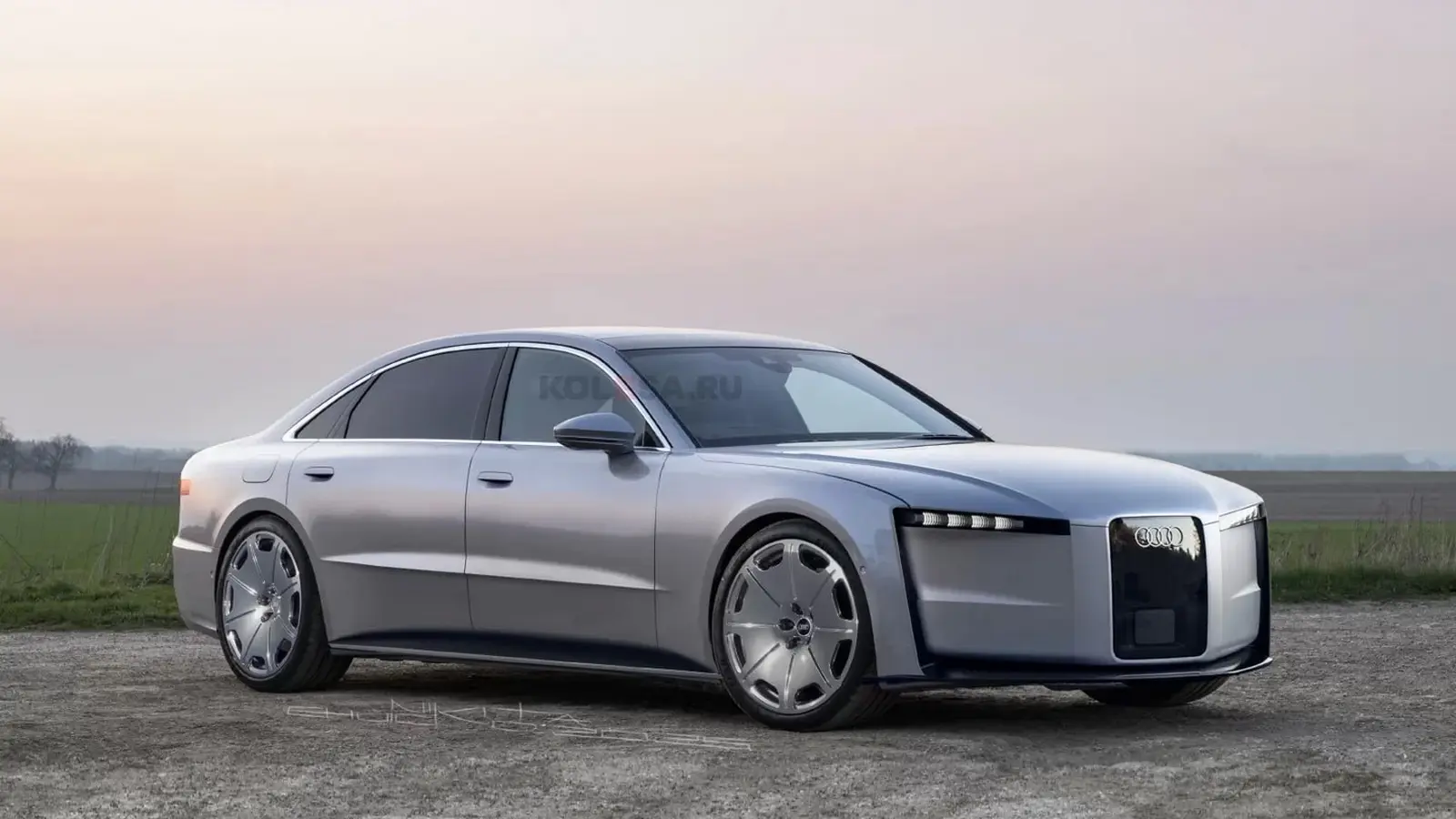
Design languages matter. They build recognition across decades and markets. Audi’s A8 has functioned as a cultural anchor: its proportions, grille presence and lighting signature have established a visual vocabulary that customers come to expect. The Concept C flips that script with extreme minimalism — pared-back surfaces, understated lighting, and a grille that refuses to dominate. For some, the result reads as elegant restraint; for many Audi enthusiasts it reads as identity dilution.
Imagine a spacecraft shedding its heat shield for a sleeker profile but losing its ability to stand out on the launch pad — the metaphor fits. In automotive terms this is more than aesthetics. Grilles, headlamp signatures and taillight bands do more than look dramatic: they communicate technology (radar and lidar housing), thermal management needs, and brand recognition. Strip those cues away and you create a car that feels less like a flagship and more like a generic skin stretched over a complex electric architecture.
Can radical simplicity coexist with flagship demands?
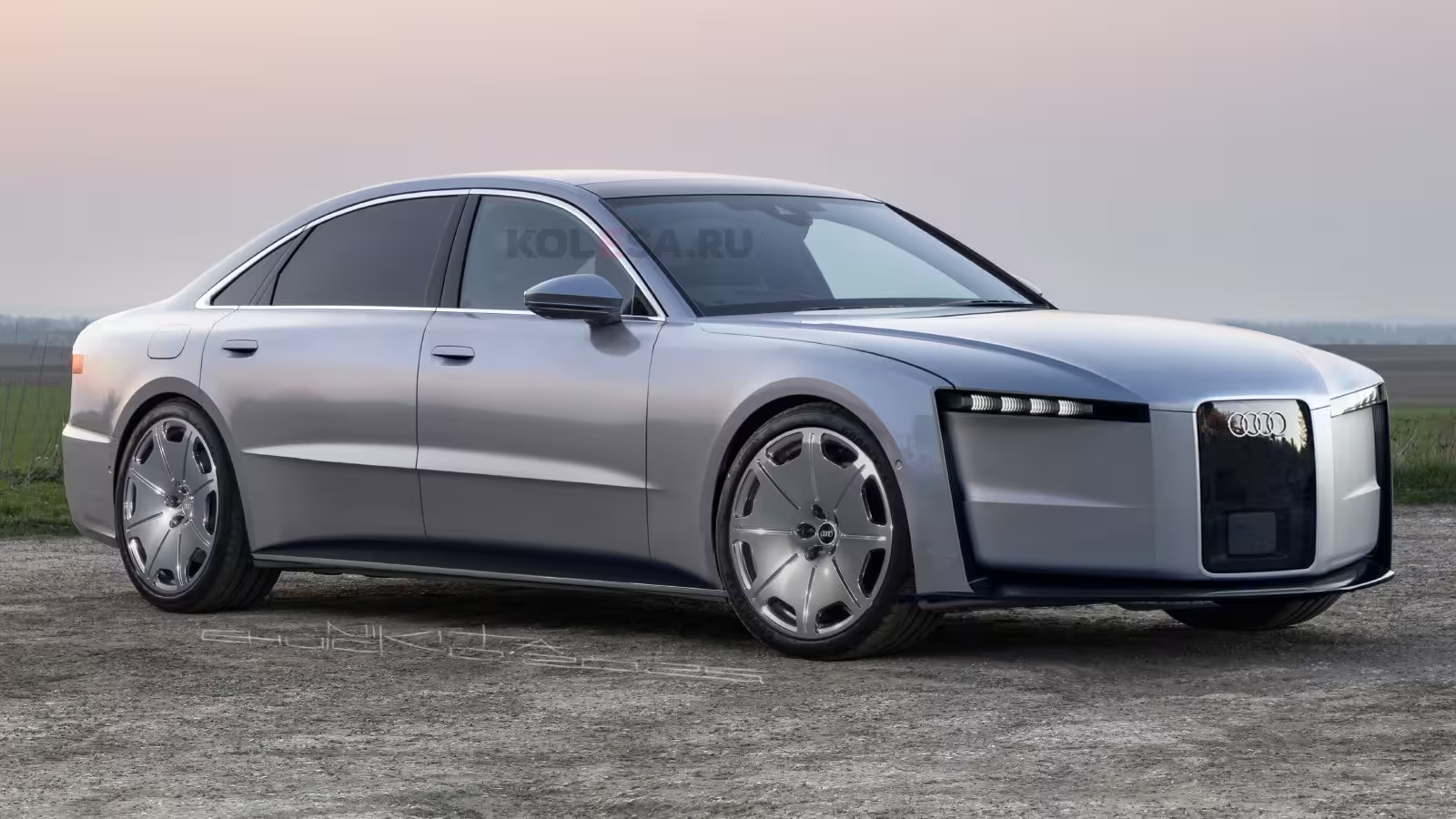
There are technical trade-offs when moving to simplified surfaces. Aerodynamics and computational fluid dynamics (CFD) modeling can benefit from clean lines, improving efficiency and range in electric vehicles. But the A8 also needs to announce presence: thermal management for large battery packs, active grille shutters for cooling, and room for advanced driver-assistance sensors (radar, ultrasonic modules, lidar). Design choices that prioritize minimalism can conflict with those functional requirements.
Practical design constraints to consider
- Aerodynamics: A smooth silhouette improves drag coefficient, but air intakes and outlet geometry remain critical for battery and powertrain cooling.
- Sensor integration: Autonomous and semi-autonomous systems require visible or discretely housed sensors; removing signature elements can make packaging harder.
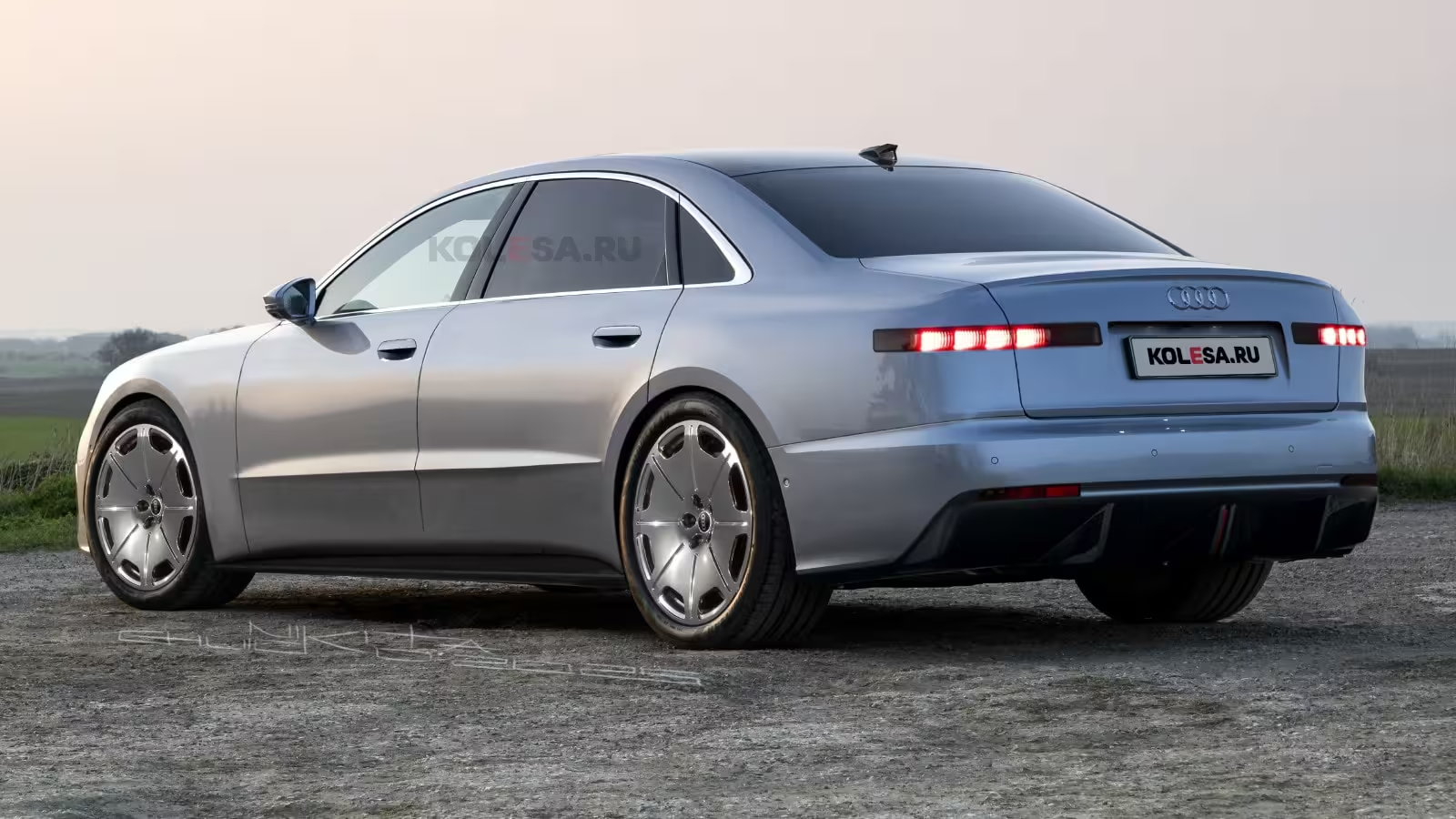
- Lighting as identity: LED matrices and animated light signatures are low-energy ways to signal brand DNA; muting them risks eroding recognition.
The rendering by Kolesa that imagines an A8 with Concept C cues highlights these tensions. The result is undeniably "radically simple", but simplicity does not automatically translate into beauty or functionality for a flagship car. A vertical grille can be modernized, but it also needs scale — something that announces stature, not vanishing restraint.

Brand strategy: are designers overreaching?
There’s a parallel to other industries: consider how some sports leagues abandoned uniform traditions in the name of novelty, diluting clear identities in pursuit of trend-driven merchandising. The auto industry risks a similar outcome if design studios prioritize novelty over continuity. Electrification gives designers more freedom — the combustion-era constraints vanish — but freedom without guardrails can erode a brand's visual DNA.
For Audi, the stakes are high. The A8 is not just another model; it broadcasts technical capability — from advanced chassis control and thermal systems to quiet EV drivetrains — and it must look the part. If a flagship no longer "looks like Audi", corporate strategy and customer loyalty could take a hit.
What this means for future Audis and electrified design
Expect negotiations between marketing, engineering, and design. Engineers will press for functional elements — active cooling, sensor suites, crash structures — while designers chase the minimalist ideal. A successful next-gen A8 will reconcile these demands: employ aerodynamic efficiencies and modern materials (advanced composites, aluminum alloys, and stamped battery enclosures) while preserving a recognizable grille proportion, confident lighting signatures, and a sense of presence that communicates luxury and performance.
Expert Insight
"Flagship vehicles carry the responsibility of translating technology into trust," says Dr. Elena Meyer, an automotive systems engineer who has worked on EV thermal systems. "You can simplify surfaces for efficiency, but you still need to provide visual cues that explain the vehicle's capabilities — cooling, sensor locations, and safety structures. Those cues are part of a brand's language and can't be removed without consequences."
Design evolution is inevitable, and experimentation is necessary. But where the Concept C lands — daring experiment or misstep — depends on how Audi balances visual identity with the practical demands of electrification, autonomous-readiness, and customer expectation.









Leave a Comment
Comments (2)
Is this really better for an A8 though? Simplicity ok for EVs but flagship needs cues, not a floating slab. Curious how sensors fit.
Wow, Concept C looks sleek but where's the Audi soul? Feels like they stripped the A8 of presence, kinda sad. If it loses recognition buyers will notice.