
3 Minutes
GM's new small-block family reportedly arrives with 5.7L and 6.6L options
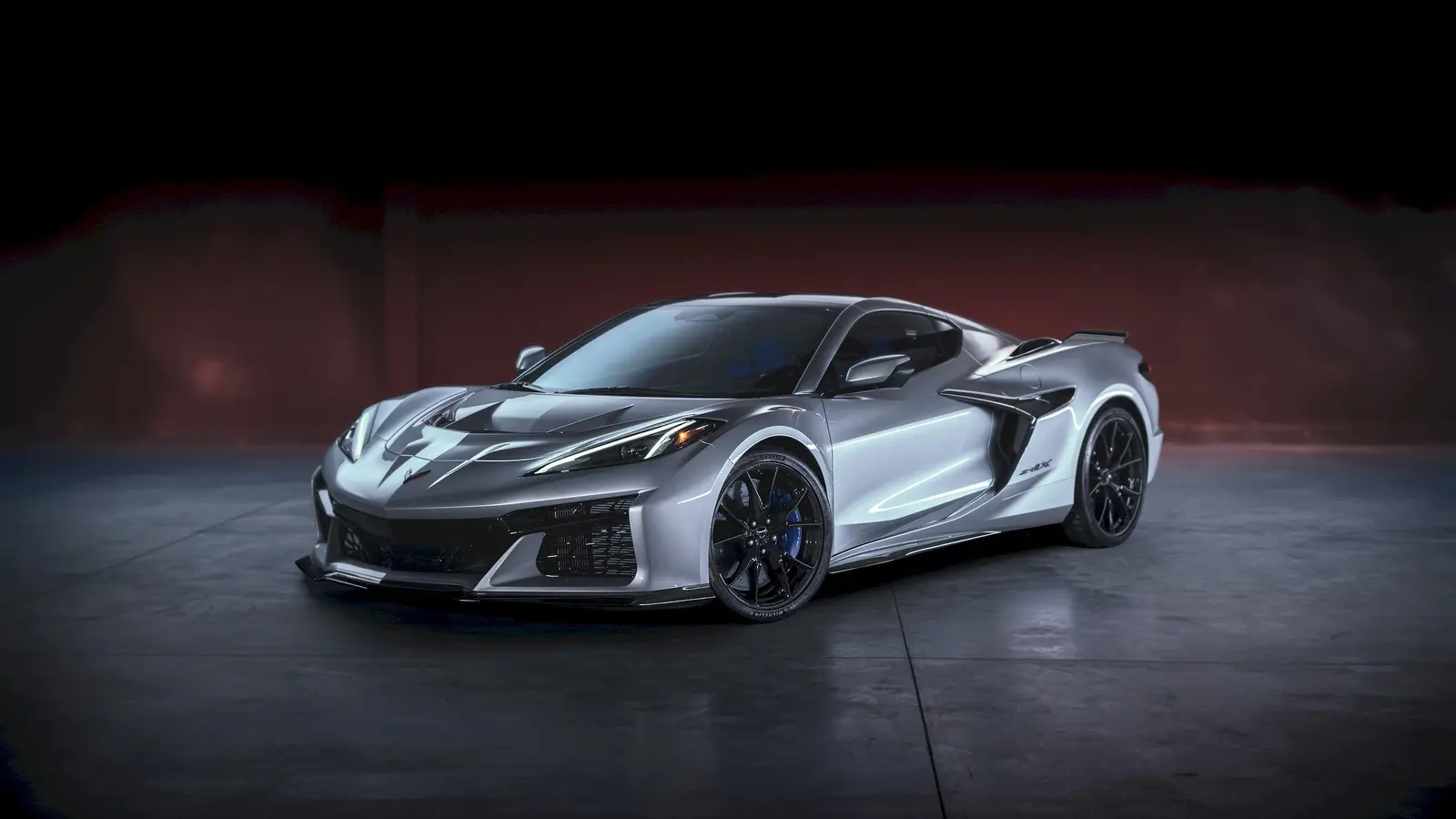
General Motors appears to be preparing a sixth-generation small-block V8 family that will debut in the 2027 model year, with early reports pointing to two primary displacements: a 5.7-liter unit tuned for efficiency and a 6.6-liter version aimed at performance applications. The engines are expected to show up first in light-duty pickups and the C8-generation Corvette as GM looks to modernize its V8 lineup.
Where the 5.7L fits in
The smaller member of the rumoured family would replace the current 5.3L offering, adopting Dynamic Fuel Management in place of the older Active Fuel Management system. Sources claim the production-order code for this engine will be L84, reflecting its focus on improved fuel economy without sacrificing the V8 character buyers expect. The 5.7L displacement is familiar territory for GM, echoing the classic 350-cubic-inch small block and the early LS-series motors such as the LS1 and LS6.
6.6L: performance intent and possible Grand Sport duties
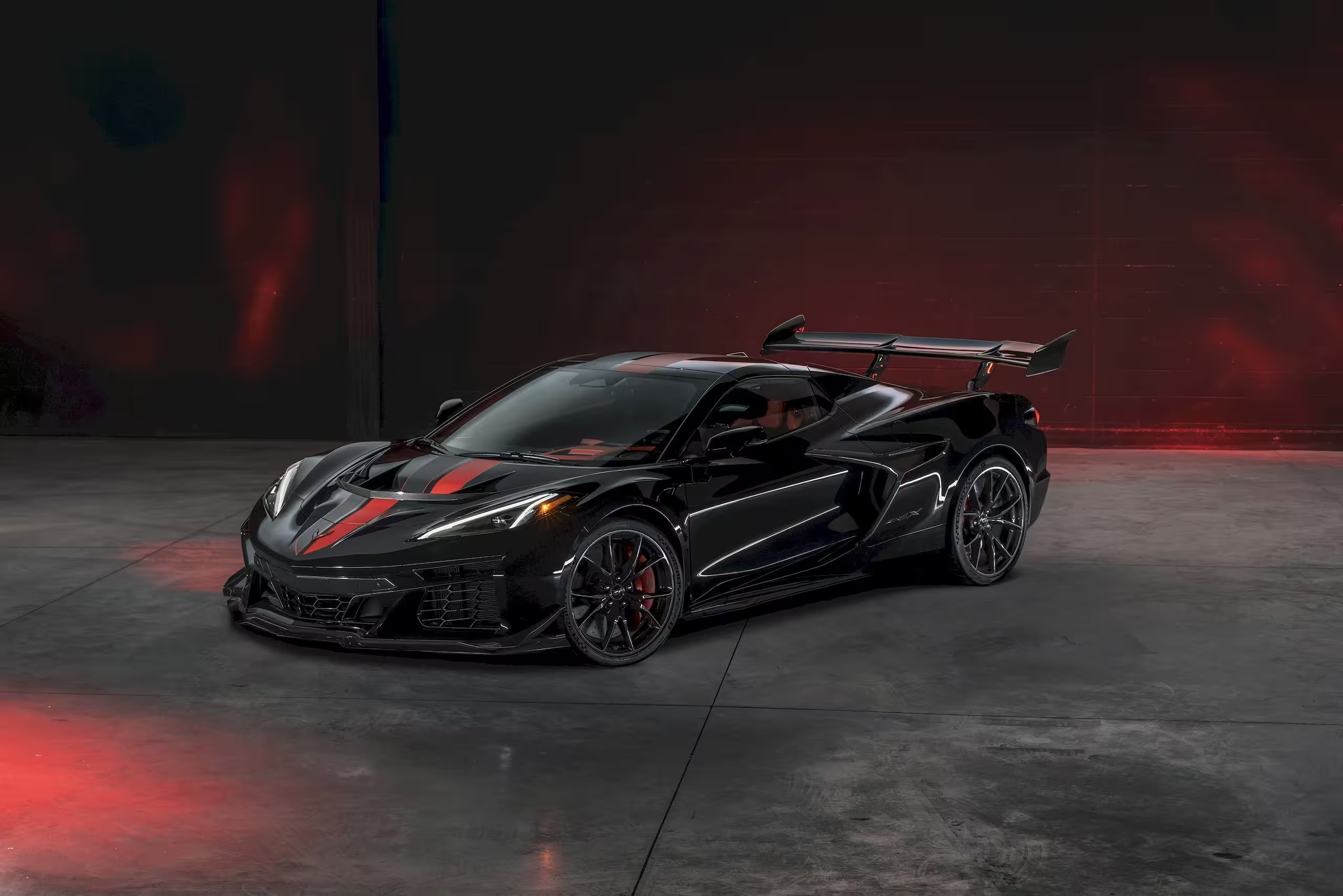
On the performance end, multiple unverified reports suggest GM will move from the current 6.2L to a 6.6L V8. That larger displacement would likely power high-output variants, and some insiders say it could underpin a revived Corvette Grand Sport model — and potentially replace the LT2 engine used in current Stingray and E-Ray models.
How this compares to existing V8s
GM already uses 6.6L in heavy-duty truck applications, notably the L8T in Silverado and Sierra HD pickups. There is also a crate-engine performance version, the L8P, which benefits from more aggressive camshaft tuning and higher output. For context, the performance crate version can be rated well above the HD truck tune on both horsepower and torque, illustrating how a 6.6L architecture can be adapted for either duty or performance roles.
Production, investment, and quality concerns
GM has signaled major investment toward producing the next small-block, committing roughly $854 million to retool U.S. facilities. Despite that spending, the automaker has not released official specs or confirmed the displacement lineup, so these reports should be treated cautiously. Two independent sources have, however, reported similar 5.7L and 6.6L displacements, and recent sightings of wide-bodied C8 test mules with covered engine bays add fuel to the speculation.
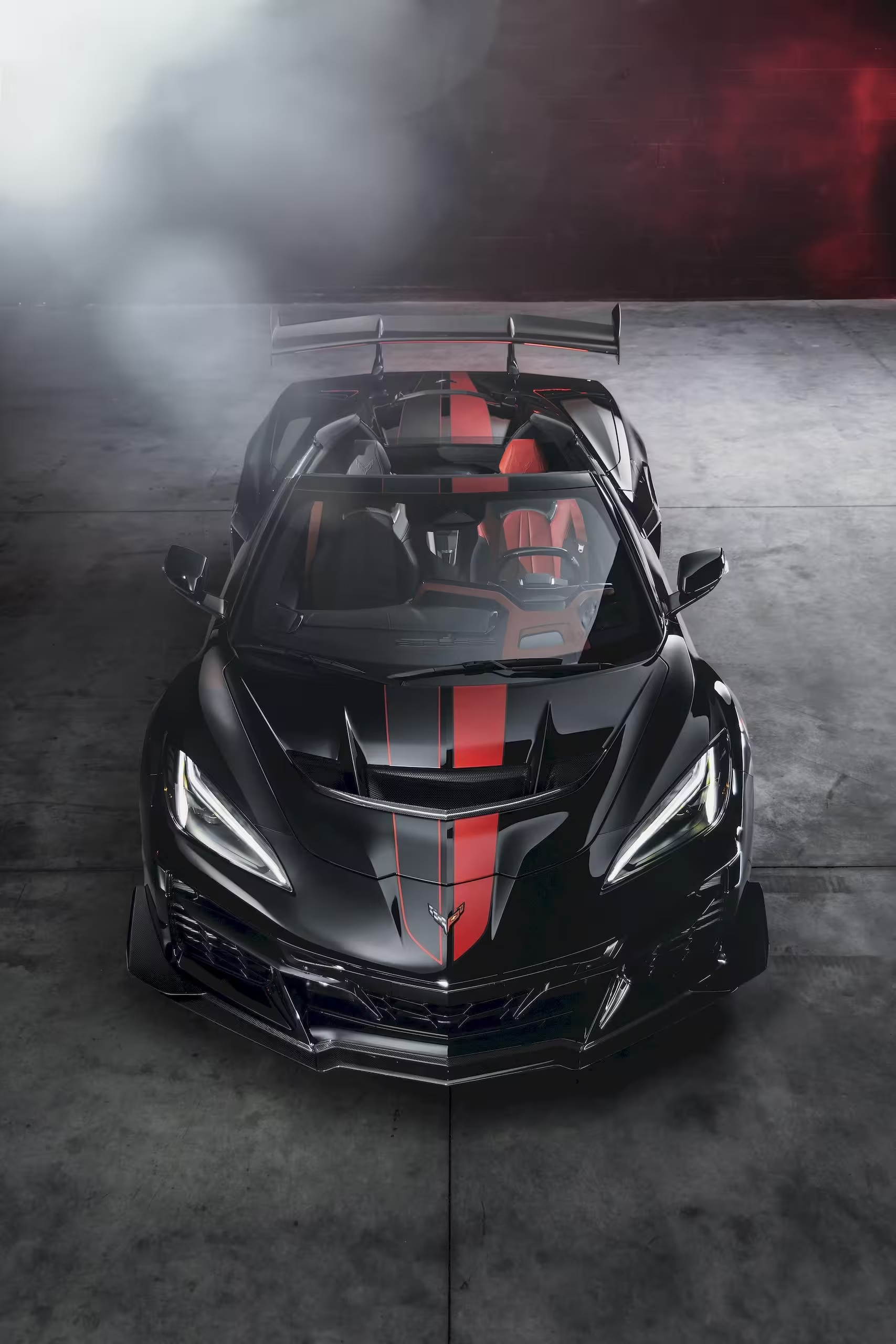
One interesting tidbit: a photographed mule showed Buick tri-shield center caps on the wheels, a hint that GM may be positioning a Grand Sport-like model somewhere in the Corvette family again. A well-known Corvette social-media poster has also claimed dealers were told a new Grand Sport is coming and that engine production might move to Kentucky after quality problems with the 6.2L L87.
Recall and regulatory backdrop
The move to reengineer production likely follows a major recall and regulatory scrutiny. GM recalled nearly 600,000 light-duty trucks and SUVs powered by the 6.2L L87 after issues were linked to incorrectly manufactured connecting rods and crankshafts supplied by third parties. Separately, the NHTSA is conducting an engineering analysis of L87-equipped vehicles from the 2019-2024 model years, extending scrutiny beyond the recall itself.
- Potential benefits: improved fuel economy with Dynamic Fuel Management on the 5.7L
- Performance target: 6.6L could be tuned for higher output in Grand Sport or similar variants
- Production: heavy investment in U.S. plants, reported move of engine assembly to Kentucky
Until GM confirms details, enthusiasts and fleet buyers will have to rely on these educated leaks and spy sightings. If the rumours pan out, the new small-block generation could offer a flexible architecture that spans efficient truck engines to high-performance Corvette powerplants, keeping the classic V8 ethos alive while meeting modern efficiency and manufacturing standards.



Leave a Comment
Comments
No comments yet. Be the first.