

3 Minutes
Rumors suggest Qualcomm's Snapdragon 8 Elite Gen 5 could power the majority of Galaxy S26 handsets — and every S26 Ultra sold worldwide — thanks to a binding deal that may penalize Samsung if it switches to its own Exynos silicon. Here’s what that means for Samsung, buyers and the wider smartphone market.
Snapdragon takeover? What the rumor claims
Leaked reports indicate roughly 75% of Galaxy S26 models will ship with Qualcomm's Snapdragon 8 Elite Gen 5, while the Galaxy S26 Ultra would carry the chipset across all regions. If true, Samsung’s in-house Exynos 2600 would be limited to a minority of units — an awkward reality given the company's long-term desire to rely more on its own chips.
There are two forces at play: a commercial agreement with Qualcomm that reportedly carries steep penalties for early termination, and disappointing yield rates for the Exynos 2600. The combination makes Qualcomm the safer — if costlier — option for Samsung right now.
Why Qualcomm has the upper hand
Qualcomm’s leverage comes from both supply and strategy. The company has moved to TSMC’s cutting-edge processes and developed its own CPU cores, which has driven up the value (and price) of its flagship SoCs. Industry whispers put the Snapdragon 8 Elite Gen 5’s per-unit cost near $280, depending on volumes and contract terms — a notable bump compared with previous generations.
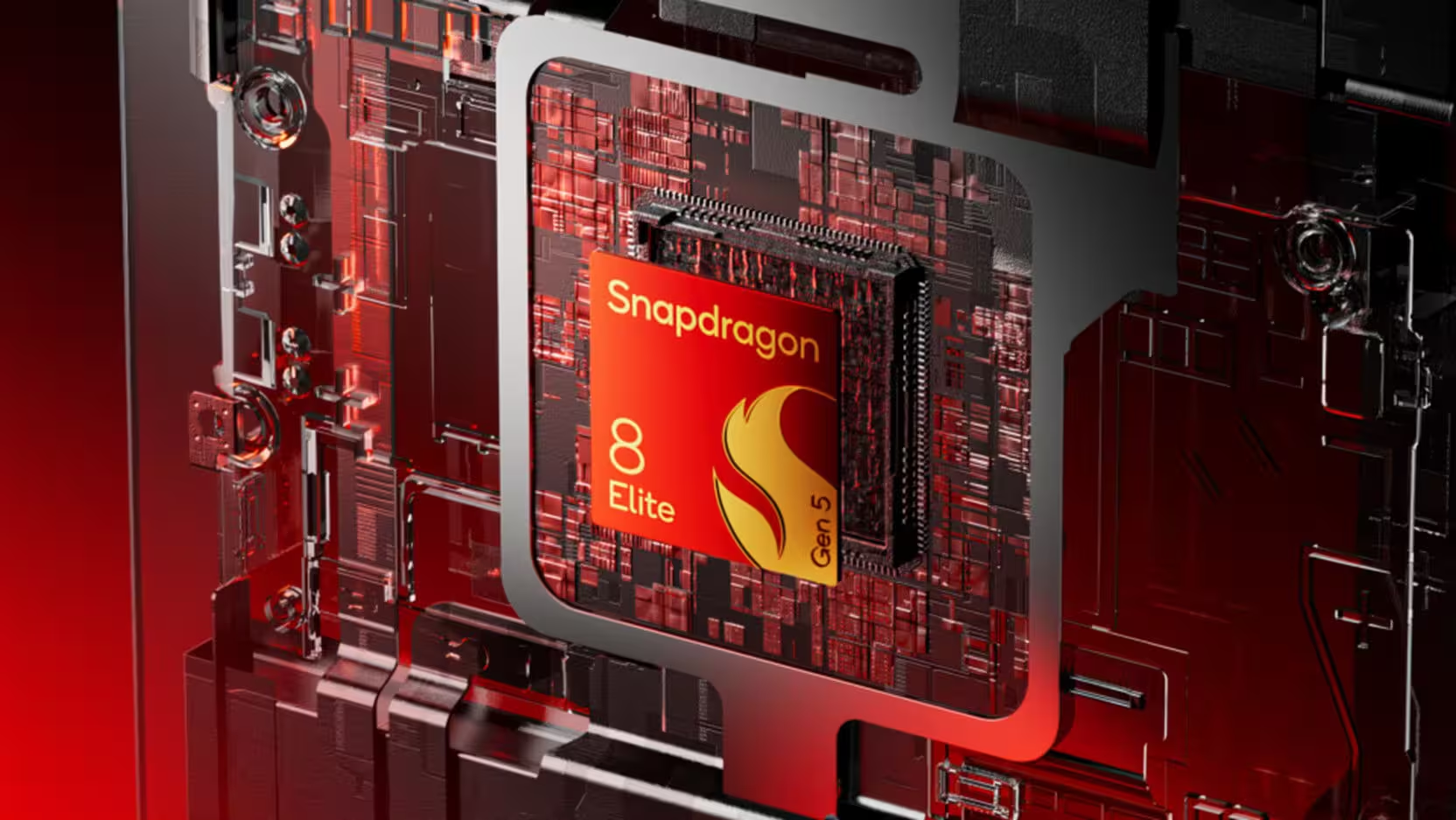
That price tag matters: Samsung reportedly spent about $9 billion on third-party chipsets in 2023, and onboarding more Qualcomm silicon would add materially to component costs. But walking away from Qualcomm isn’t just about money. Social posts and leaked DMs suggest the Samsung–Qualcomm agreement is multi-year and includes heavy financial penalties if Samsung breaks it early.
Exynos trouble: low yields and missed targets
Even if Samsung wanted to swap more Galaxy S26 units to Exynos, the Exynos 2600 has been dogged by lower-than-ideal yields. Fewer working chips mean supply constraints, uneven performance, and higher per-unit costs — all of which make a full transition risky ahead of a major launch.
- Lower Exynos yields reduce available stock and increase unit costs.
- Qualcomm’s contract terms (allegedly) discourage a fast breakaway.
- Higher Snapdragon prices could push retail pricing up for premium models.
What this could mean for buyers
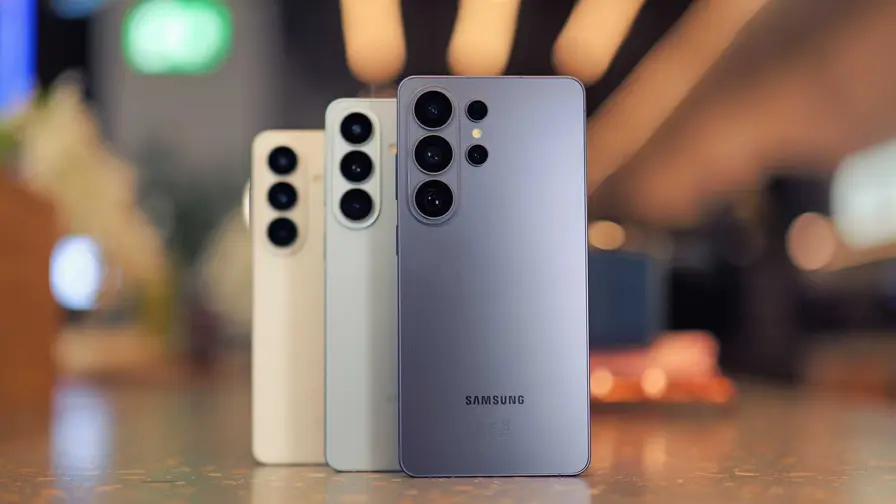
If the rumor holds, buyers may see the S26 Ultra positioned as the Snapdragon-flagship everywhere, with potential price increases to offset chipset costs. Other S26 variants might retain Exynos silicon in select regions, creating the familiar two-tier experience Samsung has occasionally delivered in the past.
From a consumer perspective, that fragmented approach can be frustrating: performance, battery life and thermal behavior often differ between Exynos and Snapdragon variants. For Samsung, the choice is between paying up for a trusted partner or risking penalties and production shortfalls while trying to scale Exynos.
Looking beyond the rumor
Qualcomm’s aggressive business tactics aren't new — Apple historically paid large licensing and modem fees before moving to in-house designs — but contracts, supply chain realities and manufacturing yields all shape how handset makers source core components. For Samsung, the fastest path to stable supply and consistent flagship performance may be sticking with Qualcomm for now, even at a premium.
Until Samsung or Qualcomm comment directly, treat these reports as plausible but unconfirmed. For now, expect more coverage on chipset splits, price implications and whether Samsung’s Exynos roadmap can catch up before the Galaxy S26 ships.









Leave a Comment
Comments
No comments yet. Be the first.