

3 Minutes
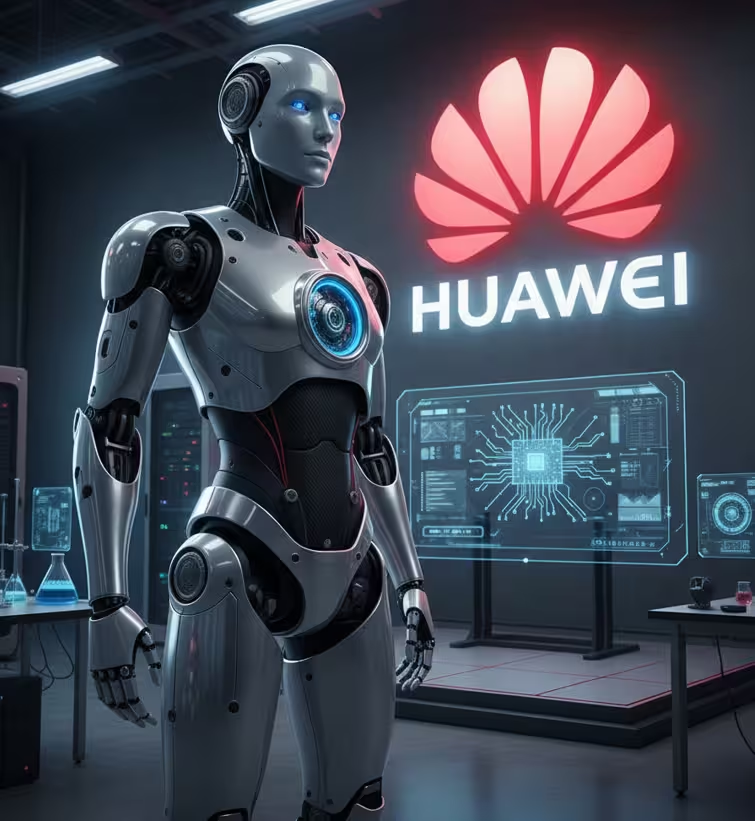
Huawei Habo's recent investment in GigaAI could accelerate a new era of physical artificial intelligence, blending world models, robotics and autonomous driving. This strategic bet signals a shift from language-first AI toward systems that perceive and act directly in the physical world.
Why this funding matters now
In early November, GigaAI closed a Series A1 funding round worth hundreds of millions of yuan, jointly led by Huawei Habo Investment and Huakong Fund. The move follows several strong pre-Series A rounds for GigaVision in August and underscores growing investor confidence in startups building embodied intelligence.
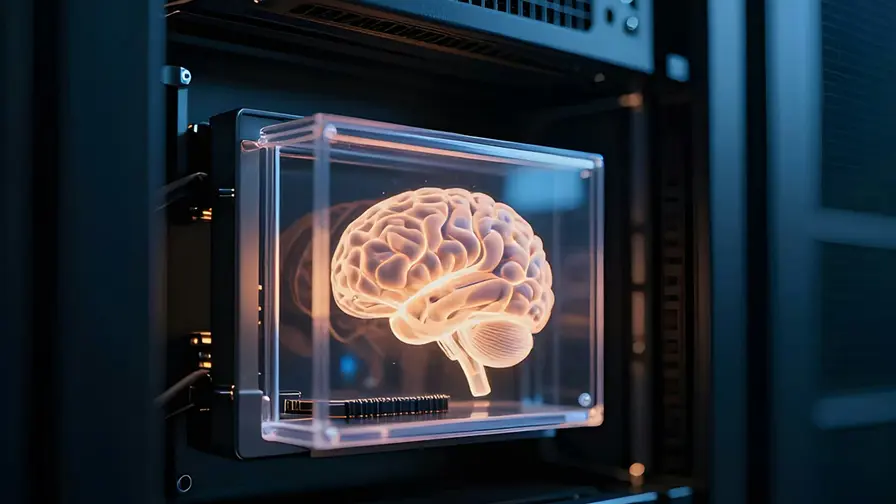
Founded in 2023, GigaAI positions itself as a pioneer in world-model research for physical AI. Instead of relying primarily on language models, the startup focuses on systems that construct and use internal models of the world to predict outcomes, plan actions and adapt in real time. That capability matters for complex, safety-critical applications such as autonomous driving and service robots.
A full-stack approach to embodied intelligence
GigaAI combines software and hardware into a cohesive product ecosystem designed to operate in messy, real-world environments:
- GigaWorld Platform — a runtime and tools suite for driving intelligence and advanced embodied agents.
- GigaBrain Foundational Model — the core world-modeling engine that supports context-aware decision making.
- Maker General Embodied Ontology — a structured knowledge layer that helps robots and developers speak the same practical language about objects, actions and goals.
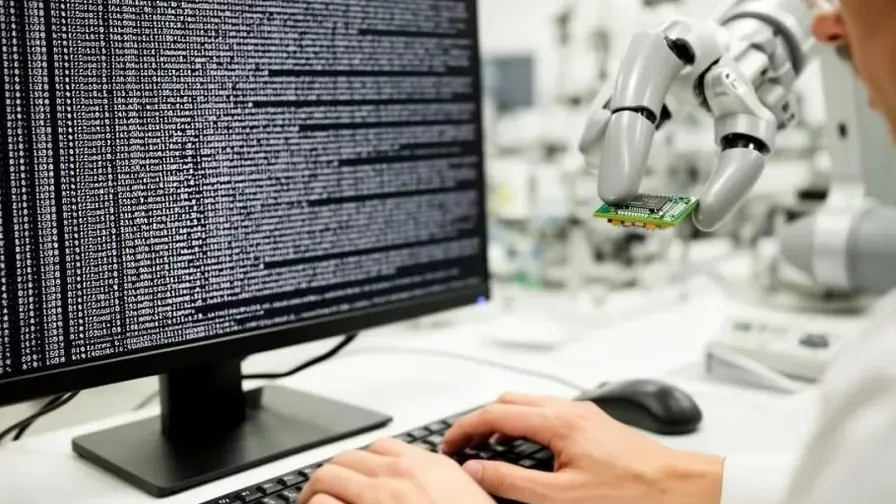
By integrating these layers, GigaAI offers end-to-end solutions for perception, prediction and control across robotics and autonomous vehicles.
Huawei’s strategic pivot: from VLA to WA
Historically, many AI efforts followed a VLA pattern — Vision, Language, Action — with heavy emphasis on language models. Huawei is pivoting toward a WA strategy that prioritizes world models and direct use of visual and physical signals to control agents. This approach, championed inside Huawei’s Intelligent Automotive Solutions business, aims to make machines that do more than talk about the world — they can perceive, simulate and act within it.
What this means for users and the market
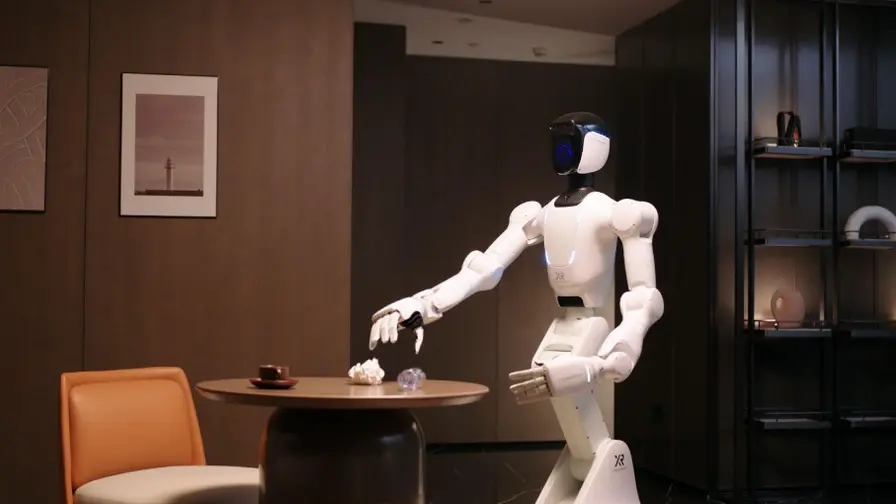
For everyday users, progress in world-model-driven AI could translate into safer autonomous vehicles, more reliable household and service robots, and assistants that actually understand physical contexts rather than only processing text or voice commands. Imagine a robot that anticipates how a table will react when you place a heavy object on it, or a car that simulates multiple plausible scenarios before committing to a lane change.
On a broader level, investors and analysts see potential for a transformational shift comparable to the smartphone era: once machines gain robust physical reasoning, they can move from novelty to ubiquitous utility.
Geopolitics and industry competition
Huawei’s backing of a world-model startup intensifies global competition in robotics and autonomous systems. As Chinese firms like GigaAI gain momentum and funding, US and other international players may accelerate their own R&D to keep pace. The investment therefore has technical and strategic implications beyond the balance sheet.
Industry observers describe the partnership as more than capital alone — it is a strategic alignment that can speed deployment of large-scale embodied AI systems by combining Huawei’s resources and channel reach with GigaAI’s full-stack research and engineering.
Whether this will reshape everyday technology remains to be seen, but the bet is clear: smarter, physically aware machines are next, and Huawei has put a sizable stake on that future.







Leave a Comment
Comments
No comments yet. Be the first.