
4 Minutes
Mazda's refreshed CX-60 and CX-80 land in Europe with a surprise under the hood
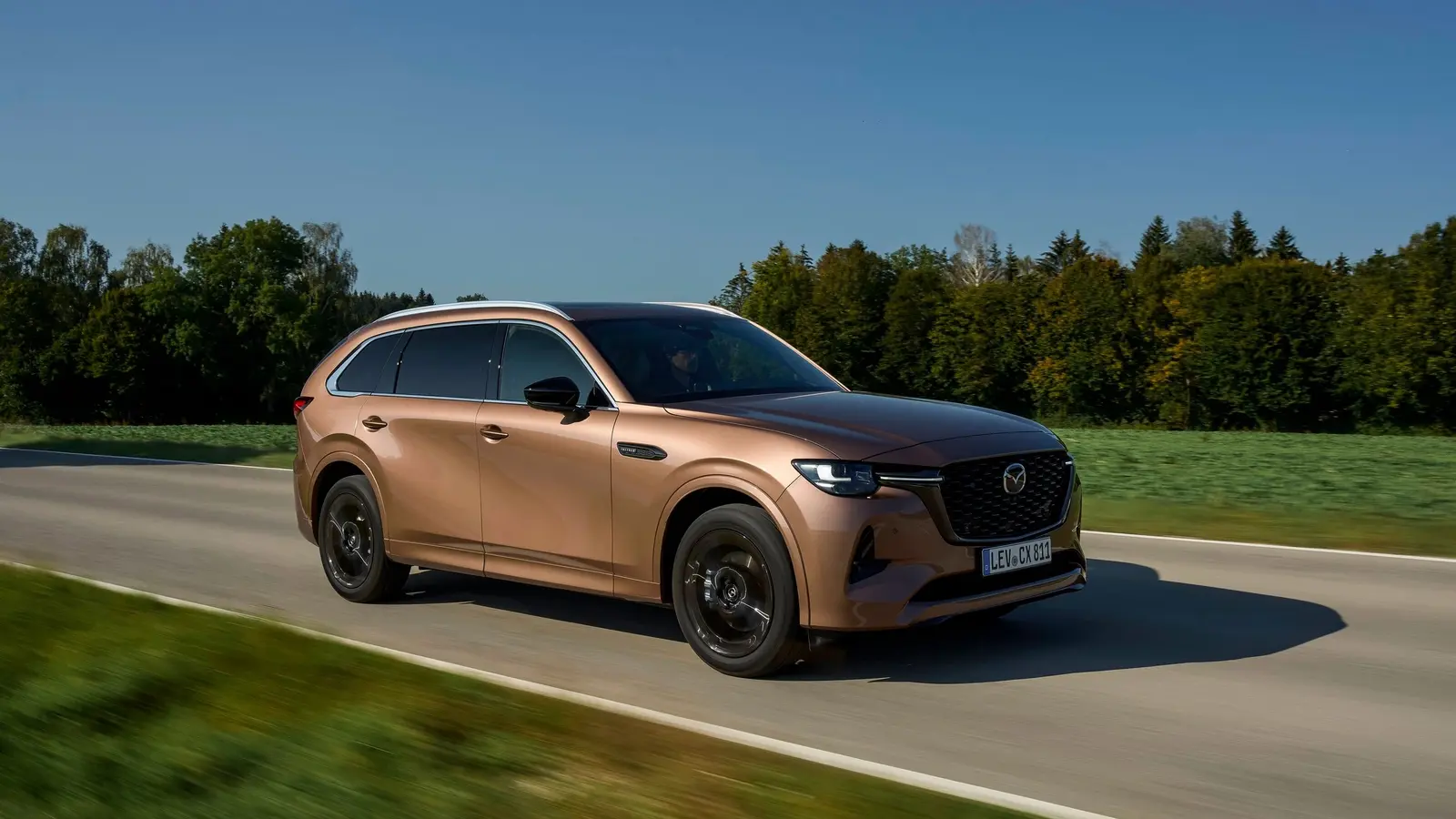
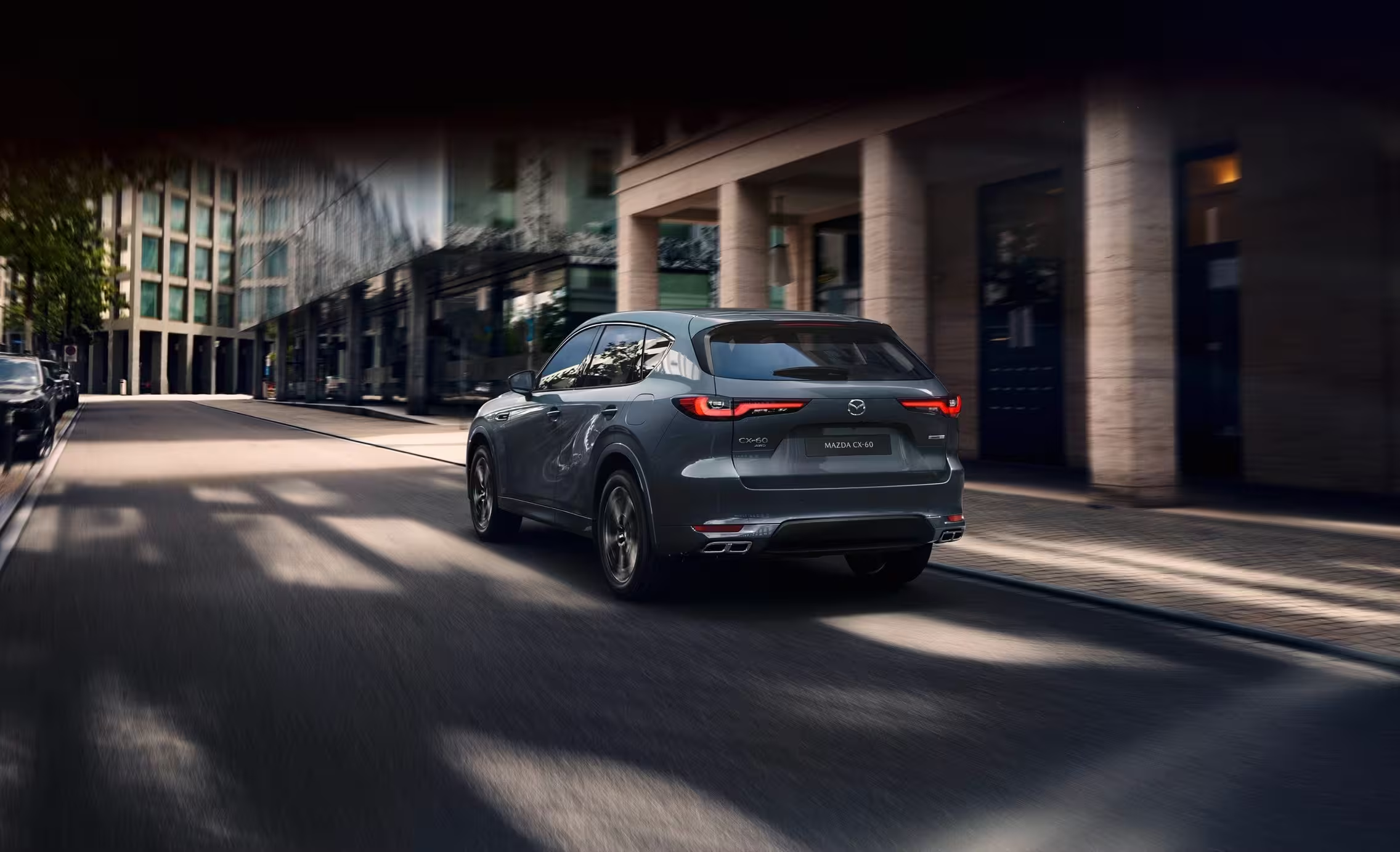
Mazda is rolling out mid-cycle updates for the 2026 CX-60 and CX-80, and the changes are about more than a new paint hue. Arriving at dealerships in Europe and selected Asia-Pacific markets in spring 2026, both SUVs get a raft of refinements in performance, safety and interior quality — plus a notable powertrain development that underscores Mazda's gradual move toward more sustainable fuel options.
What’s new at a glance
- Euro6e-bis emissions compliance across the range
- Diesel variants approved to run on HVO100 renewable diesel
- Driver Emergency Assist (DEA) with Driver Monitoring
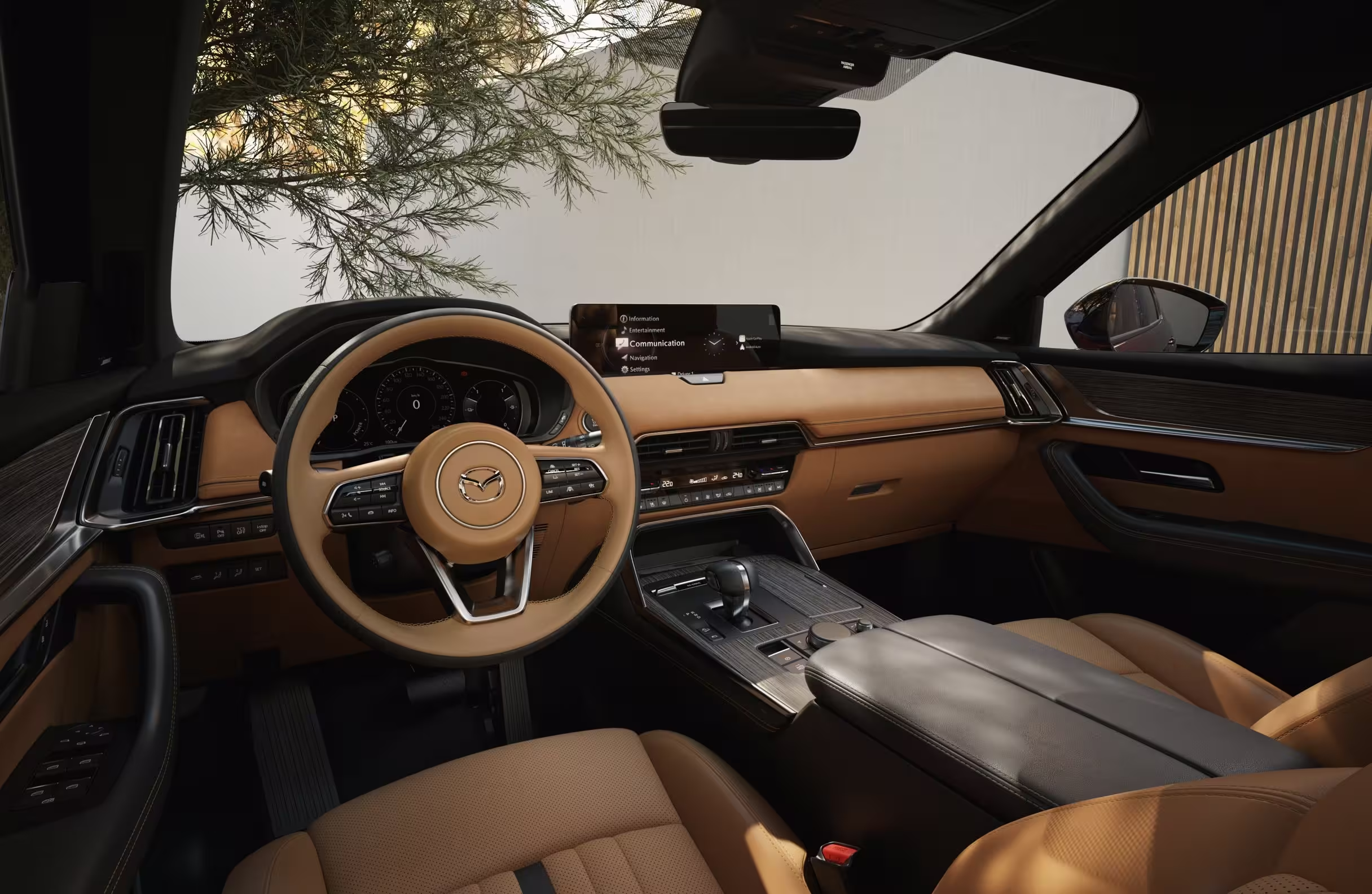
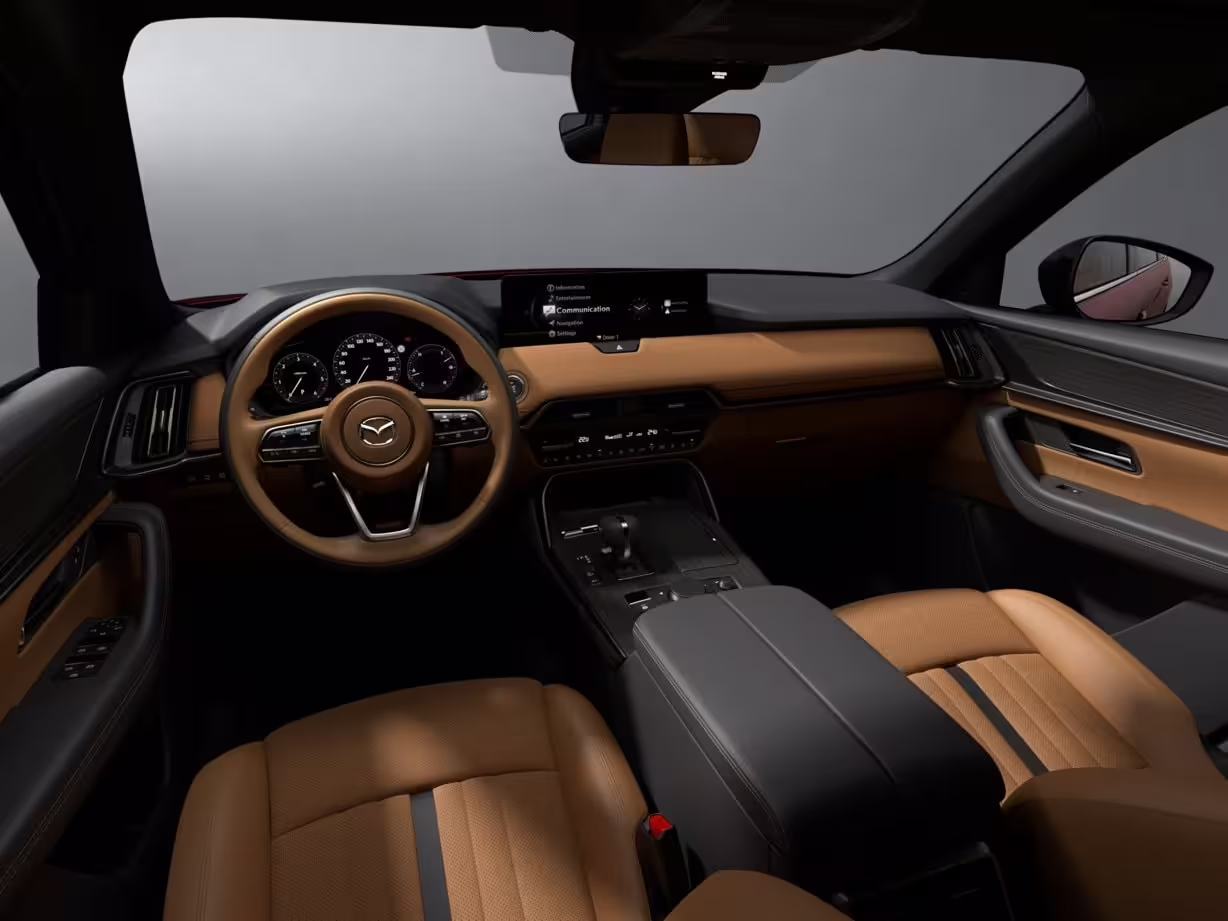
- Interior upgrades on Homura and Homura Plus trims: quilted Nappa leather, two-tone steering wheel, suede-look dashboard
- Noise-insulating glass for lower NVH in the cabin
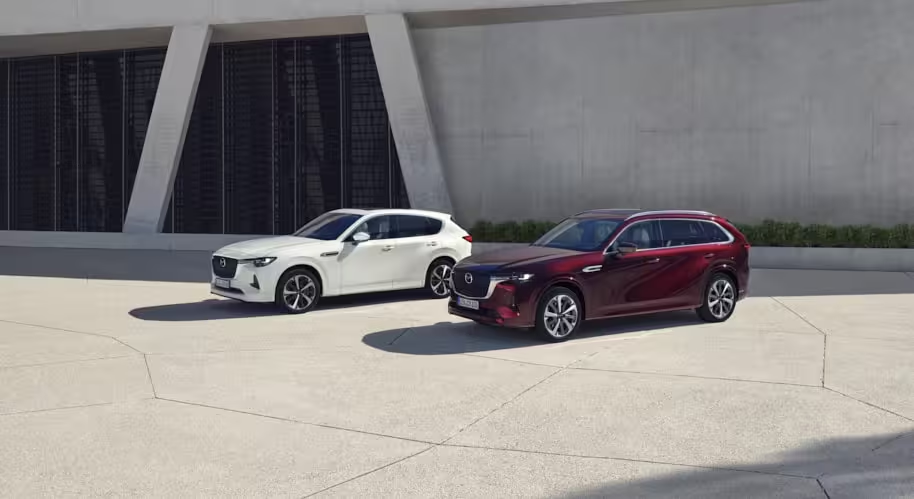
- New 20-inch wheel finishes and a fresh Polymetal Grey exterior color
- Added tech: Amazon Alexa and hybrid navigation with seven years of free map updates
HVO100 approval — a practical step toward cleaner diesel
One of the most interesting headlines is that Mazda has certified the diesel versions of the CX-60 and CX-80 for HVO100. Hydrotreated Vegetable Oil is a renewable diesel produced from 100% waste vegetable oils and animal fats, processed via hydrotreating to create a fuel that is chemically similar to conventional diesel. In real-world terms, HVO100 can cut lifecycle greenhouse gas emissions substantially compared with fossil diesel, while being compatible with current engine hardware when the manufacturer approves it.
This isn't a call to raid your kitchen — HVO100 is a professionally processed fuel, not straight-used cooking oil — but it does give fleet buyers and eco-conscious drivers a meaningful low-carbon option without requiring a wholesale switch to electrification.
Safety and driver aids
Mazda is beefing up active safety with Driver Emergency Assist (DEA), which works with an in-cabin Driver Monitoring system. The combination is designed to detect sudden medical emergencies, take control where necessary, slow the vehicle and bring it to a safe stop. That feature will appeal to families and operators who prioritize occupant protection, especially in longer-range two- and three-row SUVs.
The CX-60 also inherits the full safety and driver assistance suite from its larger sibling, the CX-80, closing any technology gaps between the two models.
Interior, comfort and refinement

On Homura and Homura Plus trims, Mazda introduces a new tan interior with quilted Nappa leather seats, a two-tone leather steering wheel and a suede-look dashboard — all touches that nudge the CX pair toward near-premium territory. Noise-insulating glass on the front doors helps reduce NVH (noise, vibration and harshness), improving long-distance comfort.
Design tweaks include new 20-inch alloy wheel finishes — Metallic Silver for the CX-60 Exclusive and Bright Silver for the CX-80 Exclusive — and the replacement of the Sonic Silver exterior with a more sophisticated Polymetal Grey metallic paint.
Connectivity and navigation
Mazda also boosts convenience with Amazon Alexa in-car voice recognition and, on the CX-60, a hybrid navigation system that combines onboard routing with connected updates. Highlights of the navigation upgrade: alternative route calculations, point-of-interest searching and seven years of free map updates — a practical plus for customers who keep their cars for many years.
Where these models sit in Mazda’s lineup
The CX-60 and CX-80 are part of Mazda’s expanded SUV family that includes CX-3, CX-30, the all-new CX-5, the US-focused CX-50 and the larger CX-70 and CX-90. The CX-60 is a two-row mid-size CUV tailored to Europe and Asia-Pacific, while the CX-80 offers three-row seating for buyers needing extra passenger capacity. Mazda’s strategy has been clear: prioritize crossovers while still offering a select lineup of passenger cars.
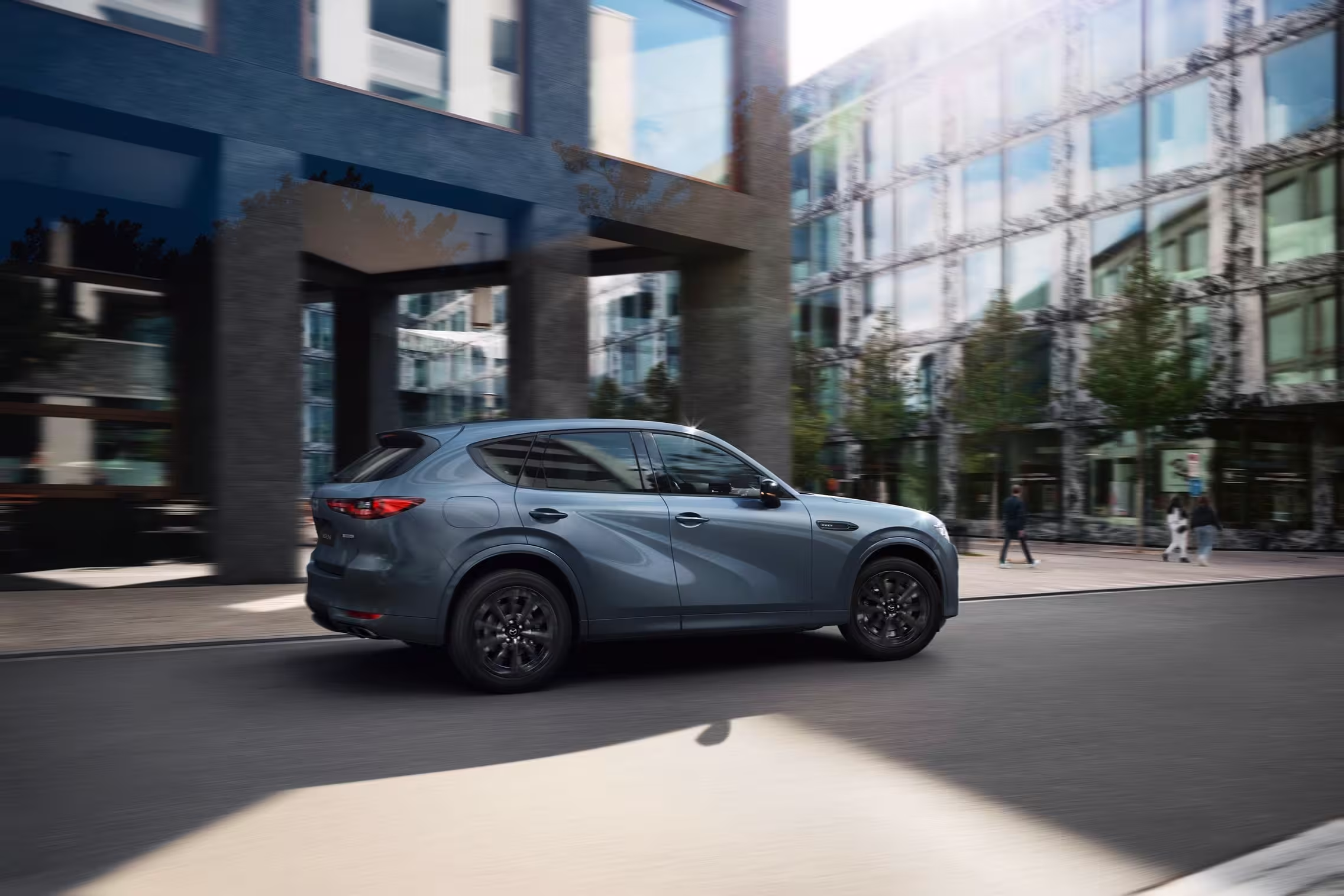
Mazda’s 2026 CX-60 and CX-80 updates are less about headline horsepower and more about refinement, real-world sustainability and safety that matters to families and fleet users.
These updates keep Mazda competitive against rivals in the premium-leaning SUV segment and give buyers more choice in fuel type and tech. Expect full dealer availability in spring 2026; pricing and exact equipment packages will vary by market.




Leave a Comment
Comments (2)
Feels a bit overhyped, quilted leather and Alexa dont make it premium. HVO100 is practical tho.
wow didnt expect Mazda to approve HVO100, big deal for diesel users! curious how pricey the fuel will be though...