
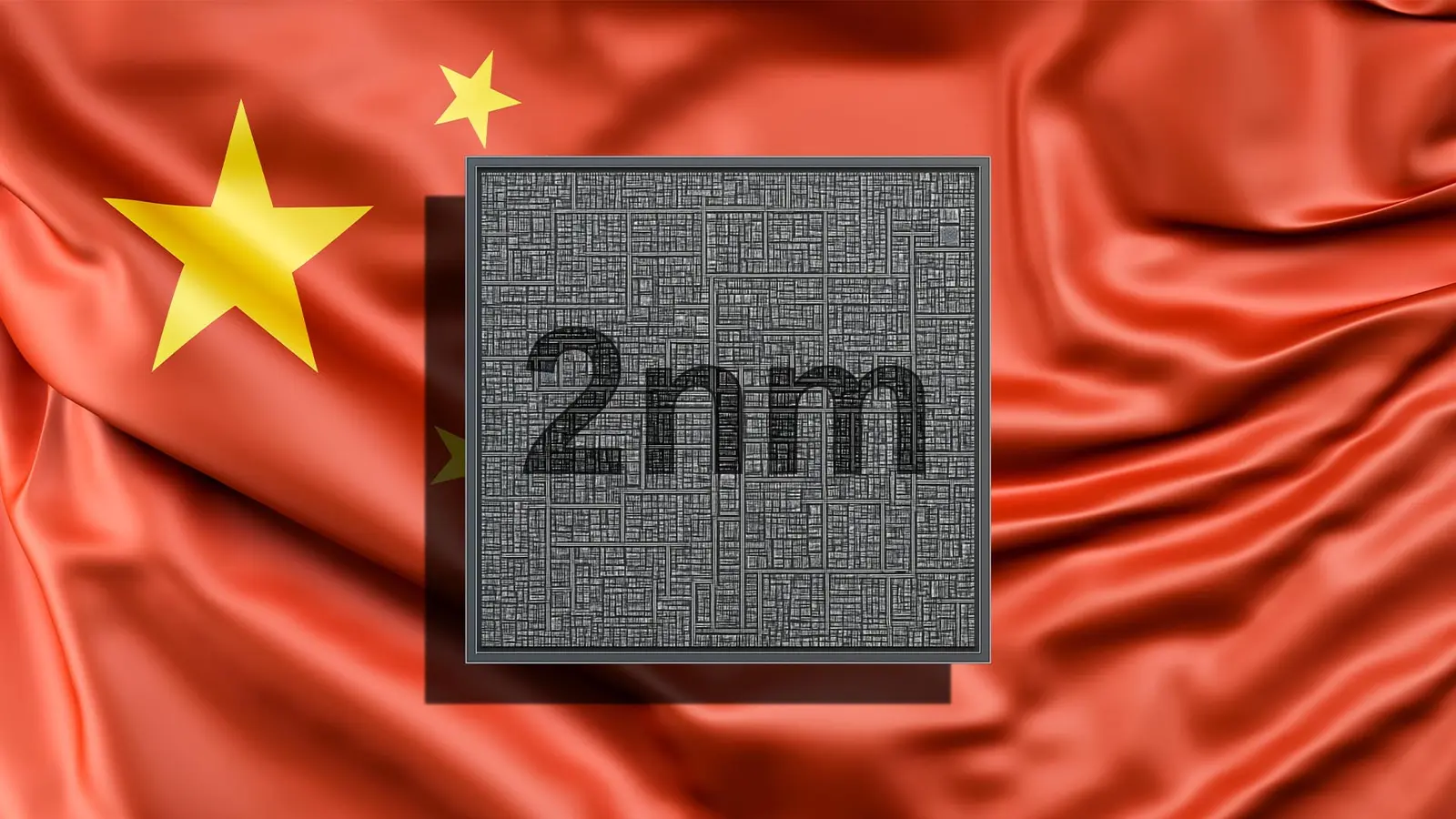
Samsung is quietly expanding the customer list for its cutting-edge 2nm GAA process, landing orders from two Chinese cryptocurrency-mining equipment makers as it pushes to scale production and challenge TSMC’s foundry dominance.
MicroBT and Canaan step up as early customers
According to Korean press reports, MicroBT and Canaan — the world’s second- and third-largest crypto-mining rig manufacturers — have placed orders for Samsung’s 2nm gate-all-around (GAA) chips. MicroBT has already moved into production, while Canaan plans to tape out first silicon in early 2026 with deliveries slated for the second half of the year. These chips will serve as the ‘brains’ in next-generation mining hardware, promising higher energy efficiency and performance per watt.
Why Bitmain is staying with TSMC
Not every player is convinced. Bitmain, the market leader in mining equipment, has reportedly held off on Samsung’s 2nm node and remains with TSMC. The reasons are pragmatic: established relationships, timely supply, mature process know-how and a history of overcoming yield issues — areas where Samsung’s 2nm GAA still needs to prove itself at scale.
Production footprint and what the orders mean for capacity
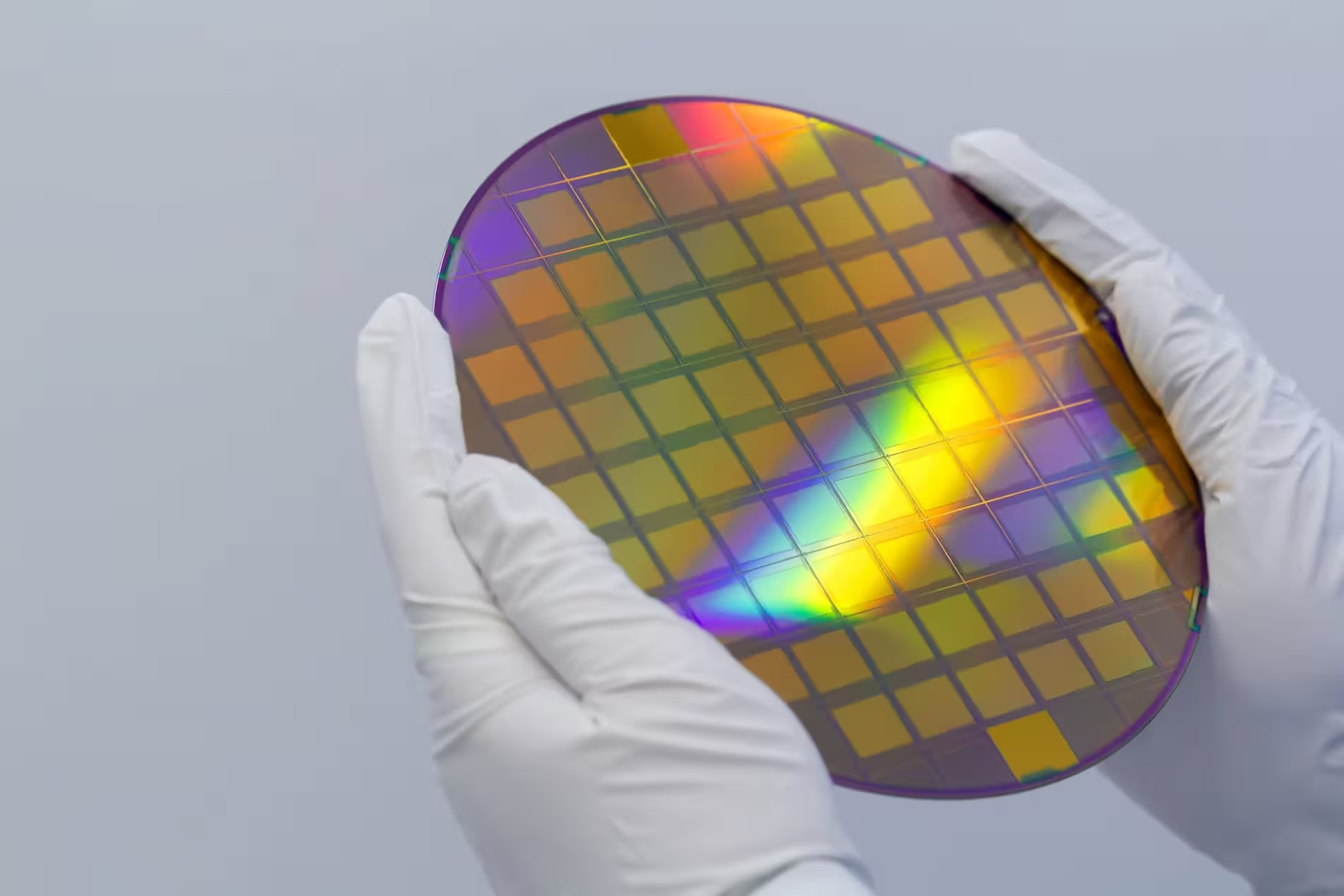
The MicroBT and Canaan orders will be produced on Samsung’s S3 line in Hwaseong, Gyeonggi Province. Together they consume roughly 10% of Samsung’s current 2nm output, amounting to about 2,000 monthly 300mm wafers. That’s not massive, but it’s a meaningful validation for Samsung’s bleeding-edge node and a sign the company is serious about broadening its foundry customer base.
U.S. plant, ASML and wafer targets
Samsung’s 2nm plan also spans the U.S. The Taylor, Texas facility is being prepared for next-gen wafer production after ASML reportedly formed a team to deliver and install the required equipment. Once up to speed, the U.S. plant is expected to exceed 15,000 wafers per month through 2027 — a major capacity boost that will help Samsung scale commercial 2nm volumes.
How this fits Samsung’s broader foundry strategy
For Samsung, volume and a diversified customer base are essential to turn its foundry business profitable. The Exynos 2600 has already been cited as the first SoC mass-produced on 2nm GAA, and Tesla secured a multi-billion-dollar engagement. Qualcomm has reportedly received 2nm samples of the Snapdragon 8 Elite Gen 5 for evaluation, but a true dual-sourcing arrangement that includes Samsung may not arrive until Snapdragon 8 Elite Gen 6 in late 2026.
Behind the scenes, Samsung isn’t standing still: engineers have completed the basic design for a second-generation 2nm GAA and are developing a third iteration — SF2P+. Those roadmap moves, combined with new capacity in Texas and incremental wins like MicroBT and Canaan, show Samsung is methodically building the case for its 2nm node even as TSMC remains the benchmark.
As crypto-mining firms experiment with efficiency gains and chipmakers race to refine yields, the next year will be telling: can Samsung scale reliably fast enough to lure the market leader, or will TSMC’s established momentum keep it firmly ahead?

Leave a Comment
Comments
No comments yet. Be the first.