
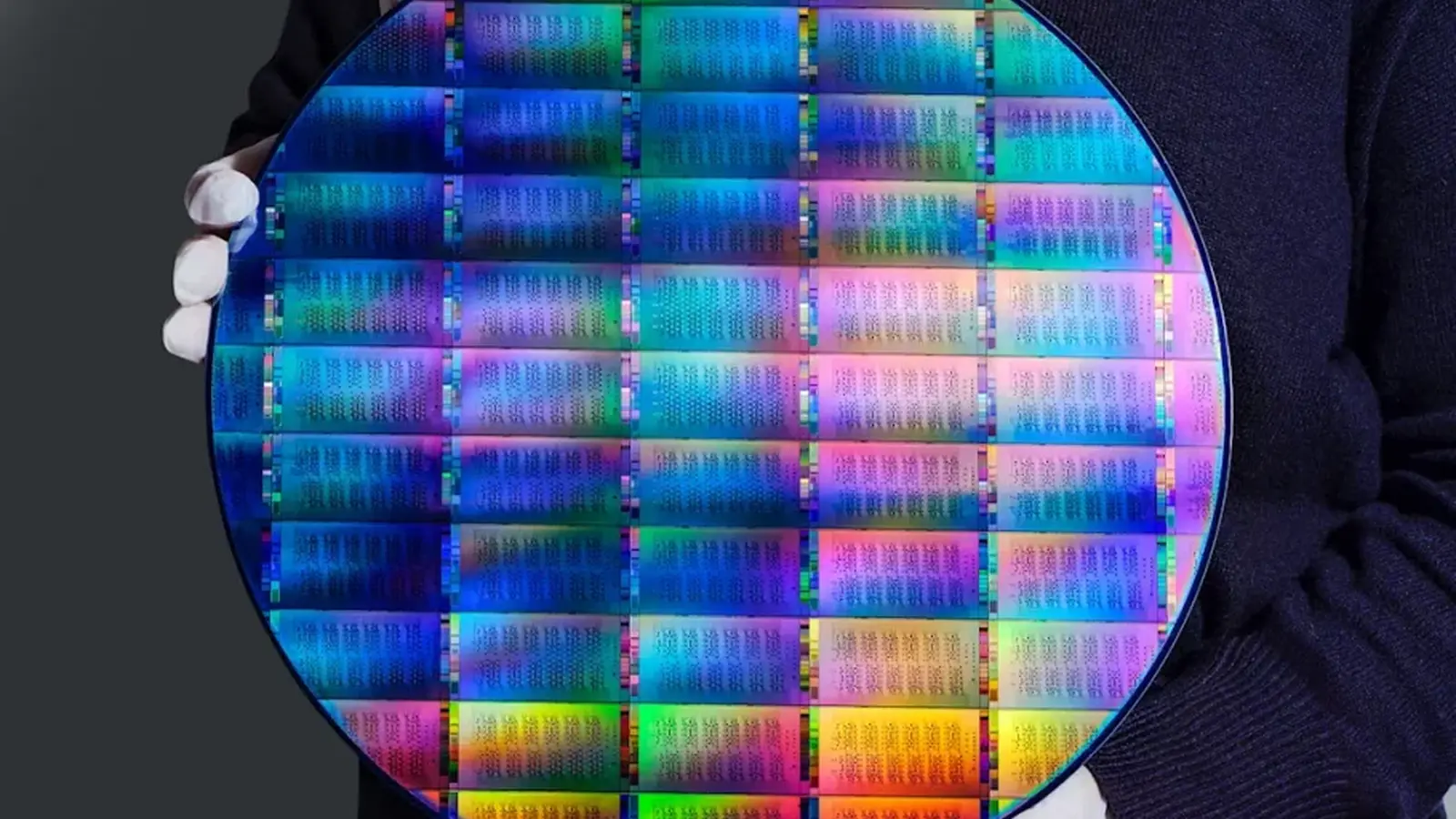
Chinese researchers have unveiled an optical quantum chip that they say could accelerate AI workloads by orders of magnitude. Developed by Wuxi's CHIPX and Shanghai’s Turing Quantum, the device won a Leading Technology Award at the Wuzhen Global Internet Conference 2025 and is already stirring debate about the future of AI hardware.
A photonic leap that promises big speed gains
According to reports, the new photonic quantum chip can solve certain complex AI problems more than 1,000 times faster than NVIDIA GPUs — a bold claim that the teams stress is based on specific benchmark scenarios. The chip landed among 17 standout scientific achievements selected from over 400 nominees across 34 countries at the Wuzhen summit, highlighting its perceived breakthrough status.
How the chip works: photons, co‑packaging and chip-scale integration
What sets this design apart is its use of light instead of traditional electronic signals. The developers say they achieved on‑chip co‑packaging of photonic components and electronic circuitry, enabling wafer-scale production of photonic quantum processors. Key technical points include:
- Photon-based data paths that reduce resistive heating and can transfer information with low latency.
- Chip-level integration that allows multiple photonic chips to work together, potentially scaling to what the team describes as up to one million qubits in a multi‑chip arrangement.
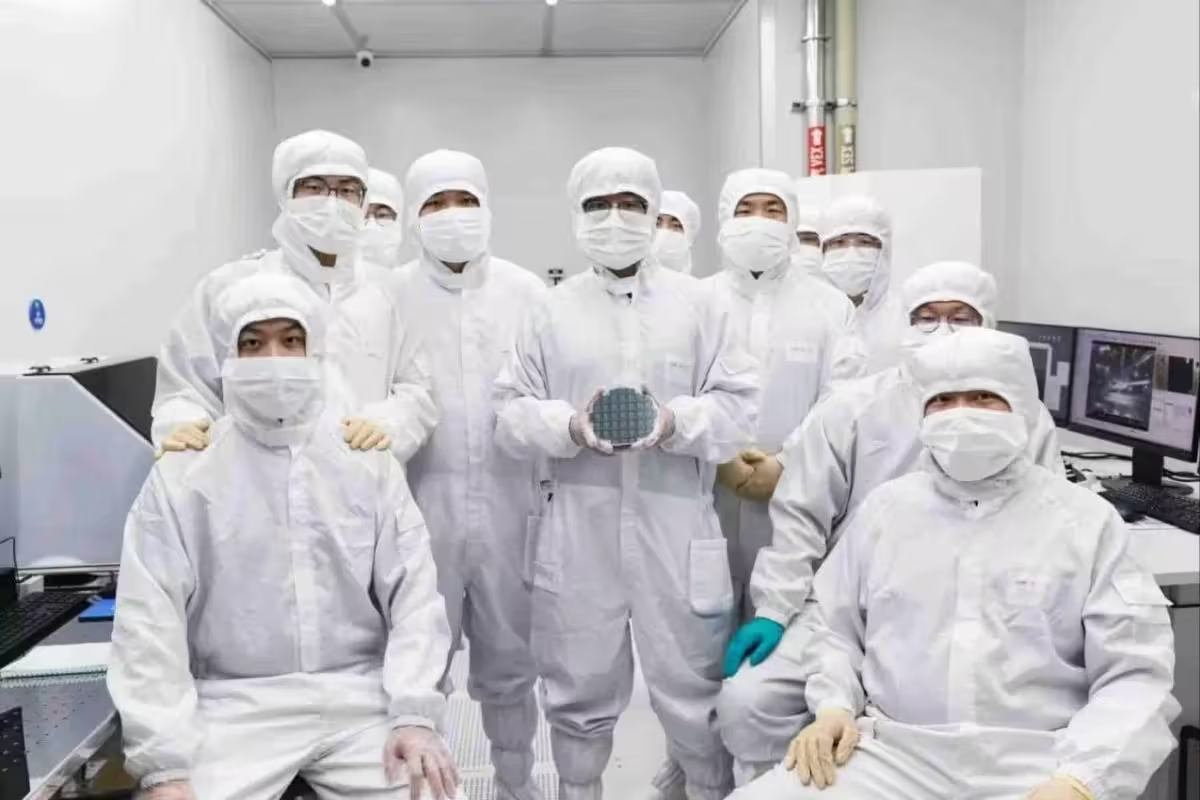
- Manufacturing on wafer scale that the creators claim may be a world first for photonic quantum devices.
Where it could matter: AI datacenters and advanced industries
Researchers say the chip’s target applications include AI datacenters and supercomputers, with further relevance for aerospace, biomedical research and financial modeling. Photonic quantum processing could offer higher throughput and improved energy efficiency — important advantages for AI infrastructures that consume massive amounts of power.
Reality check: production limits and commercialization hurdles
Despite the excitement, production remains constrained. Reports indicate an annual output of roughly 12,000 wafers, each yielding about 350 chips — far below conventional semiconductor volumes. Many practical questions are still open: which AI tasks truly benefit, independent verification of the 1,000x figure, and a clear commercialization path for enterprises and cloud providers.
China is clearly pushing to outpace Western competitors in quantum computing, and this photonic chip signals a strategic push toward optical quantum accelerators. Whether it becomes a widespread replacement for electronic AI processors depends on scaling, reproducible benchmarks, and industry adoption over the coming years.

Leave a Comment
Comments
No comments yet. Be the first.