
3 Minutes
Apple is reportedly planning one of its biggest release changes in years: moving from a single annual iPhone event to a two-stage rollout that spans fall 2026 and spring 2027. Here’s what that could mean for buyers, the supply chain and the smartphone market.
What Apple plans to release — and when
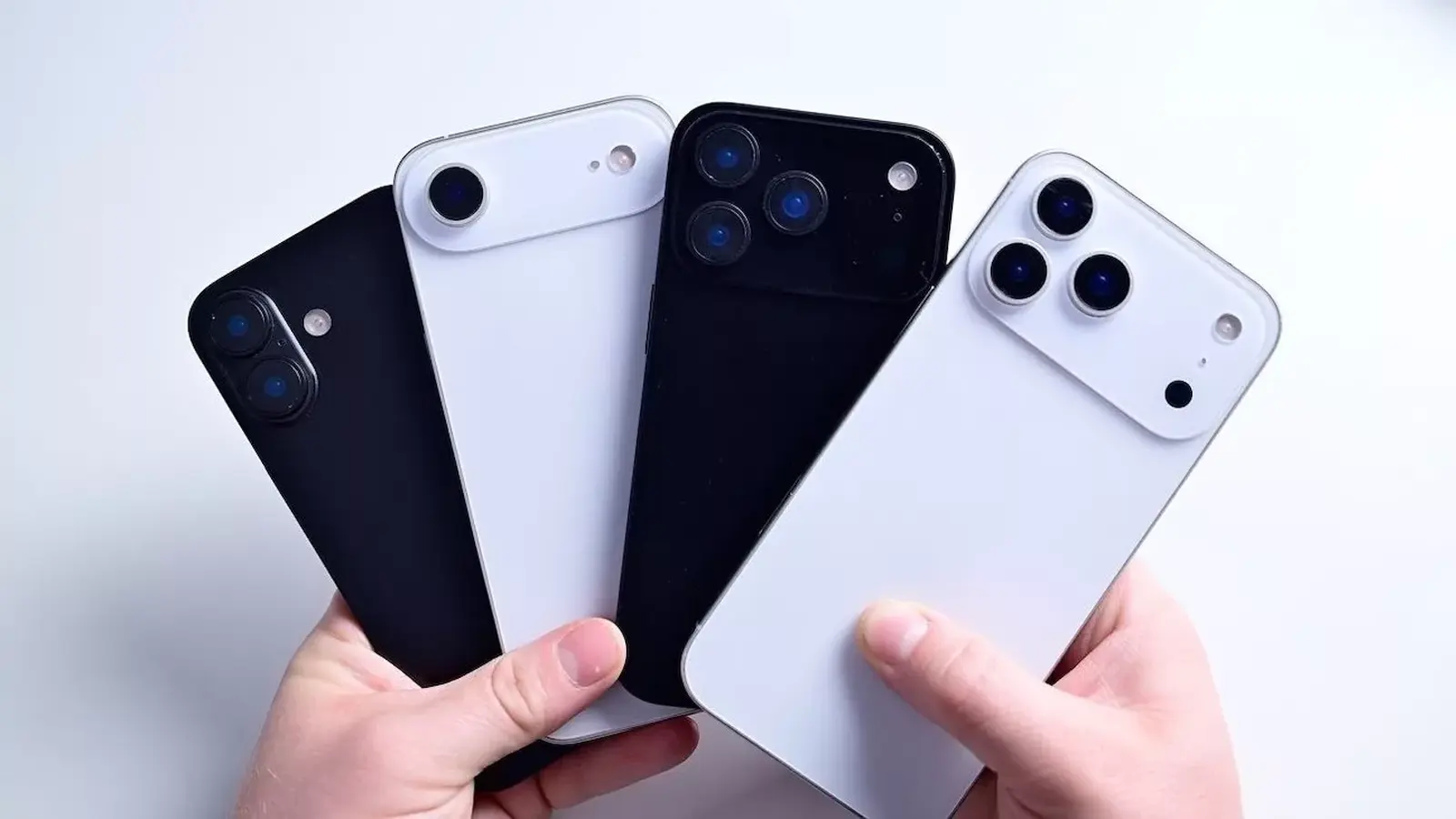
According to Bloomberg’s Mark Gurman, Apple will keep its usual high-end fall window for premium models while pushing lower-cost devices into the following spring. Expect the new flagship lineup — likely the iPhone 18 Pro, iPhone 18 Pro Max and possibly Apple’s first foldable — to debut in fall 2026. Cheaper models such as the iPhone 18 (base), an iPhone 18e and the iPhone Air 2 are expected to arrive in spring 2027.
That shift means the most affordable new iPhone available in fall 2026 could actually be a Pro model, with a likely starting price around $1,099.
Why Apple is splitting the launches
This isn’t just a marketing play. Multiple operational and strategic factors appear to be driving the change:
- Supply-chain pressure: Spreading production reduces the intense bottleneck that typically builds ahead of a single annual launch.
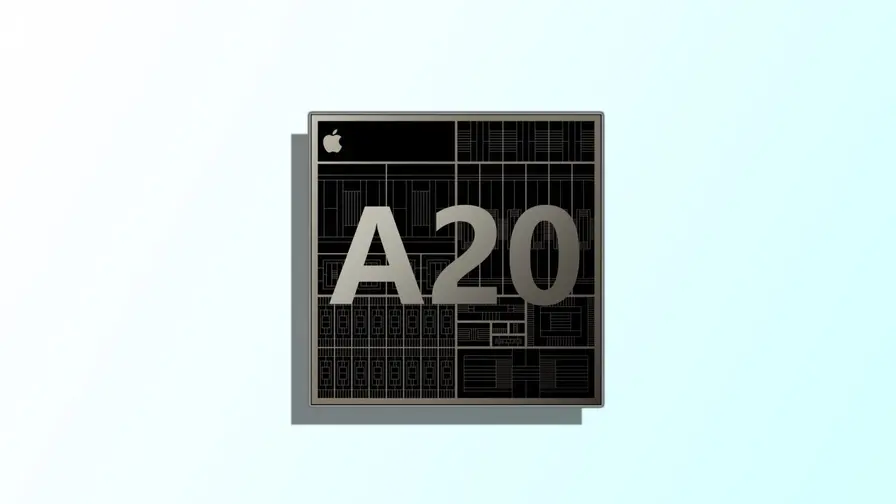
- Chip constraints: TSMC’s ramp-up of next-generation 2nm chips (reportedly the A20 family) is tight — prioritizing premium models first lets Apple allocate the best silicon where it matters most.
- Revenue smoothing: Two launch windows can even out earnings across the year instead of compressing sales into one quarter.
- Media momentum: Two product events create two large waves of publicity and consumer interest, which can be valuable for brand attention.

Of course, there are trade-offs. Some analysts warn that releasing three budget-oriented models in the spring (iPhone 18, 18e and Air 2) could lead to internal competition and cannibalization among those devices.
How the production timeline could work
In practice, Apple would prioritize advanced 2nm chip production and allocate initial wafer volumes to premium fall models. Once those chips are in devices and shipping, Apple could scale production for the more affordable spring models. This staged approach reduces the risk of simultaneous shortages and lets Apple manage inventory more predictably.
What about the iPhone Air 2 and camera rumors?
Contrary to earlier speculation that the iPhone Air might be delayed or canceled due to weak demand, sources suggest Air was never meant to be an annual replacement but rather a lighter alternative to the Pro line — effectively taking the place of the ill-fated Plus models. Rumors that Air 2 will gain a second camera lack strong evidence; adding an extra lens requires a hardware redesign that may not make sense for a lower-volume model.
Instead, the Air 2’s headline upgrade is expected to be a new 2nm chipset that could deliver a notable boost in battery life — a clear selling point for users who prefer a lighter, longer-lasting phone over extra camera features.
What this means for consumers and the industry
For buyers, a two-stage rollout could mean waiting longer for affordable successors but getting premium devices earlier in the fall. For Apple, the move spreads risk and marketing opportunities across two seasons. And for competitors and suppliers, it signals a new cadence that could reshape component demand and seasonal sales cycles.
Imagine smartphone product calendars evolving to match — twice-yearly peaks of innovation and press attention. If Apple pulls this off, it will be both a logistical and a strategic win.

Leave a Comment
Comments
No comments yet. Be the first.