
5 Minutes
Big news: Audi is coming to America with a purpose-built SUV
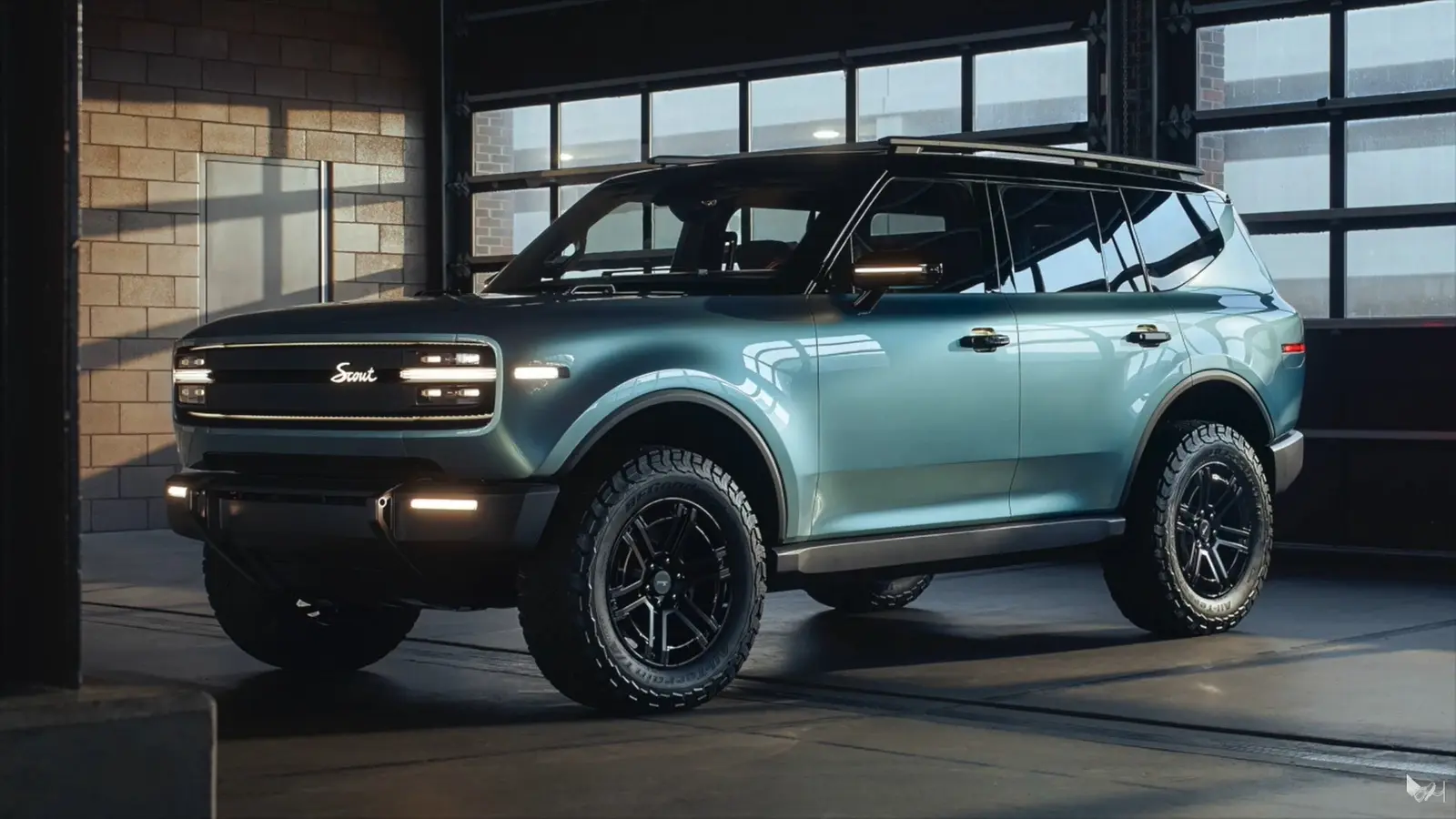
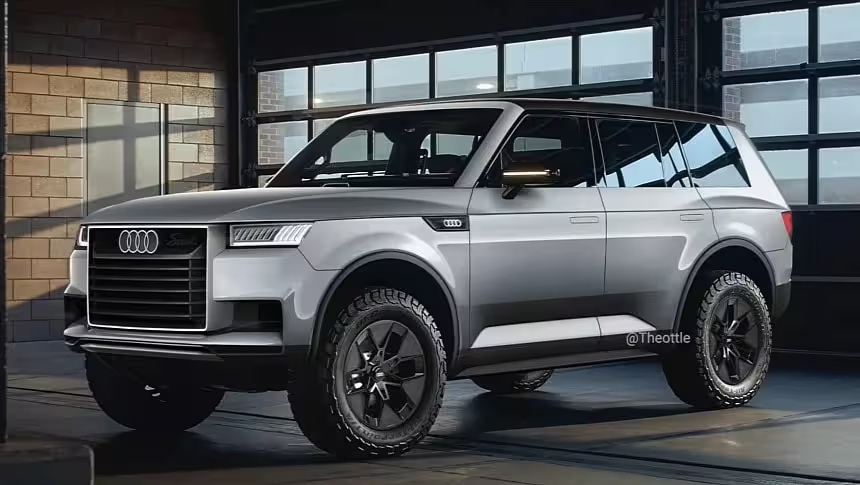
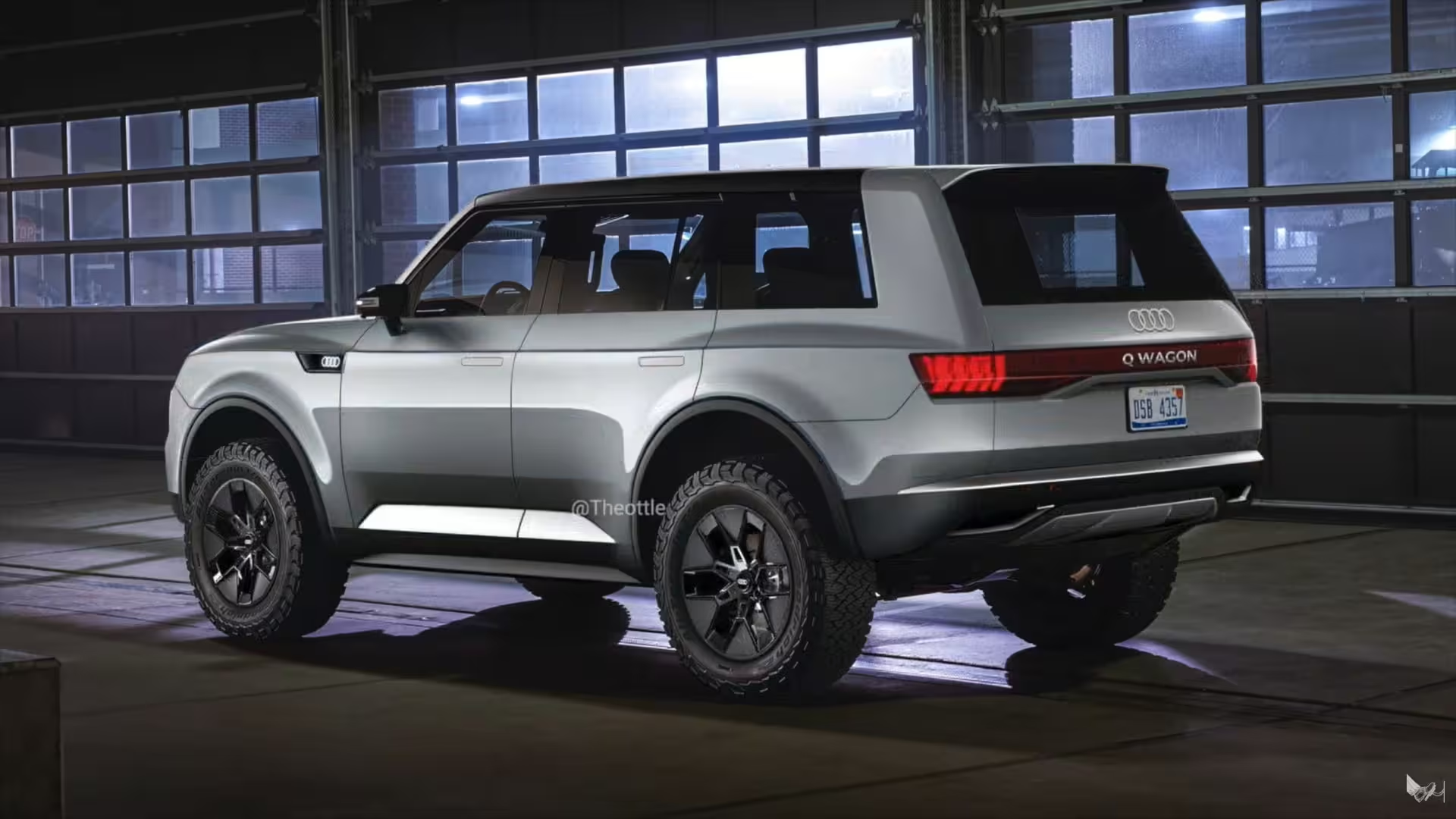
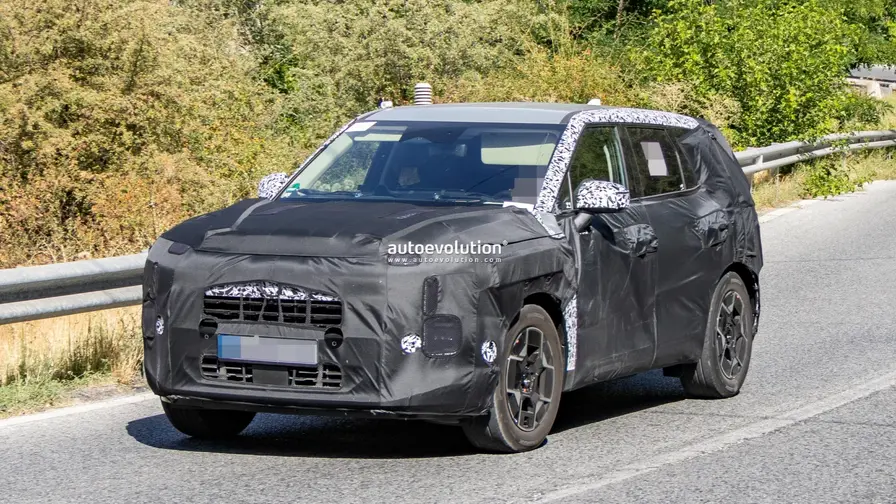
Audi is shifting strategy in the United States with plans to introduce a rugged, full-size SUV developed for American tastes and assembled on U.S. soil. Sources inside the company say the new model will be a Defender-sized, boxier, and more off-road capable vehicle than anything Audi currently makes. Rather than building a new plant of its own, Audi will use production capacity at Scout Motors in South Carolina, marking the brand's first-ever U.S.-built model.
Why this matters for Audi and the U.S. market
For decades Audi shipped every vehicle sold in the U.S. from Europe or Mexico. That left the brand at a structural disadvantage compared with rivals that produce locally — BMW in Spartanburg and Mercedes in Alabama — and exposed Audi to tariffs and limits on state or federal EV incentives. Building in the United States changes that calculus, improving logistics, cutting some import costs, and potentially making certain models eligible for domestic EV incentives.
A strategic response to market realities
Rather than transposing an existing global Audi model to America, the automaker is reportedly designing this SUV from the ground up for North American buyers: larger dimensions, a strong towing capacity, serious off-road hardware, and a ladder-frame platform. That combination targets a segment U.S. customers already understand — vehicles such as the Land Rover Defender, Toyota Land Cruiser, Ford Bronco, and Jeep Grand Cherokee — but one Audi has largely missed.
Built by Scout: why Audi is piggybacking production
Rather than erect a costly new factory, Audi will leverage the upcoming Blythewood, South Carolina, plant being built by Scout Motors, Volkswagen Group's revived American off-road marque. Scout is planning to start production of its electric Terra and Traveler models around 2027, and Audi's SUV would follow on the same assembly lines.
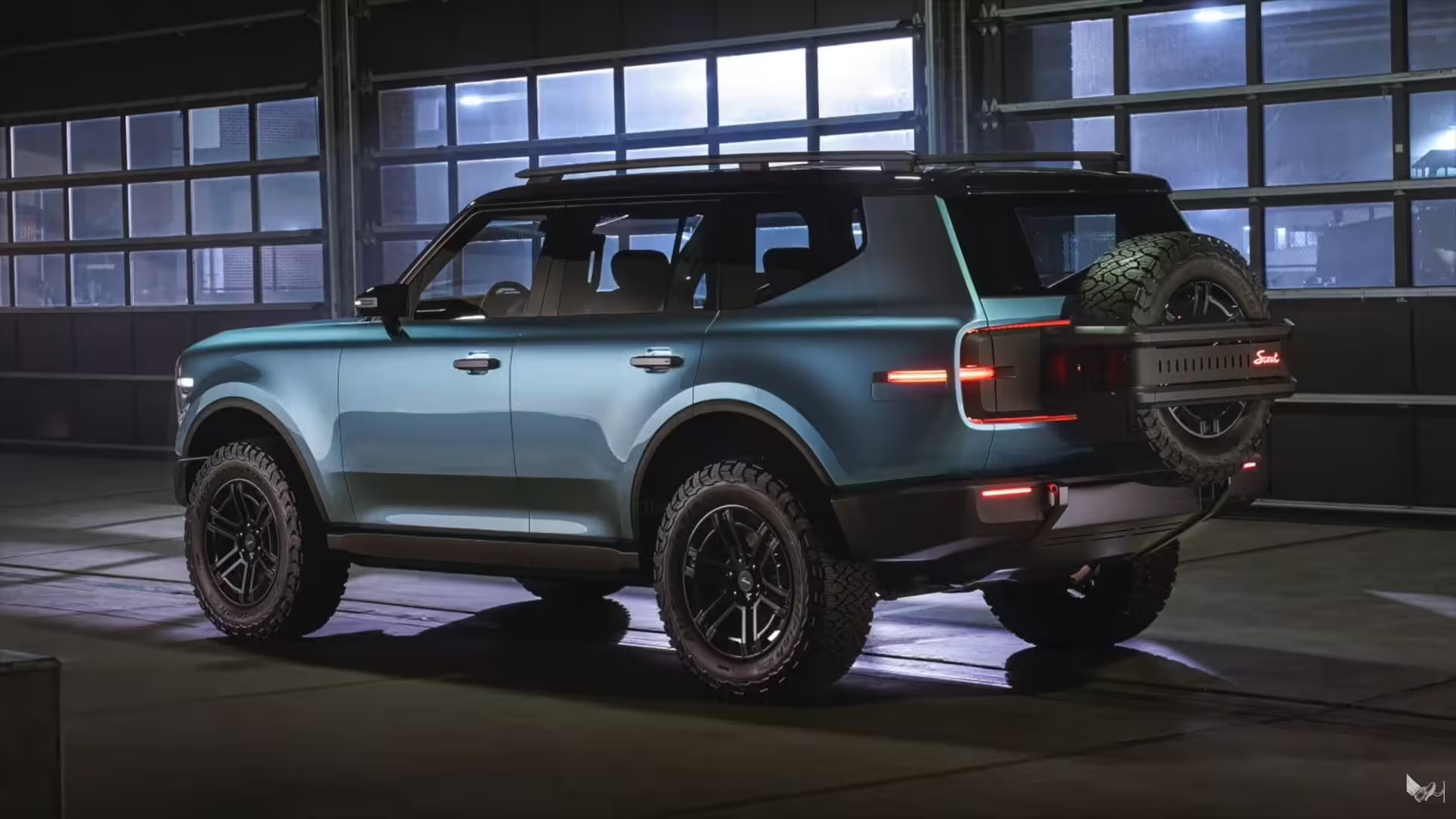
That decision has two big technical implications. First, Audi will adopt a true body-on-frame ladder chassis for the first time. Scout's trucks and SUVs use a robust ladder frame that supports heavy towing loads, high torsional rigidity, and the integration of locking differentials and advanced 4x4 systems. Second, Audi is said to be embracing a range-extender hybrid powertrain instead of a pure large-battery EV layout.
What the ladder frame and range-extender mean
- Real off-road capability: Ladder-frame construction gives the new Audi SUV the structural advantages needed for serious off-road use and heavy towing.
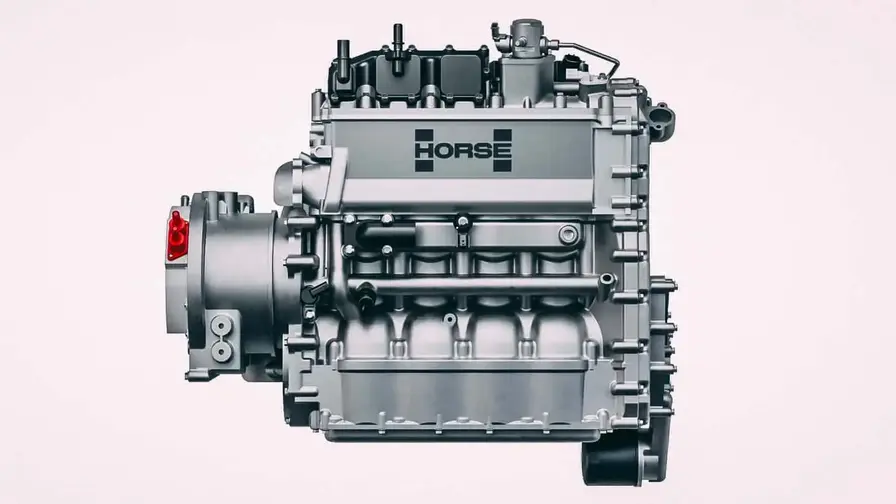
- Range-extender hybrid: A smaller battery paired with an onboard combustion generator reduces battery weight while delivering long real-world range and towing flexibility — a configuration that appeals to buyers who want EV ease without relying exclusively on public chargers.
According to reports, the range-extender setup could deliver roughly 150 miles of pure electric driving and around 500 miles of combined range when the generator is included. That beats some large battery electric trucks when it comes to long-distance capability and towing performance, without the mass of a 120-kWh pack.
Design and capability: a departure from the Q8

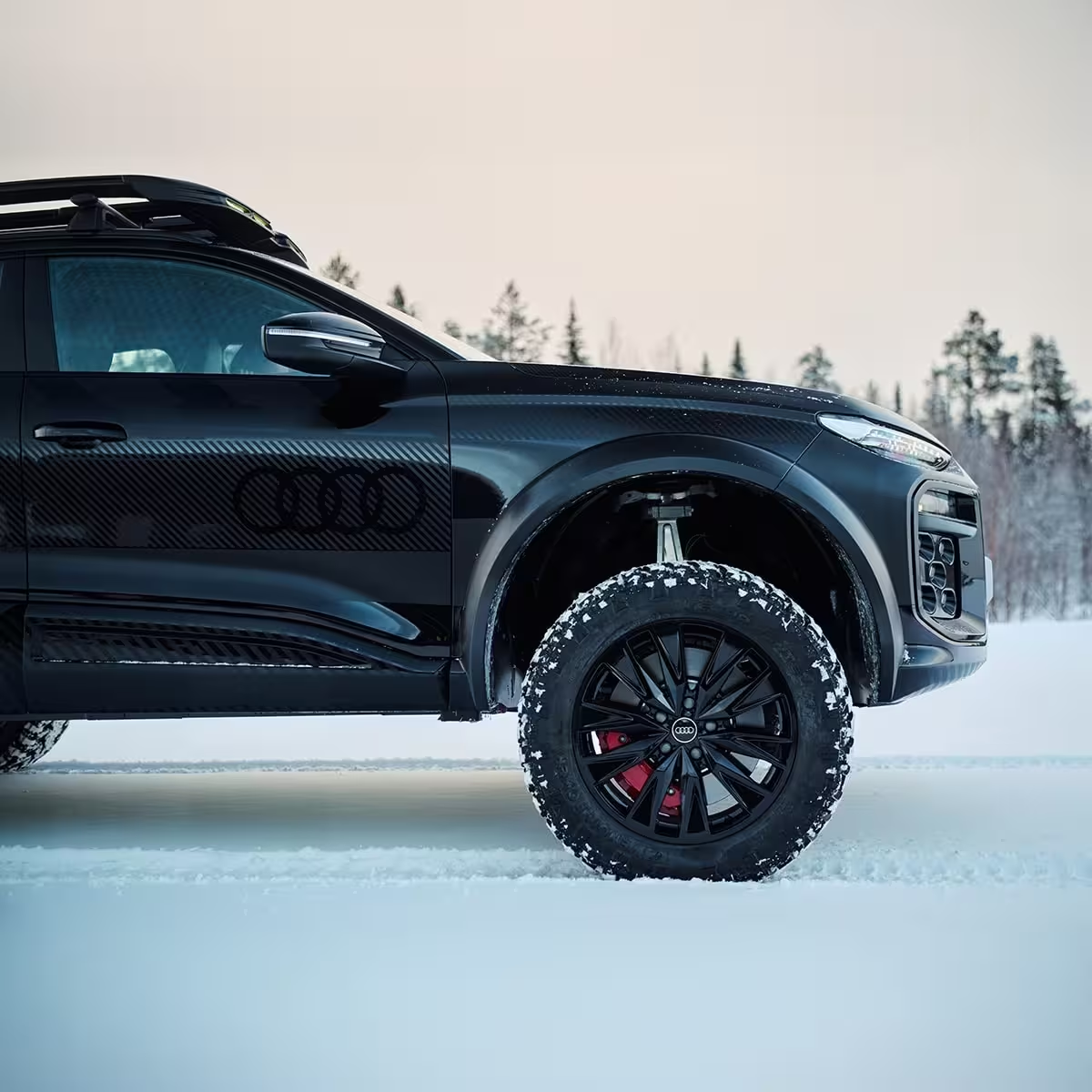
Early signals point to a vehicle with upright, boxy proportions that contrast with Audi's softer, coupe-like crossovers. Expect strong approach and departure angles, generous ground clearance, and a stance that telegraphs rugged intent. Inside, Audi will likely keep its premium finishes and tech, marrying off-road toughness with luxury appointments to attract buyers who want capability without sacrificing refinement.
Likely features and performance highlights
- Body-on-frame architecture tuned for off-road durability
- Locking differentials and advanced 4x4 hardware
- Range-extender hybrid with about 150 miles electric-only and ~500 miles total range (reported)
- High towing capacity compared with Audi's existing crossovers
- U.S.-focused interior and cargo layouts for camping, towing, and family use
Market positioning and the profit opportunity
Americans buy large SUVs. The profit margins on full-size premium utility vehicles are particularly attractive — which helps explain why BMW and Mercedes invested early in U.S. plants. For Audi, a domestically built premium SUV could become the brand's most profitable model in North America. It also opens a new customer segment: off-road enthusiasts and buyers who prioritize towing, long-range travel, and rugged capability over the on-road refinement of Audi's current large crossovers.
Using Scout's factory gives Audi a faster route to production and reduces the capital expense of building a new plant. If the car qualifies for federal or state incentives aimed at domestically produced EVs or hybrids, it could further boost sales and competitiveness.
How it stacks up against rivals
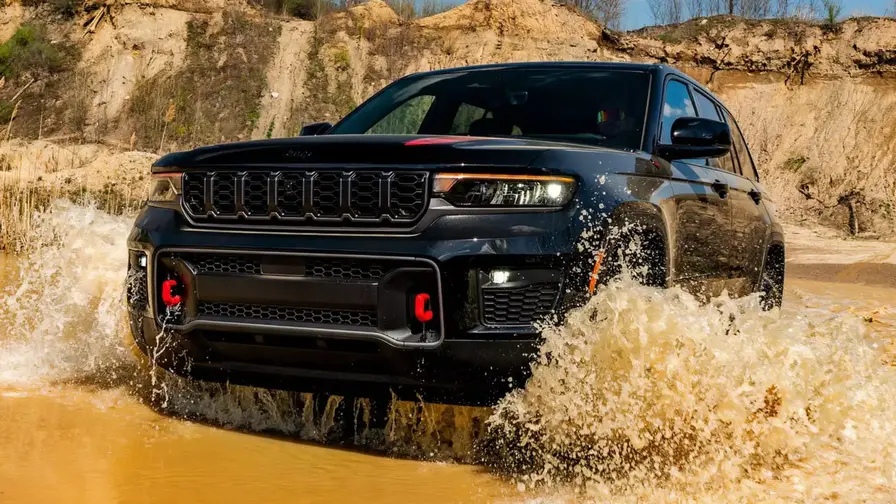
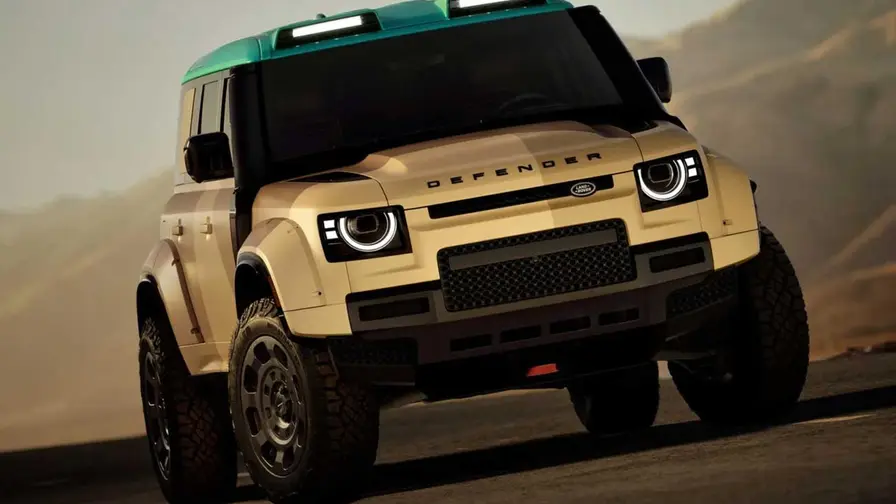
Audi's target rivals are clear: the Land Rover Defender for hardcore off-road credibility, the Toyota Land Cruiser for expeditionary capability and reliability, the Ford Bronco for enthusiast appeal, and premium derivatives of the Jeep Grand Cherokee. Audi's advantage would be a blend of German luxury, modern digital tech, and Scout's rugged underpinnings.
For Audi, this is less about copying competitors and more about filling a gap — offering authentic off-road hardware with Audi-level refinement.
Timing and what to watch next
Scout's Blythewood plant is scheduled to begin volume production in 2027. Industry sources indicate Audi will slot its SUV into those lines soon after Scout ramps. The exact launch timing, pricing, and final technical specs remain unconfirmed, but expect periodic teasers and concept treatments from Audi as the project advances.
Key items to watch:
- Official confirmation of Audi model name and platform specifics
- Detailed powertrain specs and towing/payload ratings
- Eligibility for federal EV/hybrid incentives and state-level tax benefits
- How Audi balances rugged capability with its luxury brand identity
After years of exporting every Audi sold in the U.S., the brand appears to be taking a decisive step onto home turf. If executed well, this U.S.-built, ladder-frame SUV could reshape Audi's American franchise and attract a new wave of buyers who want premium appointments and true off-road capability.



Leave a Comment
Comments (2)
Honestly hyped. US-built Audi boxy SUV sounds rad, hope they keep the luxe inside tho. 150 EV miles ok if towing is strong, but price will make or break it
Wait Audi building a ladder frame? Is this even true… Range extender could be smart for towing, but will it still feel like an Audi on the road? kinda skeptical, tbh