
2 Minutes
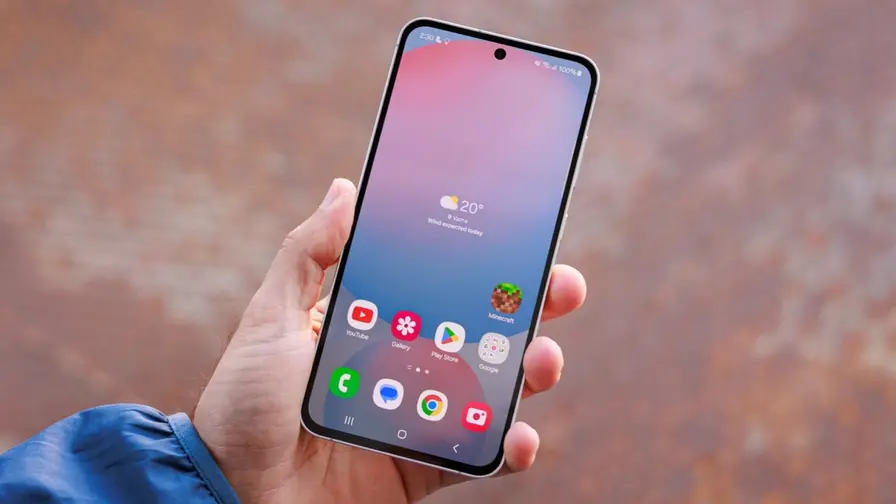
Samsung's Galaxy S26 lineup is shaping up to be more interesting than a simple chip swap. New reporting suggests the revived Exynos 2600 will power the S26 and S26+ in many regions — and that Samsung is quietly negotiating lower component costs.
Why a $20–$30 chip negotiation matters
According to a ChosunBiz report citing industry sources, Samsung Electronics' System LSI and MX divisions are discussing a price reduction of roughly $20–$30 per Exynos 2600 unit. That doesn't automatically mean retail prices will fall by the same amount. Rather, the move appears aimed at improving Samsung's profit margins on Exynos-equipped units.
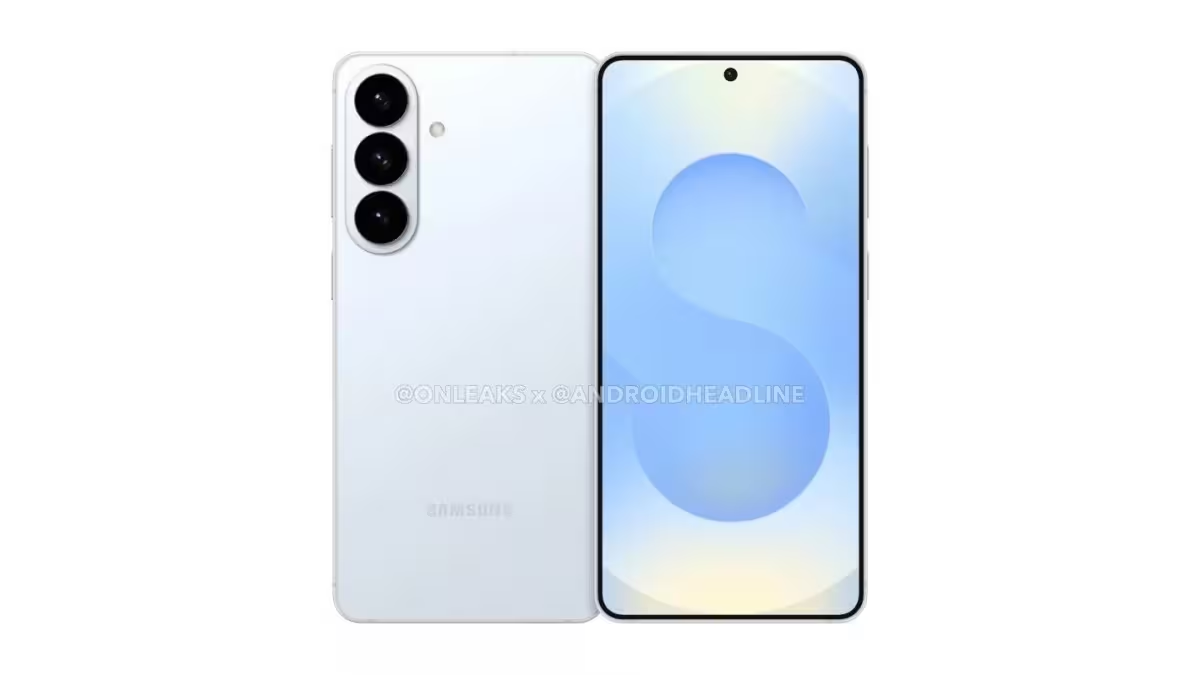
The regional rollout is also notable: Korea and Europe are expected to receive the S26 and S26+ with Exynos 2600, while North America will get the Snapdragon 8 Gen Elite 5. Samsung reportedly plans to fit the S26 Ultra with the Snapdragon variant worldwide.
Specs and benchmark claims: promising, but watchful
Early benchmark leaks paint the Exynos 2600 as a contender. The chip is said to be manufactured on Samsung's 2nm process and feature a deca-core 1+3+6 CPU layout with peak clocks around 3.8GHz. Rumors credit it with strong GPU improvements — as much as a 29% lead over the Snapdragon 8 Gen Elite 5 in graphics tests — and notable gains against Apple's A19 Pro in some synthetic scores.
- Process: Samsung 2nm
- CPU: Deca-core 1+3+6, peak ~3.8GHz
- GPU: Leaked benchmarks claim sizable lead over Snapdragon and Apple A19 Pro
Benchmark performance is encouraging, but industry watchers caution that synthetic scores don't always match real-world experience. Power efficiency, thermal behavior, and software optimization will determine how those numbers translate to everyday use.
What this means for buyers
If Samsung reduces Exynos unit costs, the company may boost margins rather than slash retail prices for consumers. For buyers choosing between regional variants, the practical difference could come down to software tuning and long-term efficiency rather than raw benchmark numbers.
Imagine two phones with similar headline specs but different underlying chips — one may feel snappier in gaming, another better at sustained workloads. For anyone tracking flagship Android performance, the Exynos 2600's return is worth a close look once independent reviews arrive.
Expect more clarity as Samsung approaches the February launch window and independent testing surfaces. Until then, treat headline benchmark gaps as a roadmap of potential, not guaranteed user experience.






Leave a Comment
Comments
No comments yet. Be the first.