
4 Minutes
Toyota bets on software to keep cars fresh
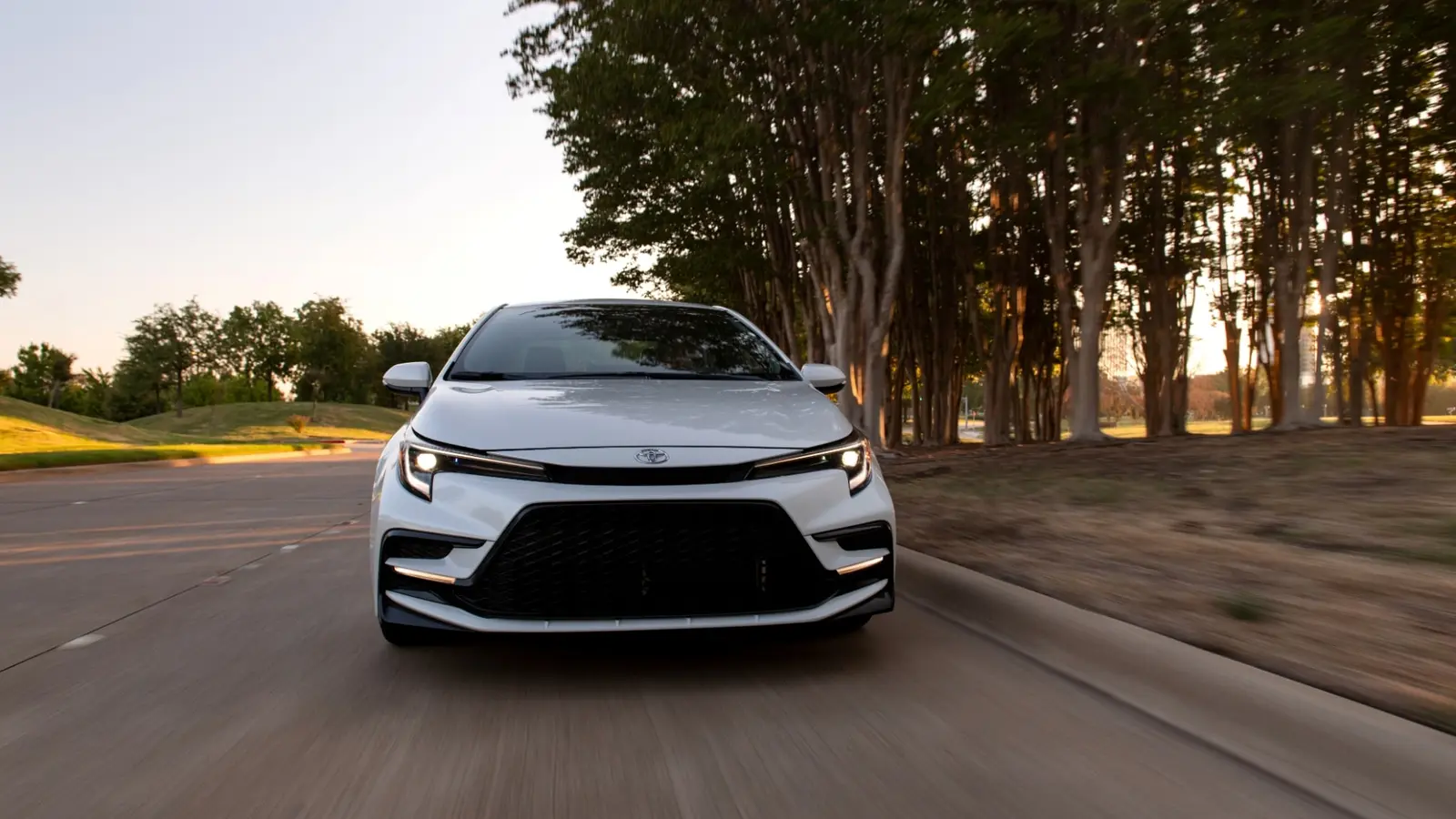
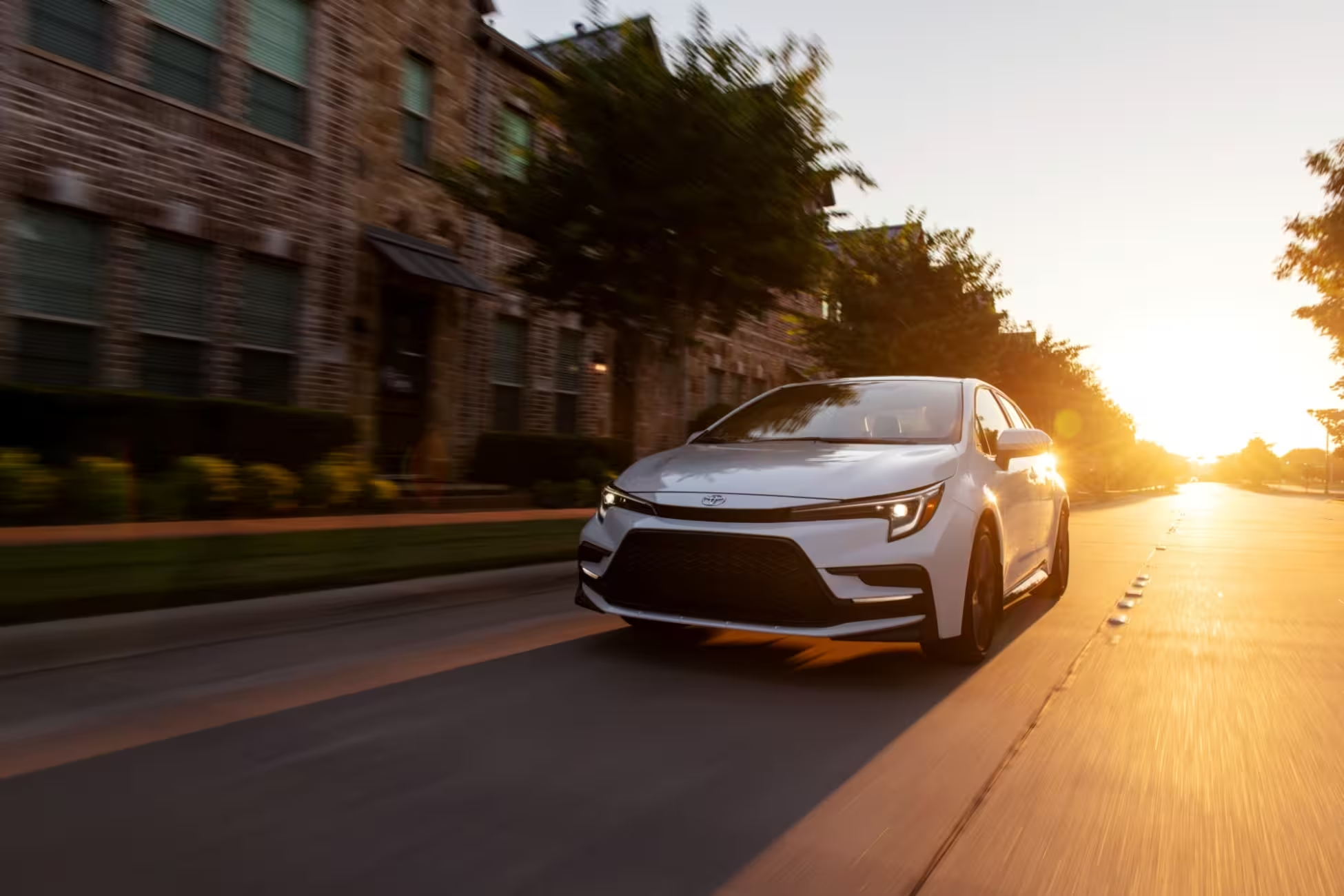
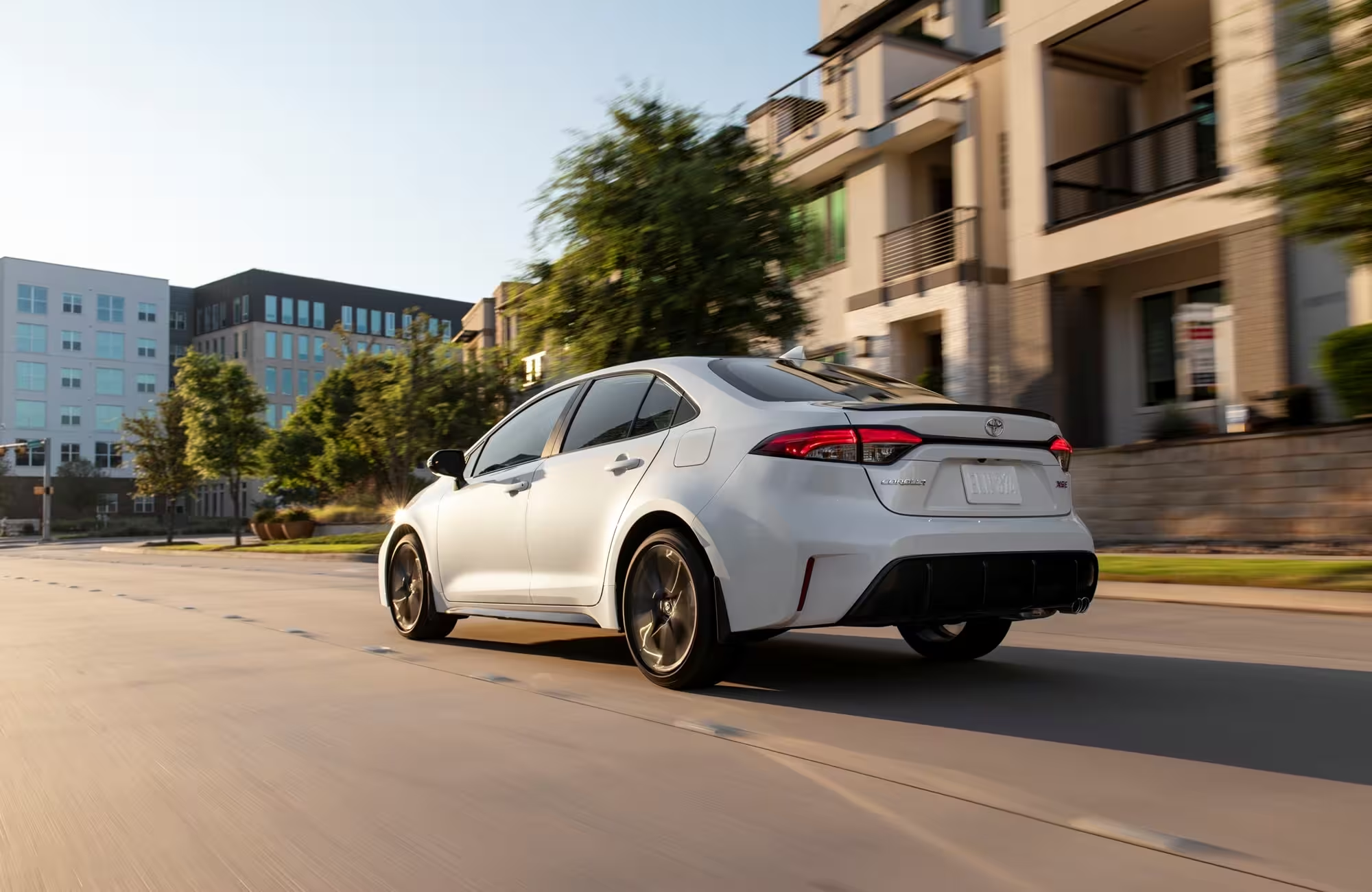
Toyota has announced a major shift in product planning: the automaker will stretch the redesign cycle for its flagship models to roughly nine years, up from the five- to seven-year cadence used in recent decades. The move underscores a broader industry transition toward "software-defined vehicles" (SDVs) that rely on over-the-air updates and continuous software development rather than frequent hardware overhauls.
From a predictable tick-tock to software-first thinking
For generations, carmakers followed a familiar rhythm: a full redesign every six years, with a mid-cycle facelift to keep styling and features current. That tick-tock gave buyers a predictable replacement timeline and kept showrooms refreshed with new designs and platforms. But rising software capabilities, slowing chassis innovation and the push to electrify powertrains have prompted manufacturers to rethink how often they must replace the underlying hardware.
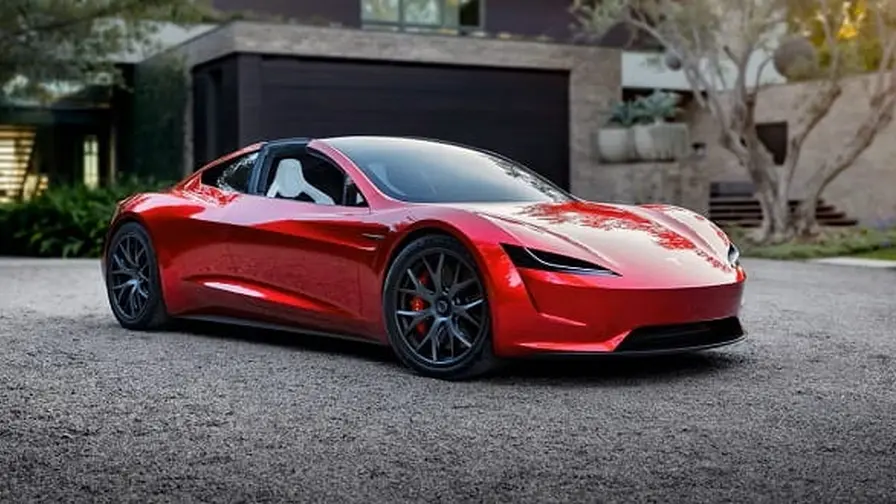
Tesla was an early example of the alternative approach. The Model S and Model X have retained their basic architectures for years while receiving significant updates via software — features, user interface improvements and even some performance tweaks — keeping older hardware relevant long after initial launch. Toyota’s decision signals that traditional volume OEMs see value in that model for mainstream vehicles as well.
Why Toyota thinks nine years is enough
According to reporting on the strategy, Toyota believes it can keep flagship models competitive through a steady stream of software upgrades and targeted hardware support instead of frequent full platform replacements. The benefits cited by planners and analysts include:
- Reduced development costs per model, freeing capital for electrification and next-gen battery projects.
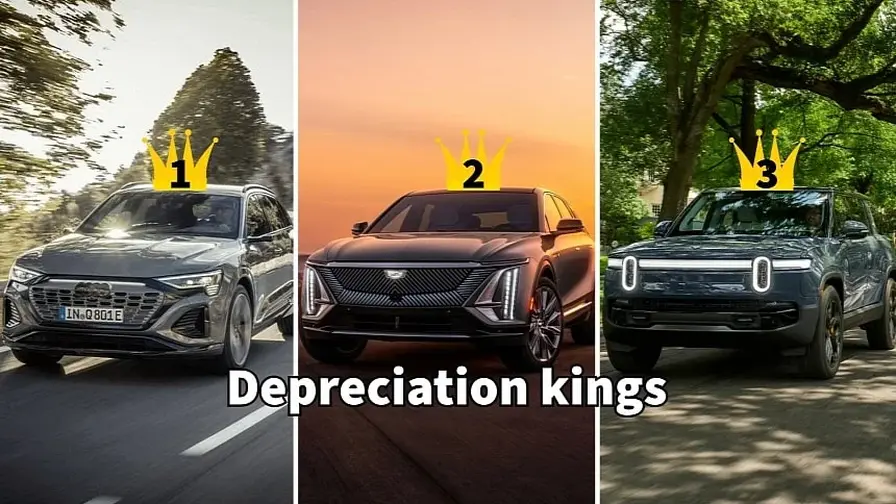
- Slower depreciation pressures, as older examples can receive new features and maintain parity with newer trims where hardware permits.
- Simplified manufacturing and supply chain planning with fewer platform launches.
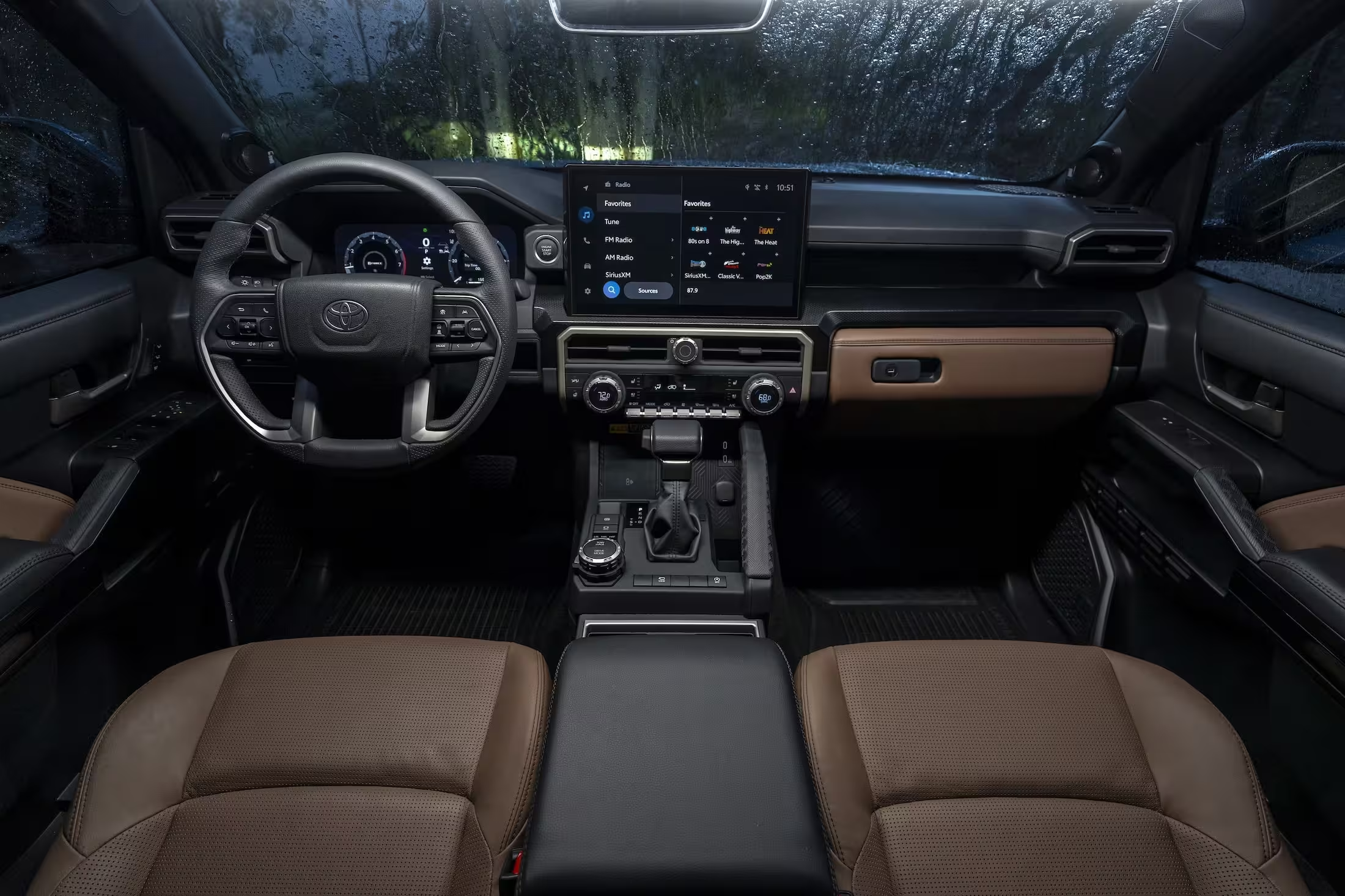
"If the chassis is mature and hardware evolution is incremental, software becomes the differentiator," a source summary explained. That mindset shifts investment from replacement programs to ongoing software R&D, cloud services, and modular electronics compatible with multi-year lifecycles.

Risks and market trade-offs
The strategy comes with trade-offs. Fewer hardware refreshes can reduce the number of compelling reasons for customers to trade in their vehicles, potentially slowing volume cycles. Resale dynamics are complicated: while older cars may retain functionality through updates, purchasers who prioritize the latest styling or cutting-edge hardware (for example, new battery tech or advanced driver assistance sensors) may still opt for newer models.
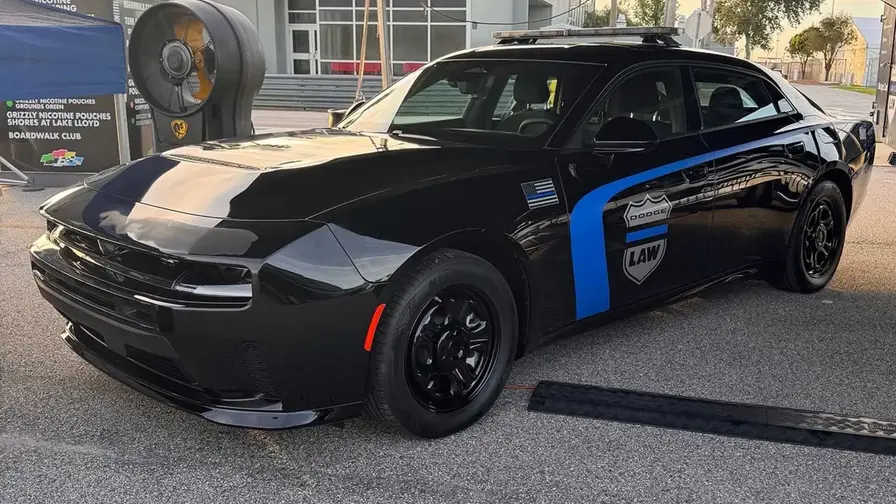
Other OEMs have tried elongated lifecycles with mixed results. Some Stellantis models, like long-running iterations of the Dodge Charger, showed that aging platforms can still sell, but not without consequences in efficiency, emissions regulations and customer perception. Success for Toyota will depend on execution, feature parity via OTA software, and industry-wide adoption of similar lifecycle thinking.
What buyers should expect
Buyers of Toyota’s flagship models can likely expect:
- Regular over-the-air software updates adding infotainment functions, safety enhancements and minor performance tweaks when hardware allows.
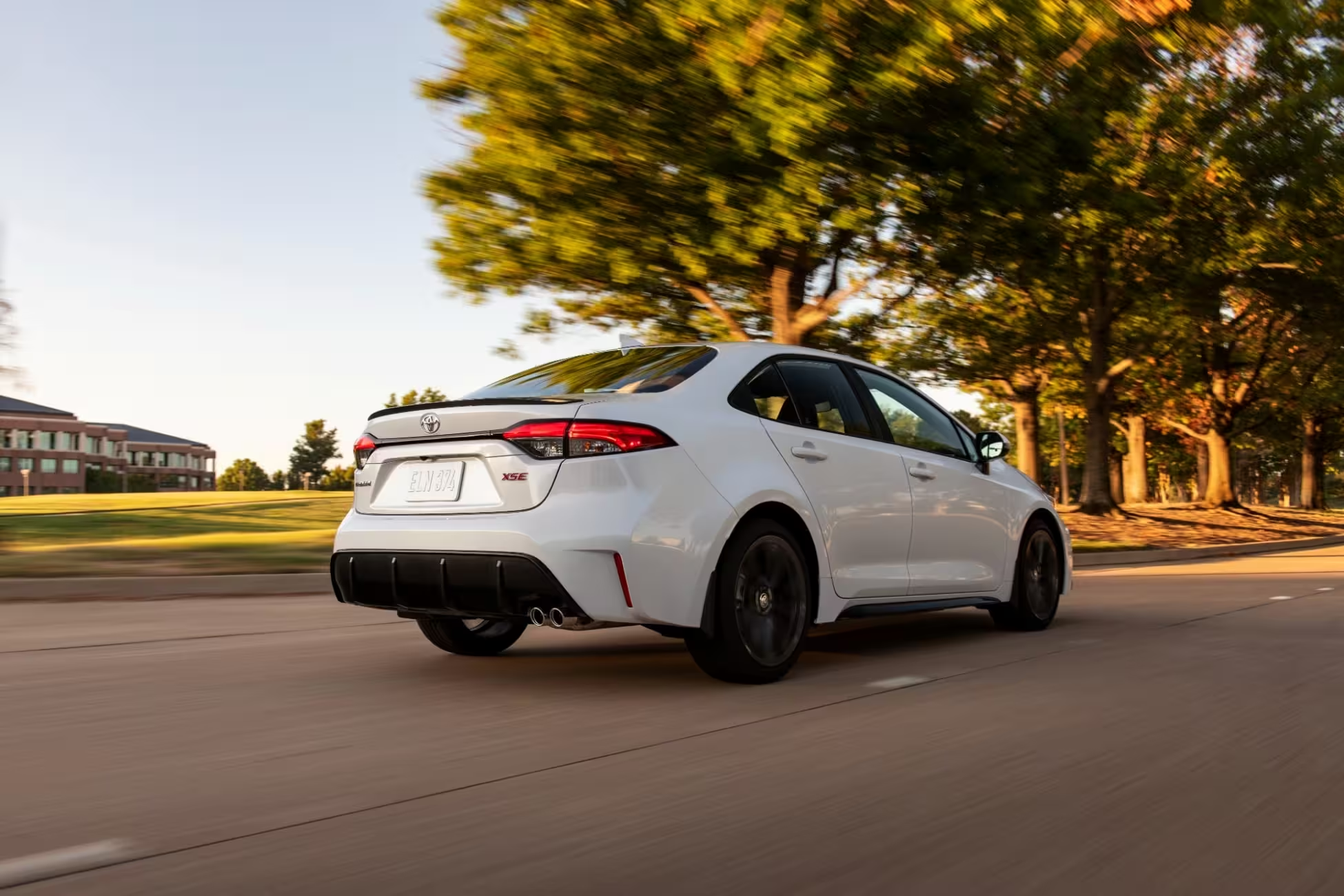
- Less frequent full-body redesigns and platform changes — roughly every nine years for top-tier models.
- A continued emphasis on reliability and resale value, balanced against slower visual/design refreshes.
Quote: "Longer cycles free up resources to accelerate electrification — but they also require Toyota to deliver meaningful software value over time," said an industry analyst.
Bottom line
Toyota’s nine-year redesign plan is a calculated bet that software can sustain competitiveness while the company focuses investment on electrification and new propulsion technology. The approach will likely make the most sense when hardware platforms are modular and electronics architectures are future-proofed. Whether this strategy reshapes customer buying habits and industry norms depends on how well Toyota — and its rivals — execute software updates, maintain hardware compatibility and continue to offer compelling reasons to upgrade.
For car buyers and enthusiasts, the practical takeaway is that a nine-year lifecycle could mean more emphasis on software features, cloud services, and long-term support — and fewer reasons to chase every model-year change purely for new hardware. The success story will be written in execution: stable platforms, fast OTA rollouts and meaningful new features that keep older cars feeling new.



Leave a Comment
Comments (2)
Smart move financially, but feels like buying a phone with car price tags. If software updates stall, value drops fast
Nine years? seems risky. OTA updates are fine, but sensors & batteries still age fast. Who handles recalls?