
3 Minutes
Xiaomi says it has locked in memory chip supplies for all of 2026 — a preemptive move that could stabilize production but comes with an expected cost: higher smartphone prices. The company’s leadership warns that global memory shortages and AI-driven demand are reshaping component economics.
Why Xiaomi moved fast to lock memory for 2026
According to Xiaomi Group president Lu Weibing, the company signed a dedicated contract to guarantee memory shipments throughout 2026. He didn’t name the supplier, but potential partners include Samsung, SK Hynix, Micron, Kioxia, Western Digital, and domestic makers such as YMTC or CXMT. Securing a full year’s allocation is a hedge against volatile supply chains — but it isn’t cheap.
Short-term security, long-term cost
Buying stability in a tight market means paying a premium. Xiaomi has signaled that the higher cost of memory will translate into retail price increases for its phones, especially as the brand moves further into the premium segment where passing on component costs is more feasible.

AI demand is changing the memory market
Lu pointed out that this cycle differs from past mobile-driven swings. Instead of phone refresh cycles alone pushing prices, a surge in AI-related demand for high-bandwidth memory (HBM) and other advanced chips is putting broad upward pressure on the market. In short: AI servers are now competing with smartphones for the same memory resources.
- HBM demand for AI accelerators has tightened the memory supply chain.
- NVIDIA’s shift to use smartphone-style LPDDR in AI servers amplifies competition for mobile memory types.
- OEMs face a longer, more structural price cycle rather than short, volatile blips.
What this means for consumers and the Redmi K90 incident
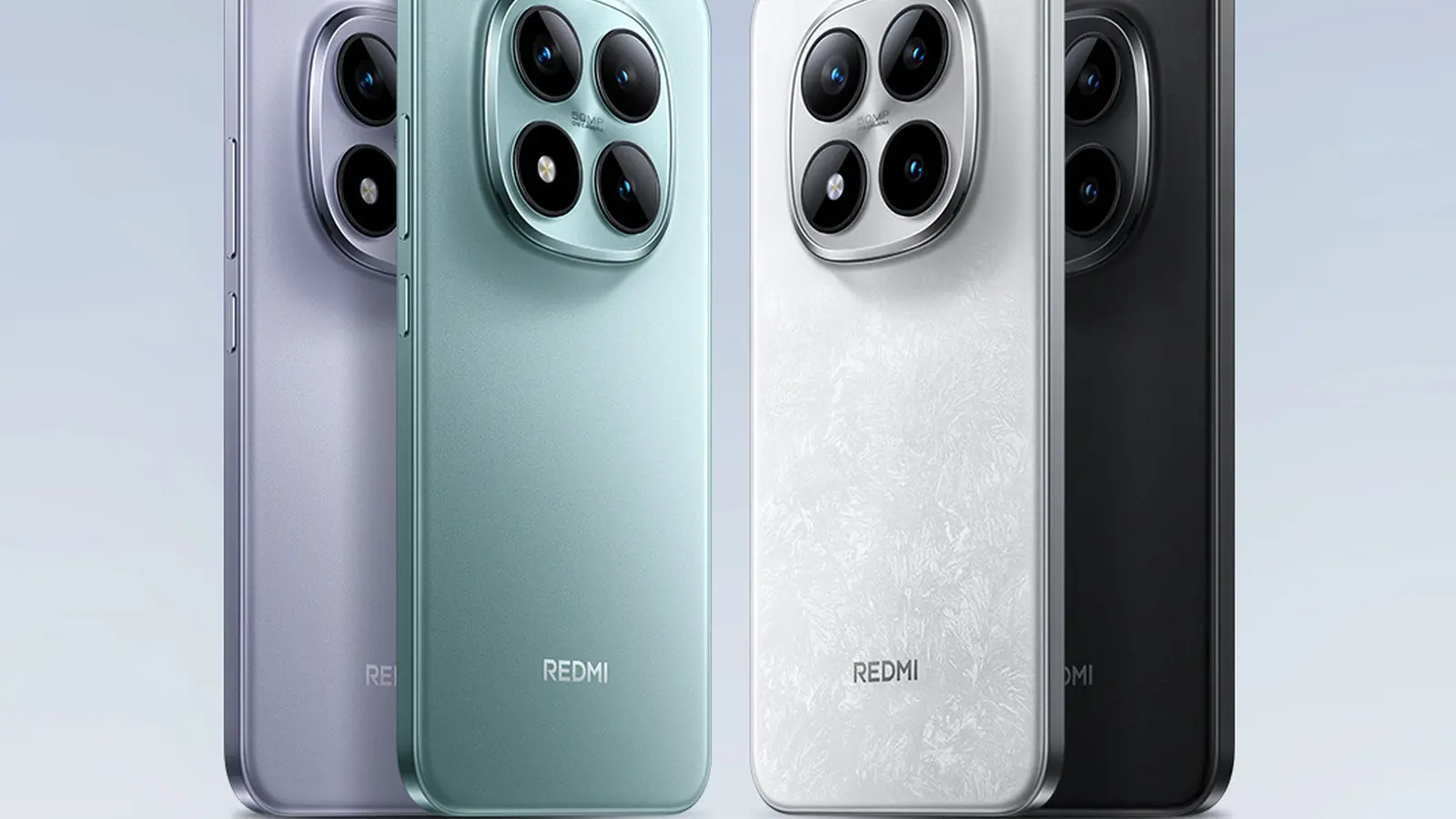
Xiaomi has already faced criticism over recent pricing decisions. When the Redmi K90 launch drew backlash, Lu explained on social media that rising storage costs were largely out of Xiaomi’s control. The company later offered a notable discount on one K90 configuration, suggesting margins still have some flexibility despite higher component bills.
For buyers, expect fewer low-priced flagship bargains in 2026 and more nuanced pricing strategies — promotions, bundled discounts, and staggered upgrades — as manufacturers balance margins with market share.
How the wider industry could react
Industry analysts warn the memory crunch could deepen. Reports suggest NVIDIA’s pivot to LPDDR for energy-efficient AI servers may double certain server-memory prices by late 2026. If server-grade demand continues to siphon off smartphone memory inventory, phone makers will face sustained cost pressure and potential supply droughts for popular memory configurations.
For Xiaomi, locking supply is a defensive, strategic step: it secures production continuity at the price of higher consumer prices. Whether that trade-off preserves market momentum will depend on how competitors respond, how quickly memory production can scale, and whether AI-driven demand plateaus or keeps climbing.









Leave a Comment
Comments
No comments yet. Be the first.