
3 Minutes
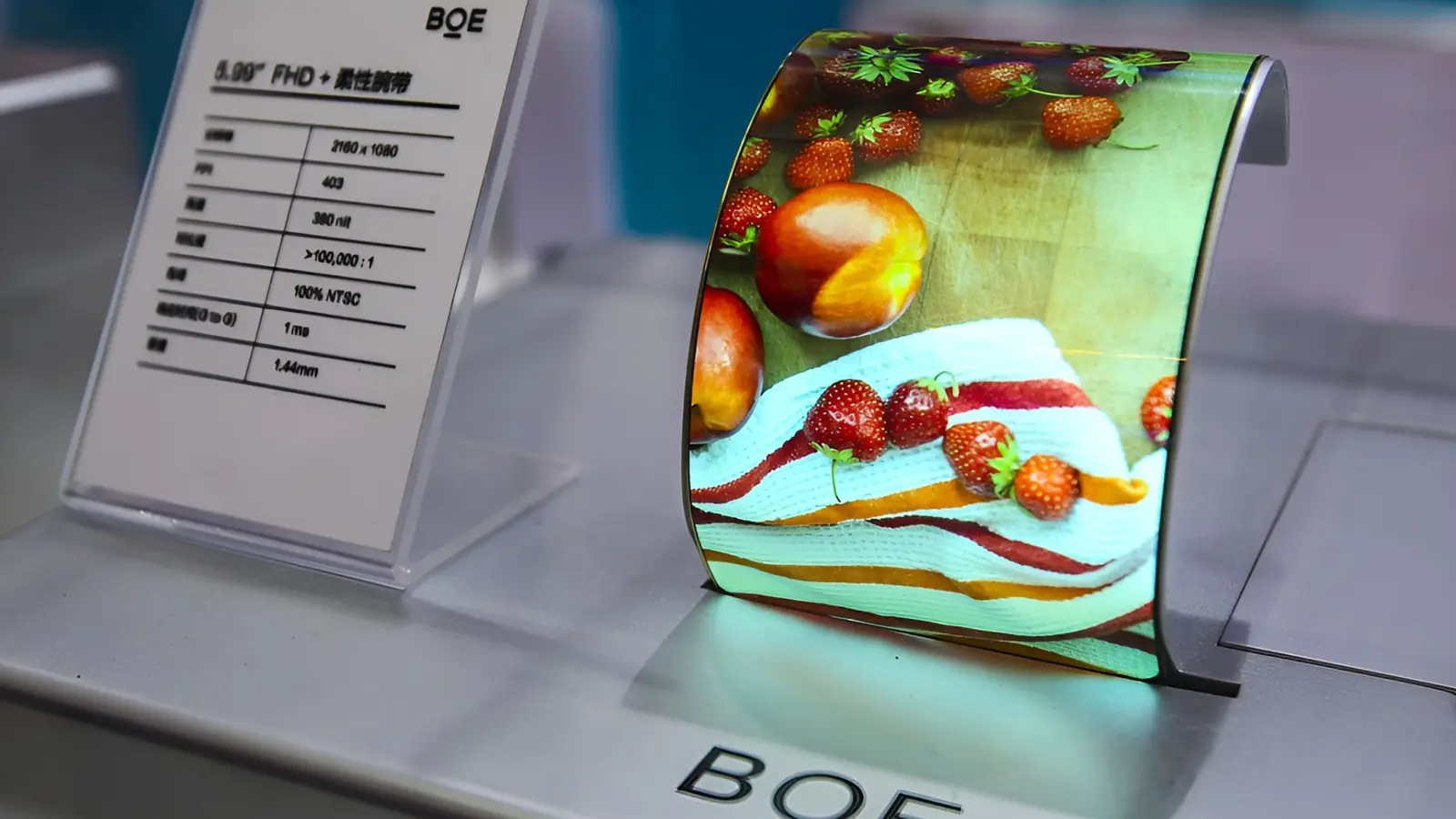
China’s display giant BOE has lost a major shot at joining Apple’s iPhone 17 supply chain after failing to meet Apple’s strict quality standards for LTPO OLED panels. The setback hands a bigger slice of the contract to Samsung Display and raises fresh questions about BOE’s readiness for premium smartphone displays.
Quality problems block BOE’s LTPO ambitions
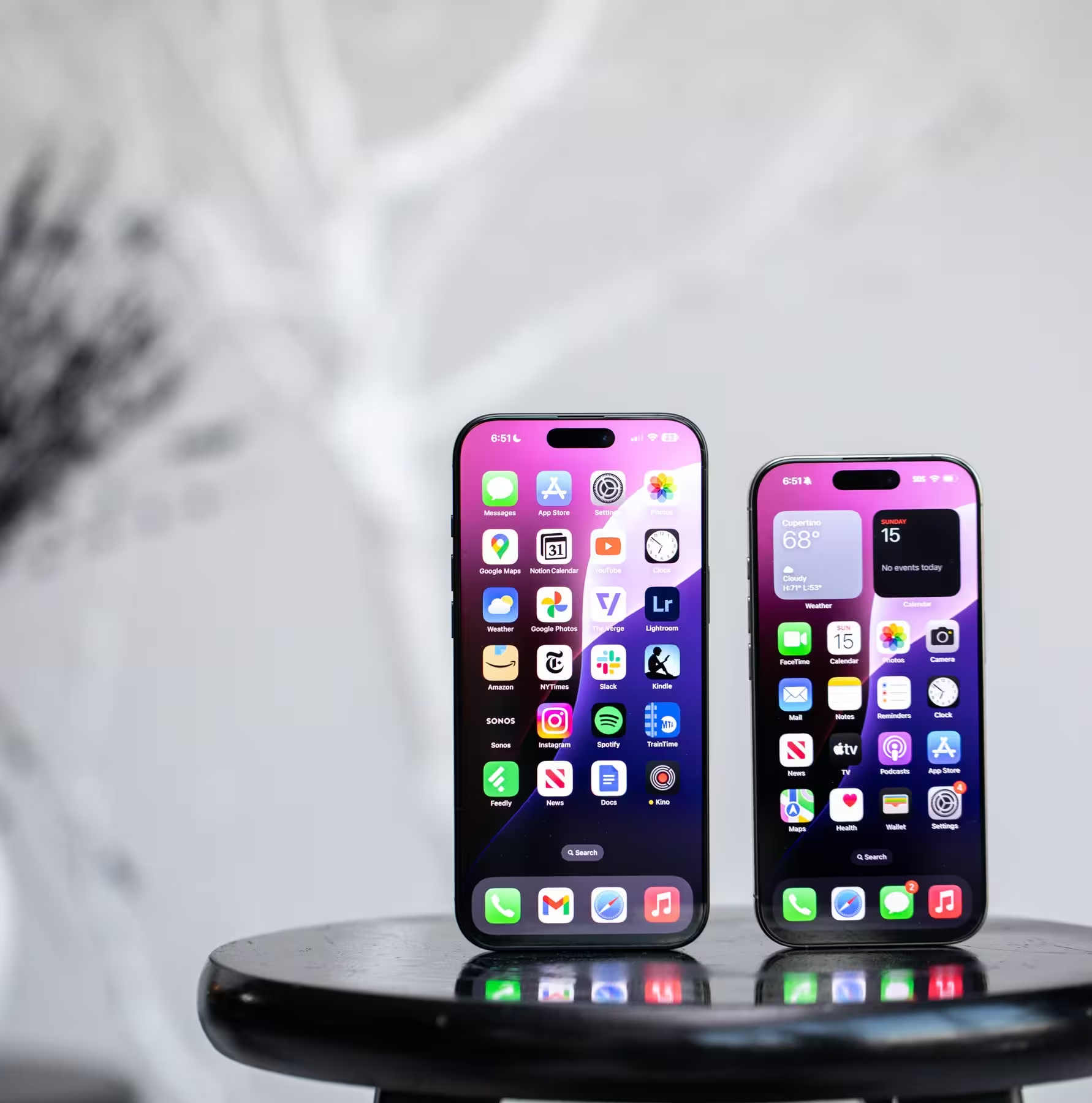
According to a report from ZDNet Korea, BOE couldn’t deliver the 10 million Low-Temperature Polycrystalline Oxide (LTPO) OLED panels Apple contracted in early Q3 2026. BOE had been aggressively pursuing LTPO technology through heavy R&D investments, aiming to ship up to 40 million panels this year and break into Apple’s lucrative supply chain.
But Apple’s requirements for performance, uniformity and yield are notoriously exacting. BOE’s panels reportedly still show production and quality issues that Apple will not accept for its flagship iPhone 17 lineup—so the initial 10 million order has been reassigned.
Samsung steps in — and scales up
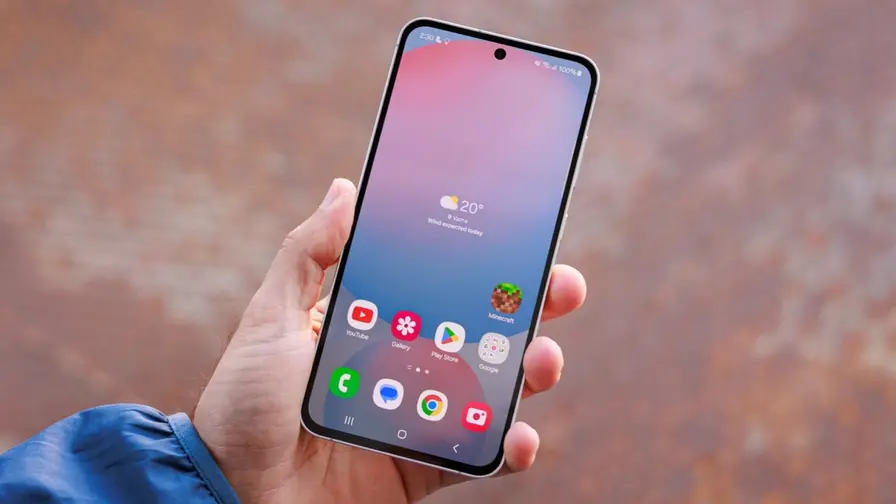
With BOE out of the immediate picture, Samsung Display will pick up the shortfall. Samsung is expected to ship roughly 90 million LTPO OLED panels to Apple, up from a previous cadence of about 80 million. That boost reinforces Samsung’s dominant role as a high-end OLED supplier and widens the gap between first-tier panel makers and emerging competitors.
How big is the gap?
BOE does already supply premium OLEDs in other markets—its X3 OLED panels power devices like the OnePlus 15, which sports a 6.78-inch, 165Hz display. Still, producing panels that satisfy Apple’s LTPO demands is a different level of complexity: tighter tolerances, higher yields and rigorous long-term reliability testing.
Regulatory baggage makes BOE’s task harder
Compounding the technical hurdles is a major legal blow. The US International Trade Commission ruled that BOE misappropriated Samsung Display’s intellectual property by hiring former employees and using confidential information. That decision effectively bars BOE’s implicated OLED panels from entering the US for 15 years—handing Samsung and LG relatively unobstructed access to the American market.
With a lengthy US import ban and lingering quality issues, BOE faces both reputational and commercial headwinds even as it tries to scale LTPO production.
Why this matters for the industry
- Apple’s reliance on multiple suppliers is strategic: it balances capacity, price and risk. When a new entrant like BOE fails to meet standards, larger players benefit.
- The ITC ruling means geopolitical and IP risks are now as significant as technical capability in the display race.
- For consumers, the short-term impact is limited—Apple will still get the panels it needs from established suppliers—but supply-chain diversity may take longer to broaden.
Imagine a world where more manufacturers can consistently produce high-yield LTPO panels: that would lower costs and speed innovation in phones, laptops and wearables. For now, however, BOE must fix production issues and navigate legal barriers before it can realistically threaten Samsung and LG’s stronghold on premium OLED contracts.






Leave a Comment
Comments
No comments yet. Be the first.