
3 Minutes
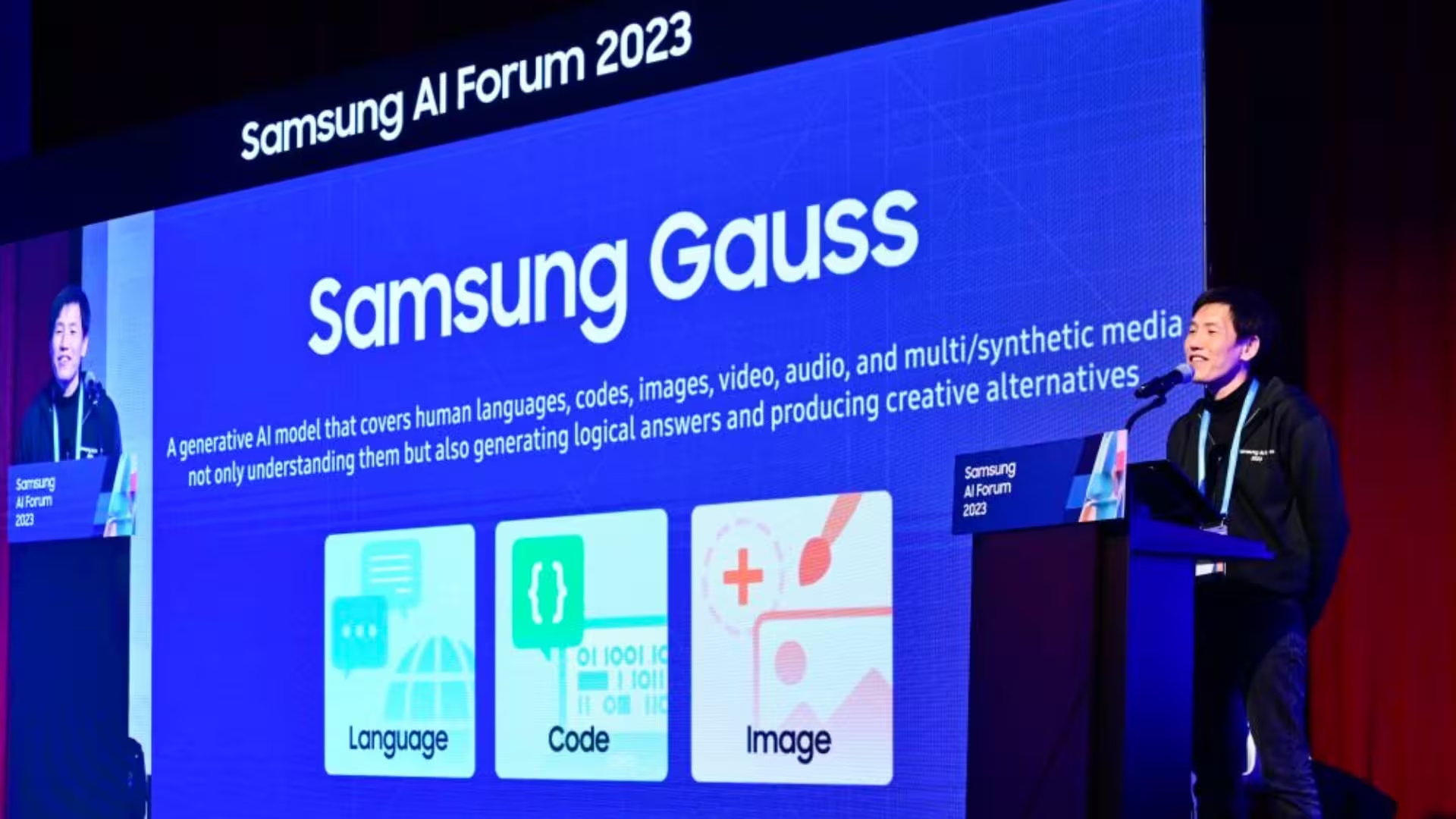
Samsung is quietly accelerating its AI strategy. Following Gauss and Gauss 2.0, the company has upgraded its generative models and built an Agentic AI toolkit designed to speed development, improve search inside the company, and prepare for system-level AI on future Galaxy phones.
Agentic Builder: No-code AI that assembles agents like Lego
According to reports from South Korea, Samsung Research has developed an Agentic Builder that relies on newer Gauss variants — Gauss 2.3, Gauss 2.3 Think, and Gauss O Flash. The tool is described as a no-code, interface-driven environment where teams can assemble business-critical AI agents by dragging and dropping modular components.
These building blocks include input and output windows, specialized AI models, and Samsung's own DoXA logic — a document analysis engine that helps agents understand business context quickly. The result is a fast way to prototype or roll out agents without heavy engineering overhead.
Sirius: multimodal search and smarter knowledge retrieval
Samsung has also applied Gauss's multimodal capabilities to an internal knowledge search service codenamed Sirius. Rather than relying on conventional keyword search, Sirius uses a knowledge-graph approach and can index and query text, numbers, tables, images, and attachments. A Samsung Research official told TheElec that Sirius is currently offered as a beta service for employees, mainly to find product development knowledge and technical information related to specific tasks.
That multimodal backbone is paired with an upgraded image-generation pipeline. Samsung addressed common limitations of image models — such as failing to render requested details or being unable to create unfamiliar objects — by using additional reference images and a training structure that preserves an object’s key characteristics when transforming it via natural language prompts.
The company says internal use of its newer image model jumped 153% after the latest update. Samsung also created and optimized a custom dataset to help open-source models that rely on latent diffusion learn beyond their original limitations.
Why this matters for phones and enterprise customers
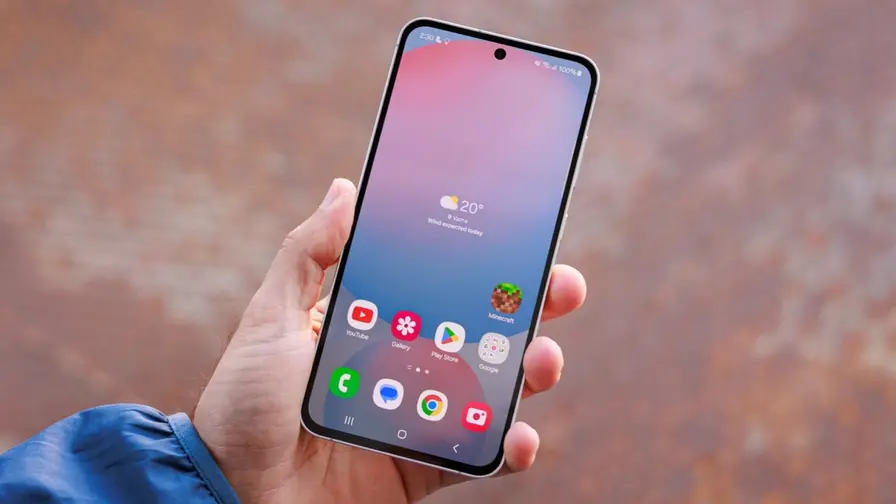
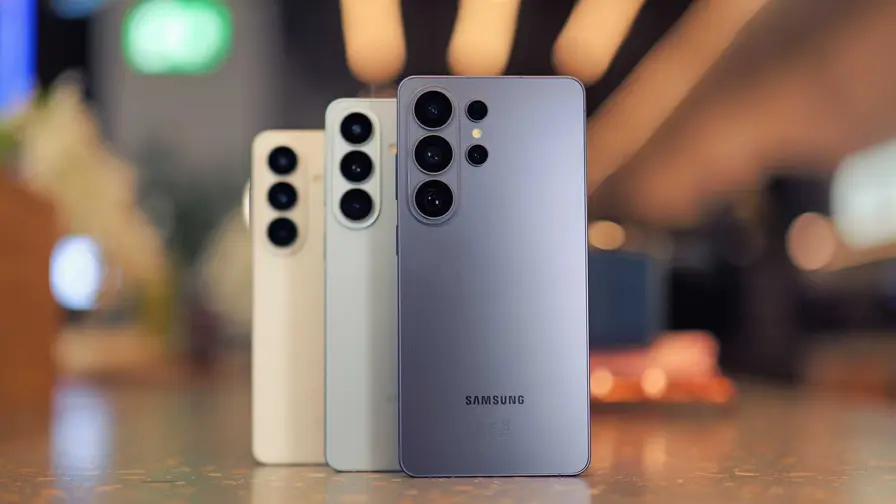
Samsung plans to use the improved Gauss models more broadly, both internally and in products. The Galaxy S26 is widely expected to be the first handset to support Agentic AI at system level, with support rumored for multiple models including Gauss, Gemini, and Perplexity. That could mean on-device assistants that assemble capabilities on demand, richer search features, and smarter image tools built into native apps.
For enterprises, a drag-and-drop Agentic Builder plus Sirius-style search could streamline how teams access institutional knowledge and automate specialized workflows. For consumers, the changes point to more intelligent, context-aware features in flagship devices.
Expect Samsung to keep iterating on Gauss and its associated toolset as it positions itself for a more self-reliant AI future.






Leave a Comment
Comments
No comments yet. Be the first.