
3 Minutes
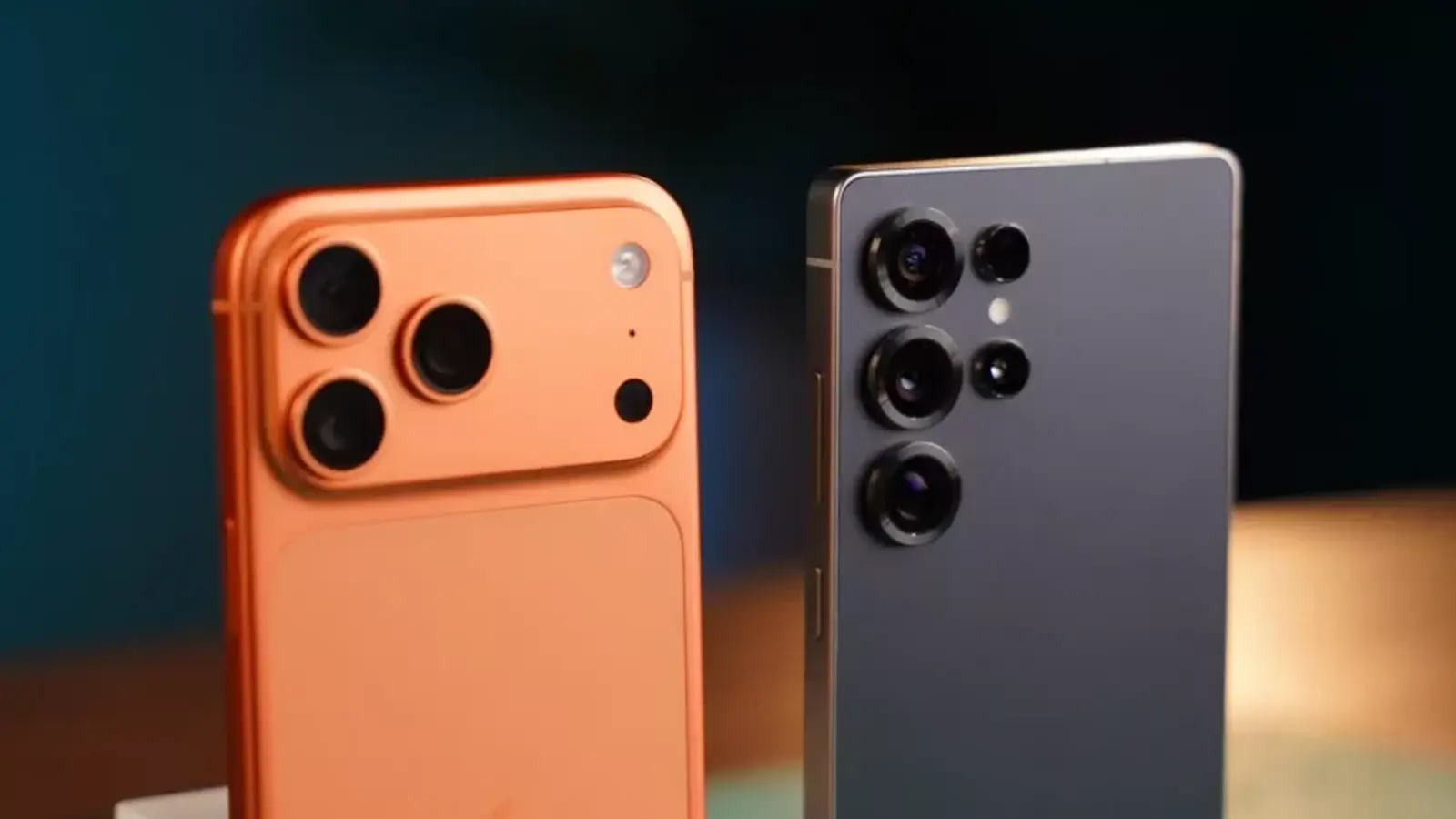
Apple is poised to reclaim the top spot in the global smartphone market after a decade-long gap, driven by strong demand for its new iPhone 17 lineup and a wave of device upgrades among users worldwide.
Why iPhone 17 is fueling a comeback
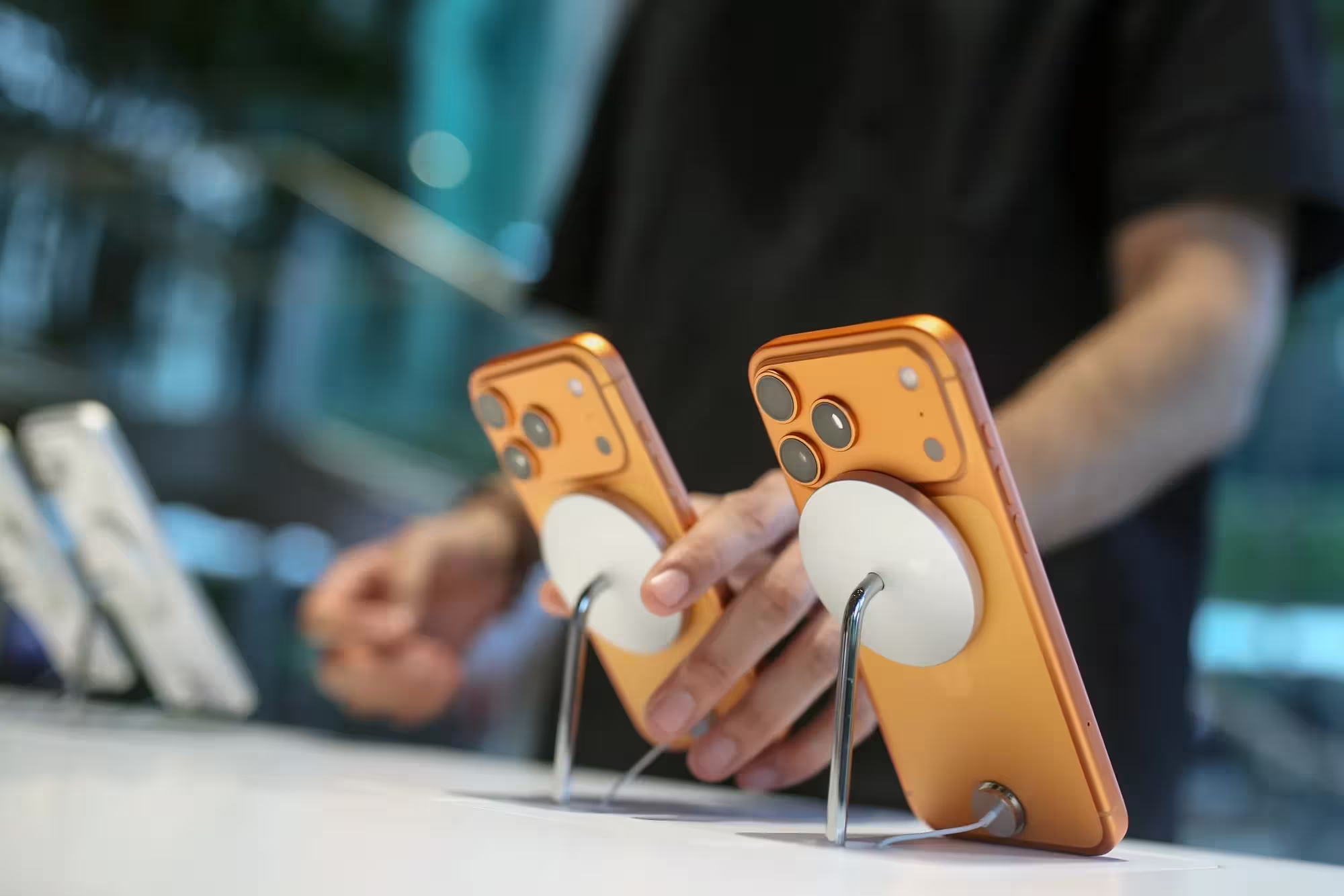
According to Counterpoint Research and reported by Bloomberg, the iPhone 17 family — launched in September — has sparked notable interest in both the US and key international markets like China. Multiple iPhone 17 models have encouraged buyers to trade up, delivering double-digit year-over-year growth for Apple in its largest markets.
Beyond product appeal, Apple is benefiting from easing US-China trade tensions and a softer US dollar, which together have strengthened purchasing power in emerging markets. Counterpoint projects Apple’s iPhone shipments to rise around 10% in 2025, while Samsung’s shipments are forecast to grow by roughly 4.6%.
A market shift: numbers that matter
Industry forecasts expect the overall smartphone market to expand by about 3.3% in 2025. Within that context, Apple’s share is anticipated to climb to roughly 19.4% — a level that would return the company to the No. 1 position for the first time since 2011.
- Predicted 2025 iPhone shipment growth: ~10%
- Predicted 2025 Samsung shipment growth: ~4.6%
- Expected global smartphone market growth in 2025: ~3.3%
- Apple's projected market share in 2025: ~19.4%
Replacement cycles and second‑hand phones: a hidden driver
Counterpoint analyst Yang Wang points to a pivotal replacement cycle: many consumers who bought smartphones during the peak of the pandemic are now ready to upgrade. Between 2023 and Q2 2025, roughly 358 million used iPhones changed hands — a large base of owners likely to consider a new model in coming years.
That upgrade momentum helps explain why Apple’s recent launches have translated into concrete shipment gains rather than just isolated spikes in interest.
What’s next: foldables, budget models, and a redesign
Looking beyond 2025, analysts expect Apple to expand its lineup with a foldable iPhone in 2026 and a more affordable iPhone 17e model, further broadening its appeal. A more radical redesign projected for 2027 could cement Apple’s momentum, and some forecasts suggest the company may remain the global smartphone leader through 2029.
Why this matters
Apple reclaiming the top spot would reshape competitive dynamics across the industry, influencing supply chains, carrier strategies, and feature trends. For consumers, it signals continued investment in premium hardware and a larger ecosystem of users poised to upgrade — a cycle that fuels software and services growth as much as hardware sales.
What to watch
- Quarterly shipment figures from Apple and Samsung.
- Reception and sales momentum of upcoming iPhone variants (17e and foldable models).
- Macro factors like currency movements and trade relations affecting emerging-market purchases.


Leave a Comment
Comments
No comments yet. Be the first.