
Plugin hybrids surpass diesel for the first time
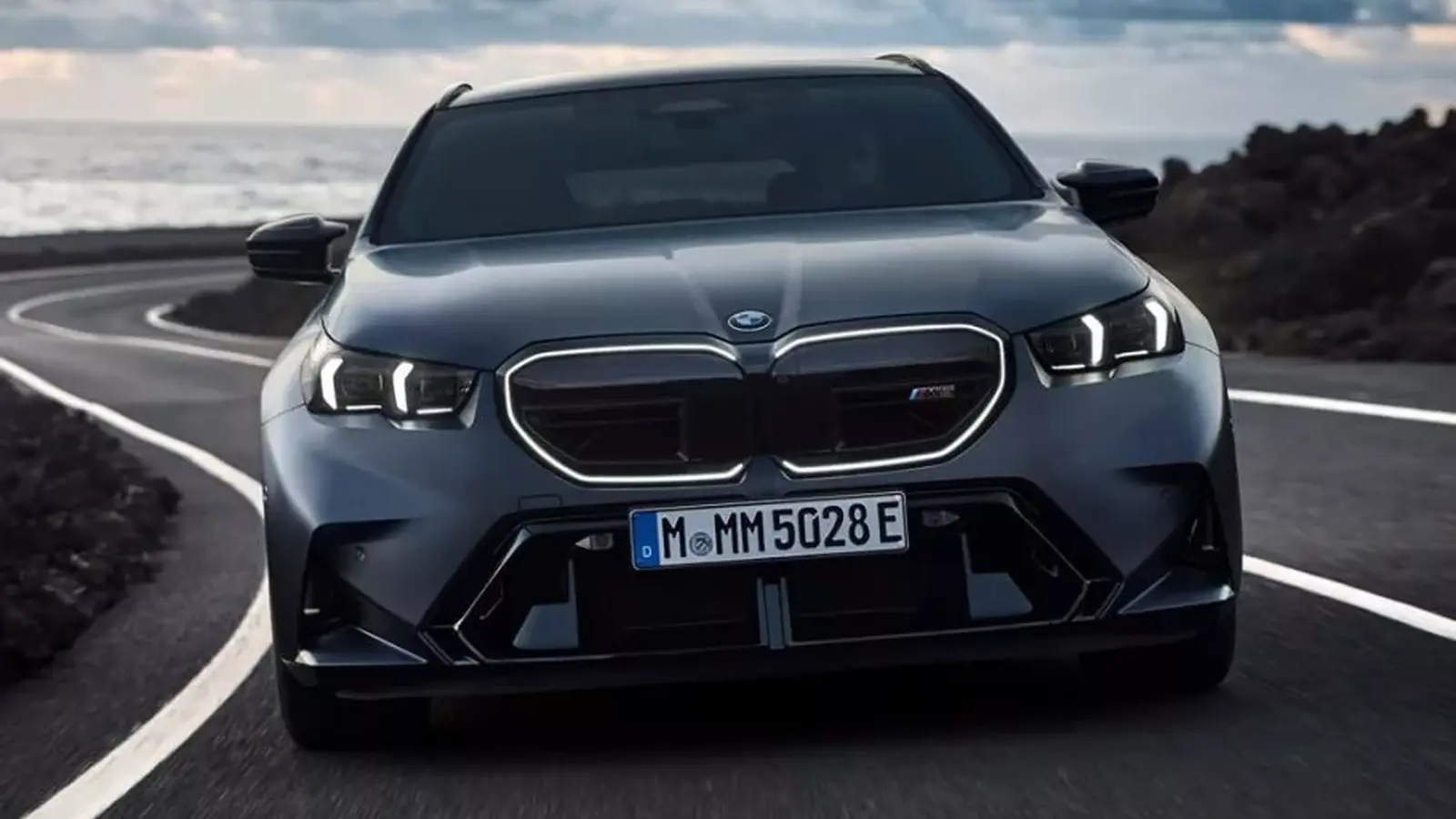
For the first time in Europe's modern automotive history, plug-in hybrid electric vehicles (PHEVs) have outsold diesel cars. Through the first ten months of 2025, PHEVs captured 9.4% of the new-car market, while diesel accounted for just 8% across 27 EU countries plus Iceland, Liechtenstein, Norway, Switzerland and the UK. This milestone underlines how rapidly buyer preferences and industry strategy have shifted in the last decade.
From diesel dominance to a steep decline
Diesel engines were once the backbone of European motoring. At their peak in the 2010s, diesel vehicles represented more than half of new-car sales in many markets. That era began to unravel after the 2015 Volkswagen dieselgate scandal, and sales never returned to previous levels. By 2017 gasoline vehicles had already overtaken diesel in new registrations, and subsequent years saw self-charging hybrids (2021) and full battery-electric vehicles (2022) each eclipse diesel demand in turn.
Where diesel stands now
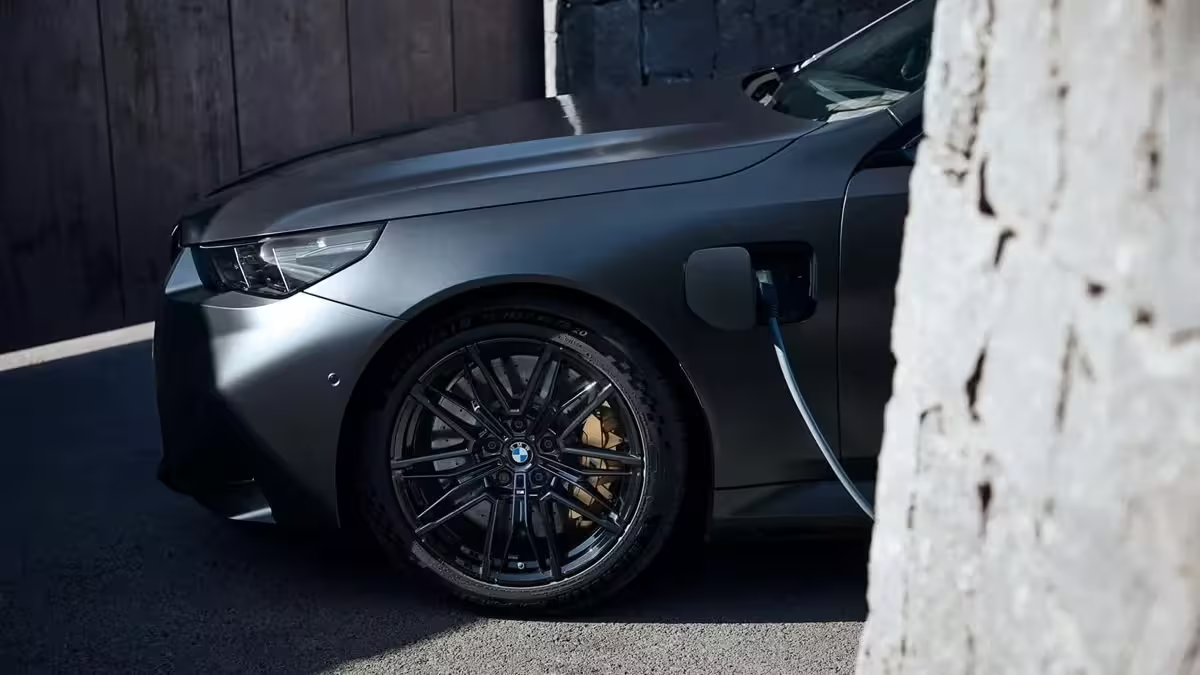
In 2025 diesel has slipped to fourth place in the fuel-type ranking. Several forces have converged to push diesels down the list:
- Tighter EU emissions and real-world pollution rules that favor low- and zero-emission powertrains.
- Strong fiscal incentives and lowered taxes for cleaner cars, making hybrids, PHEVs and EVs financially attractive.
- Manufacturer strategies that prioritize electrified lineups to meet fleet CO2 targets and upcoming bans on new internal combustion sales (targeted by some regulators for 2035).
- The absence of diesel options in many small car segments where consumers increasingly buy city-capable electrified models.
"Regulation, incentives and product planning have all aligned against diesel," says a market analyst familiar with EU fleet strategies. "The result is structural, not cyclical."
Why plug-in hybrids? Practicality and incentives
PHEVs have found a sweet spot for many European buyers: an electric driving range suitable for daily commutes (typically tens of kilometers), a combustion backup for longer trips, and tax or purchase incentives that cut ownership costs. Automakers also offer generous discounts and leasing deals on electrified models, speeding adoption among private customers and corporate fleets.
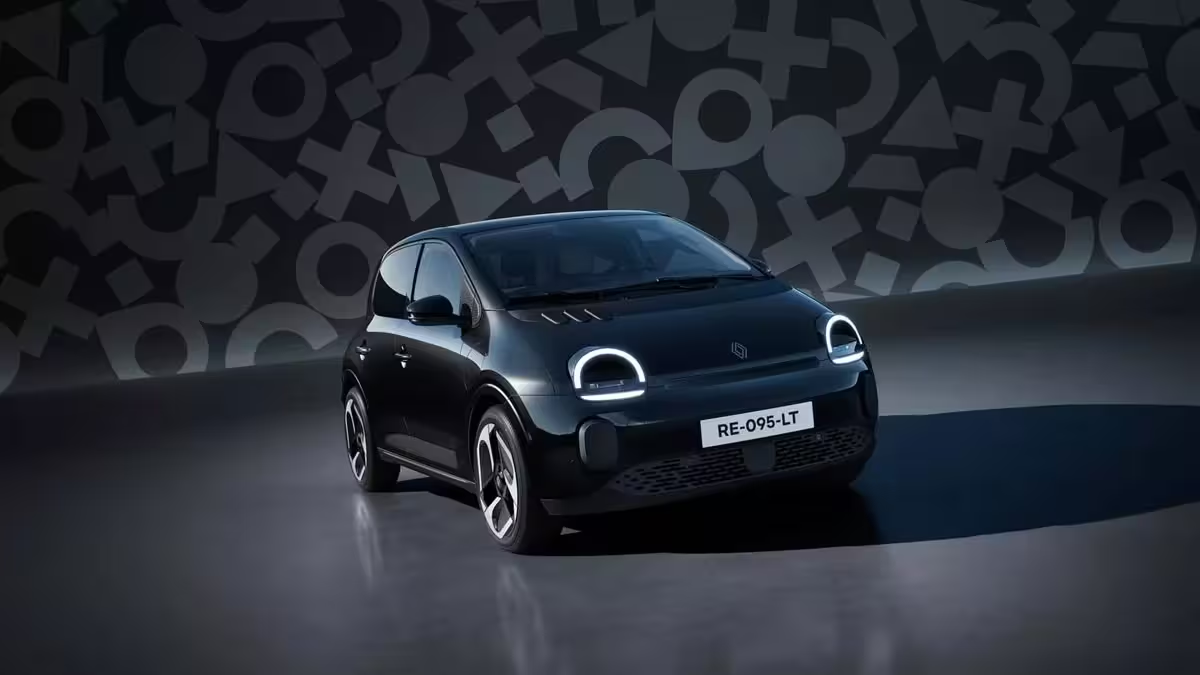
PHEVs typically combine an internal combustion engine with one or more electric motors, offering improved fuel economy in mixed urban/highway use and lower CO2 on standardized tests — advantages that both private buyers and corporate fleet managers now prioritize.
What’s next: EVs, cheap Chinese models, and new launches
Battery-electric vehicle (BEV) sales continue to climb and are poised to strengthen further as more affordable models enter the market. The influx of competitively priced Chinese EVs and upcoming launches from established brands are likely to accelerate that trend. Recent and near-future notable moves include Renault's refreshed Twingo EV and Volkswagen's plan to launch an ID Polo next year, followed by an even lower-cost VW EV in 2027.
Market outlook
- Short term: PHEVs will likely continue their momentum as a transitional product, especially where fast charging infrastructure remains limited.
- Medium term: BEVs should take an expanding share as price parity improves and more low-cost models arrive.
- Long term: diesel will remain niche — concentrated in certain heavy-duty and commercial segments — rather than recovering its old mass-market role.
For car enthusiasts and buyers, the lesson is clear: electrified powertrains dominate product roadmaps and policy incentives. Choosing between a petrol, PHEV or full EV today depends on driving profile, tax rules and access to charging — but diesel is no longer the default option it once was.
Highlights:
- PHEVs 9.4% vs diesel 8% market share (first 10 months of 2025)
- Diesel fell from >50% in the 2010s to fourth place in 2025
- Emissions regulation, incentives and new EV models are accelerating change

Leave a Comment
Comments
No comments yet. Be the first.