
3 Minutes
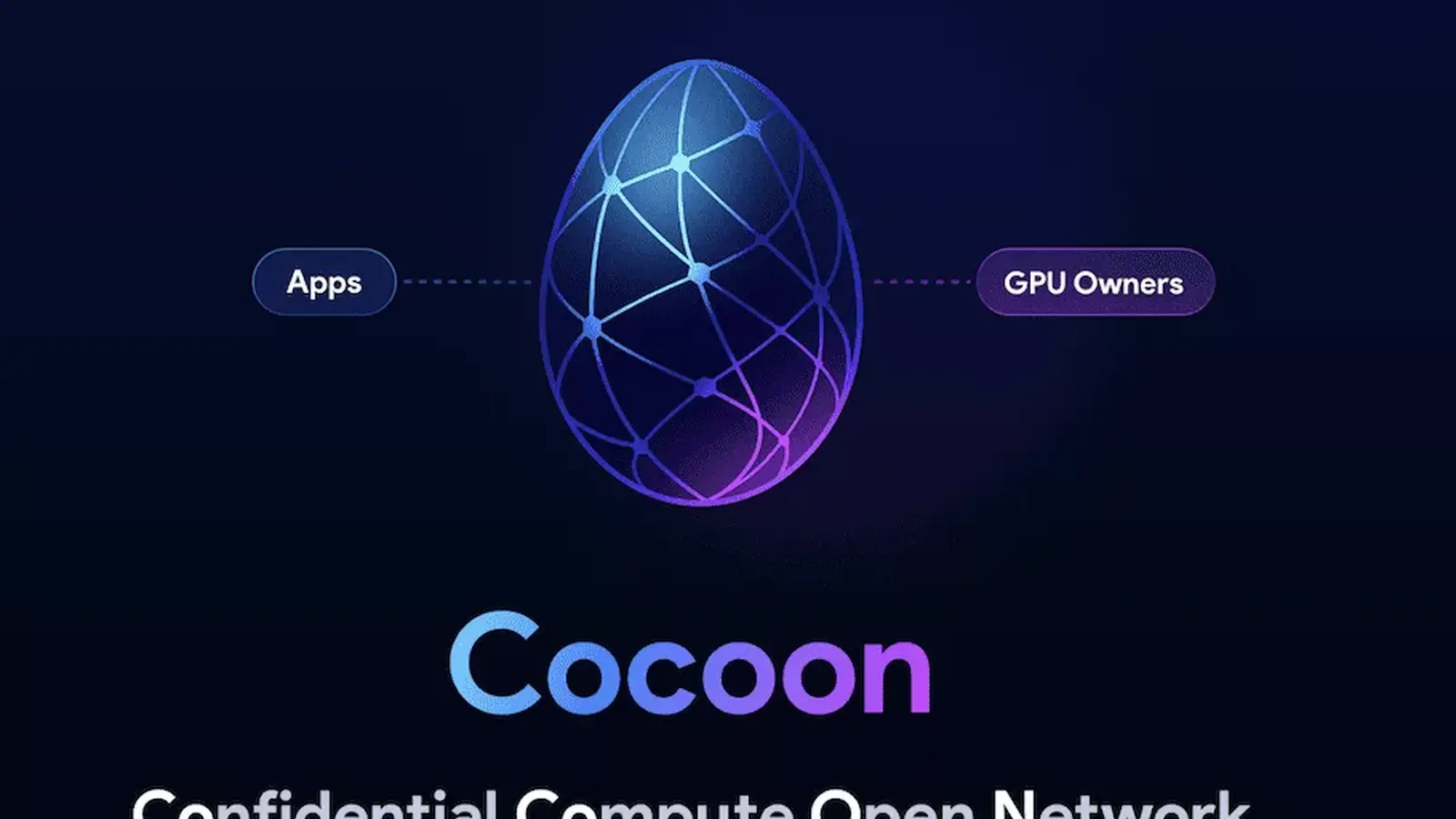
Telegram has launched Cocoon, a decentralized confidential computing network built on the TON blockchain that promises private, lower-cost AI inference by connecting GPU owners directly with developers. Pavel Durov says Cocoon removes expensive intermediaries while encrypting prompts and responses so even the host can't read them.
Why Cocoon could change how AI is run
Until now, developers and users who wanted powerful AI services typically routed data through centralized cloud giants — think Amazon or Microsoft. That convenience came with trade-offs: high fees and expanded attack surfaces for sensitive prompts or private data.
Cocoon aims to flip that model. By tapping idle GPUs in a peer-to-peer marketplace and running model inference inside Trusted Execution Environments (TEEs), the platform keeps inputs and outputs confidential, reduces overhead, and distributes processing across many providers. Imagine running a large language model without sending prompts to a corporate server — that’s the promise here.
How Cocoon works — the tech under the hood
The system uses TON as its ledger and payments layer. A smart contract on TON maintains an allowlist of approved hashes and addresses, ensuring that only verified, trusted components participate in the network. When a developer or app needs AI compute, Cocoon routes the job to an available GPU host whose hardware is running the Cocoon image inside a TEE.

TEEs make a key privacy guarantee: the code and data processed in the enclave are protected from the host operating system. In practical terms, that means the server operator cannot inspect prompts, intermediate data, or model outputs — only the enclave can handle them. Cocoon pairs this confidentiality with decentralized settlement on TON so hosts get paid automatically for the compute they provide.
Who can join and how to start
There are two clear audiences for Cocoon: developers who want private model inference and GPU owners who want to monetize unused hardware.
- GPU hosts: Install the Cocoon image on your machine, complete a short initial configuration (model name and your TON wallet address), and the node will advertise capacity to the network.
- Developers: Submit jobs to Cocoon; the network finds compatible hosts and runs the workload inside TEEs. Payments and authorization are handled via the TON smart contract.
Pavel Durov has said more GPU capacity and developers will join in the coming weeks, and Telegram plans to roll Cocoon-powered AI features into the app while keeping user data private.
What this means for users and the industry
For end users, the immediate benefit is privacy: features powered by Cocoon can process text, images, or other inputs without exposing them to server operators. For developers and smaller AI teams, decentralized compute can be more affordable than traditional cloud providers, especially for inference-heavy workloads.
There are still challenges — adoption, quality-of-service guarantees, and ensuring a healthy marketplace of hosts — but Cocoon represents a tangible step toward confidential, distributed AI processing that doesn’t rely on a handful of hyperscalers.
Quick takeaways
- Cocoon runs on TON and uses TEEs to protect AI tasks from host access.
- GPU owners can rent out spare capacity and receive instant payouts to TON wallets.
- Developers get private, lower-cost inference without sending data to centralized clouds.
- Telegram plans to integrate Cocoon into future AI features in the app.


Leave a Comment
Comments
No comments yet. Be the first.