
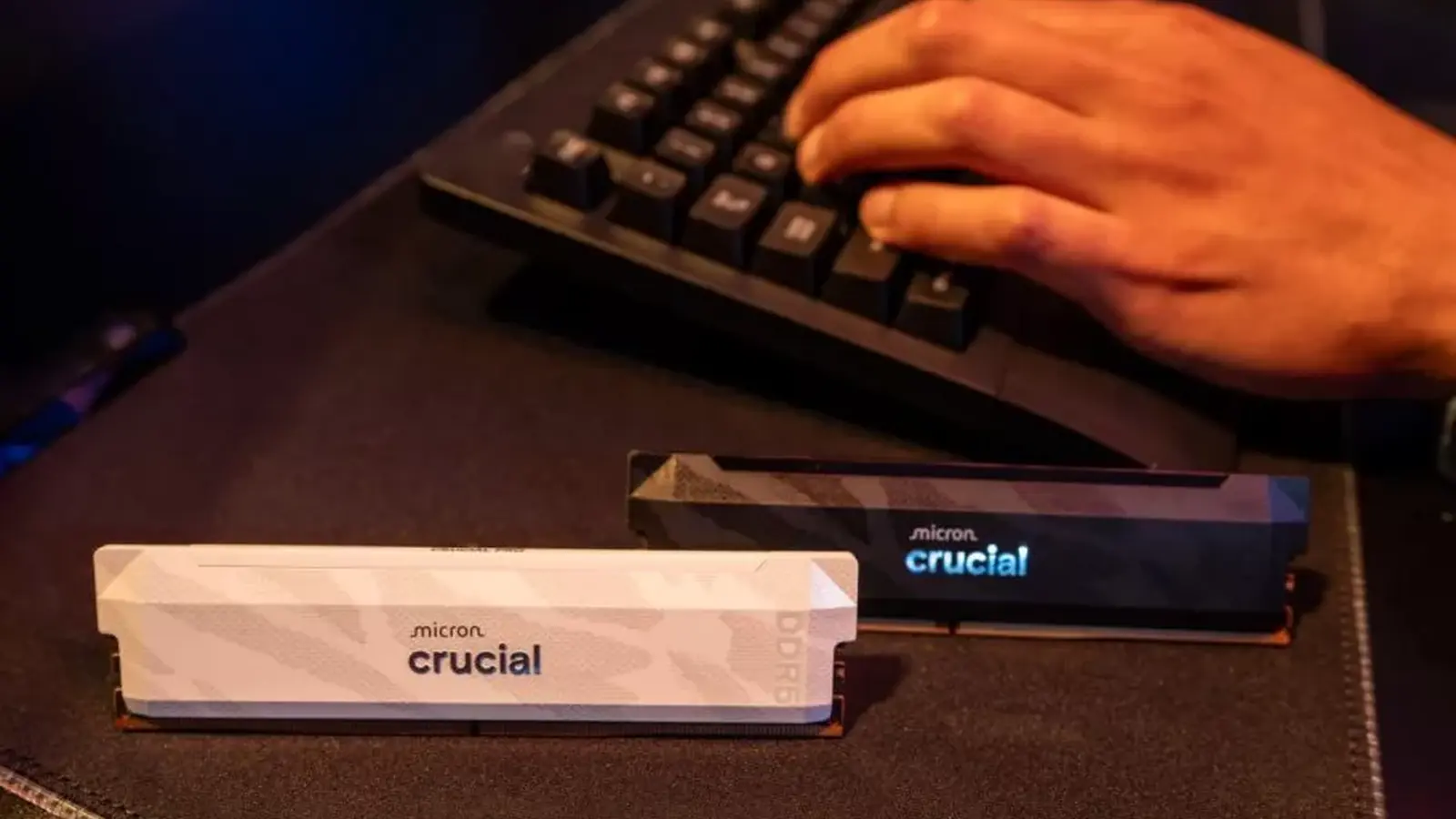
Micron has announced it will retire its consumer-facing Crucial brand to focus on supplying high-capacity memory to rapidly growing AI customers. The move signals a major shift in the memory market as demand from artificial intelligence projects reshapes priorities for chipmakers.
What Micron plans and why it matters
Crucial, long known for affordable SSDs and DRAM kits favored by PC builders and hobbyists, will be phased out as Micron reallocates capacity toward enterprise and hyperscale buyers. The company says exiting the consumer market will let it improve supply and support for "large, strategic customers in fast-growing segments" — a clear reference to firms building massive AI training and inference infrastructure.
Imagine data centers ordering multi‑gigabyte modules by the thousands. That reality is already here: an example often cited is OpenAI’s recent deal with SK Hynix and Samsung to produce as many as 900,000 DRAM units per month for the Stargate project. Deals of that scale put enormous pressure on global DRAM supply and shift factory priorities away from smaller consumer products.
Immediate effects on PC builders and makers
For end users and small system builders, losing Crucial is a blow. The brand supplied competitively priced memory and SSDs that helped keep DIY builds and entry-level systems affordable. Analysts warn that removing a major budget brand could tighten an already constrained market, driving prices higher and limiting options for companies like CyberPowerPC, Framework, and even Raspberry Pi vendors.
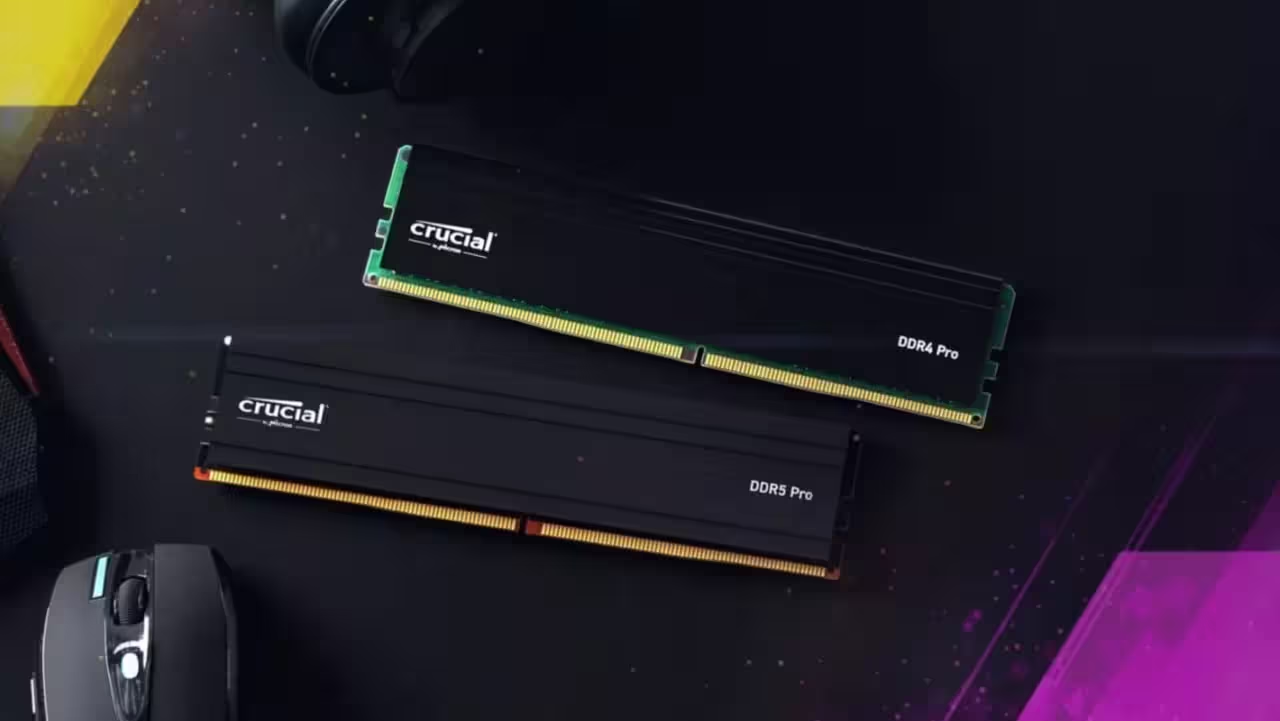
- Micron will continue selling Crucial-branded products through the end of February 2026 and honor warranties and after-sales support during that period.
- Retailers and integrators may face shortages of low-cost modules sooner, pushing up prices or prompting reduced memory configurations on new systems.
- OEMs such as HP have already signaled they may raise prices or ship devices with less memory if supply pressures persist.
Why AI demand changes how memory is made
AI training workloads consume vast amounts of high-speed memory. Unlike consumer RAM, these enterprise-grade modules are often produced in large, long-term contracts and require predictable, high-volume supply. When manufacturers prioritize those customers, the downstream effect is fewer goods aimed at retail markets. That reallocation explains recent DRAM price jumps and the scarcity that consumers and small companies are feeling.
So what should users expect? In the near term, more frequent price volatility for budget memory and storage. In the medium term, a reshaped vendor landscape where consumer options narrow while enterprise channels grow. For PC enthusiasts who relied on Crucial’s value proposition, alternatives exist, but they may be pricier or harder to find.
What Micron promises and the road ahead
Micron frames the decision as strategic: concentrating on segments with the fastest growth and greatest technical needs. The company pledges to keep Crucial products available until February 2026, and to maintain warranty support. After that, expect Micron to fully dedicate production lines and R&D toward high-capacity memory solutions for AI datacenters and cloud providers.
For the global hardware ecosystem, the change is a reminder that AI demand is no longer a distant trend — it’s reshaping supply chains and product portfolios right now. Whether you’re building a home rig or managing an OEM product line, the memory market’s next chapter will be defined by scale, speed, and enterprise priorities.


Leave a Comment
Comments
No comments yet. Be the first.