
3 Minutes
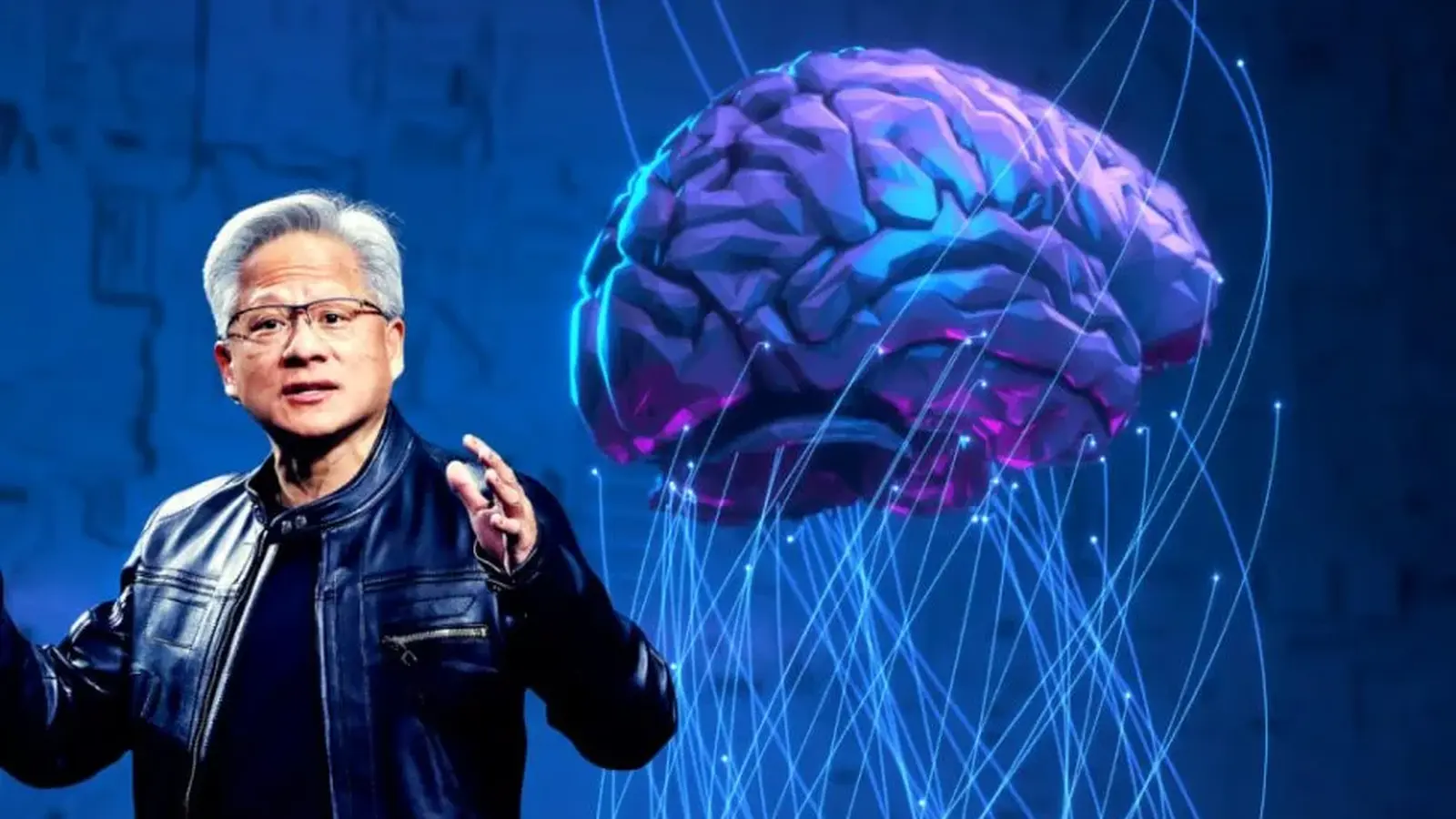
On a recent episode of The Joe Rogan Experience, Nvidia CEO Jensen Huang acknowledged a striking uncertainty: he doesn't think anyone truly knows where artificial intelligence will ultimately lead. His remarks mixed caution with strategic thinking, touching on national security, economic policy and the global scramble for AI advantage.
Why Huang says the AI future is unknowable
When Rogan asked about the ultimate outcome of AI, Huang was blunt: he isn't sure what the endgame looks like. 'The question is: what do we eventually face? I'm not certain, and I don't think anyone really knows the answer,' he said. That honesty from the head of one of the most influential AI chipmakers highlights how even industry insiders are wrestling with unknown risks and benefits.
Huang suggested AI will likely advance incrementally rather than as a single sudden leap — a steady accumulation of capabilities rather than one defining 'big bang' moment. That view matters for policymakers and businesses planning for risk, regulation and investment horizons.
Historic comparisons: Manhattan Project, the Cold War and a new tech race
Huang compared the international competition over emerging technologies to landmark efforts of the 20th century. He described the current race to dominate AI and related fields as having echoes of the Manhattan Project and the Cold War — projects where technological supremacy carried decisive strategic weight.
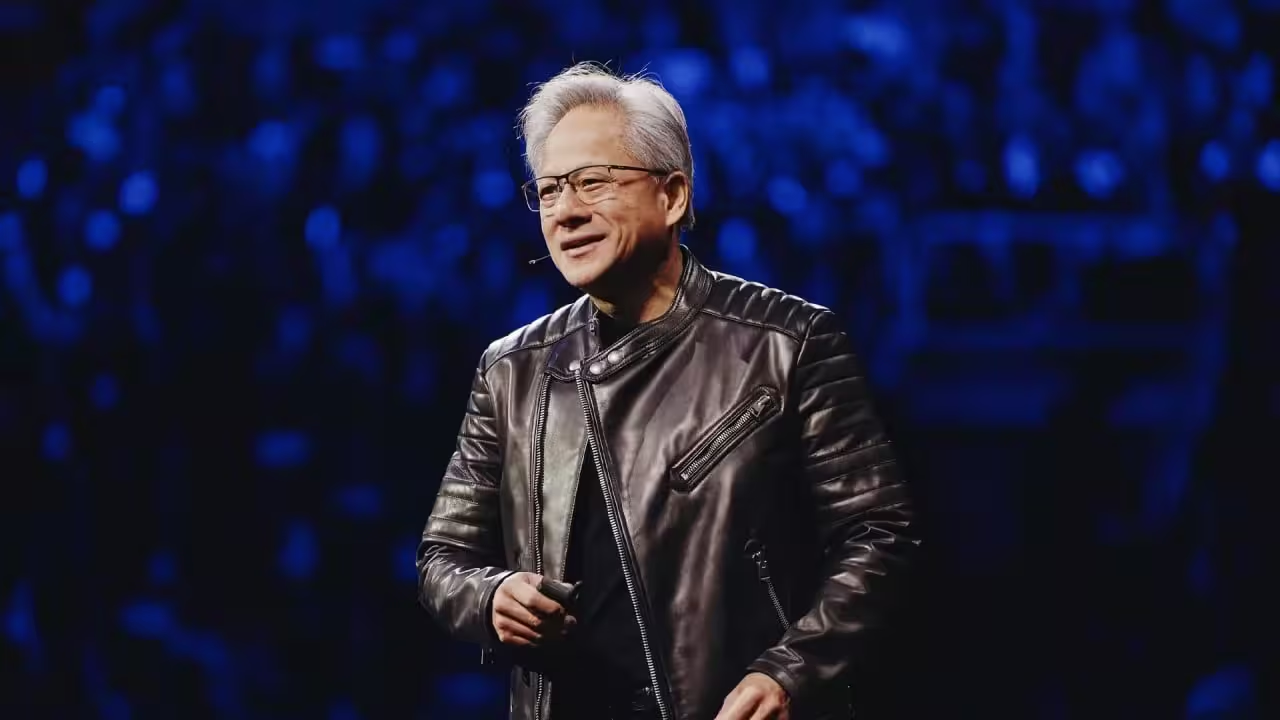
'Technology — whether in information, energy, or military capability — gives you a SuperPower,' Huang said. The implication: whoever leads on critical tech gains not only economic benefits but tangible geopolitical leverage.
On national security and America's role
Both Huang and Rogan framed U.S. leadership in AI as a national security issue. Rogan argued that being ahead in AI development logically carries security implications, and Huang agreed. The conversation underlined a growing consensus in Washington and Silicon Valley: tech leadership is as much about defense and resilience as it is about innovation.
Huang on Trump and domestic industrial policy
In a section that drew attention, Huang praised President Donald Trump for his approach to technology and manufacturing. He said you can see Trump's 'love for America' in his pragmatic, direct decisions, and applauded efforts to reshore production.
'Trump wants to make sure the country's critical technologies are built inside the U.S. and to push industrialization again so production and jobs are strengthened,' Huang said. For Huang, rebuilding domestic supply chains and manufacturing capacity is a strategic move that supports innovation and security.
Key takeaways
- Even top AI leaders admit the long-term outcomes of AI are uncertain.
- Huang sees the global AI contest as a high-stakes geopolitical race with historic parallels.
- U.S. leadership and domestic manufacturing are framed as critical to national security.
- Expect gradual, cumulative AI progress rather than a single instantaneous breakthrough.
Huang's interview offers a rare mix of technical caution, geopolitical framing and public endorsement of policies that prioritize domestic tech capacity. Whether you follow the industry for its chips, research breakthroughs, or geopolitical consequences, his comments are a reminder: the next decade of AI will be shaped as much by strategy and policy as by algorithms.

Leave a Comment
Comments
No comments yet. Be the first.