
3 Minutes
Crypto and blockchain left out of Trump’s national security priorities
The Trump administration’s latest national security strategy makes no direct reference to cryptocurrency or blockchain technology, even as digital assets gain deeper links to global finance and the administration signals a desire for U.S. leadership in the sector. The document, released Friday, emphasizes competition in cutting-edge fields such as artificial intelligence and quantum computing while omitting explicit direction on crypto policy.
Technology focus shifts to AI, biotech and quantum
The strategy frames the United States’ core national interests around emerging technologies, naming AI, biotechnology and quantum computing as priorities where U.S. standards and innovation should lead. Although the language notes the importance of strengthening America’s financial sector dominance and leveraging digital finance for liquidity and market security, it stops short of naming cryptocurrencies, CBDCs, stablecoins, or blockchain as specific national security domains.
Mixed signals: public comments vs. strategy text
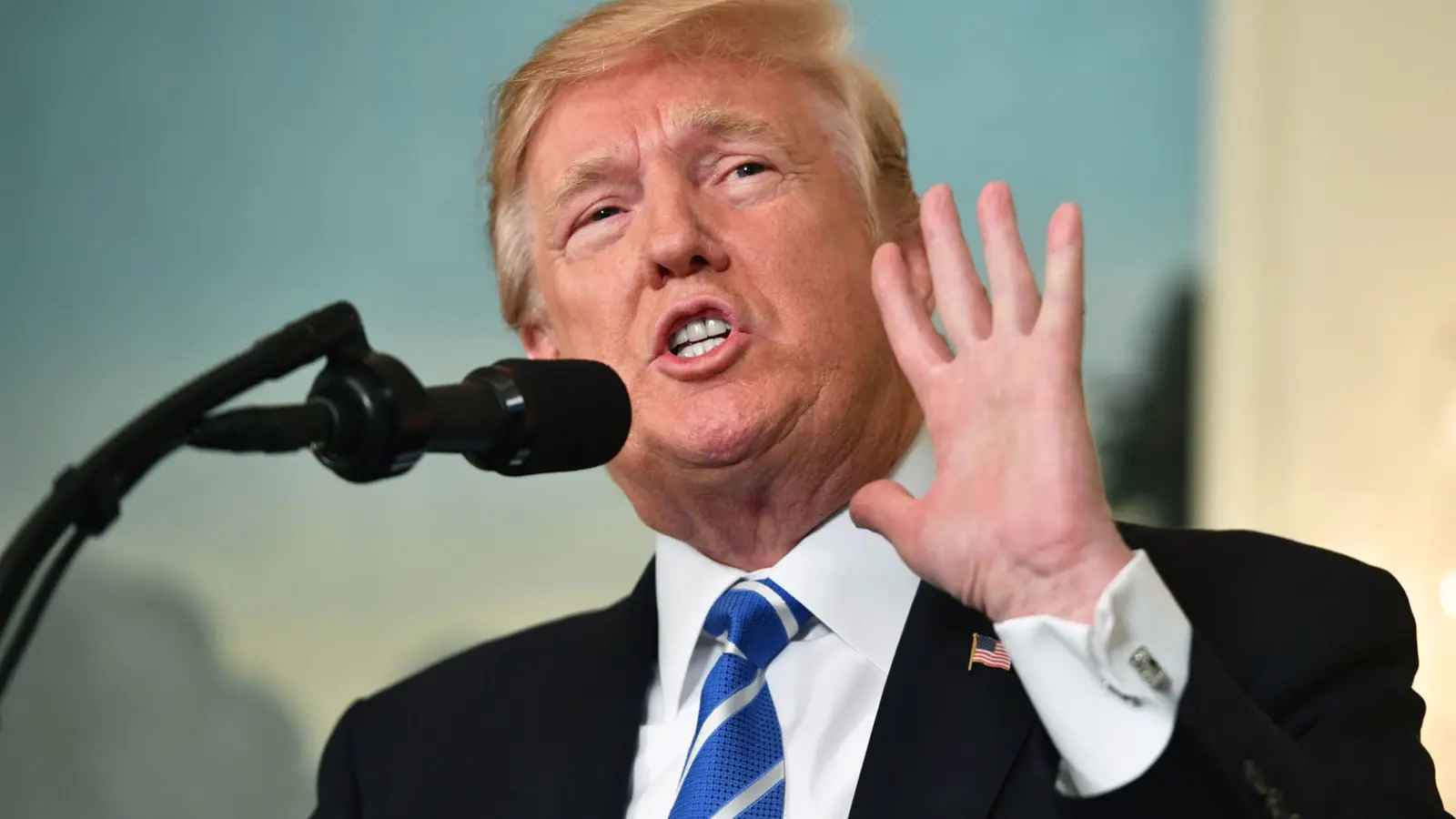
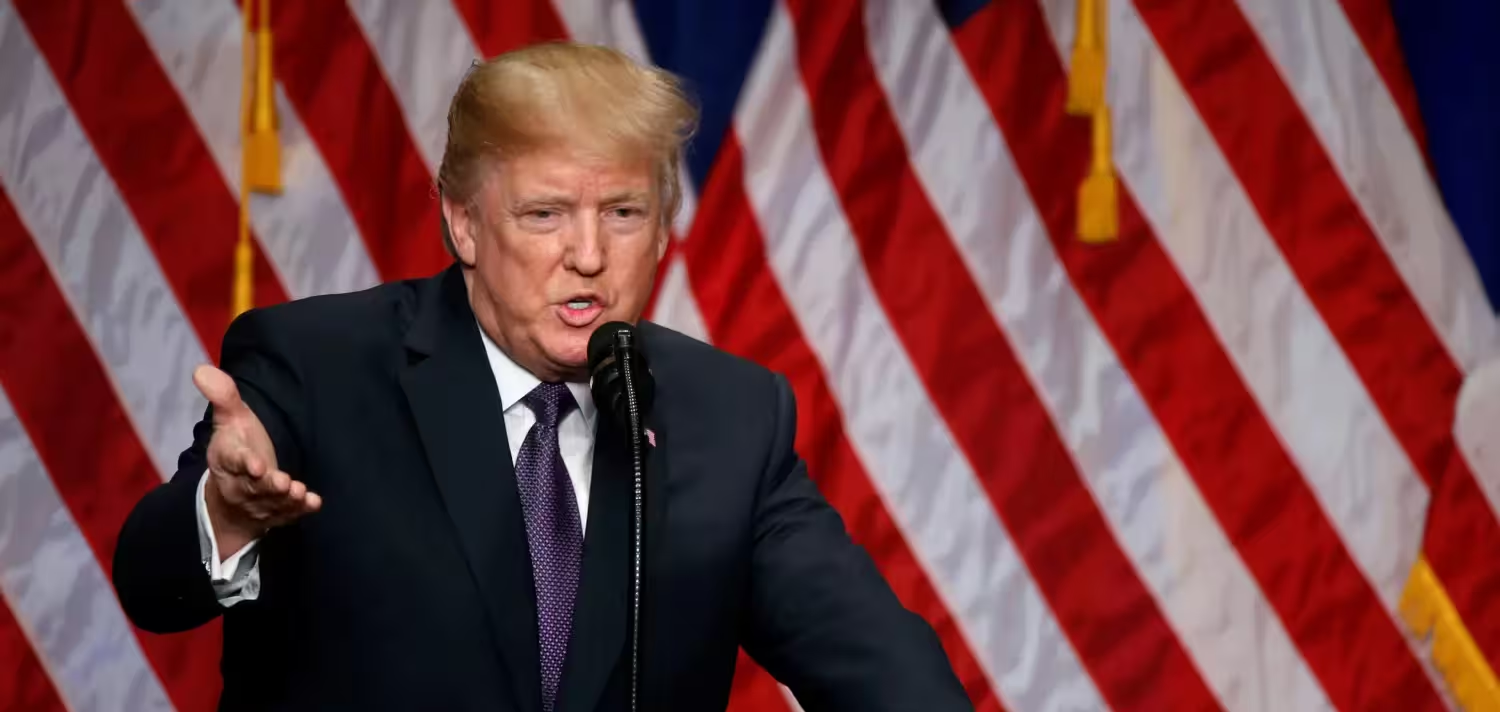
President Trump has publicly expressed concern about foreign competition in crypto. In a recent interview he said he does not want China to surpass the U.S. in cryptocurrency adoption and has voiced support for onshoring Bitcoin mining. Senior intelligence officials also flagged crypto as a technological arena where the U.S. must stay competitive. Yet these remarks did not translate into explicit policy language within the national security strategy.
Existing crypto actions from the administration
Despite the omission in the strategy paper, the administration has advanced several crypto-related measures. These include the enactment of stablecoin regulation under the GENIUS Act, executive orders establishing a crypto task force, a formal ban on a U.S. central bank digital currency (CBDC), and steps to scale back certain enforcement actions that previously affected the industry. The government has also created a Bitcoin reserve comprised of forfeited assets and is exploring budget-neutral ways to expand that stockpile.
Market impact and macro context
Markets reacted as investors digested both the national security paper and ongoing macro developments. Bitcoin fell below $90,000 briefly as traders parsed the implications. The strategy’s call for NATO allies to increase defense spending could push government borrowing and inflation higher, complicating the Federal Reserve’s path for interest-rate cuts. Crypto markets have been sensitive to expectations around Fed policy—many traders are betting on a 25 basis-point cut when the Fed meets this week, according to CME FedWatch, a move that historically encourages investment in higher-risk assets like cryptocurrencies.
What this means for crypto regulation and adoption
The absence of explicit crypto references in the national security strategy does not mean the administration lacks an agenda. Policy actions and public statements suggest continued engagement with digital finance, stablecoins, and Bitcoin-related initiatives. However, regulatory clarity tied to national-security rhetoric remains incomplete. For industry participants and institutional investors, the near-term outlook will likely be shaped as much by regulatory moves, enforcement patterns, and macroeconomic policy—especially Federal Reserve rate decisions—as by the strategy document itself.
Overall, the strategy signals the U.S. prioritizing technological leadership broadly while leaving room for future, more targeted crypto-related policies as the market and geopolitical contest evolve. Keywords: crypto, blockchain, Bitcoin, stablecoin, CBDC, digital finance, national security, Trump, Fed.













Leave a Comment
Comments
No comments yet. Be the first.