
3 Minutes
Exchange reserves drop by 400K BTC, signaling tightening supply
Over 403,000 Bitcoin BTC $89,997 have moved off exchanges since Dec. 7, 2024, representing roughly 2% of the total supply, Santiment said in an X post on Monday, citing data from its sanbase dashboard.
Since this time last year, on-chain analytics provider Santiment reports at least 400,000 fewer BTC sitting on centralized exchanges. That decline is viewed by many analysts as a bullish structural development: when coins leave exchange custody and enter cold storage or institutional coffers, the available sell-side liquidity contracts and short-term downward pressure tends to ease.
Why moving BTC off exchanges matters
Users commonly transfer Bitcoin from exchange wallets to cold storage, hardware wallets, or personal custody solutions, a behavior consistent with long-term holding strategies by retail hodlers. In Santiment's words, 'In general, this is a positive long-term sign. The less coins exist on exchanges, the less likely we’ve historically seen a major sell-off that causes downside pressure for an asset’s price.'
Institutions and ETFs absorbing supply
While retail accumulation into cold storage explains a portion of the outflows, institutional channels — notably spot Bitcoin ETFs and publicly listed companies — are also significant buyers. Bitmern Mining CEO Giannis Andreou points to data suggesting ETFs and public firms now hold more BTC than all exchanges combined, a trend corroborated by BitcoinTreasuries.net and CoinGlass snapshots.
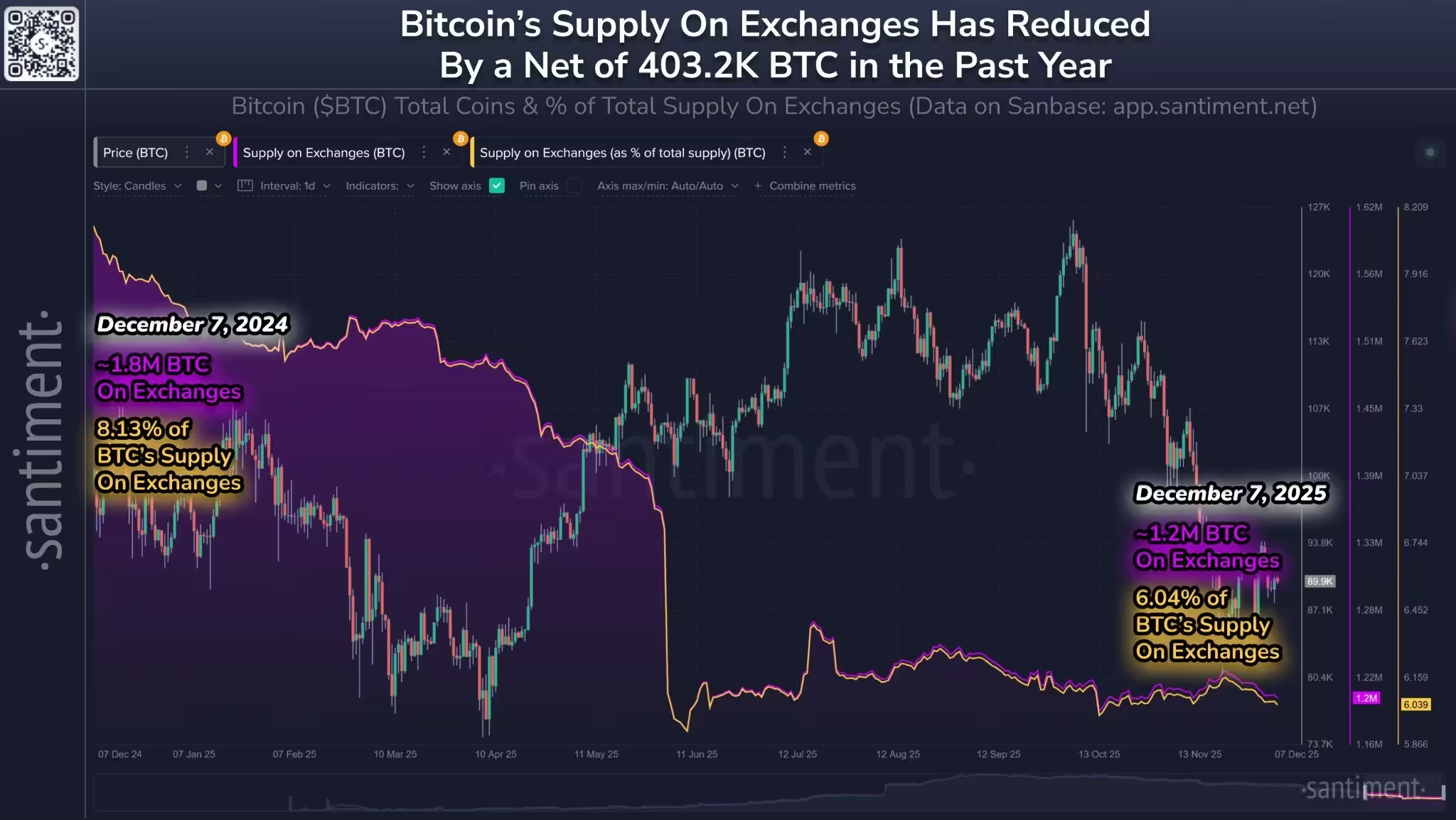
A year ago, there were around 1.8 million Bitcoin on exchanges
This shift toward regulated vehicles and long-term institutional holdings creates what some market participants call a supply squeeze. Andreou summarized the change: 'Bitcoin isn’t moving to exchanges anymore. It’s moving off them straight into institutions that don’t sell easily. The supply squeeze is building in real time.'
How large is institutional custody?
Data aggregators show ETFs holding over 1.5 million BTC and public companies holding in excess of one million, which together account for nearly 11% of total supply. CoinGlass data also indicate exchange reserves have steadily declined over the last year, dropping to roughly 2.11 million BTC during November market adjustments.
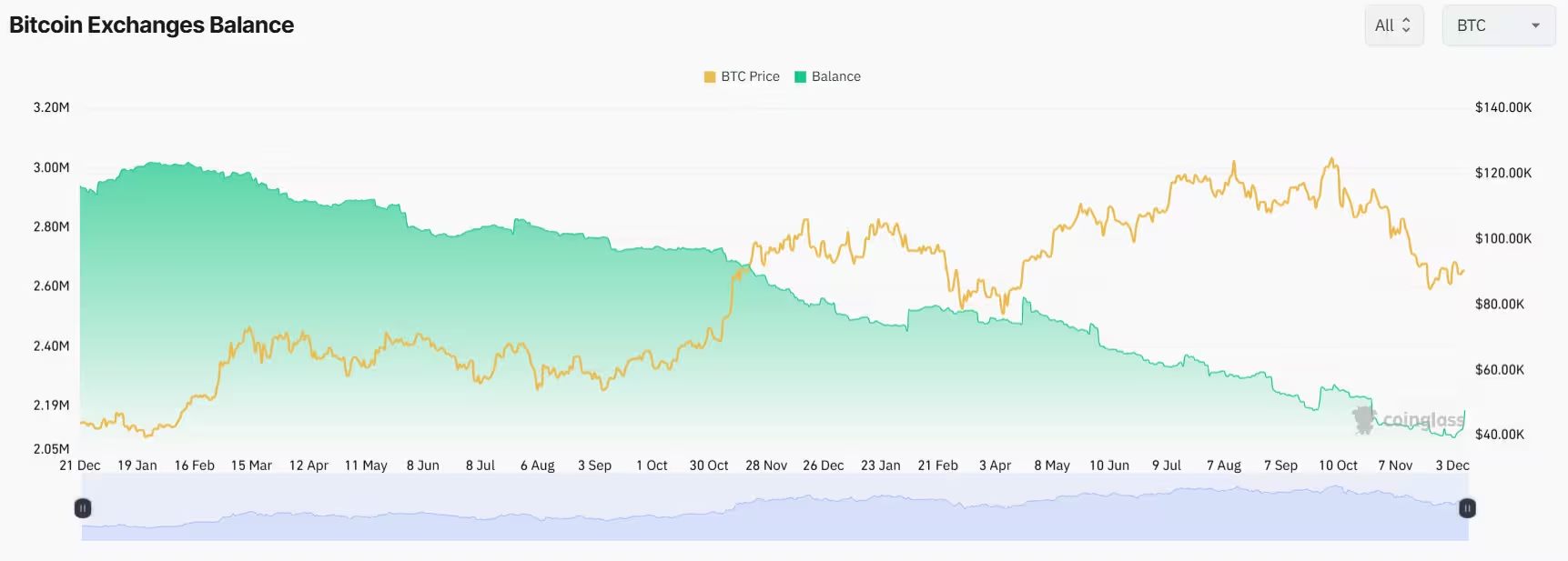
Bitcoin held on exchanges has been steadily falling over the last year
Implications for traders and long-term holders
For traders, reduced exchange liquidity can mean larger price moves on concentrated order flow and heightened volatility during news events. For long-term investors and hodlers, the trend toward institutions and cold storage generally signals stronger price reflexivity and lower risk of rapid, exchange-driven liquidations. Monitoring on-chain metrics, exchange reserves, and ETF issuance remains essential for anyone tracking Bitcoin market dynamics.












Leave a Comment
Comments
No comments yet. Be the first.