
3 Minutes
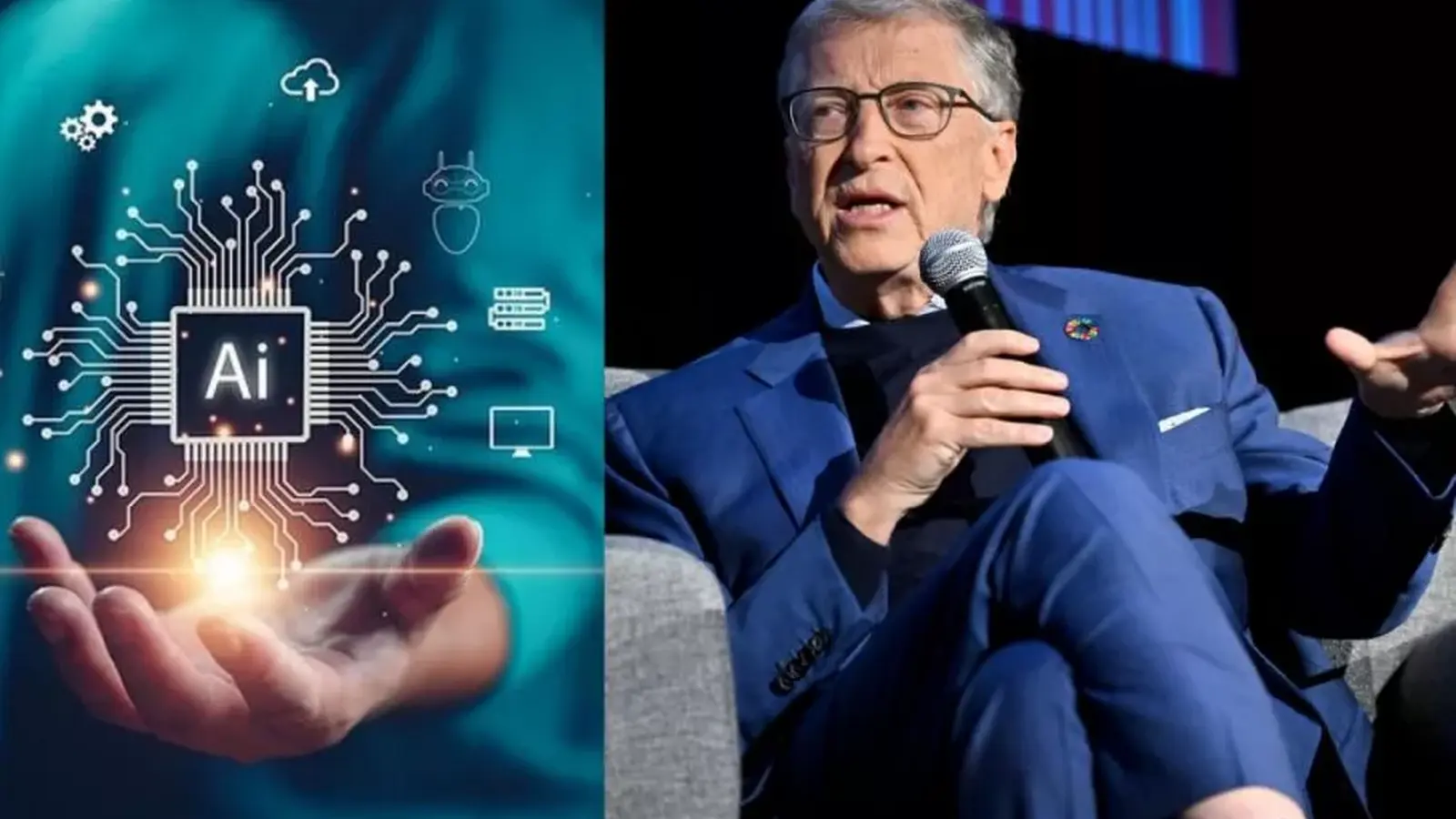
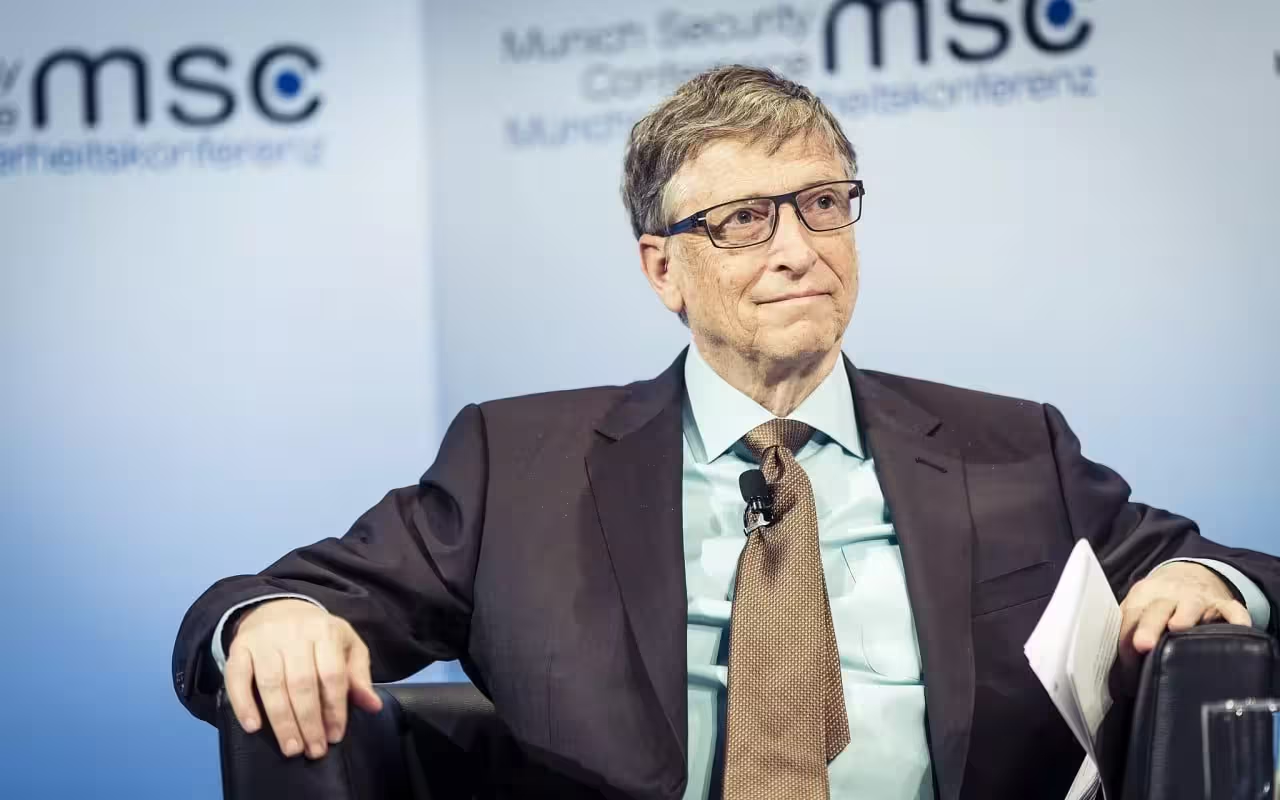
Bill Gates says the race in artificial intelligence is heating up — and not every company will make it across the finish line. Speaking at Abu Dhabi Finance Week, Gates offered a cautionary take on sky-high valuations while also highlighting AI's transformative potential for global health and development.
“High valuations don’t guarantee a win” — Gates’ blunt warning
Asked whether today’s richly valued AI firms will all become tomorrow’s winners, Gates was direct: “Are all the companies that are highly valued today going to win? Definitely not. This market is going to be fiercely competitive.” He added a nuance many investors are watching closely: “AI is bubble-like only in the sense that not all of these valuations will ultimately hold up. Some of them will fall.”
That skepticism comes as market metrics show stark disparities. Price-to-earnings ratios for some AI-exposed companies — including household names like Palantir and Tesla — have climbed well above 200, compared with roughly 25 for the average S&P 500 company. Such gaps have fueled doubts about the sustainability of recent gains, and global markets experienced a pullback in November amid growing concern about a possible AI valuation correction.
Why investors should pay attention
So what does this mean for investors and founders? First, high valuation alone is no proof of long-term dominance. In rapidly advancing fields like AI, technical breakthroughs, execution, data access, and regulatory shifts can quickly reorder the leaderboard. Second, volatility is likely — especially for companies whose business models aren’t yet proven at scale.
- Valuation vs. fundamentals: Elevated multiples increase risk if revenue and margins don’t catch up.
- Winner-take-most dynamics: AI platforms and models that capture large user bases or unique datasets may consolidate advantage.
- Market sentiment matters: Shifts in capital flows or macro conditions can trigger sharp re-pricings.
AI’s bright side: real benefits for health, education and agriculture
Despite the warnings, Gates remains bullish about AI’s real-world impact. “This technology isn’t just hype — it’s deep and real,” he told CNBC. “It will bring huge benefits in areas such as health, education and agriculture. There should be no doubt about that.”
Gates pointed to concrete philanthropic moves as evidence of AI’s promise. Last week, the Gates Foundation and allied global donors pledged $1.9 billion toward polio eradication, vaccine delivery for millions of children, and strengthening health systems to fight preventable diseases. He suggested that next year could be pivotal for global health as AI-driven tools move from pilot to practice.
Expected pilots include virtual doctors, AI systems that understand African local languages, and smart agricultural advisors to support farmers. These applications aim to expand access to care and services where traditional infrastructure is lacking — and they highlight how AI can be both innovative and practical at scale.
What to watch next
Investors and industry watchers should keep an eye on four things: company fundamentals (revenue and margins), pace of model improvement, data and infrastructure moats, and regulatory developments. Markets may reward firms that combine strong tech with clear pathways to sustainable revenue — while others, despite lofty price tags today, could see valuations cool.
In short: the AI story is far from over, but the winner list will likely be much shorter than the current roster of high-fliers. As Gates put it, the technology will reshape key sectors, but not every startup or high-valued firm will thrive in the long run.


Leave a Comment
Comments
No comments yet. Be the first.