

3 Minutes
Japan moves crypto oversight from payments to securities
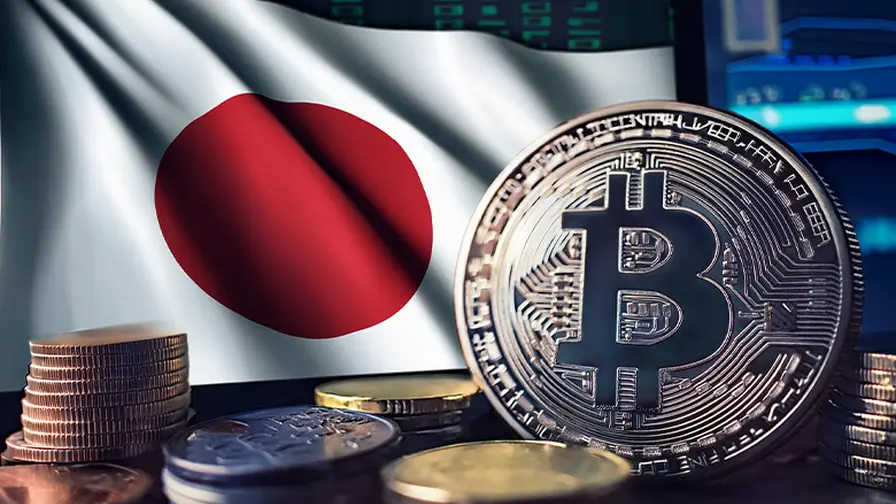
Japan's financial watchdogs are preparing a significant regulatory overhaul that would migrate crypto asset supervision out of the country's payments regime and into securities law. The Financial Services Agency (FSA) published a detailed report from the Financial System Council’s working group proposing that the legal foundation for crypto regulation shift from the Payment Services Act (PSA) to the Financial Instruments and Exchange Act (FIEA).
The rationale is simple: crypto assets are increasingly treated as investment instruments, domestically and internationally, and therefore require disclosure, governance and investor protections aligned with other financial products. The move would bring token sales, trading activity and related services under the same compliance expectations that govern securities markets.
What the FIEA shift would change
Bringing cryptocurrencies under the FIEA would tighten disclosure obligations across the board. Initial exchange offerings (IEOs) and exchange-led token sales would be subject to pre-sale disclosures similar to securities prospectuses, including details about key project entities, token issuance mechanics and distribution schedules. Independent code audits by third-party specialists would be required, and exchanges would be expected to give weight to input from self-regulatory organizations.
Issuers could no longer hide behind decentralization claims to avoid identity and operational disclosures. The working group specifically proposes mandatory identification of issuers and clear reporting on how tokens are created and allocated, improving transparency for investors and regulators alike.

Enforcement, market integrity, and cross-border platforms
The draft framework also equips regulators with stronger enforcement powers against unregistered platforms, including offshore operators and services tied to decentralized exchanges (DEXs). The report recommends explicit prohibitions on insider trading and market manipulation, echoing provisions found in the EU's Markets in Crypto-Assets (MiCA) regulation and recent measures from South Korea.
Regulatory clarity is expected to reduce systemic risk and make Japanese crypto markets more aligned with global securities standards. In practice, exchanges and token issuers could face heightened compliance costs but benefit from clearer rules that support institutional participation and investor protection.
Policy context: taxes and derivatives
The regulatory shift comes as Tokyo also evaluates tax reforms on crypto profits, including a proposal to cap taxes on crypto gains at a flat 20% rate. At the same time, the FSA has expressed caution about allowing derivatives for foreign crypto exchange-traded funds (ETFs), reportedly labeling some underlying crypto assets as "not desirable" for derivatives exposure.
These parallel policy discussions — on tax, ETFs, and securities treatment — indicate Japan's intention to build a comprehensive, market-focused framework for digital assets. For exchanges, token projects, and investors, the proposed changes underline the importance of stronger compliance, transparent disclosures, and robust code security practices.
As Japan moves toward reclassifying crypto under securities law, market participants should monitor final rulemaking closely. The shift could reshape IEO procedures, listing requirements, and cross-border enforcement, while aligning Japan's crypto regulation more closely with international standards.











Leave a Comment
Comments
No comments yet. Be the first.