
3 Minutes
Barclays flags a potential down-year for crypto in 2026
Barclays’ year-end research note paints 2026 as a transitional — and potentially slow — year for the cryptocurrency industry. The bank points to weakening retail participation and falling spot trading volumes as primary headwinds, trimming its outlook for major exchange-listed platforms while still acknowledging longer-term opportunities like tokenization and clearer U.S. regulation.
Spot trading slump and shrinking retail activity
According to Barclays, spot volumes — a critical revenue stream for retail-focused crypto exchanges — are trending lower. The bank says the market has moved away from the volatile boom-and-bust cycles that pumped retail trading in prior years. With reduced price action and fewer active traders, exchanges that rely heavily on spot trading could see earnings pressure in FY26.
Why spot volumes matter
Spot trading fees, retail order flow and heightened volatility historically drove exchange revenues during bull cycles. Barclays highlights that events such as the March 2024 approval of spot Bitcoin ETFs and political developments in 2024 temporarily boosted volumes. However, the analysts argue that comparable catalysts are scarce through 2026, making a sustained recovery in retail spot trading unlikely in the short term.
Coinbase: trimmed outlook amid diversification efforts
Barclays singled out Coinbase as a bellwether for U.S.-based exchanges. While Coinbase pursues diversification into derivatives, tokenized equities and other revenue streams, the bank lowered its price target on the exchange. The rationale: shrinking spot volumes and rising operating costs are likely to offset near-term benefits from strategic acquisitions and product expansion.
Derivatives and tokenized products are longer-term plays
Coinbase’s push into derivatives and tokenized assets could meaningfully change its revenue mix over time. Barclays, however, notes these initiatives are still early-stage — meaning material upside to earnings is unlikely in 2026 despite the strategic merit of building out derivatives trading and tokenized equities.
Tokenization and regulation: long-term tailwinds
Barclays identifies tokenization and U.S. regulatory reform as important long-term tailwinds for the sector. Institutional pilots from firms like BlackRock and onboarding moves from platforms such as Robinhood highlight growing interest in tokenized assets — from securities to real-world asset (RWA) representations. But Barclays stresses that tokenization’s contribution to earnings will be gradual.
The CLARITY Act and U.S. oversight
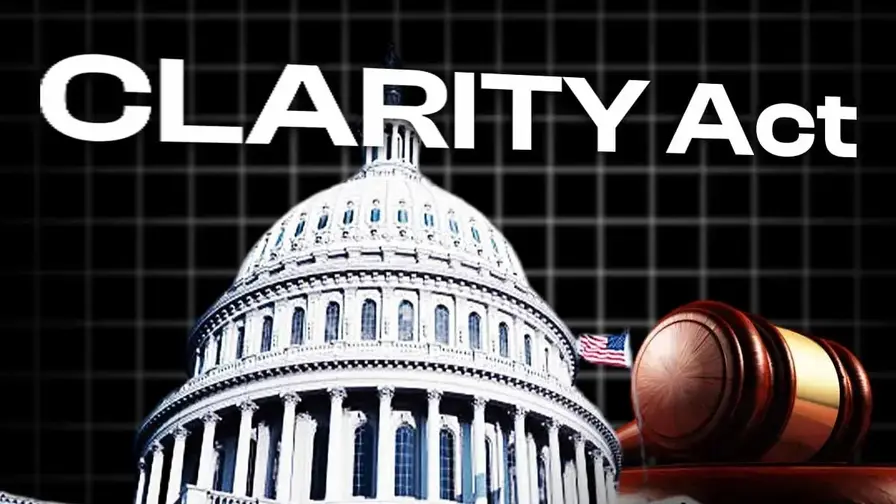
The bank points to the proposed CLARITY Act as a potential catalyst that would define whether certain digital assets fall under securities or commodities law and clarify jurisdictional boundaries between the SEC and CFTC. Barclays cautions that any regulatory progress will likely be incremental: legislation requires Senate approval and could face legal challenges before driving meaningful market activity.
Implications for exchanges, traders and investors
For crypto exchanges, Barclays’ outlook suggests a focus on cost discipline and diversification. Platforms heavily dependent on retail spot trading may need to accelerate new product launches — derivatives, tokenized equities, custody services — to offset shrinking spot revenues. For traders and investors, the bank’s assessment implies a relatively muted 2026 market environment, with fewer volatility-driven trading opportunities.
What investors should watch
Key indicators to monitor include spot trading volumes, institutional adoption of tokenized assets, regulatory milestones such as progress on the CLARITY Act, and product launches by major players like Coinbase and Robinhood. Any of these could serve as turning points, but Barclays emphasizes that near-term upside appears limited without a fresh macro or regulatory catalyst.
Bottom line
Barclays frames 2026 as a transition year: exchanges will likely face pressure from reduced retail engagement and lower spot volumes, while the industry invests in compliance, infrastructure and tokenization. Regulatory clarity in the U.S. and meaningful adoption of tokenized assets remain important long-term positives, but Barclays warns earnings and market momentum may lag as those themes evolve.











Leave a Comment
Comments (2)
Makes sense tbh. Exchanges need to tighten belts, derivatives & tokenized stuff = long game. Not sexy for traders in 26, but steady
barclays calling 2026 a down year for crypto? hmm. spot vols are tanking, retail gone, but tokenization+reg clarity could surprise. if that happens tho, big but