
3 Minutes
Recent industry reports indicate that Samsung has become Apple’s largest DRAM supplier, responsible for roughly 60–70% of memory shipments for the iPhone 17 series — and likely the iPhone 18 lineup too. The shift underscores how component-level engineering and supply capacity can reshape even the most diversified tech supply chains.
Why Samsung edged out rivals for Apple’s DRAM business
Apple traditionally spreads memory orders across multiple vendors to preserve negotiating power. But sources close to the supply chain say Samsung won the lion’s share because it can meet Apple’s unusually strict DRAM specifications at scale. Reports point to a combination of product thinness, thermal performance and consistent volume as decisive factors.
SK hynix, for example, is reportedly prioritizing high-bandwidth memory (HBM), while Samsung has refocused from HBM to DDR5 and LPDDR5X to capture mobile demand. That strategic pivot, plus Samsung’s manufacturing headroom, appears to be why its chips dominate shipments for both current and upcoming iPhone families.

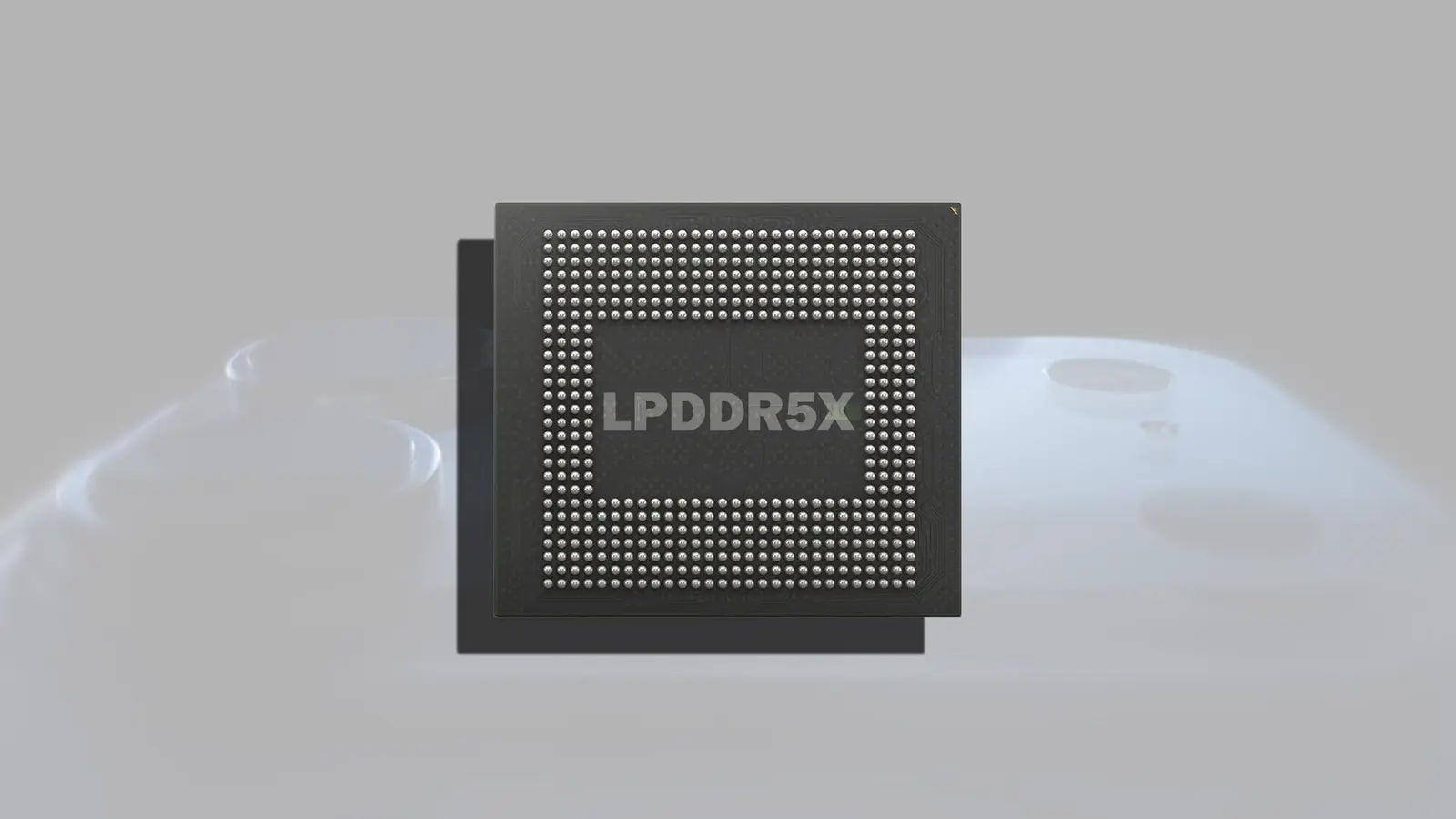
What Samsung’s LPDDR5X brings to iPhone performance
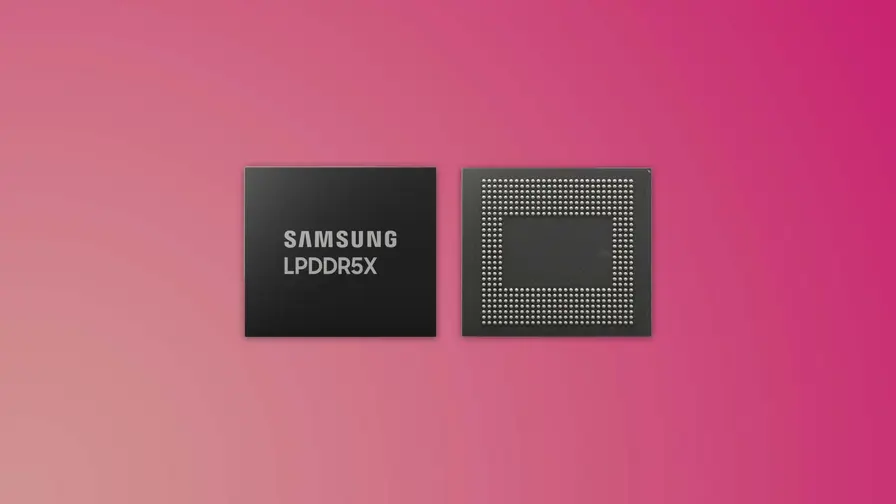
Apple’s next phones — rumored to ship with six-channel LPDDR5X memory — will demand low-latency, stable power delivery and excellent thermal characteristics to support on-device AI and higher bandwidth workloads. Samsung’s 12GB LPDDR5X modules reportedly measure only 0.65mm thick, and company data claims roughly 21.2% better thermal resistance and 25% lower power draw compared with previous designs. For chipset pairs like the A19/A19 Pro and future A20 series, which limit momentary voltage spikes, those attributes matter a lot.
Key technical advantages
- High-volume DDR5/LPDDR5X production suited to Apple’s scale
- Thinner 12GB modules (about 0.65mm) that save board space
- Improved thermal resistance and reduced power consumption
- Compliance with Apple’s tighter specifications beyond JEDEC standards
Market impact: prices, profits and supply stability
The DRAM shortage has pushed prices higher this year. Industry estimates suggest a 12GB LPDDR5X chip went from about $30 early in the year to roughly $70, a jump that boosts supplier revenue and margins. Some analysts predict the shortage could add substantially to Samsung’s operating profit through 2026.
Apple’s ability to place very large orders — and to offset costs through in-house SoC and modem production — makes it easier for the company to absorb higher DRAM prices without immediate retail-price shocks. Still, a concentrated DRAM supply from a single vendor could change negotiating dynamics and risk profiles if demand or pricing slips unexpectedly.
Why this matters beyond the balance sheet
Think about what memory choice means for everyday users: better thermal control and lower power draw can extend battery life while sustaining performance for on-device AI tasks. For Apple, locking down a supplier that can consistently match those engineering needs reduces launch risk for large new features tied to memory bandwidth.
As iPhone 18 development continues and its rumored six-channel LPDDR5X architecture looms, Samsung’s role in Apple’s memory stack is one of the clearest examples yet of how hardware partnerships influence product capabilities and company profits.








Leave a Comment
Comments
No comments yet. Be the first.