
3 Minutes
Dacia’s new C-Neo emerges as a practical crossover-wagon
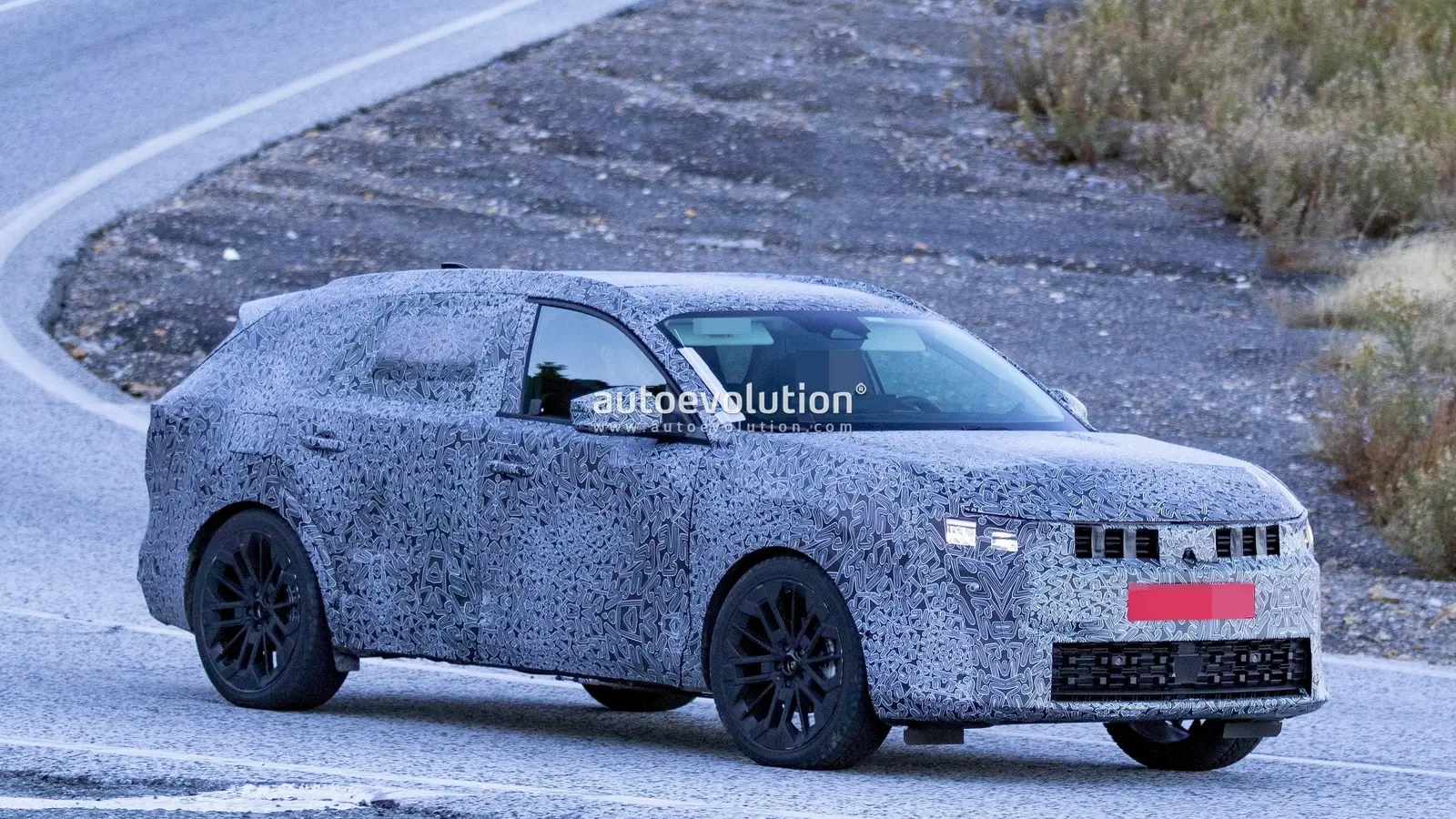
Spy photos and recent CGI previews show Dacia quietly developing a new model under the codename C-Neo — a crossover-flavored station wagon aimed at buyers who want the cargo practicality of an estate with a raised ride height and rugged styling. Spotted testing in Southern Europe, the prototype looked production-ready, carrying conventional station-wagon proportions but with noticeably generous ground clearance and SUV-inspired design cues.
Design cues and exterior details
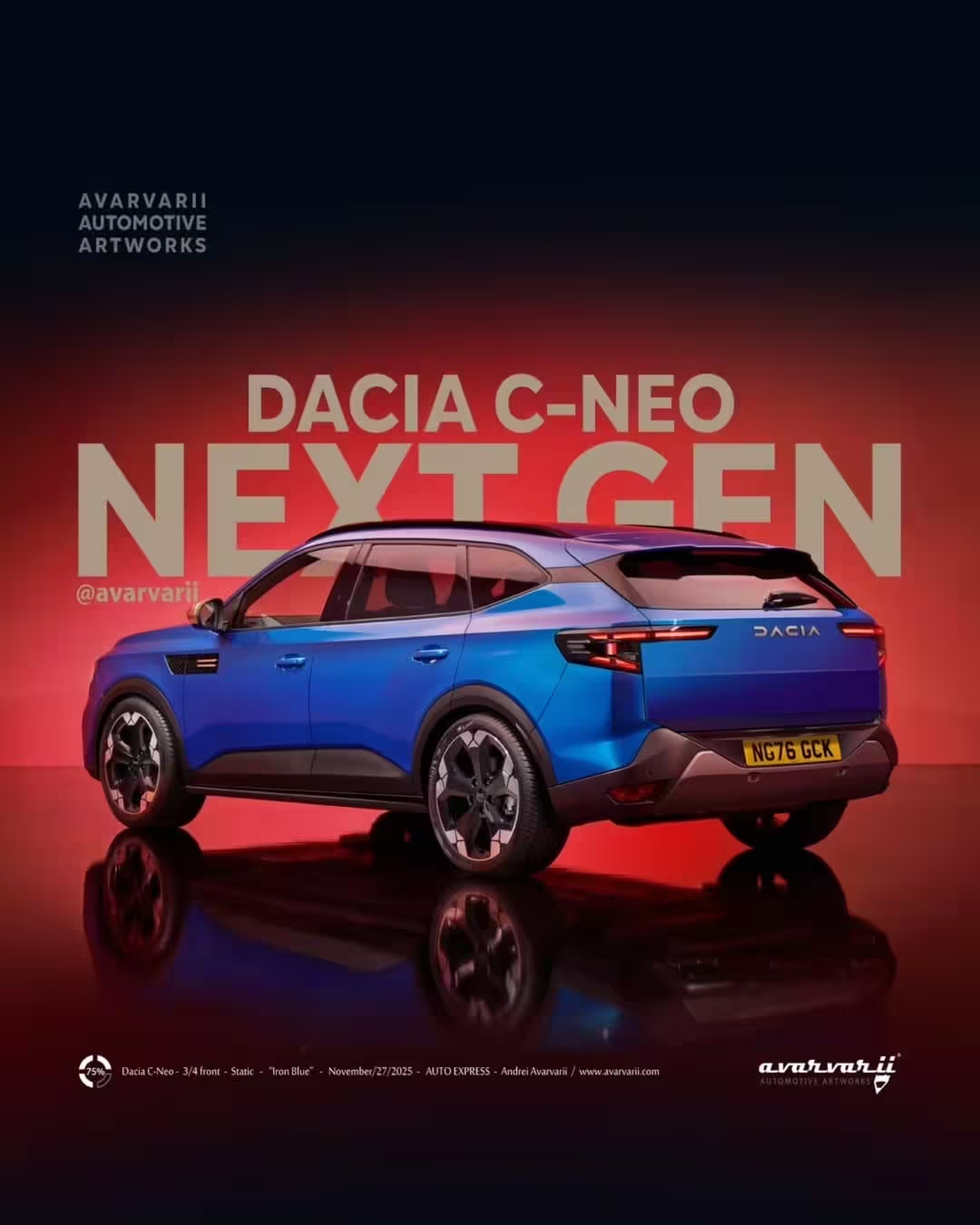
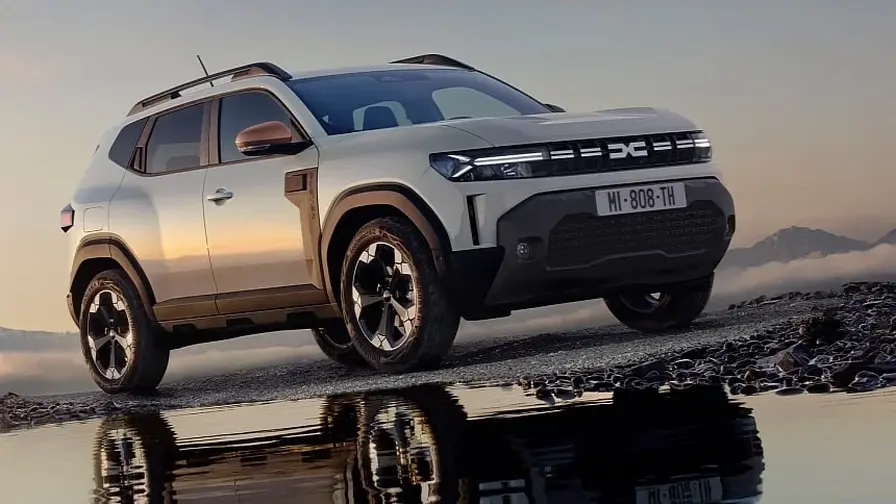
The test mule revealed several recognizable Dacia traits: angular headlight clusters, a bonnet that echoes the Duster and Bigster family, and a square, functional lower front bumper. Wheel-arch cladding, traditional door handles and a slightly arched roof that finishes with a subtle spoiler all point to a clean, pragmatic aesthetic. At the rear, thin LED taillights are positioned to allow a wide opening into a likely capacious cargo area; the license plate sits recessed in the rear bumper and the tailgate appears uncluttered.
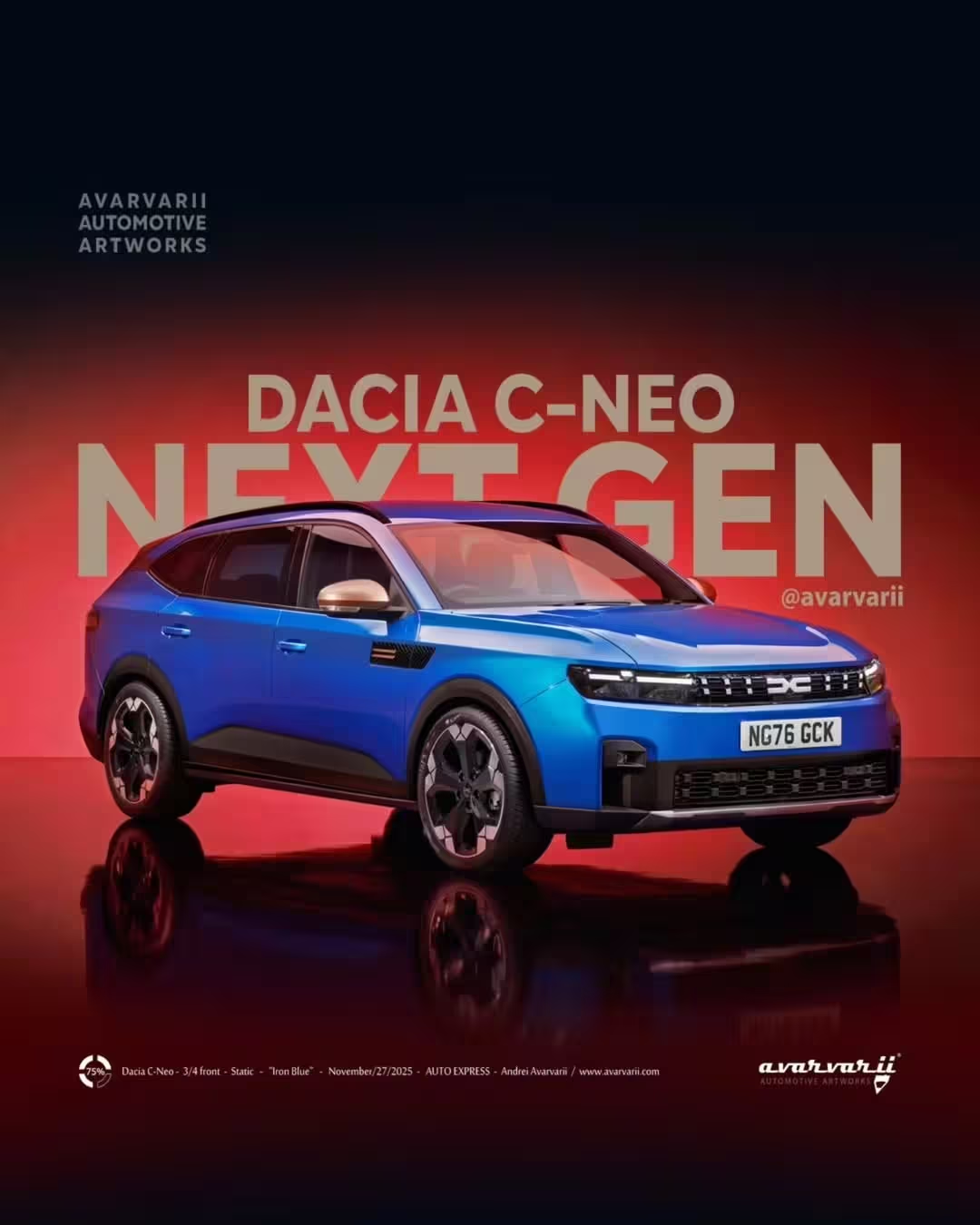
- Angular headlights and LED taillights
- Raised ground clearance for light off-road ability
- Clean tailgate with wide trunk aperture
These elements suggest Dacia is targeting buyers who value function over flash — a core brand strength — while nudging the model toward a more upmarket rival like the Skoda Octavia Combi.
Platform and powertrain — what to expect
Underpinning the C-Neo is expected to be the Renault-Nissan Alliance’s CMF-B architecture, meaning component sharing with models such as the Clio, Captur, Nissan Juke and several other compact cars and crossovers. That architecture supports a variety of powertrains, and Dacia will likely follow its SUV siblings’ lead with:
- Mild-hybrid petrol options
- A full-hybrid option
- Conventional petrol and LPG choices
This mix would keep running costs competitive and broaden appeal across Europe, where LPG and economical hybrid choices remain attractive.
Interior, practicality and seating
Given the lengthy rear overhang visible on the test car, cargo capacity should be a major selling point. The tailgate layout and taillight positioning indicate a wide, usable load bay that will appeal to families and active owners. However, don’t expect seven seats: Dacia already covers that niche with the Jogger. Inside, anticipate the brand’s pragmatic materials and durable plastics rather than premium trimmings — a consistent position in Dacia’s value-driven lineup.
Market positioning and rivals
The C-Neo will likely square up against estate and touring variants such as the Skoda Octavia Combi, SEAT Leon Sports Tourer, Hyundai i30 Tourer and Toyota Corolla Touring Sports. If launched as expected, a Renault-badged variant for select markets wouldn’t be surprising, broadening reach outside Europe while Dacia keeps a cost-focused offering for its core regions. North America remains unlikely given the brand’s current strategy.
"Practical, affordable and slightly raised" is the simple brief behind this model. Expect an official debut next year, with final specs, trims and exact powertrain choices announced closer to launch.
Whether you want cargo-minded practicality or a no-nonsense estate with mild SUV styling, the C-Neo looks set to offer a compelling, value-focused alternative in the touring segment.











Leave a Comment
Comments
No comments yet. Be the first.