
3 Minutes
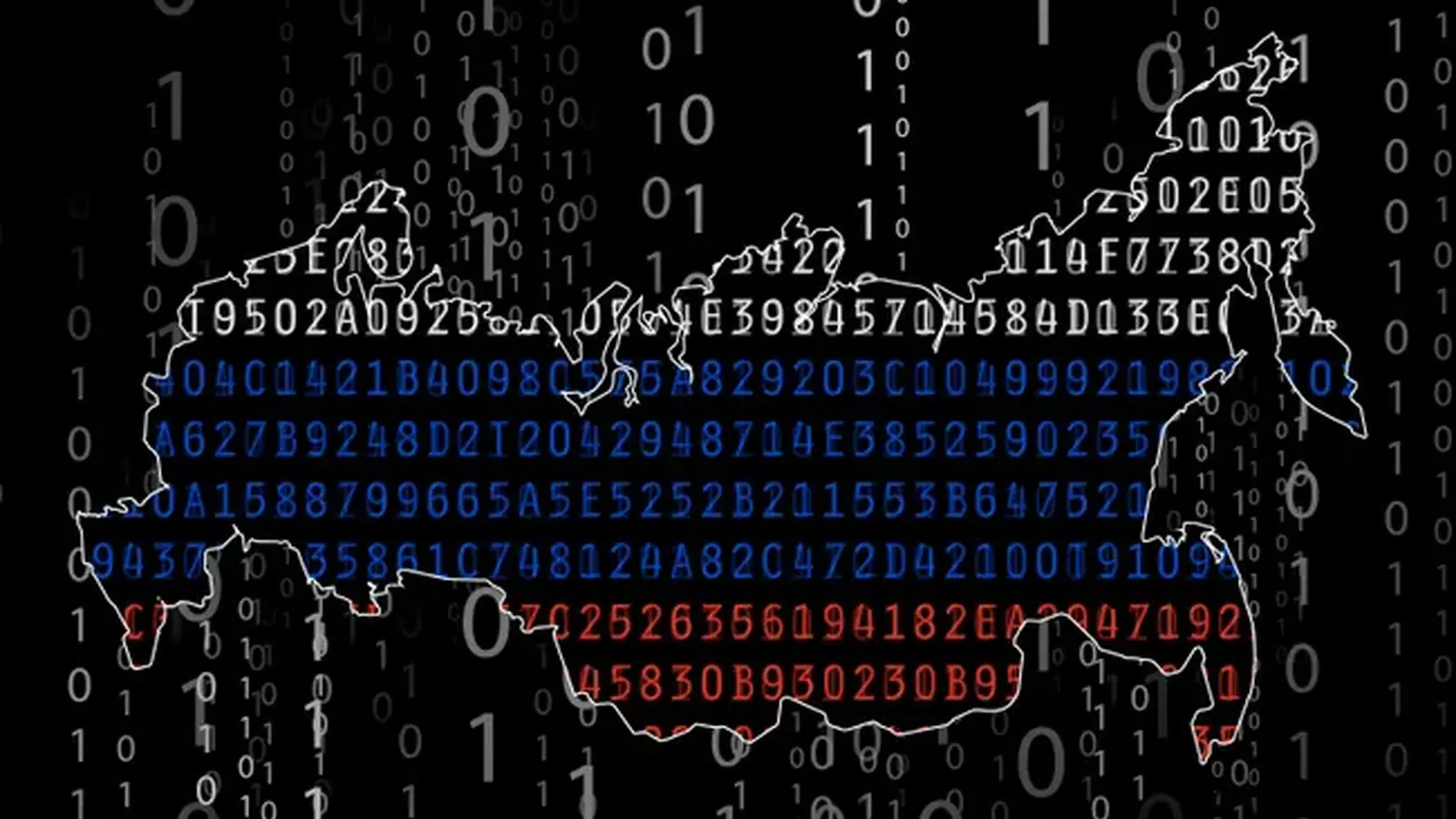
Russia's effort to build a closed national internet has entered a new phase, and virtual private networks (VPNs) are squarely in the crosshairs. From expanded legal powers to AI-driven traffic analysis, 2025 reshaped how people and providers access censored content—and 2026 looks set to raise the stakes.
2025: The year that reset expectations
Last year proved particularly hard for VPN users and developers inside Russia. Regulators ramped up deep packet inspection (DPI) and other traffic-analysis tools, forcing many common VPN protocols offline. As one Russian VPN developer put it, only protocols that can convincingly mimic other network traffic remain reliable, and even those survive only when carefully tuned.
That pattern hit mainstream services too. Some big-name providers pulled physical infrastructure from Russia years ago, and others report intermittent connectivity: Stealth or obfuscation modes work for many users but can fail when authorities begin blocking IP ranges. Windscribe even logged an almost 90% drop in Russian traffic during one wave of new blocks.
How Russia is upgrading its digital censorship toolkit
Legal changes have matched technical advances. A late-2025 government decree broadened Roskomnadzor's remit, enabling the agency to block services directly rather than routing orders through ISPs. Experts are calling the regulator a 'super-regulator' because it can now deploy DPI across operator nodes and take immediate action.
- Roskomnadzor stepped up blocks last year, removing more than a million pages and thousands of materials that promoted VPNs.
- Laws now carry new fines for accessing 'extremist' content via circumvention tools, creating a chilling legal backdrop for ordinary users.
- Pressure is mounting on Apple and Google to restrict VPN apps in local app stores.
Which VPNs still work—and why results vary
Not all providers face the same outcomes. Smaller, specialized projects and tools that use obfuscation—examples include XRay variants, NaiveProxy and Hysteria—often stay a step ahead because they're harder to fingerprint. Some homegrown protocols, repeatedly updated, keep working for particular use cases but require constant maintenance.
Major Western services give mixed accounts. A representative from one provider said they do not operate in Russia under current conditions, while others note that stealth modes and rapid routing changes let many users connect some of the time. The reality is volatile: IP-range blocks, signature updates, and targeted filtering mean connection success can change day to day.
What's coming in 2026: more money, more AI, more pressure
Expect an escalation. Authorities have budgeted significant sums to strengthen VPN-blocking capabilities and to deploy AI-powered traffic filtering systems designed to detect circumvention tools more accurately. That means smarter DPI, quicker signature updates, and a growing emphasis on detecting previously stealthy protocols.
At the same time, the Kremlin is incentivizing use of domestic apps and services. The push toward local ecosystems makes circumvention appear not only technical but political, raising the cost of bypassing censorship for ordinary users and businesses alike.
Options for users, companies, and the industry
So what can people and providers do? A few pragmatic approaches are already in play:
- Use advanced obfuscation protocols and keep clients updated; signature changes are a constant, and well-maintained tooling helps.
- Businesses can apply for whitelisted enterprise VPNs, although many commercial services face the same blocking techniques as consumer tools.
- The VPN industry is pushing for international coordination: advocacy, knowledge sharing, and public campaigns to defend the legitimacy of circumvention tools.
In short, the battle is shifting from a war of individual tools to a broader fight over legal authority, budgets, and the narrative around privacy software. For global readers, the takeaway is clear: what happens next in Russia will matter beyond its borders, shaping how nations, companies, and users think about VPNs and digital rights.


Leave a Comment
Comments (2)
I've seen similar DPI setups in a lab, they update signatures overnight. Small VPN projects adapt but burnout is real, and ordinary users end up paying the price.
Is this even true? Feels like gov PR plus AI hype, but if DPI really sniffs obfuscation then VPNs are in trouble... Who's independently verifying any of this?