
2 Minutes
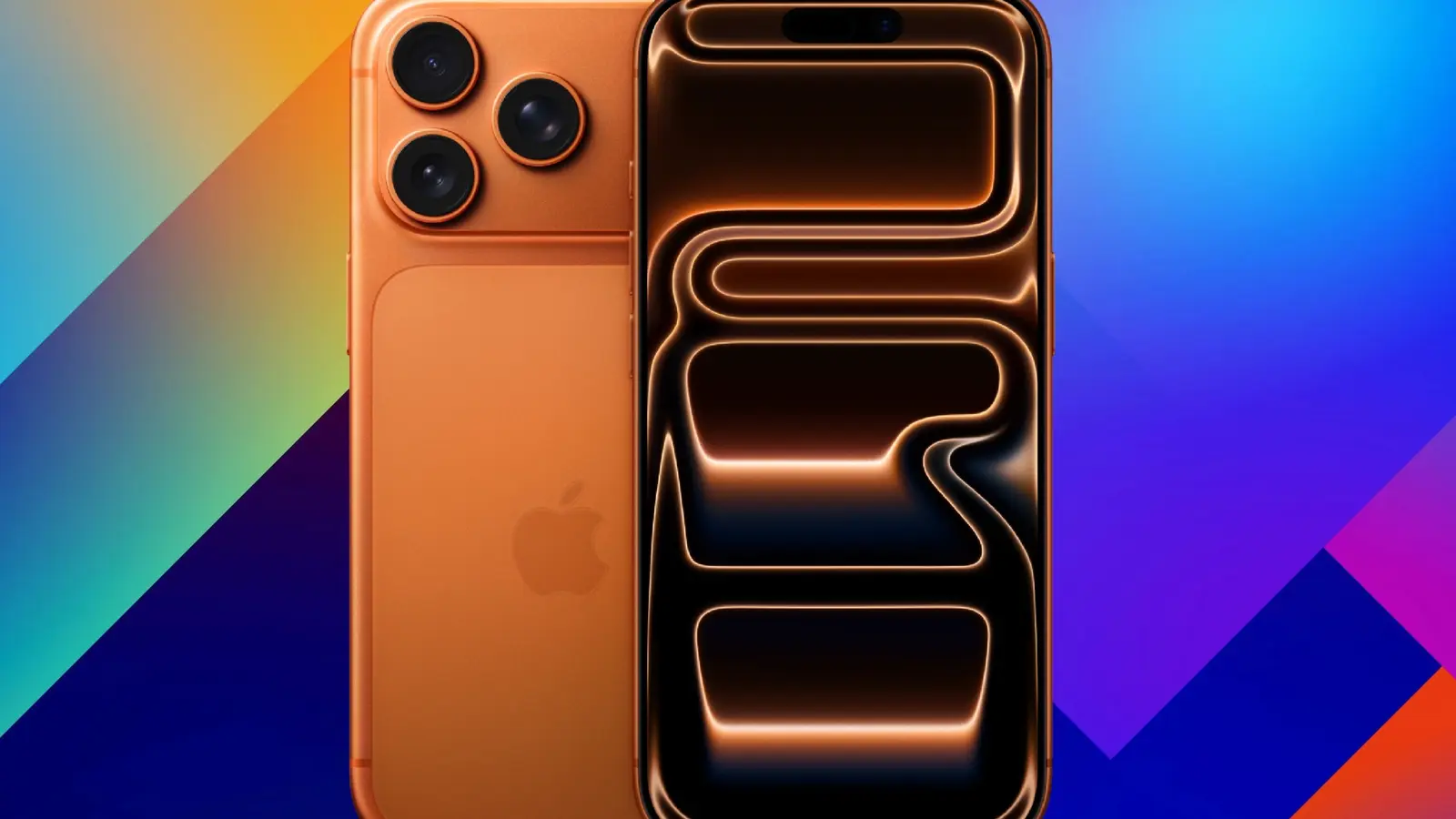
Rumors out of China suggest Samsung is prioritizing its best OLED displays for Apple's iPhone 18 lineup, leaving Samsung's own Galaxy flagship with more familiar screens. If true, this shift could reshape expectations for brightness, under-display Face ID, and the next wave of premium phone displays.
Samsung and Apple: a behind-the-scenes supply shuffle
Reports indicate Samsung will supply Apple with next-generation LTPO+ OLED panels that are noticeably brighter than current options. BOE — once a rising supplier for Apple — is reportedly struggling to meet Apple’s brightness and LTPO+ requirements, so production is being rerouted to manufacturers that can hit those targets: Samsung, and possibly LG.
What LTPO+ means for the iPhone 18
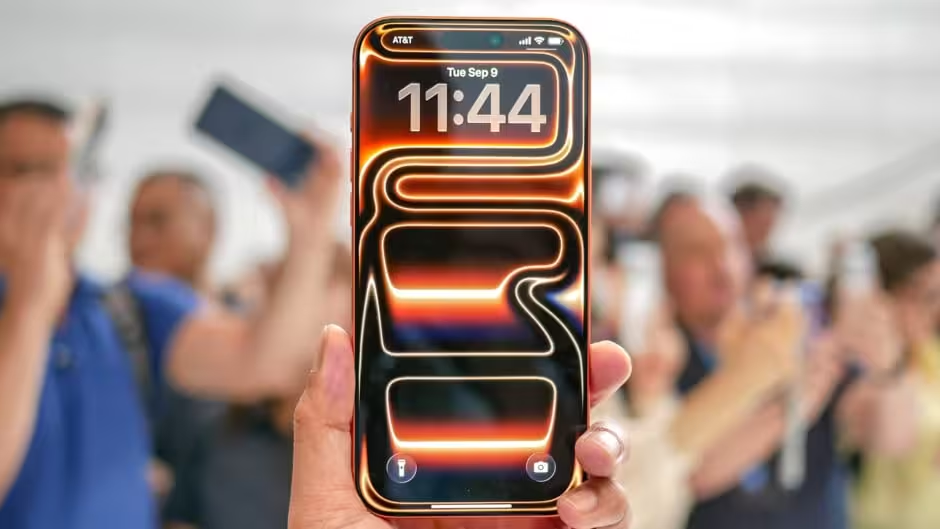
LTPO+ is the kind of panel tech that enables high efficiency and variable refresh rates, but in this case the biggest headline is brightness. Brighter displays improve outdoor readability and HDR viewing, and they can also enable new hardware layouts. The rumor says these panels could let Apple move Face ID under the screen, potentially shaving away the notch and creating a cleaner, uninterrupted display.
Imagine this
Picture an iPhone 18 with a screen that stays usable under harsh sunlight, with sensors tucked beneath the glass. That sounds like a tangible upgrade that users notice every day — not just a spec on a sheet.
What about Samsung's own Galaxy S26?
Meanwhile, chatter around the Galaxy S26 suggests Samsung may keep the same displays as the S25 family. In short: Samsung could be diverting its highest-tier panels to Apple, while Galaxy buyers see incremental changes rather than a major display leap this cycle.
Why this matters for the industry
- Supply chain dynamics: If BOE can’t meet specs, Apple will lean on proven suppliers like Samsung and LG, reinforcing their lead in premium OLED production.
- Competitive optics: Samsung making its best panels for a rival raises questions about priorities — and how that affects brand perception for Galaxy phones.
- Product differentiation: Apple could gain a visible advantage (brighter screens, under-display Face ID) that influences buyer choice, even if other specs are similar.
For consumers, the immediate takeaway is simple: the next iPhones could look brighter and cleaner, while Samsung's own flagships may stick with familiar displays for now. For the market, it underscores how display manufacturing strength remains a strategic asset — and that access to the best panels can be a deciding factor in who leads the premium smartphone race.

Leave a Comment
Comments
No comments yet. Be the first.