
3 Minutes
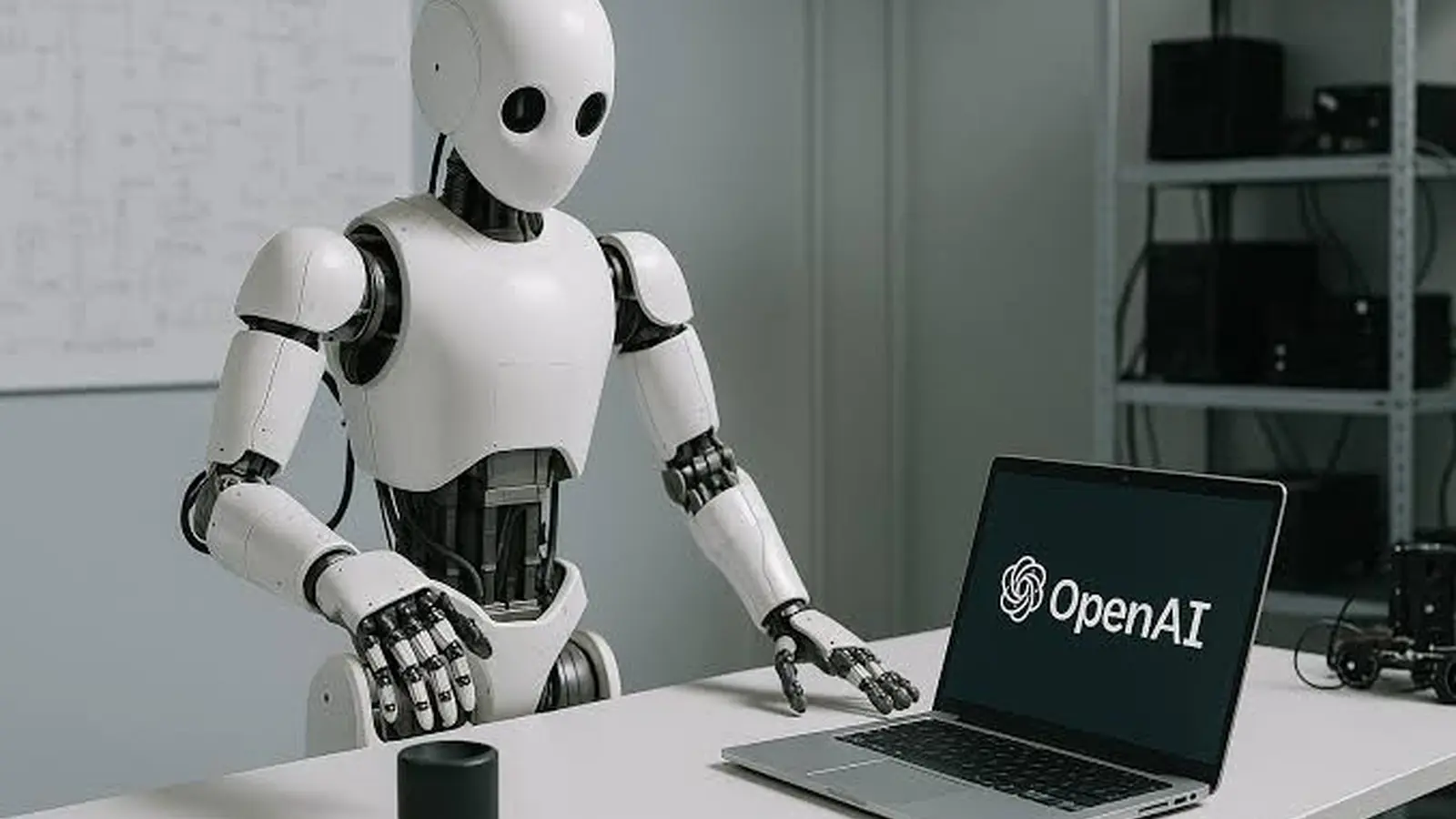
OpenAI has quietly moved into physical robotics, building a San Francisco lab that runs around the clock to teach low-cost robotic arms household skills. The work focuses less on headline-grabbing humanoid bodies and more on collecting massive, human-operated datasets — a practical step toward more dexterous robots.
Tiny robots, big data: why toasters and laundry matter
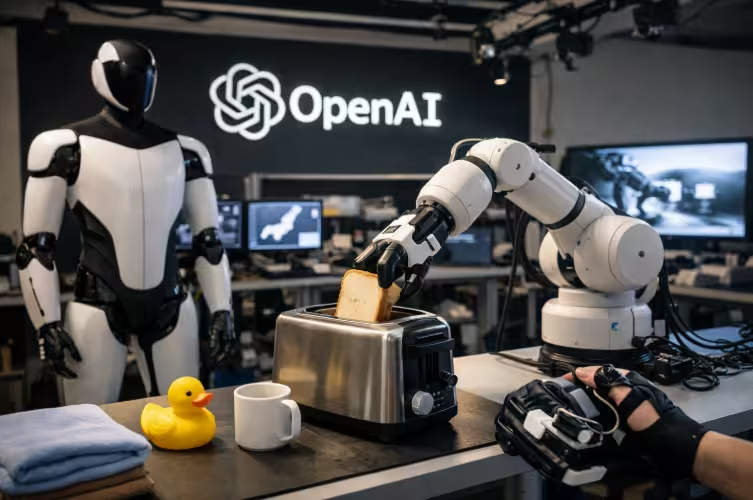
What looks mundane — dropping bread into a toaster or folding a shirt — is actually strategic. Since February 2025, OpenAI's robotics lab has expanded to more than four times its original size and now runs 24/7. The team operates robotic arms remotely to capture real human actions, producing the kind of training material experts say robotics desperately needs.
Inside the lab, roughly 100 data collectors and at least a dozen robotics engineers guide robotic arms to perform everyday tasks. Rather than chasing full humanoid hardware, the lab focuses on low-cost manipulators that can repeatedly practice real-world chores. The idea: gather vast, high-quality data first, then scale the models and hardware later.
Hands-on control: the GELLO controller
A key tool in this work is a 3D-printed controller known as GELLO. The device maps a human hand's movements directly to a robotic arm, letting operators demonstrate fine motor tasks in a natural motion. Those demonstrations are recorded and used to train models that translate human intent into physical action.
Instead of relying solely on simulations or engineered tasks, OpenAI is prioritizing human-generated examples. This mirrors how language models learned from vast corpora of human text: good data drives better generalization. In robotics, experts increasingly argue that the algorithmic gap is smaller than the data gap — collecting rich, varied demonstrations is the real bottleneck.
Scaling quietly: a second lab and a long game
OpenAI is reportedly planning a second robotics site elsewhere in California, underscoring a longer-term commitment. Even so, full humanoid robots aren’t the immediate goal. The current effort is about laying the foundations — teaching manipulation, perception, and reliable control through dense datasets — so future, more ambitious hardware has a solid intelligence layer to build on.
What this could mean for consumers and industry
- Smarter household robots: Better training data could speed progress toward assistive devices that actually fold laundry and handle everyday chores.
- Faster iteration: Low-cost arms let teams iterate quickly, lowering the barrier to practical robot behaviors.
- Data and safety questions: Large-scale human-operated datasets raise questions about collection practices, labeling, and deployment safety — all areas developers and regulators will need to monitor.
Imagine a future where a robot reliably folds a shirt or loads a toaster the way a human would. OpenAI’s secretive, methodical approach — focusing on modest hardware and massive human data — is an attempt to make that vision less speculative and more engineering-driven. For now, the company is quietly stacking the building blocks that could pave the way to more capable, general-purpose robots.











Leave a Comment
Comments
No comments yet. Be the first.