
2 Minutes
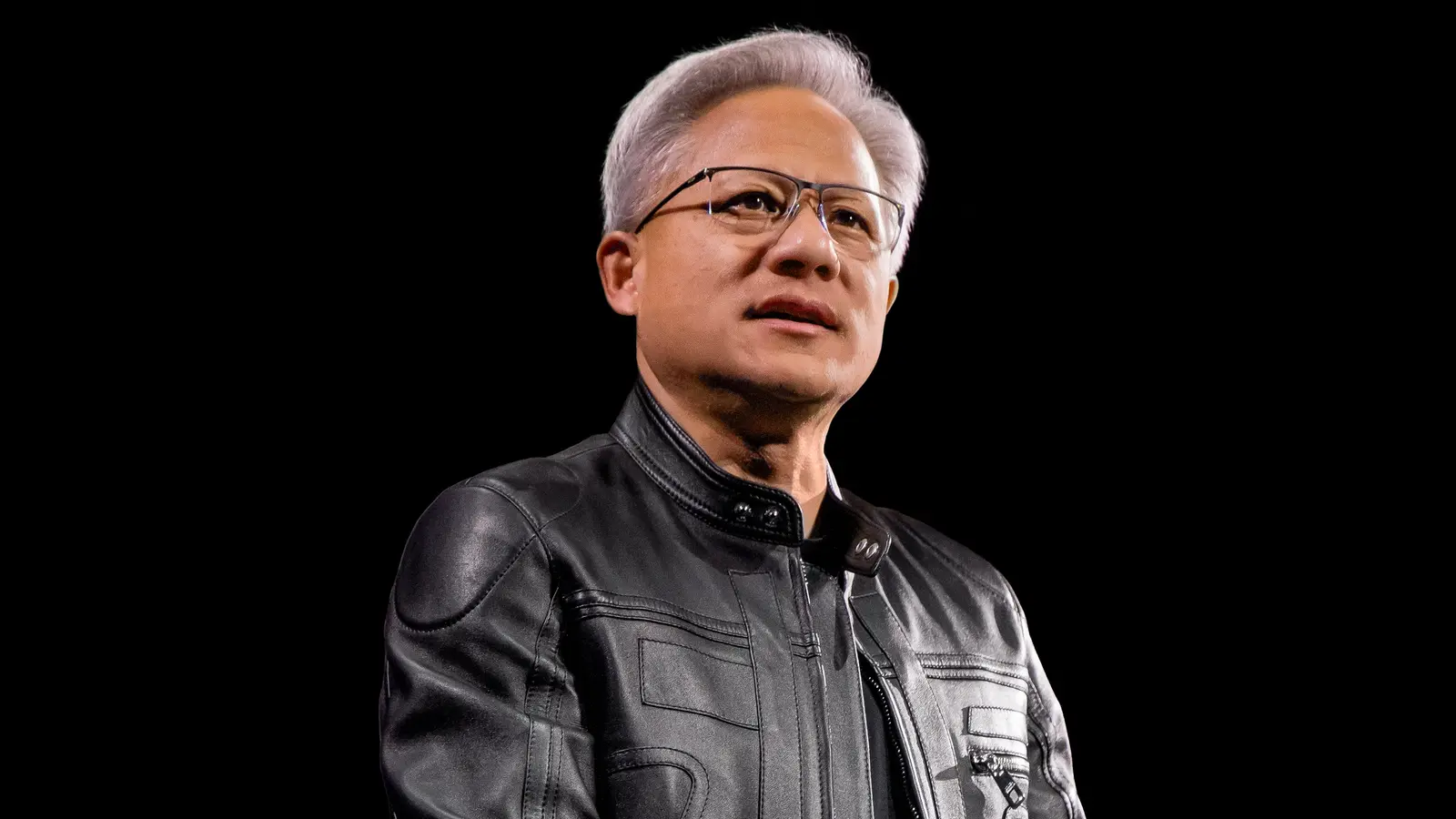
NVIDIA CEO Jensen Huang has arrived in Shanghai as Beijing-tightened controls and a sudden customs halt on H200 AI chips cast fresh uncertainty over one of the world’s most contested supply chains. The visit, part cultural tradition and part high-stakes diplomacy, comes as companies and investors watch for answers that haven’t yet come.
H200 shipment stopped in Hong Kong — the facts so far
Only days before Huang’s trip, shipments of NVIDIA’s H200 accelerators were stopped by Chinese customs after arriving via Hong Kong. Officials have offered no formal explanation and NVIDIA itself has been unusually quiet, leaving customers and markets guessing whether the restriction is temporary or a sign of tighter enforcement.
- H200 is among the most powerful AI chips approved for sale to China under recent U.S. export rules.
- Washington reopened exports in December after a lobbying push, but U.S. clearance alone didn’t prevent the customs hold.
- Major local cloud and internet firms—Alibaba, Tencent and ByteDance—are reportedly buying H200s only for mission-critical projects.
- Limited availability has driven up prices on the grey market and increased procurement headaches for AI deployments in China.
More than a shipment: why this matters to the US–China tech fight
Imagine a supply chain where a single customs note can reshape project timelines and pricing. That’s the reality now. This episode signals a shift from blanket bans to a subtler playbook: selective blocks, administrative delays, and quiet pressure. For the U.S., targeted export controls aim to restrict advanced capabilities without severing commercial ties. For China, intermittent holds and regulatory nudges push domestic firms to accelerate local chip development while keeping global tech options open—if politically feasible.
The upshot: more friction, longer lead times, and rising costs. NVIDIA can still operate in China, but every shipment looks increasingly like a political negotiation as much as a business transaction.
What companies should watch next
- Official clarifications from Chinese customs or the Ministry of Commerce—any statement could quickly alter market expectations.
- NVIDIA’s public messaging and supply commitments to Chinese customers.
- Procurement behavior from local hyperscalers: broad purchases would signal easing; selective buys confirm risk-aversion.
- Price movements in secondary markets and the pace of domestic AI chip rollouts in China.
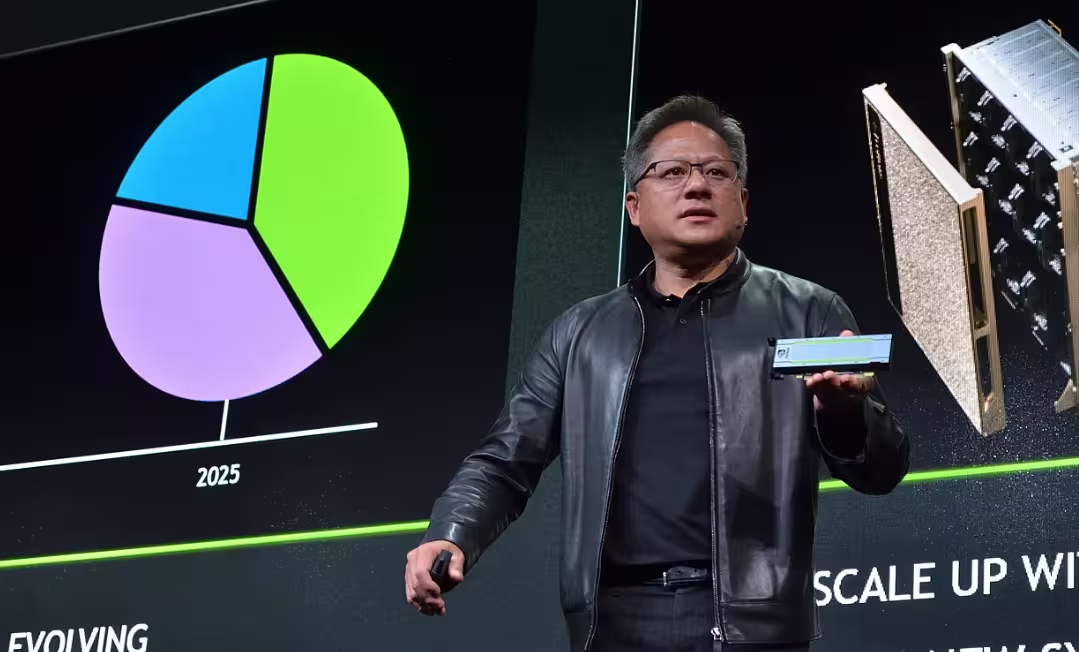
Jensen Huang’s tour of Shanghai, with planned stops in Beijing and Shenzhen, is inevitably more than a ceremonial Lunar New Year visit. It’s part damage control, part relationship management—and a live test of how commercial ties endure when geopolitics sets the terms.












Leave a Comment
Comments
No comments yet. Be the first.