
3 Minutes
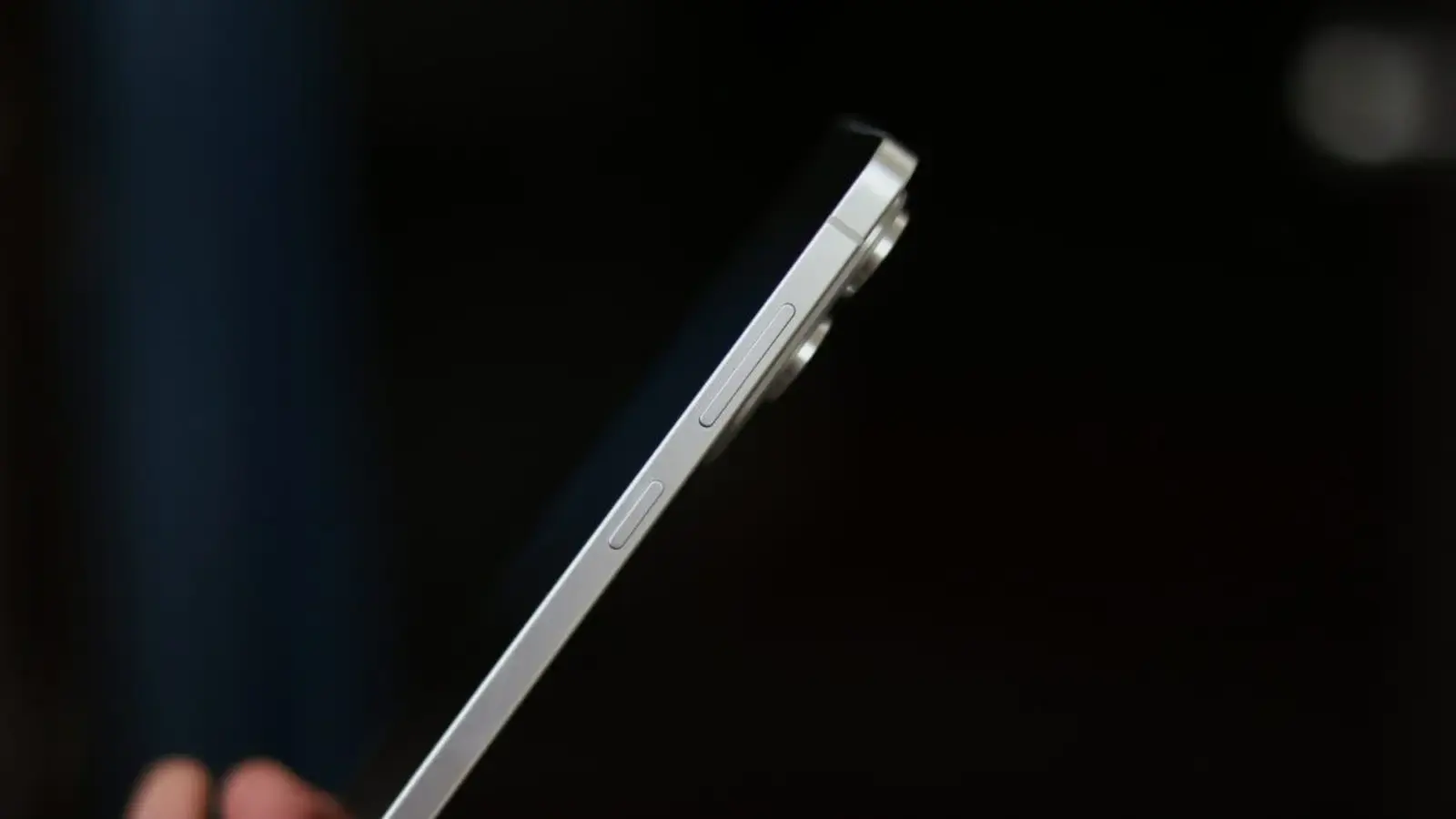
Apple's iPhone Air launch looked like a bold pivot: flagship specs in an ultra-thin shell. But early sales and steep price cuts suggest the market may not be buying what the makers are selling — literally. Samsung's decision to drop the Galaxy S26 Edge now looks like a cautious, perhaps prescient, response to the same problem.
Thin phones had their moment — but did customers care?
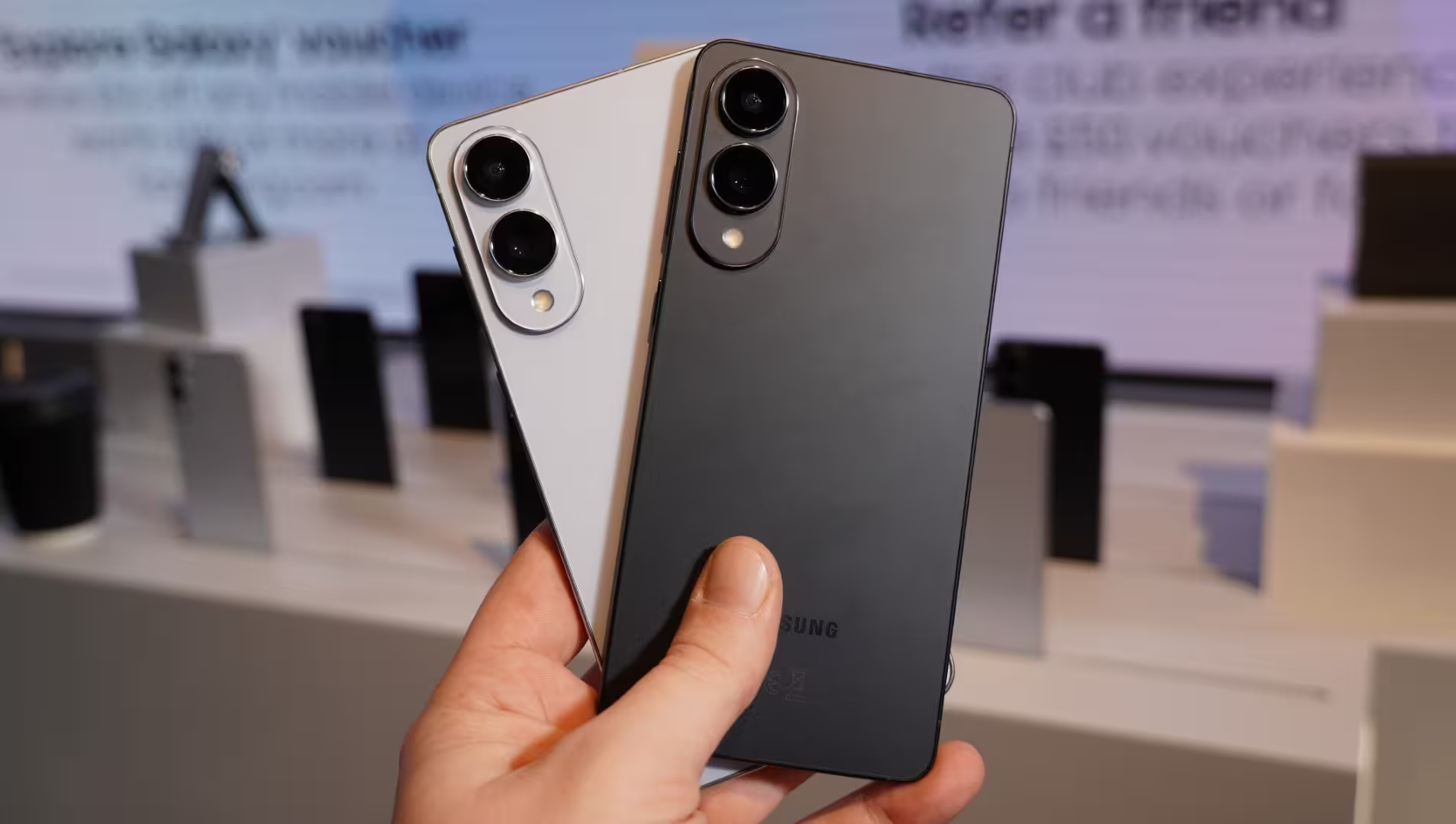
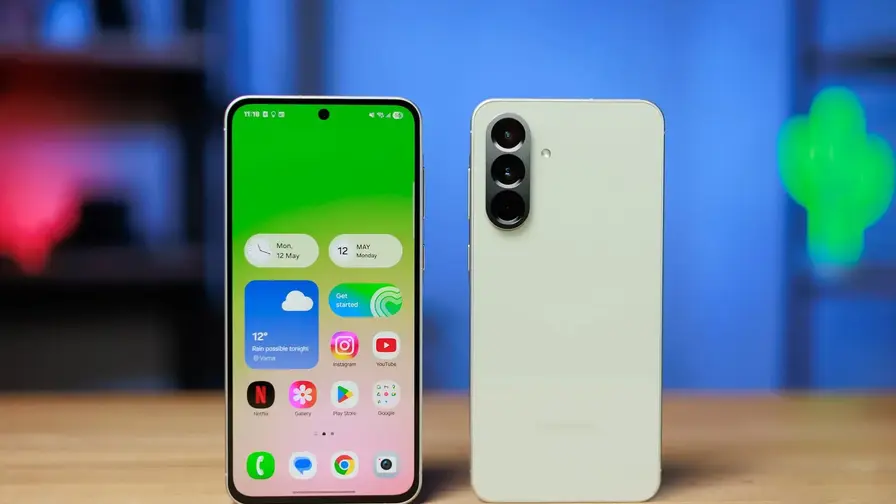
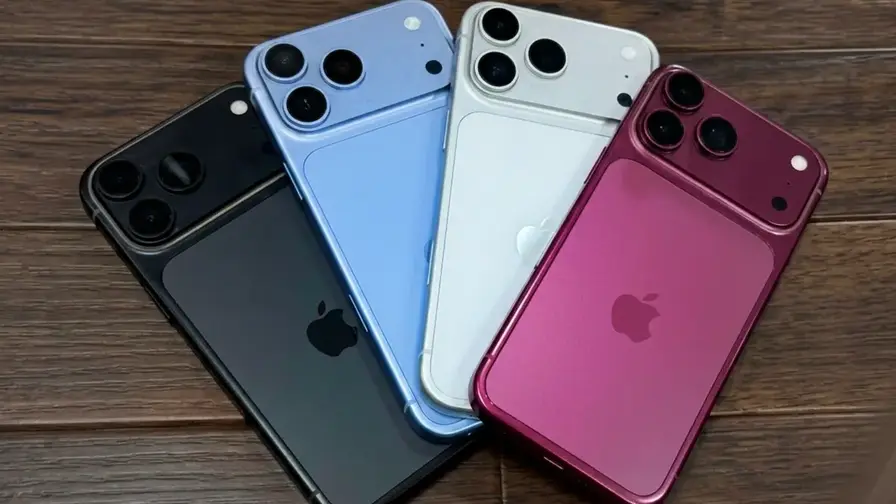
From 2021 to 2024 Samsung shipped a three-phone Galaxy S lineup each year: base, Plus and Ultra. In 2025 the company expanded to four models with the Galaxy S25 Edge, its first recent attempt at pairing high-end hardware with an ultra-thin chassis. Apple answered with the iPhone Air, another slim flagship aimed at buyers who want premium performance in a lighter package.
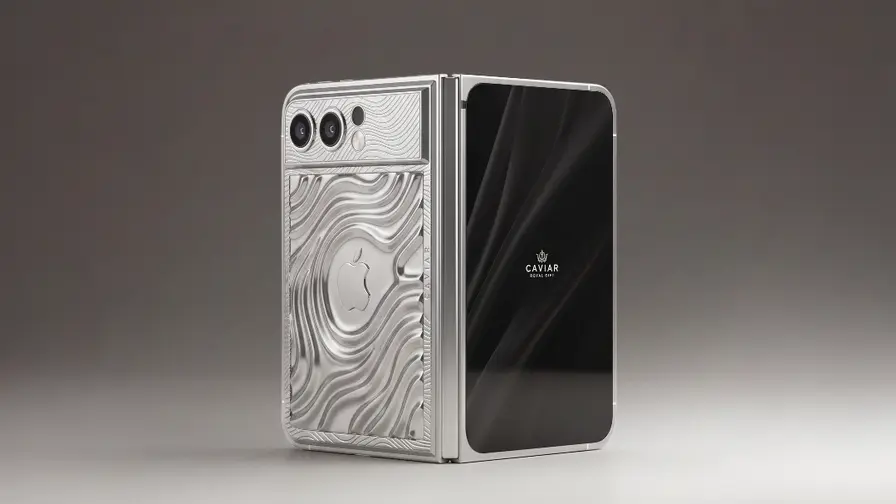
So far, demand hasn’t matched the makers' expectations. Multiple reports show Apple trimming iPhone Air pricing across regions to stimulate sales. In China the device launched at CNY 7,499 and has been discounted to CNY 5,499 — roughly a 21% cut. In India the list price fell from INR 119,900 to INR 94,990, a drop of about 20%.
Why the market cooled on ultra-thin flagship phones
There are a few practical reasons consumers may be wary. Ultra-thin designs often force trade-offs: smaller batteries, fewer thermal headroom options and sometimes higher fragility. When a phone costs flagship money, buyers expect long battery life and robust durability. If an ultra-thin model underdelivers on those fronts, it feels like a downgrade wrapped in a sleeker body.
There’s also the value question. The differences between a standard flagship and its ultra-thin sibling can be marginal for everyday users — a few millimeters in thickness or a slightly different camera bump. That makes it harder to justify a premium. Combine that with higher manufacturing costs and the result can be a limited, more niche demand curve.
Samsung cancels the Galaxy S26 Edge — was it the right call?
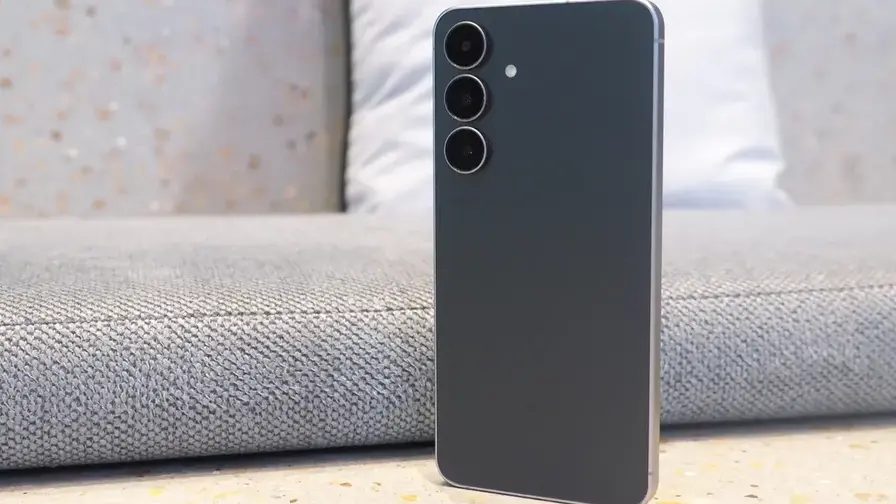
Samsung scrapped the Galaxy S26 Edge, reportedly because the S25 Edge struggled to find buyers. Given Apple’s price slashing on the iPhone Air and the same demand signals, Samsung’s retreat feels less like a defeat and more like a strategic recalibration. Rather than doubling down on a risky form factor, the company appears to be refocusing on variants that deliver clearer advantages for most buyers.
That said, the idea of a featherweight flagship still has appeal for a specific group: minimalists, frequent travelers and anyone who prioritizes pocketability. The question for OEMs is whether that group is large enough to sustain recurring, profitable product lines.
Can the iPhone Air 2 turn things around?
Apple reportedly plans an iPhone Air 2 with fixes that address early complaints. If Apple boosts battery capacity, improves durability and fine-tunes price positioning, the sequel could perform better. But success hinges on translating incremental engineering wins into perceived real-world value for mainstream buyers.
In short, both manufacturers are testing the limits of design trade-offs. The thin-flagship experiment produced striking devices, but a striking look isn’t always enough to move the market. Imagine a phone that feels like a premium accessory but also lasts all day and survives daily knocks — that’s the balance makers still need to achieve.
Expect more cautious moves from both brands: refined hardware, sharper messaging, and pricing that reflects consumer priorities rather than design ambitions alone. If Apple and Samsung get that mix right, thin flagships may yet find a sustainable niche — but for now, the market is sending a clear signal.



Leave a Comment
Comments
No comments yet. Be the first.