

3 Minutes
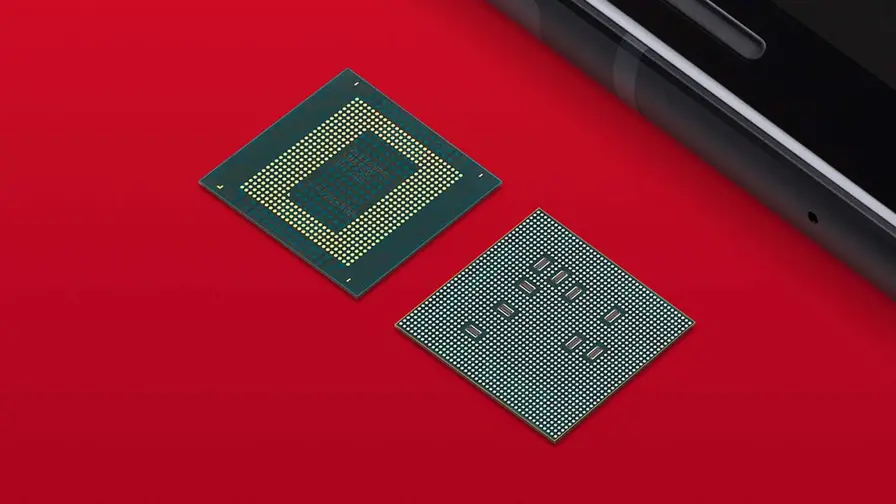
Qualcomm is reportedly preparing a two-tiered version of its next flagship SoC, and early leaks claim the higher-end Snapdragon 8 Elite Gen 6 Pro could hit desktop-class clock speeds. Lab tests may already have topped 5GHz, with a theoretical ceiling whispered as high as 5.5–6.0GHz — though 5.5GHz is considered the more plausible peak for consumer devices.
Leaked test numbers that sound like desktop silicon
The rumor originated on Weibo from well-known tipster Fixed Focus Digital, who says early testing has produced clock speeds near 5GHz. The same source suggests the absolute upper limit could fall between 5.5GHz and 6.0GHz, with 5.5GHz viewed as the most realistic target. While the post never names the chip directly, the specs line up with expectations for Qualcomm’s next flagship.
How Qualcomm could hit those higher clocks
Two technical shifts are most often credited with making these numbers possible:
- HBP (Heat Pass Block): a thermal approach first highlighted on Samsung’s Exynos 2600 that integrates a tiny heatsink directly into the chip package to move heat away from the cores more efficiently.
- Advanced 2nm fabrication: TSMC’s N2P node promises better power efficiency and headroom for higher peak frequencies compared with previous generation processes.
Together, a more aggressive package-level cooling solution and a denser, more efficient process node could let Qualcomm push peak clocks higher than the Snapdragon 8 Elite Gen 5, which tops out around 4.61GHz on its performance cores. Select partner or region-exclusive variants have historically nudged clocks a bit higher, too.

Real-world performance: why peak clocks aren’t the whole story
Hitting 5GHz in a lab snapshot is impressive on paper, but mobile devices are constrained by surface area, battery life, and thermal limits. Expect these high frequencies to translate into short bursts of exceptional responsiveness rather than continuous desktop-style performance.
Consider these practical outcomes:
- Quick burst performance for gaming and single-threaded tasks.
- Potential throttling under sustained heavy loads unless manufacturers add advanced cooling to the phone chassis.
- Battery drain trade-offs when running at peak clocks for extended periods.
Qualcomm already markets 5GHz-class chips on the PC side, such as the Snapdragon X2 Elite Extreme, so bringing similar peak numbers to smartphones is a logical next step. Whether daily-use phones will sustain those peaks depends on handset design, software power management, and how aggressively OEMs tune thermals.
What to watch next
If these rumors are accurate, expect further leaks from test benches, early benchmarks, and OEM partner hints over the coming months. Watch for manufacturers experimenting with improved cooling or new materials in flagship models to make the most of those peak frequencies.
In short: a 5GHz-capable smartphone CPU is plausible, the path to 5.5GHz+ is narrower, and real-world gains will hinge on thermal engineering as much as raw silicon.








Leave a Comment
Comments
No comments yet. Be the first.