
3 Minutes
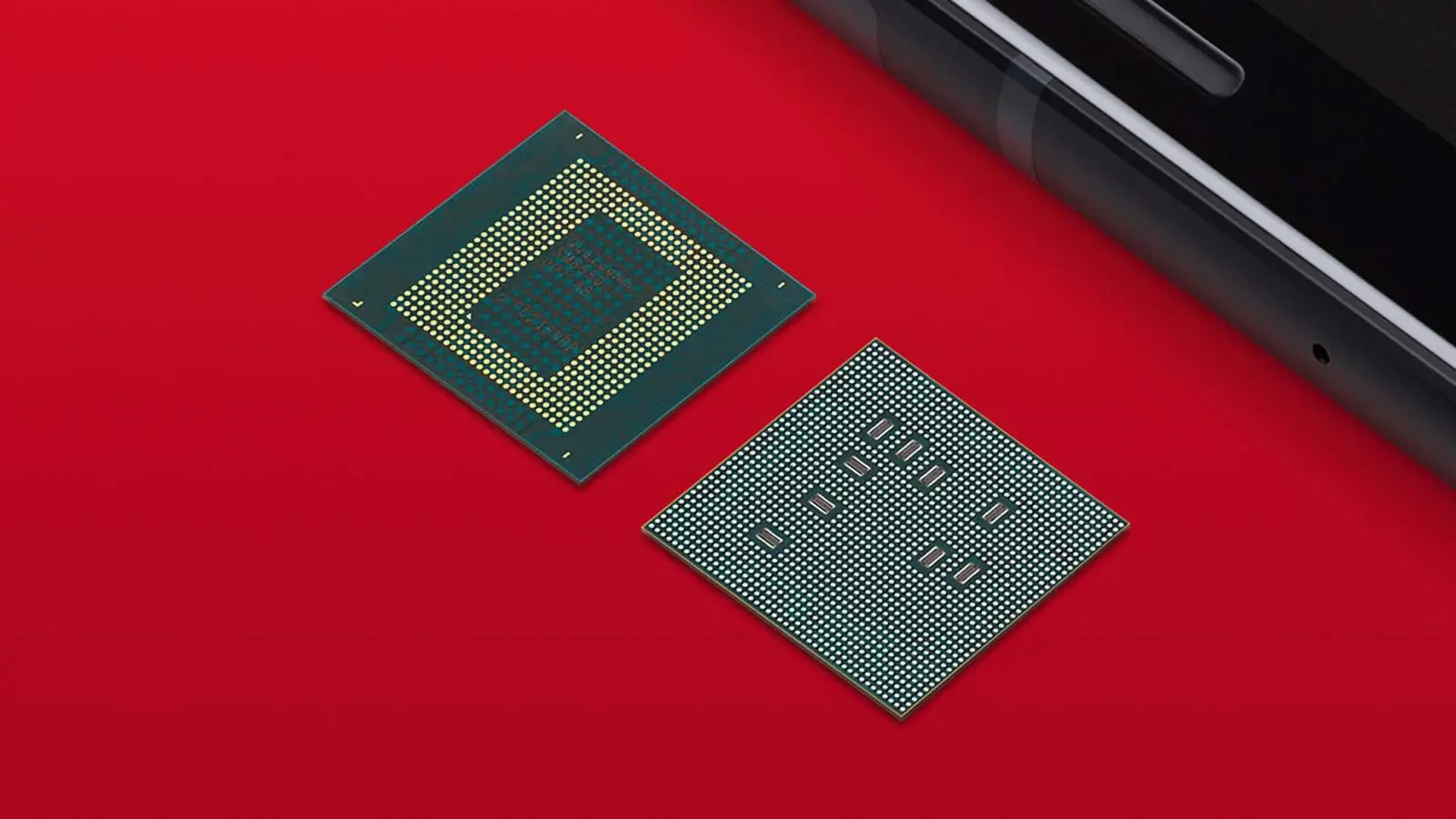
Industry chatter suggests Qualcomm will rely on TSMC’s 2nm N2P node for not just next year’s Snapdragon 8 Elite Gen 6 but also its follow-up, the Snapdragon 8 Elite Gen 7. If true, this move would mark another leap in performance and efficiency—and a hefty increase in wafer costs.
What TSMC’s N2P actually brings
TSMC’s N2P is a refinement of its N2 (2nm) family: it uses the same design rules but optimizes transistor performance and power. TSMC claims N2P can deliver about a 5% performance uplift or a roughly 5% reduction in power draw at identical clock speeds compared with the baseline N2. For smartphone chip designers, that margin can be the difference between a flagship that runs faster or a device that lasts noticeably longer on battery.
For Qualcomm, moving from a 3nm Gen‑5 flagship to a 2nm N2P part would enable higher core frequencies while preserving or improving efficiency. That could translate into sustained peak performance in demanding apps like games and content creation tools without the same thermal compromise as previous nodes.
Pricing pressure and the dual‑sourcing question
Semiconductor manufacturing costs are central to this story. Earlier generations already saw price bumps—chipmakers reportedly paid up to about 24% more for 3nm N3P wafers. Now, industry whispers put TSMC’s 2nm pricing increases as high as 50% compared to prior nodes. Those numbers make it understandable why Qualcomm might lock into a single advanced node for two consecutive flagship generations: amortizing R&D, design spins, and mask costs across multiple products can be more economical than switching foundries every cycle.
That said, a dual‑sourcing strategy remains attractive on paper. Samsung’s 2nm GAA (gate‑all‑around) process has progressed rapidly; Samsung is expected to mass produce its Exynos 2600 for the Galaxy S26, which would be among the first shipping chips on that lithography. Partnering with Samsung could give Qualcomm negotiating leverage with TSMC and a fallback if supply or yield issues arise. But current reports say Qualcomm plans to stay on TSMC’s N2P for both Gen 6 and Gen 7.
Timeline, implications, and a note of caution
TSMC is preparing N2 mass production later this year, and N2P would logically follow as an optimized variant used by leading customers. If the rumor holds, Snapdragon 8 Elite Gen 6—expected next year—would arrive on N2P, with Gen 7 following the same node cycle. For consumers, that could mean improved sustained performance and slightly better battery life in flagship phones across two successive generations.
However, these reports are still rumors. The source surfaced on social platforms and lacks official confirmation from Qualcomm, TSMC, or Samsung. Until either Qualcomm or its foundry partners announce manufacturing plans, take the details with caution.
Conclusion
The idea that Qualcomm would use TSMC’s N2P for two flagship generations makes commercial sense given the steep wafer-cost increases at cutting‑edge nodes. It promises modest but meaningful gains in speed and efficiency for mobile devices, yet it also highlights the industry’s growing dependency on a small set of advanced foundries—and the pricing and supply-chain pressures that come with that reality.












Leave a Comment
Comments
No comments yet. Be the first.