
2 Minutes
Chip prices are spiking again, and this time the pain has a catchy name: chipflation. Rising memory costs and constrained capacity in the semiconductor supply chain are already reshaping device pricing — and even Apple may struggle to avoid the fallout.
What's driving chipflation and why it matters
Memory chips, especially LPDDR mobile RAM used in smartphones, have seen sharp price jumps as demand outpaces available advanced production capacity. Fabrication at the leading nodes is expensive, and shortages are amplifying price volatility. Imagine the parts that make your phone fast becoming a luxury component — that pressure has to go somewhere, and the end consumer often feels it first.
Samsung's hike: a direct hit on iPhone costs
Samsung is one of Apple’s main LPDDR suppliers. According to reports from South Korea, Samsung raised the price of LPDDR chips supplied to Apple by as much as 80% in Q1 2025 versus the prior quarter. SK Hynix is believed to have pushed prices even higher, near a 100% increase.
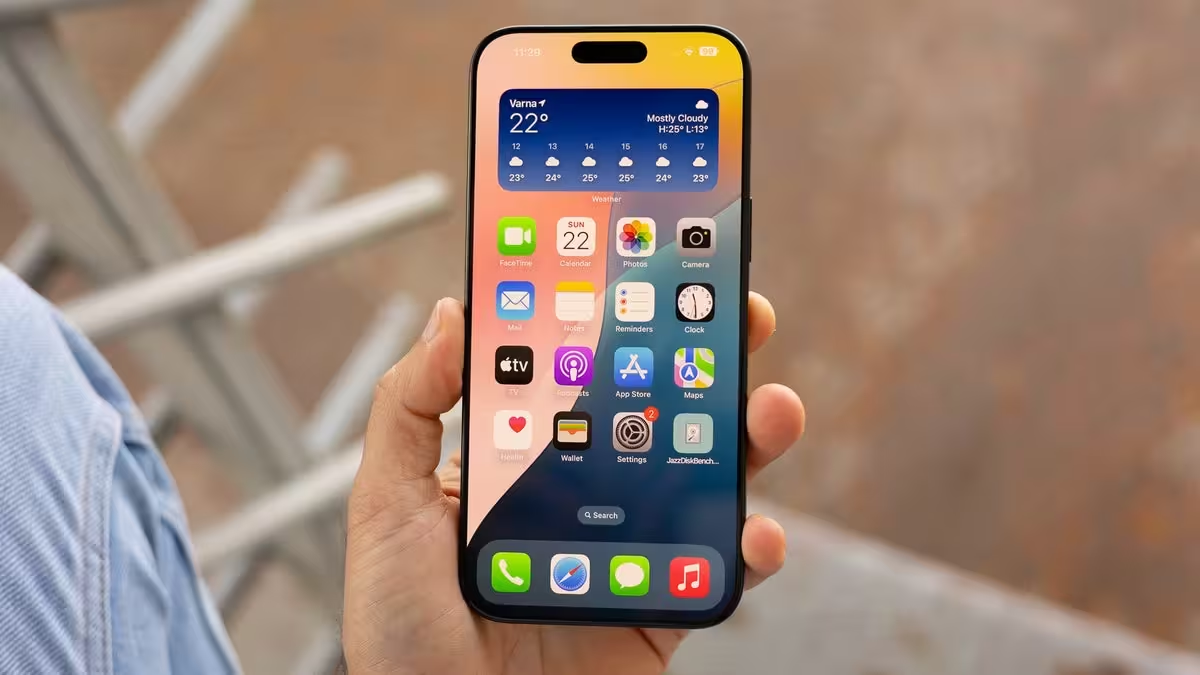
Historically, Apple used its sheer buying power and long-term contracts to secure favorable memory pricing. But with market-wide price spikes and suppliers reluctant to lock in rates, that leverage is eroding. Sources say both Samsung and SK Hynix have only committed to agreements covering the first half of 2026, leaving Apple exposed to short-term market swings when it ramps up new devices.
What this means for iPhones, foldables and consumers
- iPhone models launching later this year, including the rumored iPhone 18 and a possible first foldable iPhone, could carry higher BOM (bill of materials) costs.
- Even Samsung's own mobile division, which makes memory chips internally, is not insulated from the same pressures.
- With suppliers avoiding long-term contracts, Apple has less room to negotiate, increasing the chance of retail price adjustments.
So should buyers brace for sticker shock? Possibly. Apple may try to absorb some costs to protect demand, but sustained chipflation makes it likelier that higher component prices will eventually show up in device prices or thinner margins.
For now, the semiconductor market's volatility looks set to influence smartphone pricing across the board — not just for budget devices but for flagship phones that rely on high-performance memory. That makes chipflation a trend worth watching if you follow device launches, pricing, or the broader health of the tech supply chain.

Leave a Comment
Comments
No comments yet. Be the first.