
3 Minutes
Profit, amplified. Samsung closed out Q4 2025 with numbers that read like a tech-sector plot twist: KRW 93.8 trillion in revenue (about $65.8 billion) and an operating profit of KRW 20.1 trillion (roughly $14.1 billion). That’s a threefold jump in profit and almost a quarter more revenue versus the same quarter a year earlier.
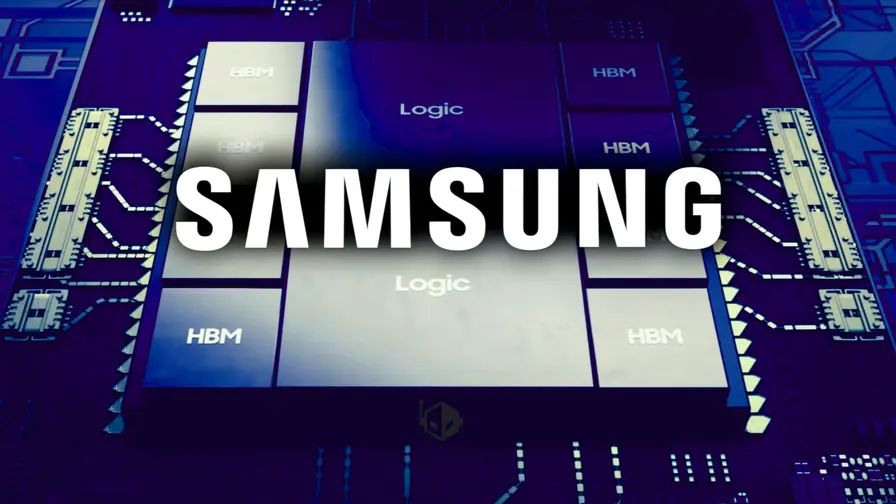
The reason is straightforward and fierce: chips. Memory demand exploded as artificial intelligence workloads gobbled up DRAM, HBM and NAND at cloud scale. Sales of DDR DRAM for servers and PCs climbed alongside high-bandwidth memory for accelerator farms, and NAND flash for SSDs rode the same wave. Price increases, driven by a global shortage, translated directly into better margins.
Samsung’s chipmaking arm was the engine of this rebound. Device Solutions posted a record operating profit of KRW 16.4 trillion (about $11.5 billion), up more than fivefold year over year. That kind of leap isn’t incremental — it reshapes the company’s financial map for the coming year.
Not every division shared the glow. Samsung DX, the group that houses smartphones and TVs, logged KRW 1.9 trillion ($1.33 billion) in operating profit, a touch down from KRW 2.1 trillion the prior year. Digital Appliances and TV showed a KRW 0.6 trillion operating loss (around $420 million). So while semiconductors carry the day, Samsung is already plotting how to lift the rest of the portfolio.
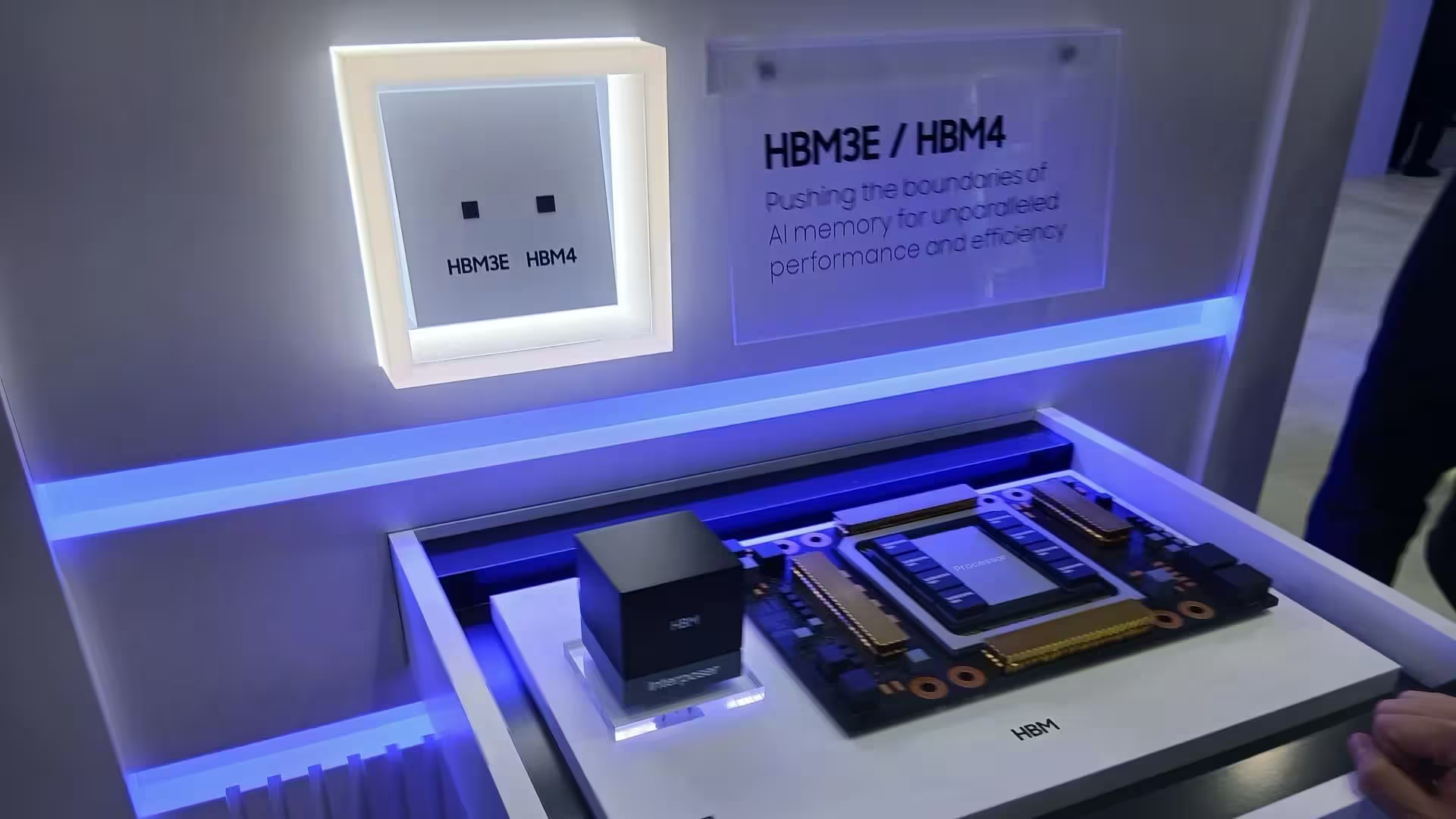
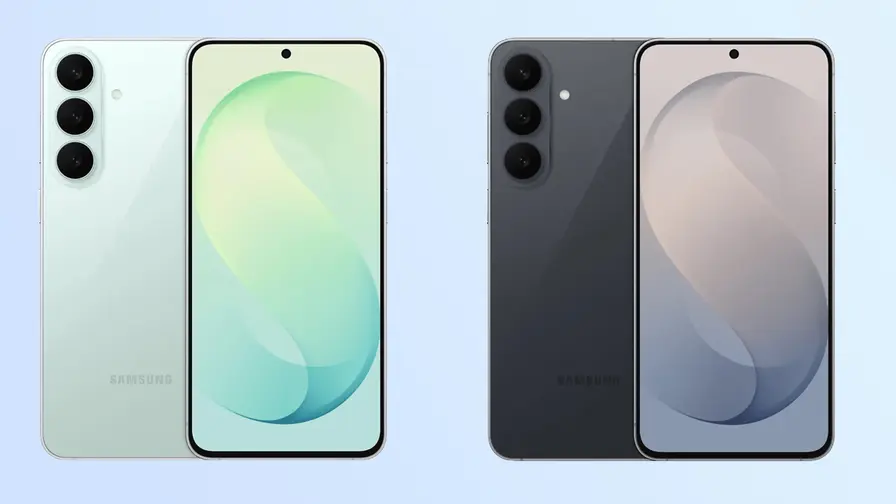
What’s next? First, product timing. Samsung plans to roll out HBM4 memory in Q1 2026 — a direct play into the AI accelerator market. The company also expects the Galaxy S26 family and thinner, lighter foldables to reinvigorate smartphone sales during 2026. Expect marketing and supply pushes timed around big sporting events; the FIFA World Cup 2026 is an obvious moment to stimulate TV upgrades.
On the television front Samsung will push premium lines — extra-large models, QLED, OLED and its new Micro RGB TVs — hoping to catch consumers when they’re shopping for big-screen experiences. For networks, Samsung Networks saw stronger orders from North America and is doubling down on ORAN and vRAN solutions to win business from carriers expanding 5G and private network builds in newer markets.
Home appliances are getting a business-model overhaul. The strategy now is a mix: more B2B deals, direct-to-consumer channels and subscription services, backed by the recent acquisition of FläktGroup — a European HVAC specialist that should help broaden industrial and commercial sales.
So here’s the shape of Samsung going into 2026: a company buoyed by memory scarcity and AI demand, using that strength to retool phones, TVs, network gear and home systems. Short-term, margins are being lifted by chip prices and HBM momentum. Medium-term, the bet is that product launches and targeted platform services will spread those gains across the entire business.
It’s an era where silicon rules headlines and corporate strategy. Samsung has the inventory, the fabrication scale and the roadmap. Now comes the test of turning a chip windfall into lasting, diversified growth.







Leave a Comment
Comments
No comments yet. Be the first.