
3 Minutes
Changan and CATL debut a practical sodium-ion passenger EV
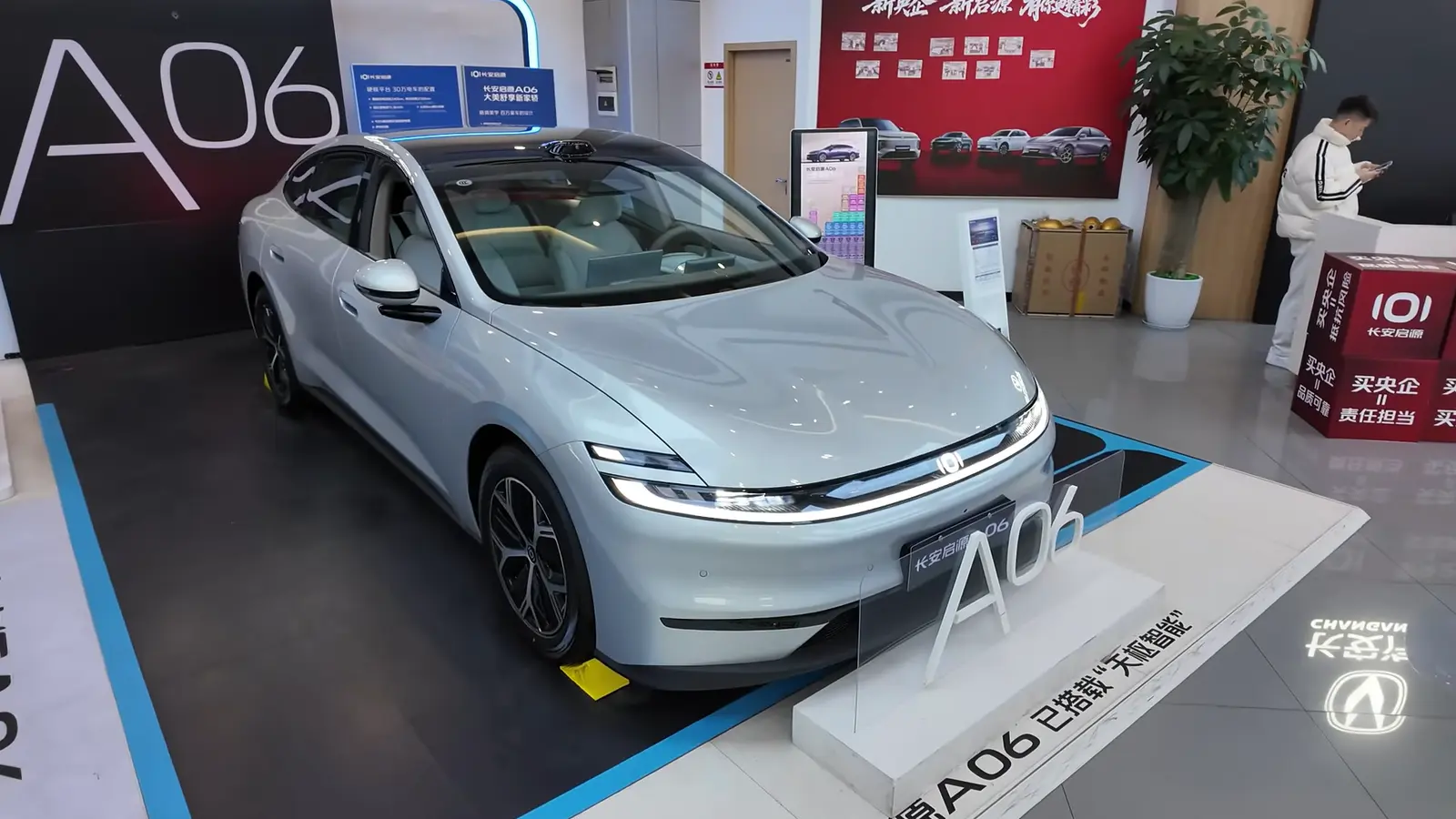
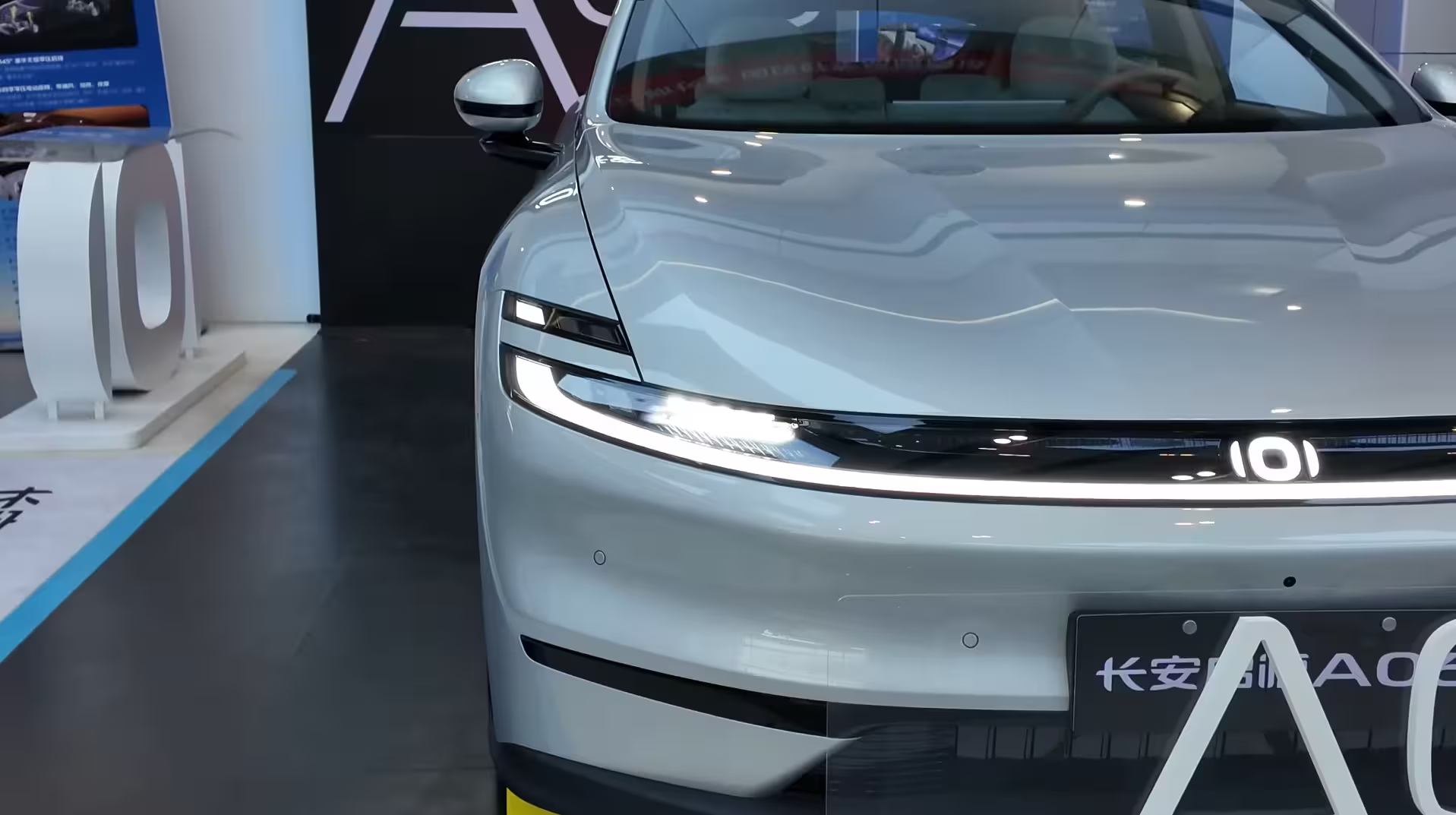
The electric vehicle industry quietly crossed an important milestone: a mass-produced passenger car is about to ship with sodium-ion batteries. The model is the Changan Nevo A06, equipped with CATL’s Naxtra sodium‑ion pack after intensive winter trials in Inner Mongolia. The tests suggest sodium-ion chemistry can solve one of EVs’ toughest problems: cold-weather performance.
Cold-weather claims that turn heads
According to Changan and CATL, the Nevo A06 charged normally at about -30°C and continued operating down to roughly -50°C. Most notably, the battery reportedly retained more than 90% of its original capacity at -40°C — a level of low-temperature resilience that conventional lithium iron phosphate (LFP) cells struggle to match. That improved output in sub-zero heat helps preserve acceleration and cabin heating without massive range penalties.
Highlights:
- Battery: CATL Naxtra sodium-ion
- Pack size: 45 kWh (initial version)
- Claimed range: just over 400 km (CLTC cycle)
- Extreme test temperatures: charging at ~-30°C; operation to ~-50°C
Performance, range and real-world context
On paper the Nevo A06’s 45 kWh pack and ~400 km CLTC range put it close to entry-level LFP-based EVs, but the real advantage is winter behavior. CATL says Naxtra can deliver multiple times the power of comparable LFP packs in freezing conditions, reducing the need for aggressive battery heating and lowering real-world range loss in cold climates.
Sodium-ion chemistry also brings cost and supply-chain advantages: sodium is far more abundant and less exposed to geopolitical or mining bottlenecks than lithium. CATL adds that Naxtra cells show greater resistance to thermal runaway and passed severe abuse tests without catching fire, boosting safety credentials.
Market implications and outlook
CATL frames this as the start of a “dual-chemistry” era, where manufacturers choose between sodium-ion and lithium-ion cells depending on climate, cost targets and vehicle segment. The Nevo A06 rollout is currently focused on China, with a planned launch around mid-2026 and sodium packs expected to expand across Changan’s line-up.
For buyers in cold regions, sodium-ion could become an attractive alternative to traditional lithium chemistries, offering similar urban range with much better low-temperature performance. For automakers and supply chains, it’s another lever to control cost and sourcing risk.
"This is no longer just a lab curiosity," analysts say. "Sodium-ion batteries are moving into real-world passenger EVs, and their strengths could reshape some segments of the market."
Key takeaway: sodium-ion EVs like the Nevo A06 promise comparable range to entry-level LFP vehicles while delivering superior cold-weather performance, improved safety, and lower exposure to lithium supply issues. Expect to see more manufacturers evaluate sodium-ion as they tailor battery choices to regional conditions and price brackets.



Leave a Comment
Comments
No comments yet. Be the first.