

3 Minutes
Forget the speculation and the viral mockups: OpenAI’s rumored hardware won’t land this year. A recent court filing, reported by Wired, makes the timeline blunt — the company doesn’t expect to ship its first consumer device before the end of February 2027.
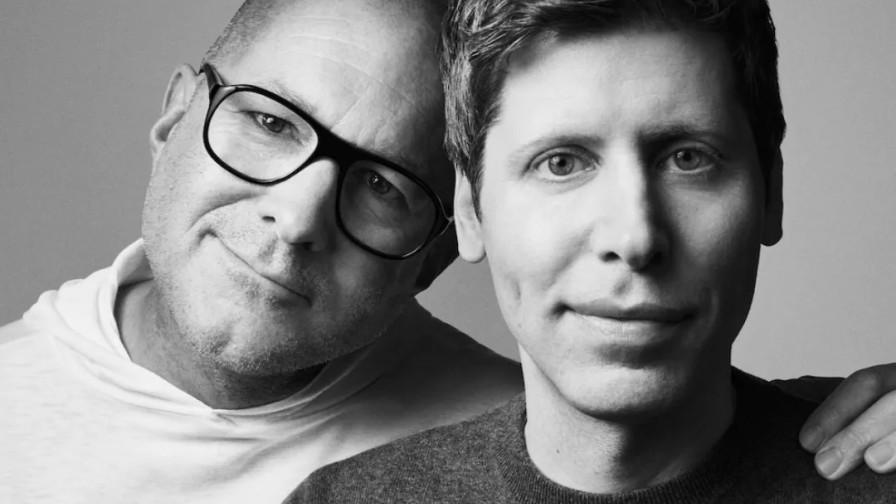
The filing came during a trademark dispute with audio startup iyO, which objected after OpenAI acquired Jony Ive’s consumer hardware studio. Peter Welinder, OpenAI’s VP and general manager, told the court that the company will not release any product under the names “io,” “IYO” or any capitalization variant. OpenAI also confirmed it hasn’t produced marketing materials or final packaging for the gadget — a sign the product is still in early, careful stages.
That doesn’t stop the rumor mill. Over the weekend a Reddit post claimed OpenAI pulled a Super Bowl ad featuring Alexander Skarsgård tapping a slick puck while wearing earbuds. The clip spread fast. OpenAI’s leadership quickly pushed back, saying the ad was fake. It was a reminder that in a world hungry for the next shiny piece of AI hardware, fiction often masquerades as news.

The context matters. We’ve already had experiments in “AI-first” hardware: the Humane AI Pin and the Rabbit R1, both of which failed to win over mainstream users. Phone makers today brag about generative AI features baked into their existing devices. So what could OpenAI bring that’s worth carrying around?
Clues are thin. The company has been careful to avoid labeling the project a headphone or a wearable, and the filing hints at a broader product family rather than a single, small accessory. If OpenAI is aiming for something that changes how people interact with AI daily, it will need more than a novelty puck or a voice-activated pendant. It will need clear utility that outperforms the phone on convenience, privacy or seamlessness.
OpenAI’s hardware won’t reach customers until at least February 2027. That’s the hard date revealed so far — everything else is conjecture and hopeful leaks.
Whether that extra wait yields a device we actually want is another story. I’m skeptical. Smartphones do almost everything well enough that adding a dedicated AI gadget feels like carrying a third wallet. Yet there’s a sliver of possibility here: a design mind like Jony Ive paired with OpenAI’s software could produce something surprising — elegant, invisible, and genuinely helpful. I’d welcome being proven wrong.
Until then, the rumor mill will keep spinning, fake ads will keep surfacing, and the rest of the industry will continue releasing AI-branded updates. OpenAI, meanwhile, appears to be taking the slow road — deliberate, guarded, and for now, delayed.


Leave a Comment
Comments
No comments yet. Be the first.